
Have Questions? Talk to Expert (Binod)
The Tsho Rolpa Yalung Ri Trek is an exciting Himalayan adventure into Nepal’s spectacular Rolwaling Valley, a remote region famous for its dramatic mountains, glacial landscapes, traditional villages, waterfalls, forests, and peaceful trekking trails. Far from the crowded routes of Everest and Annapurna, this journey provides an opportunity to experience a quieter and more authentic side of the Nepal Himalayas.
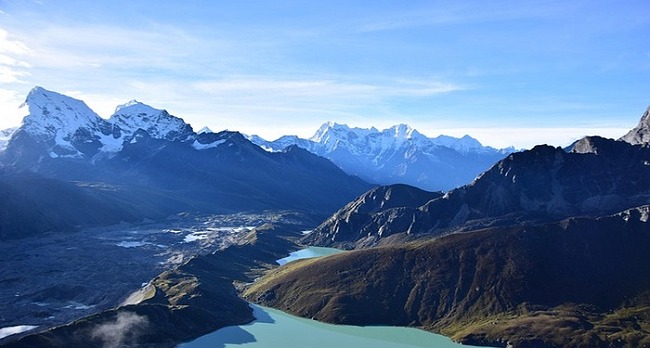
The centerpiece of the adventure is Tsho Rolpa Lake, also known as Cho Rolpa, a spectacular high-altitude glacial lake situated at around 4,580 meters. The journey toward the lake passes through beautiful mountain settlements, follows the Rolwaling River, and gradually enters a rugged alpine environment beneath some of the region’s most impressive peaks.
At Himalayan Adventure Intl Treks, we organize carefully planned trekking experiences in the Rolwaling region with experienced local guides, porters, transportation support, accommodation, meals, and practical assistance throughout the journey. The Tsho Rolpa Yalung Ri Trek is an excellent choice for travelers seeking Himalayan scenery, cultural encounters, physical adventure, and an off-the-beaten-path experience.
The trek takes place in the remote Rolwaling Valley, beneath the impressive Gaurishankar Himal, which reaches 7,134 meters. The region also provides views toward the Langtang Himal range and mountains such as Melungtse at 7,181 meters and Dorje Lhakpa.
When weather conditions are clear, trekkers can also see distant Himalayan peaks, including views toward Everest from certain parts of the route. The changing landscape—from green valleys and cultivated terraces to forests, rocky slopes, glaciers, and high-altitude terrain—is one of the major attractions of this trek.
The Rolwaling Valley is also famous for its connection with Yeti legends. Local stories have long associated remote Himalayan valleys with the mysterious creature. These fascinating legends, combined with the isolated landscape, give the trek an unusual sense of mystery and adventure.
The highlight of the journey is Tsho Rolpa Glacial Lake, one of Nepal’s remarkable high-altitude lakes. The lake is approximately 3.5 kilometers long, covers around 1.6 square kilometers, and has an average depth of about 55 meters, with its deepest section reaching approximately 132 meters.
The lake receives water from surrounding glaciers, including the Trambau and Trakarding Glaciers. Its glacial origin gives the water a distinctive milky appearance, creating a striking contrast against the surrounding mountains and rocky terrain.
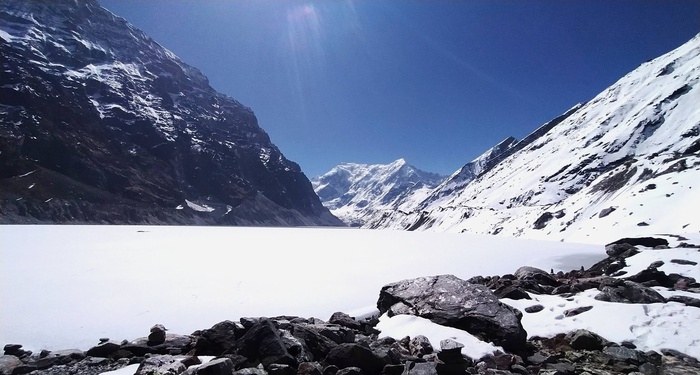
During the coldest months, the lake can remain frozen for several months. Visiting Tsho Rolpa therefore provides a completely different Himalayan experience depending on the season.
The changing glacial environment has also made Tsho Rolpa an important area of interest regarding glacial lake safety. Measures have previously been undertaken to reduce water levels and lower potential risks associated with glacial lake outburst events.
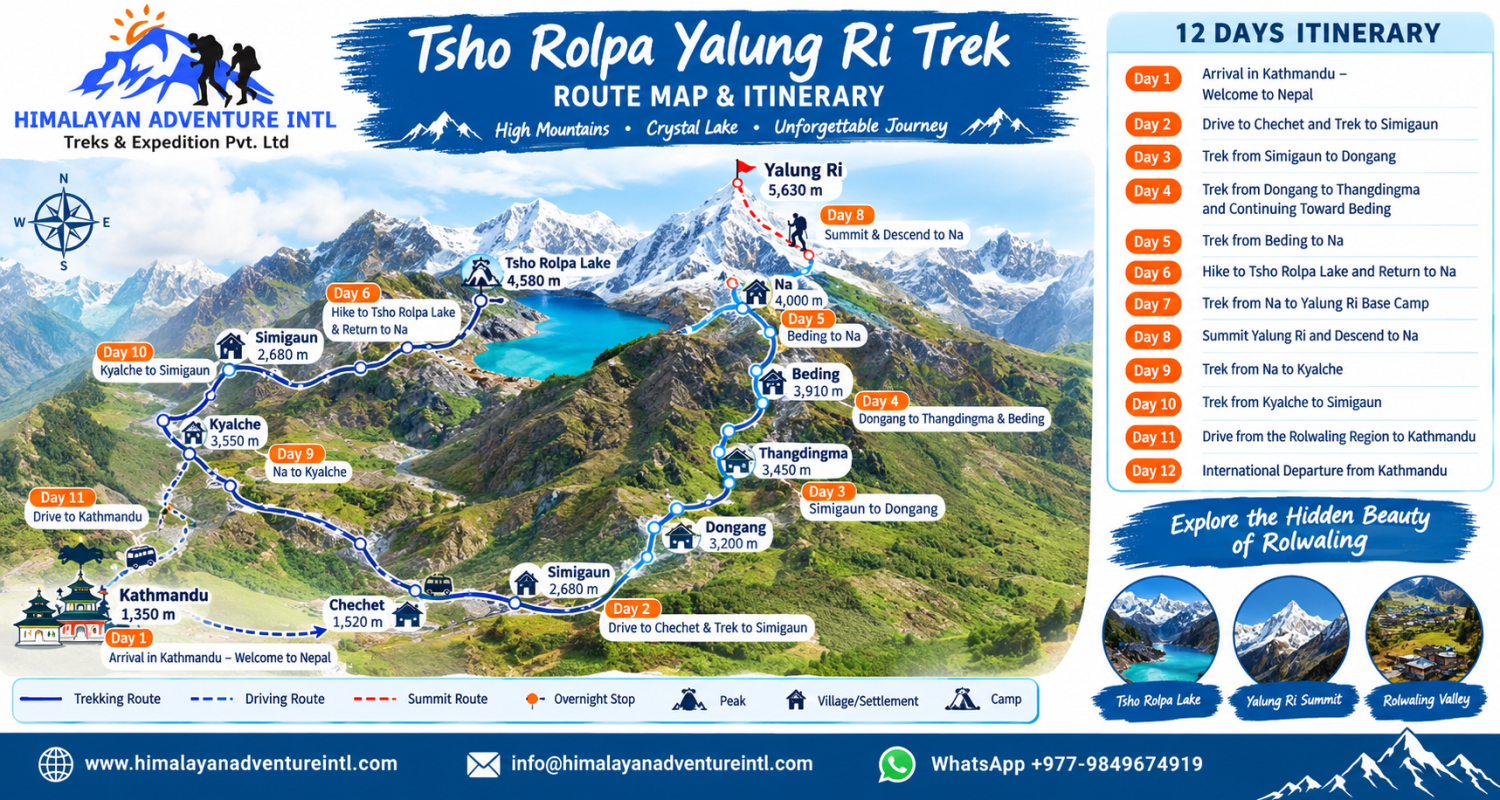
The route gradually gains elevation as it moves from lower mountain settlements toward the high-altitude lake. The following sections provide an approximate overview of the trail:
| Trekking Section | Altitude | Distance | Approx. Walking Time |
|---|---|---|---|
| Chhet Chhet – Simi Gaun | 2,000 m | 2.4 km | 2.5 hrs |
| Simi Gaun – Surmuche | 2,470 m | 4.4 km | 3 hrs |
| Surmuche – Kyalje | 2,810 m | 3.2 km | 2.5 hrs |
| Kyalje – Dongang | 2,790 m | 1.6 km | 1 hr |
| Dongang – Thandding | 3,343 m | 4.5 km | 2.5 hrs |
| Thandding – Bedding | 3,721 m | 5.5 km | 3 hrs |
| Bedding – Na Village | 3,943 m | 3.2 km | 3 hrs |
| Na Village – Tsho Rolpa Lake | 4,558 m | 7.5 km | 3 hrs |
Walking times and distances can change depending on weather, trail conditions, individual walking pace, and the itinerary selected.
The trek offers a diverse combination of natural beauty, mountain culture, and adventure.
One of the most memorable aspects of the Tsho Rolpa Yalung Ri Trek is the variety of scenery encountered along the trail.
The lower sections feature green vegetation, cultivated terraces, streams, waterfalls, and forested hills. As the altitude increases, the landscape gradually changes into a rugged mountain environment with exposed rock, alpine vegetation, glaciers, and snow-covered peaks.
Spring is especially beautiful because rhododendrons bloom along sections of the trail. Birdlife also adds to the peaceful atmosphere, with the sounds of Himalayan birds accompanying trekkers through the forests.
The wider Gaurishankar Conservation Area is home to diverse Himalayan wildlife. Species associated with the region include Himalayan thar, pikas, foxes, and other mountain animals. The area also supports important Himalayan birds, including the colorful Himalayan monal, Nepal’s national bird.
The Rolwaling River is another constant feature of the journey. In many sections, the trail follows the river, while bridges and waterfalls add dramatic scenery to the route.
The Tsho Rolpa route is primarily a tea-house trekking destination. Local people operate the lodges and tea houses, providing trekkers with simple but comfortable accommodation.
Rooms generally contain beds, mattresses, blankets, pillows, and basic bedding. Electricity is available in several settlements, although facilities become more basic as the trail climbs higher.
Most rooms are arranged for twin sharing. Attached bathrooms are generally not available, and trekkers use shared toilet facilities.
Travelers should understand that this is a remote Himalayan trek rather than a luxury holiday. Heated rooms, modern bathrooms, and extensive hotel facilities should not be expected in the upper sections. Instead, the simplicity of the tea houses contributes to the authentic mountain experience.
Himalayan Adventure Intl Treks can also arrange suitable hotel accommodation in Kathmandu according to your preferred standard.
Food is available at the local tea houses throughout the trekking route. Breakfast, lunch, and dinner provide the energy required for daily hiking.
Breakfast choices may include porridge, pancakes, boiled eggs, omelets, noodles, beans, chapati, and similar dishes.
For lunch and dinner, Dal Bhat Tarkari is one of the most popular and filling choices. This traditional Nepali meal normally consists of rice, lentil soup, vegetables, and pickles.
Other meals can include noodles, chapati with curry, potatoes, soup, and available canned foods. Because the trek travels through remote communities, the menu is simpler than what travelers will find in Kathmandu or major tourist destinations.
The most favorable seasons for this trek are generally spring and autumn.
Spring brings warmer conditions at lower elevations, blooming rhododendrons, fresh vegetation, and increasingly clear mountain views. March and April can be particularly attractive for nature lovers.
Higher areas can still experience cold conditions and occasional snowfall in early spring, so proper winter trekking clothing remains important.
Autumn is another excellent period for trekking in the Rolwaling Valley. Following the monsoon, the landscape becomes fresh and green, while mountain visibility generally improves.
October and November are especially attractive for clear Himalayan views. Temperatures become colder at higher elevations, particularly around Bedding, Na Village, and Tsho Rolpa.
The trek can generally be considered an easy-to-moderate to moderately challenging Himalayan adventure, with the difficulty increasing as you gain altitude.
The trail includes stone steps, uneven terrain, bridges, forest paths, and gradual uphill sections. The approach toward Tsho Rolpa becomes more demanding because of the elevation and steeper terrain.
Previous trekking experience is useful but not essential for reasonably fit travelers. Beginners should prepare physically before departure and maintain a comfortable walking pace throughout the journey.
We recommend beginning regular training approximately one month before the trek. Walking, running, cycling, swimming, and other cardiovascular activities can help improve endurance and prepare your body for several consecutive days of hiking.
Altitude is an important consideration because the route eventually reaches more than 4,500 meters.
The gradual increase in elevation gives the body an opportunity to adjust, but trekkers should still take altitude seriously. Walking slowly, staying hydrated, eating properly, and getting adequate rest are essential.
Possible symptoms of altitude sickness include headache, nausea, dizziness, fatigue, reduced appetite, and shortness of breath. If symptoms become serious, descending to a lower elevation is the safest course of action.
Our experienced guides monitor guests throughout the trek and help make decisions according to individual health, weather, trail conditions, and altitude.
We strongly recommend purchasing comprehensive travel insurance before beginning the Tsho Rolpa Yalung Ri Trek.
Your policy should specifically cover high-altitude trekking and emergency evacuation. The Rolwaling Valley is remote, and access to advanced medical facilities is limited. In an emergency, helicopter evacuation may be required.
Insurance can help cover eligible emergency evacuation, medical treatment, hospitalization, and related expenses according to the terms of your policy.
Communication facilities are limited throughout the Rolwaling Valley. Mobile network coverage may be available in certain settlements, including parts of Simi Gaun, Kyalje, Thandding Kharka, and Bedding.
Internet and Wi-Fi should not be expected consistently along the route. Travelers who need regular communication should prepare for periods without connectivity.
For those who want reliable communication in remote sections, appropriate backup communication equipment can be useful.
Electricity is available in some settlements, but charging facilities and power availability can vary. As the trail climbs higher, services become increasingly basic.
Natural water sources are available, but trekkers should avoid drinking untreated water. Carry a reliable purification method such as purification tablets or a suitable water filter.
Hot drinking water may be available from tea houses for an additional charge.
The total cost depends on the group size, trek duration, transportation, accommodation, guide and porter services, and the services included in the selected package.
The supplied source gives indicative 2026 prices of approximately USD 700–799 per person, with the per-person cost generally decreasing for larger groups.
At Himalayan Adventure Intl Treks, we can create a package according to your requirements. Private departures, group trekking, transportation, accommodation preferences, and additional services can be discussed while planning your trip.
A remote trek such as Tsho Rolpa Yalung Ri requires thoughtful preparation and reliable local support. Himalayan Adventure Intl Treks provides experienced guides, porters, transportation coordination, accommodation arrangements, and practical assistance throughout your adventure.
Our local team understands the Himalayan environment and focuses on responsible trekking, guest comfort, safety, and a memorable travel experience.
The Tsho Rolpa Yalung Ri Trek is particularly suitable for travelers who want to discover a less crowded part of Nepal. The journey combines the peaceful beauty of the Rolwaling Valley with spectacular Himalayan mountains, traditional villages, rivers, forests, glaciers, and the extraordinary Tsho Rolpa Lake.
From the first steps through the lower valleys to the high-altitude landscape around the lake, the trek provides a genuine Himalayan adventure away from the crowds.
Book your Tsho Rolpa Yalung Ri Trek with Himalayan Adventure Intl Treks and discover the hidden beauty of Nepal’s remarkable Rolwaling Valley.
Maximum Elevation: 1,350 m / 4,430 ft
Accommodation: Hotel
Meals: Welcome drink
Your Tsho Rolpa Yalung Ri adventure begins with your arrival at Tribhuvan International Airport in Kathmandu. After landing in Nepal, complete the necessary immigration and visa formalities before collecting your luggage. Once you enter the arrival hall, look for a representative from Himalayan Adventure Intl Treks holding your name or company sign.
Our representative will warmly welcome you and transfer you by private vehicle to your hotel in Kathmandu. The journey from the airport to your hotel provides your first glimpse of Nepal’s lively capital, where traditional architecture, busy streets, temples, shops, and modern buildings exist side by side.
After checking into your hotel, you can take some time to rest and recover from your international journey. Depending on your arrival time and energy level, you may enjoy a short walk around the nearby streets and explore the local atmosphere.
In the evening, your trekking leader will organize a detailed trip briefing. During the briefing, your guide will explain the trekking route, expected weather and trail conditions, altitude considerations, accommodation, meals, safety procedures, and the equipment required for the Yalung Ri climbing section.
This is also an opportunity to meet your trekking team and check your personal equipment before heading toward the remote Rolwaling Valley. If you need any last-minute trekking gear, our team can help you arrange or purchase it in Kathmandu.
Enjoy your first evening in Nepal and prepare for the exciting Himalayan journey ahead.
Maximum Elevation: 2,036 m / 6,682 ft
Accommodation: Teahouse/Lodge
Meals: Breakfast, Lunch, Dinner
Trekking Duration: Approximately 2 hours
Driving: Approximately 7–8 hours
Today marks the beginning of your journey toward the spectacular Rolwaling Valley. After breakfast, we leave Kathmandu and travel eastward by road toward Chechet. The drive takes us through changing landscapes, busy settlements, green hills, terraced farmland, and traditional villages.
Our route passes through Charikot, an important hill town in Dolakha District. If weather conditions are clear, you can enjoy impressive views of Gaurishankar Himal, Melungtse, and other surrounding Himalayan peaks. The road gradually leaves the busier areas behind as we approach the quieter mountain region.
Continuing along winding mountain roads, we eventually reach the Chechet area. From here, our actual trekking journey begins. We follow a mountain trail leading uphill toward Simigaun, a traditional Sherpa settlement situated on the hillside.
The hike to Simigaun takes approximately two hours, but the uphill terrain provides your first real trekking experience of the journey. The trail passes through forests and rural landscapes, and the sound of mountain streams and birds accompanies the walk.
Simigaun is one of the important settlements of the Rolwaling region and offers an excellent introduction to local Himalayan culture. Traditional houses, cultivated fields, Buddhist prayer flags, and mountain scenery create a peaceful atmosphere.
After arriving at the village, check into a local teahouse or lodge and enjoy a well-earned meal. Your guide will also provide information about the following day’s trek.
Spend the evening relaxing and exploring the village if time permits. Since the journey ahead gradually reaches higher elevations, getting adequate rest and staying hydrated from the beginning is important.
Maximum Elevation: 2,800 m / 9,189 ft
Accommodation: Teahouse/Lodge
Meals: Breakfast, Lunch, Dinner
Trekking Duration: Approximately 6–7 hours
After breakfast, we leave Simigaun and continue deeper into the remote Rolwaling Valley. Today’s trail provides a wonderful combination of forest scenery, mountain views, small settlements, and riverside landscapes.
The route initially follows an uphill trail through dense Himalayan forests. Depending on the season, you may see rhododendron, magnolia, pine, and other mountain vegetation. During spring, blooming rhododendron flowers add beautiful colors to the forest.
As we move farther into the valley, the landscape begins to change. The lush vegetation around the Tama Koshi region gradually gives way to the rugged mountain environment of Rolwaling. The trail passes through open grazing areas where local villagers traditionally bring their livestock during the warmer months.
Along the route, we pass small settlements and mountain clearings, including the Kyalche area. These scattered communities reflect the traditional lifestyle of people living in this remote part of Nepal.
One of the memorable sections of today’s journey involves crossing a wooden bridge over the Rolwaling Khola. From the bridge, you can observe the powerful flow of the mountain river below and the steep valley walls surrounding the trail.
After several hours of walking, we arrive at Dongang. The settlement is located in a peaceful mountain environment and serves as an important overnight stop for trekkers heading toward Beding and Tsho Rolpa.
Your guide will help you settle into the teahouse and arrange dinner. As the altitude increases, temperatures can become noticeably cooler, particularly during the evening and early morning.
Take time to relax, drink plenty of water, and enjoy the peaceful atmosphere of the Rolwaling Valley.
Maximum Elevation: Approximately 3,300 m / 10,827 ft
Accommodation: Teahouse/Lodge
Meals: Breakfast, Lunch, Dinner
Trekking Duration: Approximately 6–7 hours
Today we continue our journey farther into the heart of the Rolwaling Valley. After breakfast, the trail follows the Rolwaling Khola through increasingly rugged Himalayan surroundings.
The morning walk takes us through forested slopes and narrow sections of the valley. The landscape becomes more dramatic as the mountains rise higher around us. You will notice that the vegetation becomes thinner as we gain altitude, while the surrounding peaks and rocky cliffs become more prominent.
The trail passes through small settlements and traditional grazing areas where local communities have maintained their mountain lifestyle for generations. The Rolwaling region is known for its remote location and strong Buddhist and Sherpa cultural heritage.
As we continue walking, the valley gradually becomes wider and the mountain views become more impressive. The sound of the river remains a constant companion as we follow the valley upstream.
We make a gradual ascent rather than climbing sharply, allowing our bodies to adjust naturally to the increasing elevation. Your guide will maintain a comfortable pace and encourage regular breaks for hydration and rest.
Along the way, there are opportunities to observe traditional stone houses, mani walls, prayer flags, mountain streams, and cultivated areas. The surrounding scenery provides excellent opportunities for photography, particularly when the weather is clear.
We eventually reach the area around Thangdingma and continue toward our overnight destination. The day’s walk is moderately demanding because of the increasing altitude and uneven mountain trail.
Upon arrival at the teahouse, enjoy a warm meal and take time to rest. Your guide will monitor everyone’s condition as we prepare for the higher sections of the trek.
The evening is ideal for relaxing, enjoying the quiet Himalayan surroundings, and preparing mentally and physically for the spectacular mountain scenery and higher elevations ahead.
Maximum Elevation: 4,200 m / 13,783 ft
Accommodation: Teahouse/Lodge
Meals: Breakfast, Lunch, Dinner
Trekking Duration: Approximately 3–4 hours
Today is a shorter but important acclimatization-focused trekking day. After breakfast, we leave Beding and follow the Rolwaling River toward the high settlement of Na.
The trail gradually climbs through an increasingly open and rugged landscape. The dense forests become less dominant, while rocky slopes, alpine vegetation, glaciers, and snow-covered peaks begin to define the scenery.
Although today’s walking duration is shorter, the increasing altitude makes the trek physically demanding. Our experienced guide will maintain a slow and comfortable pace, allowing your body time to adapt.
As we move along the Rolwaling Valley, the views become increasingly impressive. High Himalayan peaks rise dramatically on both sides, and the valley begins to develop its characteristic U-shaped glacial appearance.
Eventually, we reach Na, a seasonal settlement traditionally used by the people of Beding for summer grazing and agriculture. Potatoes and other crops are grown here during the warmer months, while livestock graze on the surrounding pastures.
Na is situated at approximately 4,200 meters and provides a spectacular base for exploring the upper Rolwaling Valley. You may notice the difference in temperature and air density compared with the lower villages.
After checking into the teahouse, enjoy lunch and spend the afternoon resting. Your guide may organize a short acclimatization walk around the village, depending on weather and individual fitness.
From Na, the upper valley opens toward impressive glaciers and peaks, including the dramatic landscape surrounding Tsho Rolpa. The area provides some of the most spectacular scenery of the entire trek.
Spend the evening enjoying the peaceful mountain environment. Hydration, nutritious food, and good sleep are particularly important at this elevation.
Maximum Elevation: Approximately 4,580 m / 15,026 ft
Accommodation: Teahouse/Lodge
Meals: Breakfast, Lunch, Dinner
Trekking Duration: Approximately 4–6 hours round trip
Today is one of the highlights of the Tsho Rolpa Trek as we hike toward the magnificent Tsho Rolpa Lake, one of Nepal’s largest glacial lakes.
After an early breakfast, we leave Na and follow the trail deeper into the upper Rolwaling Valley. The landscape becomes increasingly rugged as we approach the glacial environment. Rocky paths, alpine slopes, glacial streams, and snow-covered Himalayan peaks dominate the scenery.
The trail gradually climbs toward Tsho Rolpa. Because we are walking above 4,000 meters, the pace will remain slow and steady. Regular breaks allow you to appreciate the scenery while helping your body adjust to the altitude.
Eventually, the turquoise and sometimes deep-blue waters of Tsho Rolpa appear ahead. Surrounded by enormous Himalayan peaks, glaciers, and barren mountain slopes, the lake creates an unforgettable landscape.
Tsho Rolpa is a spectacular glacial lake formed from accumulated glacial meltwater. Its changing colors and dramatic Himalayan surroundings make it an excellent location for photography and quiet observation.
After reaching the lake, we spend time enjoying the scenery, taking photographs, and appreciating the enormous scale of the surrounding mountains. Your guide will ensure that the group remains together and follows appropriate safety practices around the high-altitude terrain.
We then retrace our route back toward Na. The return journey is generally easier because we lose some elevation, although the rocky trail still requires careful footing.
Once back in Na, enjoy a warm meal and relax at the teahouse. This overnight stay also provides valuable acclimatization before moving toward Yalung Ri Base Camp.
Today’s excursion is not only a scenic highlight but also an important opportunity to become more comfortable walking at high altitude.
Maximum Elevation: Approximately 4,900 m / 16,067 ft
Accommodation: Tented Camp
Meals: Breakfast, Lunch, Dinner
Trekking Duration: Approximately 3–4 hours
Today we leave Na and move toward Yalung Ri Base Camp. The journey is relatively short in terms of walking hours, but the high elevation and increasingly rugged terrain make it an important day of the adventure.
After breakfast, we begin climbing gradually from Na. As we ascend, the landscape changes dramatically. The green and cultivated areas disappear, replaced by rocky mountain slopes, glaciers, snowfields, and spectacular Himalayan panoramas.
The trail continues upward through a remote and isolated environment. With every step, the views across the Rolwaling Valley become more expansive. On clear days, the surrounding peaks create an impressive Himalayan amphitheater.
After several hours of steady walking, we reach the Yalung Ri Base Camp area at approximately 4,900 meters. Our climbing crew will prepare the tented camp and arrange the necessary facilities for the night.
After lunch and some rest, we begin our preparation for the Yalung Ri summit attempt. Your climbing guide will provide an important briefing covering climbing techniques, rope safety, crampon use, movement on snow and ice, and basic procedures for the summit day.
Depending on conditions and the group’s experience, the guide may organize practical training around the base camp. This preparation is essential for ensuring that everyone understands how to use climbing equipment correctly.
The weather and mountain conditions will also be assessed carefully. The final decision regarding the summit attempt will always prioritize safety.
As the camp is located at nearly 4,900 meters, the night may be cold. Keep your sleeping bag and warm clothing ready and stay hydrated.
Try to sleep early because tomorrow is the most challenging and rewarding day of the entire Tsho Rolpa Yalung Ri adventure.
Maximum Elevation: Approximately 5,630 m / 18,472 ft
Accommodation: Teahouse/Lodge
Meals: Breakfast, Lunch, Dinner
Trekking/Climbing Duration: Approximately 10–12 hours
Today is the major highlight of the Tsho Rolpa Yalung Ri Trek: the summit attempt of Yalung Ri.
We wake very early, usually before dawn, and prepare for the climb. After a light breakfast, we begin ascending under the guidance of our experienced climbing leader.
The climb requires concentration, physical endurance, and careful movement. Depending on seasonal conditions, the route may involve rocky sections, snow, ice, steep terrain, and glacial surfaces. Crampons, ropes, harnesses, helmets, and other appropriate climbing equipment may be required according to current conditions.
The climbing team will maintain a safe pace, with regular breaks where necessary. At this altitude, the air is considerably thinner, so moving slowly and conserving energy are essential.
As daylight increases, the Himalayan panorama gradually appears around us. The surrounding mountains, glaciers, deep valleys, and the vast landscape of the Rolwaling region create an extraordinary backdrop.
Reaching the summit of Yalung Ri at approximately 5,630 meters is a memorable achievement. From the summit, weather permitting, you can enjoy spectacular views of the surrounding Himalayan peaks and the dramatic Rolwaling landscape.
After spending a safe and appropriate amount of time at the summit, we begin the descent. Descending requires just as much concentration as ascending because tiredness and loose terrain can increase the risk of slips.
We gradually make our way back toward Yalung Ri Base Camp and continue down toward Na. The long descent can be physically demanding, but reaching the lower settlement provides a strong sense of accomplishment.
After arriving at Na, enjoy a warm meal and much-needed rest.
The summit success depends on weather, snow conditions, individual fitness, acclimatization, and climbing judgment. Safety always takes priority, and the climbing leader may modify or cancel the summit attempt if conditions are unsuitable.
Accommodation: Teahouse/Lodge
Meals: Breakfast, Lunch, Dinner
Trekking Duration: Approximately 5–7 hours
After the demanding Yalung Ri summit day, today provides a gradual return toward the lower sections of the Rolwaling Valley. We leave Na after breakfast and retrace our route along the valley.
The trail initially follows the Rolwaling River through the rugged upper valley. As we lose altitude, the landscape slowly changes. Alpine terrain gives way to more vegetation, and the air gradually becomes warmer and easier to breathe.
The descent offers a different perspective of the scenery we experienced during the ascent. Instead of looking upward toward the high valley, we can now enjoy broader views toward the lower Rolwaling landscapes.
We pass through rocky sections, mountain pastures, and scattered settlements before reaching Kyalche. Depending on trail conditions and the group’s pace, the walking duration may vary.
The route is generally downhill but still includes several small ascents and uneven sections. After the physical challenge of the summit day, our guide will maintain a comfortable pace and schedule enough rest breaks.
Kyalche provides a peaceful overnight stop surrounded by Himalayan forests and mountain scenery. The settlement gives us an opportunity to reconnect with the lower-altitude environment and local way of life.
Upon arrival, check into the teahouse and enjoy a nutritious meal. The afternoon can be spent resting, recovering, and enjoying the surroundings.
The descent also marks a transition from the high-altitude glacial landscape toward the greener lower Rolwaling Valley. You may notice more trees, birds, streams, and agricultural areas as we continue downward.
Take time to reflect on the incredible experiences of the previous days, particularly the visit to Tsho Rolpa and the Yalung Ri summit attempt.
After dinner, rest well for the final trekking day toward Simigaun.
Maximum Elevation: 2,036 m / 6,682 ft
Accommodation: Teahouse/Lodge
Meals: Breakfast, Lunch, Dinner
Trekking Duration: Approximately 5–6 hours
Today is our final full day of trekking in the Rolwaling Valley. After breakfast, we leave Kyalche and continue descending toward Simigaun.
The trail follows the Rolwaling Khola through forested sections and mountain landscapes. As we lose elevation, the vegetation becomes increasingly dense, creating a refreshing contrast to the barren high-altitude environment experienced near Yalung Ri and Tsho Rolpa.
We cross familiar sections of the trail while enjoying them from a different perspective. The sound of flowing rivers, birds, and mountain streams accompanies us as we make our way downward.
The gradual descent passes through traditional landscapes and small communities. Depending on the season, you may see villagers working in agricultural fields or tending livestock.
As we approach Simigaun, the familiar Sherpa village gradually comes into view. Returning to Simigaun provides a satisfying conclusion to our trekking journey through the remote Rolwaling Valley.
Simigaun is known for its traditional houses, mountain culture, Buddhist heritage, and welcoming local community. After checking into the teahouse, you can relax and celebrate the completion of the trekking portion of your adventure.
If time and energy allow, take a short walk around the village and enjoy the surrounding scenery. It is also an excellent opportunity to interact with local residents and learn more about life in this Himalayan community.
In the evening, enjoy a final dinner with your trekking team. You may share photographs, stories, and memories from the journey.
The following morning, we leave the mountains by road and return to Kathmandu. Therefore, tonight is a good time to organize your belongings and prepare for the journey back to the capital.
Maximum Elevation: 1,350 m / 4,430 ft
Accommodation: Hotel
Meals: Breakfast, Lunch
Driving Duration: Approximately 7–9 hours, depending on road conditions
After breakfast, we say goodbye to the Rolwaling Valley and begin our drive back toward Kathmandu.
The road journey provides a final opportunity to appreciate Nepal’s changing landscapes. We travel through mountain roads, green hills, terraced farmland, rural villages, river valleys, and small towns before gradually approaching the Kathmandu Valley.
Unlike the high-altitude trekking environment, the lower valleys are warmer and more densely populated. The changing scenery demonstrates the remarkable geographical diversity of Nepal.
Depending on road conditions, traffic, weather, and the starting point, the journey may take several hours. Our team will arrange suitable transportation and ensure a comfortable return as much as possible.
Upon reaching Kathmandu, we transfer you to your hotel. After checking in, you can relax and enjoy the comfort of the city after several days in the remote Himalayan mountains.
If you still have energy, you may explore nearby streets, visit local shops, enjoy traditional Nepali food, or purchase souvenirs. Alternatively, you can simply rest at your hotel.
This evening also provides an opportunity to meet with the Himalayan Adventure Intl Treks team and review your journey.
Your Tsho Rolpa Yalung Ri Trek has taken you from the bustling Kathmandu Valley through remote Sherpa villages, dense forests, high mountain landscapes, Tsho Rolpa Lake, Yalung Ri Base Camp, and the challenging Yalung Ri summit environment.
Enjoy your final evening in Nepal and prepare for your international departure tomorrow.
Maximum Elevation: 1,350 m / 4,430 ft
Meals: Breakfast
Today marks the conclusion of your Tsho Rolpa Yalung Ri Trek with Himalayan Adventure Intl Treks.
After breakfast, depending on your international flight schedule, our representative will transfer you from your hotel to Tribhuvan International Airport.
Please make sure you have collected all your personal belongings, travel documents, passport, and valuables before leaving the hotel. We recommend arriving at the airport with sufficient time for check-in and international departure procedures.
As you leave Nepal, you will carry unforgettable memories of the Rolwaling Valley, traditional Sherpa villages, spectacular Himalayan scenery, Tsho Rolpa Lake, and the challenging Yalung Ri climbing experience.
The Tsho Rolpa Yalung Ri Trek is more than simply a journey through the mountains. It offers an opportunity to experience one of Nepal’s quieter Himalayan valleys, encounter traditional mountain communities, walk through beautiful forests and glacial landscapes, and challenge yourself in a spectacular high-altitude environment.
On behalf of Himalayan Adventure Intl Treks, we sincerely thank you for choosing us for your Nepal adventure. We hope our professional guides, trekking crew, hospitality, and services made your journey comfortable, safe, and memorable.
We would be delighted to welcome you back to Nepal for another Himalayan adventure, whether you are interested in Everest Base Camp, Annapurna, Manaslu, Mustang, Langtang, or another remote trekking destination.
Have a safe journey home, and we hope to see you again in the Himalayas.
Namaste and safe travels!
The Tsho Rolpa Trek with Yalung Ri Climbing is an adventurous journey into Nepal’s spectacular Rolwaling Valley, one of the country’s most remote and naturally preserved Himalayan regions. Far less crowded than the famous Everest and Annapurna trekking routes, this adventure combines wilderness trekking, traditional Sherpa culture, dramatic mountain scenery, glacial landscapes, and an exciting Himalayan peak-climbing experience.
The journey takes us deep into the Rolwaling Valley, where rugged mountains, alpine forests, waterfalls, traditional villages, high pastures, and glacial rivers create an unforgettable Himalayan environment. One of the major attractions is Tsho Rolpa Lake, a beautiful high-altitude glacial lake surrounded by impressive Himalayan peaks. The trek then continues toward Yalung Ri Base Camp, preparing us for the ascent of Yalung Ri Peak at approximately 5,647 meters.
Yalung Ri is considered a comparatively accessible climbing peak for experienced trekkers who are properly prepared, although its high altitude, cold conditions, snow, steep terrain, and changing mountain weather should never be underestimated. Reaching the summit provides an incredible sense of achievement and panoramic views across the Rolwaling and surrounding Himalayan ranges.
This trek is particularly suitable for travelers looking for something beyond Nepal’s busy commercial trekking routes. The combination of remote Himalayan landscapes and peak climbing makes the Tsho Rolpa and Yalung Ri adventure an excellent choice for those seeking a challenging and less-traveled experience.
At Himalayan Adventure Intl Treks, we carefully organize this adventure with experienced trekking and climbing leaders, appropriate support staff, logistical planning, acclimatization days, and safety considerations.
The Rolwaling region is famous for its isolation and spectacular natural beauty. The valley lies between the major Himalayan regions of Langtang and Everest and offers a remarkable combination of Tibetan-influenced Sherpa traditions and high-mountain wilderness.
Unlike heavily traveled trekking corridors, the Rolwaling route provides a more peaceful experience. During the trek, we walk through forests, cross suspension bridges, pass traditional settlements, follow glacial rivers, and gradually enter a dramatically different alpine environment.
The adventure also provides opportunities to observe some of the impressive Himalayan peaks surrounding the valley, including Gauri Shankar, Melungtse, Ramdung, Chukyima Go, and Chobuje. Depending on weather and visibility, the higher sections of the trek provide extraordinary mountain panoramas.
The highlight, however, is reaching Tsho Rolpa and continuing toward Yalung Ri. The turquoise and glacial appearance of the lake contrasts beautifully with the surrounding rocky mountains, glaciers, and snow-covered summits.
The adventure generally begins with a scenic drive from Kathmandu toward the Dolakha region. The road gradually leaves the busy Kathmandu Valley and enters Nepal’s rural hills. Along the way, we encounter terraced farmland, rivers, villages, forests, and mountain landscapes.
From the lower trekking area, the route gradually enters the Rolwaling Valley. We pass through settlements such as Singati, Simigaon, Kyalche, Beding, and Na, depending on the final itinerary and road conditions.
The trail initially follows the Tama Koshi River before eventually continuing along the Rolwaling River. As we gain elevation, the landscape becomes increasingly alpine. Dense vegetation gradually gives way to smaller shrubs, rocky terrain, high pastures, glaciers, and snow-covered mountains.
Beding is one of the most important settlements in the upper Rolwaling Valley. It has strong Sherpa cultural traditions and serves as an important acclimatization and preparation area.
From the upper valley, the journey continues toward Na and eventually Tsho Rolpa. After exploring the lake area, the climbing section begins as we move toward Yalung Ri Base Camp.
The Rolwaling Valley is one of Nepal's most fascinating high-mountain valleys. Its remote location has helped preserve traditional lifestyles and a peaceful atmosphere.
The valley is surrounded by enormous Himalayan walls and has a rugged character that makes every walking day feel like an expedition. Small villages are scattered along the valley, while traditional stone houses, prayer flags, mani walls, monasteries, and Buddhist cultural elements reflect the region's Sherpa heritage.
The lower portions of the trek feature green forests and cultivated hillsides. Higher up, the environment changes dramatically. Trees become smaller, the landscape becomes rocky, and eventually we enter the high alpine zone.
This gradual transformation is one of the most rewarding aspects of the trek.
The Rolwaling Valley is home to communities with strong Sherpa cultural traditions. Their lifestyle has evolved around the challenging Himalayan environment.
As we walk through villages, we can observe traditional houses, Buddhist prayer flags, mani stones, prayer wheels, and local religious practices. The communities have maintained many aspects of their traditional lifestyle despite the increasing connection with the outside world.
Beding and Na are particularly important settlements on the upper Rolwaling route. Spending time in these villages provides an opportunity to experience the culture and hospitality of Himalayan communities.
For many travelers, the cultural experience is just as memorable as the mountain scenery.
One of the most spectacular attractions of this adventure is Tsho Rolpa Lake, one of the largest glacial lakes in Nepal.
The lake sits at high elevation and is surrounded by dramatic mountain scenery. Its glacial landscape, rocky slopes, snow-covered peaks, and clear mountain atmosphere create a remarkable setting for photography and exploration.
Reaching Tsho Rolpa is an achievement in itself because the journey requires gradual ascent through increasingly remote terrain.
We take time to appreciate the surroundings and allow our bodies to adapt to the increasing altitude before continuing toward the climbing section.
The major adventure component is the ascent of Yalung Ri Peak, approximately 5,647 meters high.
Although Yalung Ri is regarded as a relatively accessible climbing peak compared with many higher Himalayan mountains, it still requires proper preparation, physical fitness, acclimatization, suitable equipment, and an experienced climbing team.
The climb involves more than simply walking. Depending on the route and prevailing conditions, climbers may encounter snow, ice, steep slopes, cold temperatures, and technically demanding sections.
Our climbing team evaluates weather, snow conditions, route conditions, and individual fitness before attempting the summit.
The objective is not simply to reach the highest point but to complete the climb safely and responsibly.
Summit day is usually the most demanding part of the entire adventure.
We begin early, often before sunrise, because the mountain conditions can be more favorable during the early hours. After breakfast or a suitable early-morning preparation, we begin ascending toward the summit.
The thin air makes every step more demanding. Climbers need to maintain a steady pace and conserve energy.
The final approach can be physically and mentally challenging. With determination and proper support from the climbing team, we aim to reach the summit and enjoy the magnificent Himalayan panorama.
From the higher elevations, the surrounding mountains create an extraordinary backdrop. After spending an appropriate amount of time at the summit, we descend carefully to a safer and lower camp or settlement.
Descending is equally important because fatigue can increase the risk of accidents.
For the Tsho Rolpa Trek with Yalung Ri Climbing, Himalayan Adventure Intl Treks provides an organized support structure designed to maintain safety and flexibility.
Our typical arrangement includes:
A general support ratio can be arranged according to group size and climbing requirements. For larger groups, additional guides, assistants, and support staff can be provided.
We normally recommend keeping groups manageable because smaller groups allow better communication, flexibility, and personalized attention.
Accommodation is provided in Kathmandu and throughout the trekking route.
In Kathmandu, guests can stay in a comfortable tourist-standard hotel on a twin-sharing basis. During the trek, accommodation is generally provided in local teahouses or mountain lodges.
Rooms in lower-altitude areas may have more facilities, while higher settlements offer simpler accommodation. Twin-sharing rooms are normally provided, and single rooms can be requested where available.
At higher elevations, facilities become increasingly basic. Bathrooms may be shared, and hot showers may not always be available.
This is part of the genuine Himalayan trekking experience.
Food is an important part of maintaining energy during a high-altitude adventure.
During the trekking section, breakfast, lunch, and dinner are generally provided. Meals may include traditional Nepali dishes along with Tibetan, Indian, Continental, and other commonly available trekking foods.
Typical meals may include:
Dal bhat is particularly popular because it provides carbohydrates, protein, and energy for long trekking days.
In Kathmandu, breakfast is normally included, while welcome and farewell dinners can also be arranged.
Altitude acclimatization is one of the most important parts of this adventure.
As we climb higher, atmospheric pressure decreases and the amount of oxygen available to our bodies becomes lower. The body therefore needs time to adapt.
The itinerary includes appropriate acclimatization opportunities, particularly around Beding and the upper Rolwaling Valley, depending on the final route.
A gradual ascent is essential. We encourage trekkers to:
Symptoms such as headache, nausea, dizziness, unusual tiredness, loss of appetite, or disturbed sleep can occur at altitude.
More serious symptoms require immediate attention. If a person develops signs of severe altitude illness, descending to a lower elevation is often the most important response.
Travelers with existing heart, lung, or other significant medical conditions should consult their doctor before undertaking a high-altitude trek and climb.
The Tsho Rolpa Trek with Yalung Ri Climbing is considerably more demanding than an ordinary low-altitude hiking trip.
Participants should be capable of walking approximately 5–8 hours per day, depending on the route, elevation, weather, and itinerary.
Good cardiovascular fitness, leg strength, endurance, balance, and mental determination are valuable.
Recommended preparation includes:
Previous high-altitude trekking experience is highly beneficial.
For the Yalung Ri climbing component, participants should also be comfortable walking on steep and potentially snowy terrain. Depending on conditions, basic mountaineering skills may be necessary.
The best seasons for this adventure are generally spring and autumn.
Spring offers improving weather, warmer temperatures, and good opportunities for mountain views. Rhododendron forests in lower sections can also provide beautiful scenery.
Autumn is one of Nepal's most popular trekking seasons. After the monsoon, the atmosphere is often clear and mountain views can be excellent.
Winter brings colder temperatures, snow, and potentially difficult conditions at higher elevations. Yalung Ri climbing may become more challenging because of snow and ice.
Rain can affect lower trekking sections, roads, trails, and visibility. However, experienced adventurers who understand the seasonal conditions may still consider customized travel.
For peak climbing, the final decision should always consider current weather, snow conditions, route safety, and the advice of the climbing team.
Comprehensive travel insurance is essential for this adventure.
Insurance should cover trekking and high-altitude climbing activities and include emergency medical treatment, evacuation, and helicopter rescue where applicable.
Travelers should carefully check the maximum altitude covered by their insurance policy because standard travel insurance may not automatically cover high-altitude trekking or climbing.
Himalayan Adventure Intl Treks does not sell or arrange travel insurance, so each traveler must obtain appropriate coverage independently before departure.
Packing correctly can make a major difference to comfort and safety.
Your luggage should be kept as light as practical. Porters carry the main luggage, while trekkers should carry a small daypack containing water, valuables, snacks, personal medication, documents, and essential clothing.
Any prescription medication should be discussed with a qualified medical professional before travel. Altitude medication should also be taken only according to appropriate medical advice.
The Rolwaling Valley is a fragile Himalayan environment, so responsible tourism is extremely important.
We encourage travelers to:
Responsible trekking helps protect the valley for future generations.
At Himalayan Adventure Intl Treks, our objective is to provide safe, enjoyable, flexible, and well-organized Himalayan adventures.
We understand that every traveler has different interests, fitness levels, schedules, and expectations. Therefore, private trips and customized itineraries can be arranged.
Our team focuses on:
We can also modify the itinerary according to the available time, trekking experience, climbing requirements, and seasonal conditions.
The Tsho Rolpa Trek with Yalung Ri Climbing is an exceptional Himalayan adventure for travelers who want to explore one of Nepal's quieter and more remote mountain regions. The journey combines cultural discovery, wilderness trekking, high-altitude landscapes, glacial scenery, and the challenge of climbing a Himalayan peak.
From the green hills and rural villages of the lower valleys to the dramatic landscapes surrounding Tsho Rolpa, every section of the journey offers something different. The traditional Sherpa settlements of Beding and Na provide cultural depth, while the high alpine environment introduces trekkers to the raw beauty of the Himalayas.
The ascent of Yalung Ri adds an exciting mountaineering dimension to the adventure. Although it is considered a comparatively accessible climbing peak, climbers must respect the mountain, prepare properly, acclimatize carefully, and follow the recommendations of experienced climbing leaders.
With careful preparation, suitable equipment, good physical fitness, responsible trekking practices, and professional support, the Tsho Rolpa and Yalung Ri adventure can become one of the most memorable experiences in Nepal.
Himalayan Adventure Intl Treks welcomes trekkers, adventurers, and aspiring climbers to discover the hidden beauty of the Rolwaling Valley and experience an unforgettable journey toward Tsho Rolpa and the summit of Yalung Ri.