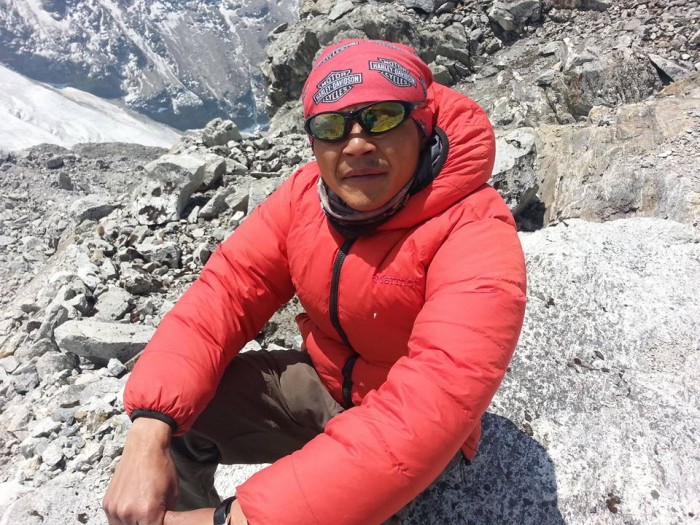
Have Questions? Talk to Expert (Binod)

The Everest Base Camp Trek by Road via Salleri and Surke is an excellent alternative route for travelers who want to experience the legendary Everest Base Camp adventure without relying on a flight to Lukla. Organized by Himalayan Adventure Intl Treks, this overland itinerary begins with a scenic drive from Kathmandu to Salleri and continues by four-wheel-drive jeep toward Surke, a road-accessible settlement close to Lukla. From Surke, the trekking journey begins on foot and connects with the classic Everest Base Camp trail toward Phakding, Namche Bazaar, Tengboche, Dingboche, Lobuche, Gorak Shep and Everest Base Camp.
The route combines road adventure, authentic Himalayan culture, gradual altitude gain and the unforgettable scenery of the Khumbu region. Instead of flying directly from Kathmandu or Ramechhap to Lukla and beginning the trek at approximately 2,860 meters, trekkers approach the Everest region overland. The road journey passes through the lower Solukhumbu landscape before reaching the high mountain environment.
The source itinerary provided for this article already identifies Salleri as a principal road gateway and describes the continuation toward Thamdanda and Surke. The revised itinerary below removes the unnecessary overnight stay at Thamdanda and starts the trekking section from Surke, as requested.
For travelers who are concerned about Lukla flights, uncertain mountain weather, flight delays or simply want a more adventurous approach to Everest, the Kathmandu–Salleri–Surke route offers an appealing alternative.
The Everest Base Camp Trek by Road is an overland version of the classic Everest Base Camp adventure. Rather than taking a flight to Lukla, you travel from Kathmandu by road toward Solukhumbu.
The journey is generally divided into two driving sections:
Kathmandu → Salleri
and
Salleri → Surke
The first section follows the major highway and mountain roads toward Salleri. The second section uses a rougher Himalayan road toward Surke, depending on road and weather conditions. Recent road-access information describes Kathmandu to Salleri/Phaplu as approximately 266–270 km and around 8–10 hours by private 4WD under favorable conditions, with the onward road extending toward Surke.
The total driving time from Kathmandu to Surke via Salleri is approximately 12–15 hours in favorable dry-season conditions, although actual travel can be considerably longer because of traffic, road construction, weather, landslides, stops and the condition of the unpaved sections.
For this reason, Himalayan Adventure Intl Treks recommends splitting the journey into two days rather than attempting to complete the entire drive in one exhausting day.
After reaching Surke, the vehicle journey ends and the trekking adventure begins. From Surke, you walk toward Phakding and then follow the established Khumbu trekking route.
The most obvious benefit is that you do not need to depend on a Lukla flight. Mountain flights are highly weather-dependent, and delays or cancellations can affect carefully planned trekking schedules.
By choosing the road route, you replace the flight with a long but adventurous ground journey. This is particularly attractive for trekkers who are uncomfortable with mountain flights or who prefer to experience Nepal from the road.
The overland approach allows you to experience the transition from Kathmandu's urban environment to the hills, valleys, forests and mountains of Solukhumbu.
Although reaching Surke still requires proper acclimatization afterward, the journey gives you more time to settle into the Himalayan environment before climbing toward Namche Bazaar and the higher Khumbu Valley.
The road route passes through parts of the Solukhumbu region that many flight-based trekkers do not see.
You can observe rural villages, terraced farmland, mountain settlements, local markets and the daily life of communities living along the road corridor. The journey offers a different perspective on Nepal beyond the popular trekking trail.
For many trekkers, traveling by road can reduce transportation expenses compared with purchasing Lukla flights. The exact cost depends on whether you use a shared jeep or private vehicle, the number of travelers and the condition of the road.
The road itself becomes part of the experience. The drive from Salleri toward Surke includes rough mountain terrain and changing landscapes. Once you leave Salleri, the journey feels increasingly remote and adventurous.
The distance between Kathmandu and Salleri is approximately 266–270 kilometers by road, although the actual driving route and road conditions can change.
A private 4WD jeep can generally take around 8–10 hours in favorable conditions, while shared transportation or buses may take approximately 10–12 hours or longer. Current travel information also lists shared jeep fares from Kathmandu to Salleri in the approximate range of NPR 1,900–2,200 per seat, although prices can change by season and operator.
The drive passes through changing landscapes, from the busy Kathmandu Valley toward the green hills and mountain valleys of central and eastern Nepal.
Salleri is the principal road gateway for many Everest overland itineraries.
The second section is more rugged.
The road from Salleri toward Surke travels through the lower Everest region and includes rough and unpaved sections. A suitable 4WD jeep is strongly recommended.
Depending on road conditions, traffic, monsoon damage and the condition of the track, the drive can take approximately 4–5 hours or longer.
Current 2026 road information describes the Kathmandu–Salleri–Phaplu–Khari Khola–Thamdanda–Surke corridor as the alternative road approach to the Lukla flight.
For planning purposes:
Himalayan Adventure Intl Treks recommends the two-day arrangement because it is safer, more comfortable and less tiring than trying to cover the entire distance continuously.
Road conditions can change quickly, especially during the monsoon. Therefore, the exact vehicle route may sometimes finish at Thamdanda or another accessible roadhead instead of Surke. In such circumstances, our team adjusts the itinerary according to local road conditions.
Upon your arrival at Tribhuvan International Airport, a representative from Himalayan Adventure Intl Treks will welcome you and transfer you to your hotel.
After checking in, you can rest and recover from your international journey.
If you arrive early, you can explore the streets of Thamel or simply relax at the hotel.
Accommodation: Hotel in Kathmandu
Meals: Breakfast
Today is dedicated to preparation.
You will meet your trekking guide and receive a detailed briefing about the Everest Base Camp Trek by Road. The guide will explain the route, daily walking hours, altitude changes, accommodation arrangements, safety procedures and important trekking guidelines.
We will also inspect your trekking equipment.
If you are missing anything, Kathmandu is an excellent place to purchase or rent trekking equipment. Himalayan Adventure Intl Treks can help arrange essential rental equipment such as sleeping bags, down jackets and trekking poles.
You should also confirm that your travel insurance covers high-altitude trekking and emergency helicopter evacuation.
Accommodation: Hotel in Kathmandu
Meals: Breakfast
Altitude: Approximately 2,300–2,400 m
Driving distance: Approximately 266–270 km
Driving time: Approximately 8–12 hours
You will leave Kathmandu early in the morning and begin the overland journey toward Salleri.
The drive gradually leaves the Kathmandu Valley and enters Nepal's hill country. Along the way, you will see rivers, green hills, agricultural settlements and mountain landscapes.
The road journey is long, but it gives you an opportunity to observe rural Nepal and experience how communities live outside the major tourist centers.
After arriving in Salleri, you will check into a local lodge and enjoy a well-earned rest.
Accommodation: Lodge in Salleri
Meals: Breakfast, lunch and dinner
Surke altitude: Approximately 2,300–2,400 m
Driving time: Approximately 4–5+ hours
Trekking time: Approximately 3–4 hours
After breakfast, you will continue by 4WD jeep from Salleri toward Surke.
This is the more adventurous section of the road journey. The route passes through rugged terrain and remote settlements. Road conditions can be rough, so the journey should be approached as part of the Himalayan adventure rather than ordinary highway travel.
Once you reach Surke, the vehicle journey ends and the trekking begins.
You will walk through the beautiful lower Khumbu landscape toward Phakding. The trail provides your first true walking experience in the Everest region.
After several hours, you reach Phakding, where you will spend the night.
Accommodation: Teahouse in Phakding
Meals: Breakfast, lunch and dinner
Altitude: 3,440 m
Trekking time: 5–6 hours
Distance: Approximately 11 km
After breakfast, you begin trekking beside the Dudh Koshi River.
The trail passes through pine forests and traditional villages before reaching Monjo, where you enter the Sagarmatha National Park area.
You cross suspension bridges and continue toward Jorsalle before beginning the famous climb toward Namche Bazaar.
Namche is the major commercial and cultural center of the Khumbu region.
After reaching Namche, you can explore the colorful streets and relax in the evening.
Accommodation: Teahouse in Namche Bazaar
Meals: Breakfast, lunch and dinner
Today is an important acclimatization day.
Rather than remaining completely inactive, you will take a short hike around Namche and its surrounding viewpoints.
One popular option is the hike toward the Everest View Hotel. From the viewpoint, you can see spectacular Himalayan peaks including Everest, Lhotse, Ama Dablam, Thamserku and Kongde.
You will then return to Namche for another night.
Spending two nights at Namche helps your body adjust to increasing altitude before you continue higher.
Accommodation: Teahouse in Namche Bazaar
Meals: Breakfast, lunch and dinner
Altitude: 3,870 m
Trekking time: 5–6 hours
The trail leaves Namche and follows a scenic route with magnificent mountain views.
You will gradually climb through rhododendron and pine forests before descending toward the Dudh Koshi River and climbing again toward Tengboche.
Tengboche is famous for its monastery and panoramic mountain setting.
You can visit Tengboche Monastery and enjoy views of Everest, Lhotse, Nuptse, Ama Dablam and Thamserku.
Accommodation: Teahouse in Tengboche
Meals: Breakfast, lunch and dinner
Altitude: Approximately 4,360 m
Trekking time: 5–6 hours
Today the landscape begins to change noticeably.
The trail passes through forests before opening into the high Himalayan valley. You will cross the Imja Khola and continue toward Dingboche.
Dingboche is surrounded by impressive peaks and traditional agricultural fields.
As you climb higher, the air becomes thinner, so maintaining a slow and steady walking pace is important.
Accommodation: Teahouse in Dingboche
Meals: Breakfast, lunch and dinner
A second major acclimatization day is included at Dingboche.
You can take an optional hike toward Nagarjun Hill or another nearby viewpoint depending on your fitness and the advice of your guide.
The purpose is not to complete a difficult climb but to allow your body to adapt to the altitude.
You return to Dingboche for another night.
Accommodation: Teahouse in Dingboche
Meals: Breakfast, lunch and dinner
Altitude: Approximately 4,940 m
Trekking time: 4–6 hours
The trail gradually climbs toward the Khumbu Glacier.
You pass through increasingly barren Himalayan terrain and reach the Thukla area, where memorials commemorate climbers who lost their lives on Everest and other Himalayan peaks.
The surrounding mountains become increasingly dramatic as you approach Lobuche.
After reaching Lobuche, you have dinner and rest for the next day's important journey toward Everest Base Camp.
Accommodation: Teahouse in Lobuche
Meals: Breakfast, lunch and dinner
Gorak Shep altitude: Approximately 5,164–5,170 m
Everest Base Camp: 5,364 m
Trekking time: Approximately 6–8 hours
Today is one of the most exciting days of the entire trek.
After breakfast, you follow the trail toward Gorak Shep. The terrain becomes rougher as you approach the Khumbu Glacier.
After reaching Gorak Shep and having a short break, you continue toward Everest Base Camp.
The trail winds across glacial and rocky terrain. Finally, you arrive at the famous Everest Base Camp at 5,364 meters.
From Base Camp, you can admire the Khumbu Glacier, ice formations and surrounding Himalayan peaks.
After spending time at Base Camp, you return to Gorak Shep for the night.
Accommodation: Teahouse in Gorak Shep
Meals: Breakfast, lunch and dinner
Kala Patthar: Approximately 5,545 m
Pheriche: Approximately 4,280 m
Trekking time: 7–8 hours
You will start early for the famous Kala Patthar viewpoint.
Kala Patthar is one of the best locations for panoramic views of Mount Everest and the surrounding Himalayan range. Early morning light can create spectacular scenery over Everest, Nuptse, Pumori, Lingtren and other peaks.
After enjoying the mountain panorama, you descend toward Pheriche.
The descent gives your body a valuable opportunity to recover from the higher elevations.
Accommodation: Teahouse in Pheriche
Meals: Breakfast, lunch and dinner
Altitude: 3,440 m
Trekking time: 6–7 hours
Today you retrace the trail toward Namche Bazaar.
The route passes through mountain forests, villages and suspension bridges.
As you descend, vegetation becomes more abundant and the landscape becomes greener.
You eventually reach Namche Bazaar, where you can enjoy a comfortable evening in the lively Sherpa town.
Accommodation: Teahouse in Namche Bazaar
Meals: Breakfast, lunch and dinner
Trekking time: Approximately 7–8 hours
Today you leave the main trail toward the lower Khumbu and continue toward Surke.
The route follows the Dudh Koshi Valley and passes through familiar villages and suspension bridges.
You will gradually lose elevation and eventually reach Surke, the roadhead for the return journey.
Depending on road conditions and your walking pace, your guide may adjust the overnight location to the most practical nearby settlement.
Accommodation: Lodge/teahouse near Surke
Meals: Breakfast, lunch and dinner
Driving time: Approximately 4–6+ hours
After breakfast, you begin the return journey by 4WD jeep.
The road can be rough and slow in places, particularly after rainfall. However, the journey provides another opportunity to experience the remote Solukhumbu landscape.
You arrive in Salleri and check into a lodge for the night.
Accommodation: Lodge in Salleri
Meals: Breakfast, lunch and dinner
Driving time: Approximately 8–12 hours
After breakfast, you begin the long drive back to Kathmandu.
The scenery gradually changes from Himalayan foothills to the lower hills and finally the Kathmandu Valley.
After arriving in Kathmandu, you check into your hotel and enjoy a comfortable evening.
Accommodation: Hotel in Kathmandu
Meals: Breakfast and lunch
This additional day is recommended because mountain trekking and road transportation can be affected by weather, road conditions and unexpected delays.
If everything has gone according to schedule, you can use the day to explore Kathmandu, shop for souvenirs or visit cultural sites.
Alternatively, this day can act as a valuable contingency day before your international departure.
Accommodation: Hotel in Kathmandu
Meals: Breakfast
Your Everest Base Camp Trek by Road adventure comes to an end today.
A representative from Himalayan Adventure Intl Treks will transfer you to Tribhuvan International Airport according to your international flight schedule.
You leave Nepal with memories of the Everest Base Camp, Kala Patthar, Sherpa villages, suspension bridges, mountain landscapes and the remarkable overland journey from Kathmandu to Surke.
The total cost of the trek depends on group size, accommodation standard, transportation choice, season and services included.
For travelers booking with Himalayan Adventure Intl Treks, we can arrange budget, standard, deluxe or customized private packages.
A professional trekking guide can be arranged at approximately US$30 per day.
The guide's responsibilities include:
A female guide can also be arranged at approximately US$30 per day, subject to availability.
For clients requiring a specialist language-speaking guide, the cost is approximately US$50–70 per day, depending on the language and availability.
A porter-cum-guide can be arranged at approximately US$25 per day where appropriate.
For the standard Everest Base Camp route in 2026, the major government and local entry fees should be budgeted separately from transportation and guide services.
The Sagarmatha National Park entry fee for foreign nationals is NPR 3,000 per person, according to the Nepal Tourism Board.
The Khumbu Pasang Lhamu Rural Municipality Trek Card/permit is currently listed by the local municipality at NPR 3,000 for visitors from countries outside SAARC, according to the municipality's current service information.
Therefore, foreign trekkers should currently budget approximately:
Sagarmatha National Park: NPR 3,000
Khumbu Pasang Lhamu Rural Municipality: NPR 3,000
Approximate combined total: NPR 6,000 per person
Fees can change, so Himalayan Adventure Intl Treks confirms the applicable rates before departure.
The Nepal Tourism Board also confirms that the Sagarmatha National Park entry fee is payable through designated entry points or authorized tourism channels.
Transportation is one of the main differences between the road itinerary and the traditional Lukla flight itinerary.
A shared jeep is generally the most economical option.
Approximate planning costs may be:
These are indicative costs rather than fixed published fares. Shared transportation prices can change according to season, vehicle availability and road conditions.
A private 4WD jeep is more comfortable and flexible for couples, families and private groups.
Current 2026 transportation information places a private Kathmandu–Salleri/Phaplu 4WD jeep at approximately NPR 28,000–38,000 one way, while the complete Kathmandu–Surke arrangement is higher and depends on the vehicle, road conditions, passenger numbers and whether the vehicle is retained for the return journey.
For a private group, Himalayan Adventure Intl Treks can quote transportation according to the number of passengers.
A porter is strongly recommended for trekkers who want to reduce the physical burden of carrying a large backpack.
The porter can carry the main duffel while you carry a smaller daypack containing water, clothing, snacks, camera equipment and personal essentials.
A porter generally costs around US$20 per day, while the exact package price depends on the number of trekking days and service arrangements.
Guide and porter insurance, staff accommodation, food and salary should be clearly discussed with your trekking agency before departure.
Himalayan Adventure Intl Treks can arrange experienced trekking porters and ensure that the logistics are organized before you start walking.
Teahouses are the standard accommodation along the Everest Base Camp route.
Rooms are generally simple twin rooms with beds, mattresses and blankets. Bathrooms may be shared, particularly at higher elevations.
Food generally includes:
Dal bhat is particularly popular because it provides carbohydrates and protein and is widely available throughout the region.
As you climb higher, food, water, charging and other services become more expensive because supplies must be transported into remote mountain settlements.
Although the road route provides a more gradual approach than flying directly to Lukla, Everest Base Camp remains a high-altitude trek.
The highest overnight points and trekking destinations are above 5,000 meters, and Kala Patthar reaches approximately 5,545 meters.
The itinerary therefore includes acclimatization days at:
Namche Bazaar — approximately 3,440 m
and
Dingboche — approximately 4,360 m
During acclimatization days, short hikes to higher elevations followed by sleeping at a lower elevation can help the body adapt.
Trekkers should walk slowly, stay hydrated and immediately inform the guide if they develop symptoms such as headache, dizziness, nausea, unusual fatigue or breathing difficulties.
If altitude symptoms become severe or worsen, descending to a lower altitude is more important than completing the itinerary.
Spring is one of the best seasons for the trek.
The weather is generally favorable, mountain views can be excellent and rhododendron forests are colorful at lower elevations.
Road conditions toward Surke are also generally more manageable than during the monsoon.
Autumn is another excellent season.
After the monsoon, the atmosphere is often clear, the mountains are spectacular and trekking conditions are favorable.
October and November are particularly popular for Everest Base Camp trekking. Nepal Tourism Board also identifies October–November and March–May among the best periods for the Sagarmatha region.
Winter offers fewer trekkers and can provide exceptionally clear mountain views.
However, temperatures become extremely cold at higher elevations, and snow or frozen conditions can affect trails and roads.
The Surke road should be checked before departure.
The monsoon is the most challenging season for the road approach.
Heavy rainfall can cause mud, landslides, slippery roads and delays on the rougher sections between Salleri and Surke.
If you travel during monsoon, flexibility is essential. The road may not always be accessible all the way to Surke, and the itinerary may need to use another roadhead depending on local conditions.
A suitable packing list should include:
You do not necessarily need to purchase every expensive item. Himalayan Adventure Intl Treks can help arrange rental equipment in Kathmandu, including sleeping bags, down jackets and trekking poles.
Travel insurance is essential for Everest Base Camp.
Your policy should specifically cover:
Do not assume that a normal travel insurance policy automatically covers trekking above 5,000 meters.
Helicopter evacuation can be extremely expensive, so adequate insurance is an essential part of responsible preparation.
Himalayan Adventure Intl Treks can arrange a comprehensive package including:
The exact inclusions can be customized depending on whether you select a budget, standard, deluxe or private package.
Unless specifically added to your package, the following are generally excluded:
Himalayan Adventure Intl Treks specializes in organizing trekking experiences in Nepal with attention to safety, logistics and local expertise.
For the Everest Base Camp Trek by Road, our team handles the complicated parts of the journey, including transportation coordination, permits, accommodation, guides and trekking logistics.
We can organize the trip for:
We can also customize the itinerary according to your available time, preferred accommodation, transportation requirements and budget.
The road route takes longer than the traditional Lukla flight itinerary, but it offers several advantages.
| Feature | By Road via Salleri & Surke | By Flight |
|---|---|---|
| Kathmandu–Khumbu access | Jeep/road | Flight |
| Lukla flight required | No | Yes |
| Road adventure | Yes | Limited |
| Cultural experience | Extensive lower Solu experience | More focused on upper Khumbu |
| Duration | Longer | Shorter |
| Acclimatization approach | More gradual | Faster altitude gain |
| Transportation cost | Generally lower | Generally higher |
| Weather-related flight delays | Avoided | Possible |
| Road-condition risk | Yes | No road risk on arrival |
| Best for | Adventure, budget and flight-avoidance | Travelers with limited time |
The road route is not necessarily easier. The drive is long and the trekking itself remains physically demanding. Its greatest attraction is that it offers a different and more immersive way to reach Everest Base Camp.
Yes, the road approach can be suitable for first-time high-altitude trekkers who are physically prepared and follow an appropriate acclimatization schedule.
However, "beginner-friendly" does not mean effortless.
Everest Base Camp is a serious high-altitude trek. You need to walk for several hours each day, climb and descend steep terrain and spend nights at high elevations.
A good training program should begin at least several weeks before departure.
Walking, stair climbing, hiking, cycling and strength training can help prepare your legs and cardiovascular system.
If you have never trekked at high altitude, discuss your plans with your doctor before traveling, especially if you have any relevant medical concerns.
The Everest Base Camp Trek by Road via Kathmandu, Salleri and Surke is much more than a substitute for the Lukla flight.
It is an adventure in its own right.
The journey begins in Kathmandu, travels through the hills toward Salleri, continues by rugged 4WD road toward Surke and then enters the legendary Khumbu trekking region on foot.
From Surke, you gradually make your way toward Phakding, Namche Bazaar, Tengboche, Dingboche and Lobuche before reaching the ultimate goal: Everest Base Camp at 5,364 meters.
The adventure continues with an early-morning ascent of Kala Patthar, where some of the most memorable panoramic views of Mount Everest can be enjoyed.
The return journey retraces the spectacular Khumbu trail toward Surke before the road carries you back through Salleri to Kathmandu.
For travelers who want to avoid the Lukla flight, experience more of rural Nepal, enjoy a gradual overland approach and undertake an authentic Himalayan adventure, this route is an outstanding choice.
Himalayan Adventure Intl Treks can arrange the complete journey, including the guide, permits, transportation, accommodation, meals, trekking logistics and necessary equipment support.
The exact roadhead and transportation schedule should always be confirmed shortly before departure because road conditions between Salleri and Surke can change rapidly, particularly during the monsoon and winter.
Book your Everest Base Camp Trek by Road via Salleri and Surke with Himalayan Adventure Intl Treks and experience Everest not simply as a destination, but as a complete journey from the heart of Kathmandu to the foot of the world's highest mountain.
Highlight: Arrival in Nepal, Kathmandu Valley, cultural atmosphere, trek preparation
Elevation: 1,300m/4,264ft
Trekking/Walking: Optional sightseeing and preparation
Distance: Depending on airport transfer
Food: Welcome dinner
Accommodation: Hotel in Kathmandu
Your Everest Base Camp adventure begins with your arrival at Tribhuvan International Airport in Kathmandu, the capital city of Nepal. A representative from Himalayan Adventure Intl Treks will welcome you at the airport and transfer you comfortably to your hotel.
After checking in and taking some time to relax, you can explore the surrounding streets of Kathmandu or simply recover from your journey. Depending on your arrival time, your trekking guide will arrange a briefing covering the itinerary, walking conditions, altitude, equipment, safety procedures, and important preparations for the journey.
Kathmandu is a fascinating combination of ancient heritage and modern life. If time permits, you may visit nearby cultural attractions, traditional markets, temples, or the lively streets of Thamel.
This is also the day to check your trekking equipment. Any necessary trekking gear can be arranged or hired through Himalayan Adventure Intl Treks.
In the evening, enjoy a welcome dinner featuring traditional Nepali cuisine. It is an excellent opportunity to meet your guide and fellow trekkers and become familiar with the adventure ahead.
Overnight: Hotel in Kathmandu.
Highlight: Scenic Himalayan foothills, rivers, villages, countryside landscapes
Elevation: Salleri – 2,990m/9,809ft
Driving Time: Approximately 8 hours
Distance: Approximately 250 km, depending on road conditions
Food: Breakfast, lunch and dinner
Accommodation: Lodge in Salleri
Today begins the overland section of your Everest adventure. After breakfast, you leave Kathmandu and drive toward Salleri, the administrative center of Solukhumbu District.
The journey follows winding mountain roads through the hills of central Nepal. As the road climbs and descends through valleys, the scenery gradually changes from Kathmandu's urban environment to green hills, terraced farmland, forests, small settlements, and mountain rivers.
The drive itself is an important part of the experience because it provides an opportunity to see rural Nepal and observe how communities live in the Himalayan foothills. Depending on road and weather conditions, several stops are made along the way for refreshments, photographs, and lunch.
The road becomes increasingly mountainous as you approach Solukhumbu. You may encounter sections of rough or unpaved road, making the journey adventurous and scenic.
Arriving in Salleri, you check into a local lodge and enjoy a warm meal. Salleri sits at a considerably higher elevation than Kathmandu, so spending the night here also begins the gradual process of adapting to altitude.
Overnight: Lodge in Salleri.
Highlight: Mountain road journey, Sherpa settlements, changing Himalayan landscapes
Elevation: Surke – approximately 2,309m/7,575ft
Driving Time: Approximately 6 hours
Distance: Approximately 40–50 km by road
Food: Breakfast, lunch and dinner
Accommodation: Lodge in Surke
After breakfast, the journey continues deeper into the Everest region. Today's drive takes you from Salleri toward Surke, following a spectacular mountain road through the Solukhumbu landscape.
The route passes through forests, mountain villages, cultivated terraces, suspension bridges, and dramatic valleys. You will begin noticing stronger influences of Sherpa culture as you travel deeper into the Khumbu region.
The road is often rough and winding, but the scenery makes the journey worthwhile. Depending on the season and road conditions, the drive may take longer than expected. Your experienced driver will navigate the mountain road carefully, with regular stops along the way.
As you approach Surke, the environment becomes increasingly alpine and mountainous. Snow-covered peaks may appear between the surrounding ridges on clear days.
Surke is located below Lukla and provides a convenient starting point for the trekking section. After arriving, settle into your lodge and enjoy a relaxing evening. Your guide will review the next day's walking route and make sure everyone is ready for the trek.
The gradual approach by road gives trekkers a different perspective of the Everest region compared with travelers who fly directly to Lukla.
Overnight: Lodge in Surke.
Highlight: First day on the Everest trail, Dudh Koshi River, Sherpa villages
Elevation: Manju – 2,832m/9,291ft
Trekking Time: 5–6 hours
Distance: Approximately 14–16 km
Food: Breakfast, lunch and dinner
Accommodation: Lodge in Manju
Today you officially begin your Everest Base Camp trekking adventure on foot.
After breakfast in Surke, you follow the trail toward the upper Khumbu Valley. The route passes through peaceful mountain settlements and forested sections before gradually joining the main Everest trekking trail.
The sound of the Dudh Koshi River accompanies much of the journey. The river flows rapidly through the valley, creating a dramatic contrast with the surrounding green hills and rugged mountain terrain.
Along the way, you pass through small Sherpa settlements, prayer wheels, mani stones, suspension bridges, and traditional mountain houses. The trail provides your first real introduction to the cultural landscape of the Everest region.
The walk is moderately paced, allowing you to enjoy the surroundings without rushing. Although today's elevation is not extreme, it is important to maintain a comfortable walking rhythm and drink plenty of water.
Eventually, you reach Manju, a picturesque village situated near the entrance to Sagarmatha National Park. After checking into the lodge, you can relax and explore the village.
The evening is ideal for enjoying dinner with your trekking team while preparing mentally for the increasingly high-altitude sections ahead.
Overnight: Lodge in Manju.
Highlight: Sagarmatha National Park, Hillary Suspension Bridge, first views of Everest
Elevation: Namche Bazaar – 3,440m/11,280ft
Trekking Time: Approximately 7 hours
Distance: Approximately 14–15 km
Food: Breakfast, lunch and dinner
Accommodation: Lodge in Namche Bazaar
Today's trek takes you to the famous Namche Bazaar, the commercial and cultural heart of the Khumbu region.
After leaving Manju, you enter Sagarmatha National Park, where the trail continues along the Dudh Koshi Valley. The route crosses several suspension bridges decorated with prayer flags, including the impressive Hillary Suspension Bridge.
The trail gradually becomes steeper as you approach Namche. The final ascent is challenging but rewarding. With a steady pace and regular breaks, trekkers can comfortably make their way upward.
As you climb, the forest becomes dominated by pine, fir, rhododendron, and other Himalayan vegetation. On clear days, the first distant views of Everest and other major peaks may appear.
After several hours of walking, you arrive at Namche Bazaar, an amphitheater-shaped mountain settlement surrounded by spectacular peaks.
Namche has developed into a lively trekking hub with lodges, bakeries, shops, cafés, trekking stores, and local markets. It is an excellent place to rest and experience Sherpa culture.
After checking into your lodge, enjoy a warm dinner and take time to recover. The following day is dedicated to acclimatization.
Overnight: Lodge in Namche Bazaar.
Highlight: Acclimatization hike, Everest views, Sherpa culture and mountain panorama
Elevation: Namche – 3,440m/11,280ft
Hiking: Approximately 3–5 hours, depending on the acclimatization program
Distance: Approximately 4–6 km
Food: Breakfast, lunch and dinner
Accommodation: Lodge in Namche Bazaar
Today is an important acclimatization day in Namche Bazaar. Rather than spending the entire day resting, the recommended approach is to take a short hike to a higher elevation and return to Namche for the night.
A popular option is hiking toward the Everest View Hotel and nearby viewpoints. From the surrounding ridges, you can enjoy impressive views of Everest, Ama Dablam, Lhotse, Nuptse, Thamserku, Kongde, and other Himalayan peaks, weather permitting.
The hike is intentionally moderate. The purpose is not to cover a large distance but to allow your body to become accustomed to the thinner air.
You can also visit the Sherpa culture museum or explore Namche's traditional streets and markets. Bakeries and cafés provide a pleasant place to relax after the hike.
Your guide will monitor the group for any symptoms related to altitude and provide advice regarding hydration, nutrition, walking pace, and rest.
Spending an additional night at Namche is an important part of the itinerary because the trek will soon climb above 4,000 meters.
Overnight: Lodge in Namche Bazaar.
Highlight: Ama Dablam, panoramic Himalayan views, Tengboche Monastery
Elevation: Tengboche – 3,870m/12,694ft
Trekking Time: Approximately 6 hours
Distance: Approximately 10–11 km
Food: Breakfast, lunch and dinner
Accommodation: Lodge in Tengboche
After breakfast, the trail leaves Namche and follows a scenic route along the mountainside toward Tengboche.
The first section is relatively comfortable and offers one of the finest Himalayan panoramas on the trek. On clear days, you can see Everest, Lhotse, Nuptse, Ama Dablam, Thamserku, and other impressive peaks.
The trail gradually descends toward the Dudh Koshi before climbing through beautiful rhododendron, pine, and fir forests. During spring, blooming rhododendrons add vibrant color to the landscape.
After crossing the river, the route climbs steadily toward Tengboche. The final ascent can feel demanding because of the increasing elevation.
Tengboche is one of the most culturally significant destinations in the Khumbu. The village is home to the famous Tengboche Monastery, one of the region's most important Buddhist monasteries.
If the monastery is open, you may have an opportunity to observe Buddhist traditions and experience the peaceful atmosphere of the surrounding mountains.
The combination of Himalayan scenery, spiritual culture, and remote mountain architecture makes Tengboche one of the highlights of the journey.
Overnight: Lodge in Tengboche.
Highlight: Ama Dablam, alpine landscape, Imja Valley, traditional villages
Elevation: Dingboche – 4,360m/14,300ft
Trekking Time: Approximately 6 hours
Distance: Approximately 11–12 km
Food: Breakfast, lunch and dinner
Accommodation: Lodge in Dingboche
The landscape becomes noticeably more alpine today as you continue toward Dingboche.
Leaving Tengboche, the trail descends through forest toward Deboche before continuing through Pangboche and the upper Imja Valley. The vegetation gradually becomes thinner as you gain elevation.
One of the dominant features throughout the day is Ama Dablam, whose distinctive pyramid-shaped summit rises dramatically above the valley. Its presence makes this section particularly memorable for photographers and mountain enthusiasts.
The trail passes through traditional Sherpa settlements and fields surrounded by stone walls. These walls protect crops from cold winds and help local communities cultivate land at high altitude.
After Pangboche, the route gradually climbs toward Dingboche. The valley becomes wider and more barren, reflecting the harsh environment at more than 4,000 meters.
Dingboche is one of the major overnight stops for trekkers heading toward Everest Base Camp. It has several comfortable lodges and is an important acclimatization location.
Because altitude becomes increasingly significant from this point onward, maintaining a slow and steady pace is essential. Drink plenty of water and avoid unnecessary exertion.
Overnight: Lodge in Dingboche.
Highlight: Acclimatization hike, Imja Valley, Himalayan panoramas
Elevation: Dingboche – 4,360m/14,300ft
Hiking: Approximately 3–5 hours
Distance: Approximately 4–6 km
Food: Breakfast, lunch and dinner
Accommodation: Lodge in Dingboche
Today is another essential acclimatization day before moving toward the higher elevations of Lobuche and Gorak Shep.
A gradual acclimatization hike may be organized toward one of the surrounding ridges above Dingboche. The exact destination can depend on weather, group fitness, and the guide's assessment.
From the higher viewpoints, you can enjoy expansive views of Ama Dablam, Island Peak, Lhotse, Nuptse, and surrounding Himalayan peaks.
The purpose of today's activity is to follow the principle of climbing higher while sleeping lower. After gaining some elevation during the day, you return to Dingboche for another night's sleep.
The remainder of the day can be spent resting, reading, exploring the village, or talking with other trekkers. Your guide will continue monitoring everyone's condition before the group proceeds higher.
At this altitude, appetite, sleep, and energy levels can change. Eating nutritious meals, drinking enough fluids, and maintaining a comfortable pace become increasingly important.
This rest day gives your body additional time to adapt before the trail climbs toward the Everest Base Camp region.
Overnight: Lodge in Dingboche.
Highlight: Khumbu Glacier, memorials, Nuptse and Pumori views
Elevation: Lobuche – 4,940m/16,207ft
Trekking Time: Approximately 6 hours
Distance: Approximately 11 km
Food: Breakfast, lunch and dinner
Accommodation: Lodge in Lobuche
Today's route takes you deeper into the high-altitude environment of the Everest region.
Leaving Dingboche, the trail climbs gradually toward Thukla. The surrounding landscape becomes increasingly rugged, with fewer trees and more exposed rock and mountains.
From Thukla, the trail climbs toward the Thukla Pass memorial area, where monuments honor climbers and mountaineers who lost their lives on Everest and other Himalayan peaks. This is a quiet and emotional section of the trail, with spectacular mountains rising in every direction.
After crossing this section, the trail continues toward Lobuche along the lateral moraine of the Khumbu Glacier. The views of Nuptse, Pumori, Khumbutse, and other peaks become increasingly dramatic.
At nearly 5,000 meters, the air is noticeably thin. The walking pace therefore becomes slower, and your guide will encourage regular breaks.
Eventually, you reach Lobuche, a small high-altitude settlement surrounded by enormous Himalayan mountains. After checking into your lodge, you can rest and prepare for the major objective of the trek.
Tomorrow you will walk toward Gorak Shep and continue to Everest Base Camp.
Overnight: Lodge in Lobuche.
Highlight: Everest Base Camp, Khumbu Glacier, Pumori, Khumbu Icefall
Elevation: Gorak Shep – 5,180m/17,001ft; Everest Base Camp – 5,364m/17,598ft
Trekking Time: Approximately 7–8 hours total, including the Everest Base Camp excursion
Distance: Approximately 12–14 km total
Food: Breakfast, lunch and dinner
Accommodation: Lodge in Gorak Shep
Today is one of the most anticipated days of the entire Everest Base Camp adventure.
You leave Lobuche early and follow the rocky trail toward Gorak Shep, the final settlement before Everest Base Camp. The route follows the Khumbu Glacier and gradually climbs through a stark, high-altitude landscape.
After reaching Gorak Shep and taking a short break, you continue toward Everest Base Camp.
The trail crosses rocky moraine terrain and follows the edge of the Khumbu Glacier. As you approach Base Camp, the surrounding mountains become increasingly imposing.
Standing at Everest Base Camp at approximately 5,364 meters, you can see the famous Khumbu Icefall and surrounding peaks. During the climbing season, the area may contain expedition tents and equipment, creating a unique atmosphere.
The Base Camp itself does not provide a direct summit view of Mount Everest because surrounding peaks block the summit from this position. However, the glacier, ice formations, Nuptse, Pumori, Khumbu Icefall, and surrounding Himalayan scenery create an unforgettable experience.
After spending time at Base Camp, you return to Gorak Shep for the night.
Overnight: Lodge in Gorak Shep.
Highlight: Sunrise over Mount Everest, Kala Patthar, panoramic Himalayan views
Elevation: Kala Patthar – 5,545m/18,192ft; Pangboche – approximately 3,985m/13,074ft
Trekking Time: Approximately 8 hours
Distance: Approximately 16–18 km
Food: Breakfast, lunch and dinner
Accommodation: Lodge in Pangboche
Today begins early with one of the most spectacular experiences of the entire trek: the ascent of Kala Patthar.
You hike before sunrise toward the summit of Kala Patthar. The climb is challenging because of the altitude, but the reward is an extraordinary panorama of Everest and the surrounding Himalayan giants.
From the viewpoint, weather permitting, you can see Mount Everest, Nuptse, Lhotse, Pumori, Ama Dablam, and numerous other peaks illuminated by the first light of the morning.
Kala Patthar is widely regarded as one of the best viewpoints for seeing Mount Everest from the Nepal side. After spending time taking photographs and enjoying the panorama, you descend to Gorak Shep for breakfast.
You then retrace the trail through Lobuche and toward the lower Khumbu Valley. As you lose elevation, breathing generally becomes easier and vegetation gradually begins to return.
Continuing downhill, you pass through Thukla and eventually reach Pangboche. The change from the barren high-altitude landscape to more vegetation is noticeable.
Pangboche is a traditional Sherpa village surrounded by impressive mountains, especially Ama Dablam.
Overnight: Lodge in Pangboche.
Highlight: Ama Dablam, Tengboche Monastery, forest trail, Namche Bazaar
Elevation: Namche – 3,440m/11,280ft
Trekking Time: Approximately 7 hours
Distance: Approximately 15 km
Food: Breakfast, lunch and dinner
Accommodation: Lodge in Namche Bazaar
Today you retrace the trail toward Namche Bazaar, but the journey feels very different because you are now descending.
After leaving Pangboche, the trail passes through forests and traditional villages toward Tengboche. The mountains remain impressive, but the return journey provides opportunities to appreciate scenery that may have looked different while climbing.
You can enjoy another view of the famous Tengboche Monastery before continuing downhill toward the Dudh Koshi Valley.
The route then follows forested sections populated by rhododendron, pine, and fir trees. The lower altitude and thicker vegetation create a refreshing contrast to the high-altitude terrain around Gorak Shep.
After crossing the river, the trail climbs gradually toward Kyangjuma and then continues toward Namche Bazaar.
Arriving in Namche feels rewarding after completing the Everest Base Camp and Kala Patthar sections. The lively town provides an opportunity to enjoy a comfortable meal, browse local shops, or relax at a bakery or café.
You can also reflect on the incredible journey to Everest Base Camp while preparing for the final trekking days.
Overnight: Lodge in Namche Bazaar.
Highlight: Final Khumbu trail, suspension bridges, mountain villages and forests
Elevation: Surke – approximately 2,309m/7,575ft
Trekking Time: Approximately 7 hours
Distance: Approximately 18–20 km
Food: Breakfast, lunch and dinner
Accommodation: Lodge in Surke
Today marks the final full trekking day of the Everest Base Camp by Road itinerary.
Leaving Namche after breakfast, you descend through the familiar trail toward the lower Khumbu Valley. The route passes through several Sherpa settlements and forest sections before reaching the Dudh Koshi River.
The suspension bridges crossed earlier in the trek now feel easier as you descend to lower elevations.
You pass through Monjo and other villages before eventually leaving the main Everest Base Camp trail and following the route toward Surke.
The lower elevation brings warmer temperatures and greener landscapes. The trail is surrounded by trees and cultivated areas, creating a pleasant contrast to the rocky terrain experienced at high altitude.
Although most of today's route is downhill, the distance is substantial, so maintaining a steady pace is important.
Upon arriving in Surke, you can relax and enjoy a final evening in the Khumbu region. Your guide and porters have played an important role throughout the journey, making this a good opportunity to share the evening together.
Overnight: Lodge in Surke.
Highlight: Scenic mountain road, rural villages, final views of Solukhumbu
Elevation: Salleri – 2,990m/9,809ft
Driving Time: Approximately 6 hours
Distance: Approximately 40–50 km
Food: Breakfast, lunch and dinner
Accommodation: Lodge in Salleri
After breakfast, you leave the trekking trail behind and begin the overland journey back toward Salleri.
The mountain road winds through remote settlements and rugged hills. The drive provides another opportunity to appreciate the rural landscape of the Solukhumbu region.
As you travel, you gradually move away from the high Himalayan environment. Forested hills, terraces, rivers, and mountain villages dominate the landscape.
Road conditions can vary considerably depending on weather and recent maintenance. Your experienced driver will travel carefully through the mountain terrain.
You will make stops along the route for refreshments and lunch before continuing toward Salleri.
Arriving in Salleri, check into your lodge and enjoy a relaxed evening. After several days of trekking, a quiet evening at the lodge provides a welcome opportunity to rest.
This journey also allows you to reflect on the major achievements of the trip—from crossing suspension bridges and walking through Sherpa villages to reaching Everest Base Camp and Kala Patthar.
Overnight: Lodge in Salleri.
Highlight: Scenic return journey, Nepalese countryside, Kathmandu
Elevation: Kathmandu – approximately 1,300m/4,264ft
Driving Time: Approximately 8 hours
Distance: Approximately 250 km, depending on route and road conditions
Food: Breakfast, lunch and dinner
Accommodation: Hotel in Kathmandu
After breakfast, you begin the final overland journey from Salleri back to Kathmandu.
The road gradually descends through the Himalayan foothills and central Nepal's beautiful countryside. You pass terraced farmland, rivers, forests, villages, roadside markets, and small towns.
Compared with the high-altitude environment of the Everest region, the lower hills feel warmer and greener. The changing landscape makes the drive an interesting conclusion to the adventure.
A lunch stop will be arranged along the route, and there will be opportunities for short breaks during the journey.
Upon reaching Kathmandu, transfer to your hotel and enjoy some well-earned rest.
In the evening, Himalayan Adventure Intl Treks can arrange a farewell dinner where you can celebrate completing your Everest Base Camp adventure.
You may also have time to purchase souvenirs, handicrafts, trekking memorabilia, or traditional Nepalese products from Kathmandu's markets.
Overnight: Hotel in Kathmandu.
Highlight: Final moments in Nepal and airport transfer
Elevation: Kathmandu – 1,350m
Trekking: No trekking
Distance: Airport transfer as required
Food: Breakfast
Accommodation: Not included unless an additional night is requested
Your Everest Base Camp Trek by Road adventure comes to an end today.
Depending on your flight schedule, you can enjoy breakfast at the hotel and spend some free time in Kathmandu before your airport transfer.
A representative from Himalayan Adventure Intl Treks will arrange your transfer to Tribhuvan International Airport according to your international flight departure time.
As you leave Nepal, you take home memories of an extraordinary Himalayan journey—from the winding roads to Salleri and Surke, the historic Sherpa settlements, Namche Bazaar, Tengboche Monastery, the dramatic landscapes of Dingboche and Lobuche, and ultimately the achievement of standing at Everest Base Camp and Kala Patthar.
We hope the journey with Himalayan Adventure Intl Treks becomes one of your most memorable travel experiences, and we look forward to welcoming you again for another Himalayan adventure.
End of Everest Base Camp Trek by Road – 17 Days.
The Everest Base Camp Trek by Road is an excellent alternative to the traditional Lukla flight route. Instead of flying directly from Kathmandu to Lukla, trekkers can travel by road toward the lower Khumbu region and begin their walking adventure from Surke, after driving through the Solukhumbu area. This overland approach adds extra time on the trail, provides a more gradual introduction to the Himalayas, and can be particularly attractive to travelers who want to avoid dependence on Lukla flights.
At Himalayan Adventure Intl Treks, we organize Everest Base Camp trekking packages for solo travelers, couples, families, students, friends, private groups, and organized group departures. Our road-based EBC itineraries can be customized according to your available time, budget, preferred level of comfort, and trekking experience.
The Everest Base Camp journey is not simply a trek to a destination. It is an experience through Sherpa villages, Buddhist monasteries, suspension bridges, alpine forests, high mountain valleys, and some of the world's most spectacular Himalayan landscapes. Along the route, you can experience places such as Namche Bazaar, Tengboche, Dingboche, Lobuche, Gorak Shep, and Everest Base Camp, while enjoying views of Mount Everest, Ama Dablam, Lhotse, Nuptse, Thamserku, Kangtega, and other Himalayan peaks.
For travelers choosing the road approach, the journey to Surke is an important part of the adventure. It removes the need to take the regular Kathmandu–Lukla flight at the beginning of the trek and allows you to reach the trailhead by road. Himalayan Adventure Intl Treks can arrange shared or private transportation depending on your group size and preference.
The road route from Kathmandu toward Surke passes through changing landscapes, from the busy Kathmandu Valley to rural hills, rivers, forests, mountain settlements, and the Solukhumbu region. The road journey itself becomes part of the Himalayan experience.
For trekkers who prefer a private vehicle, we can arrange a private jeep from Kathmandu to Surke for approximately $380–$400 for a group of 5–7 people. This is particularly economical when the transportation cost is divided among several trekkers.
For travelers joining shared transportation, the cost of a seat from Kathmandu to Surke is approximately $50–$60 per person, depending on transportation availability, road conditions, season, and operating arrangements.
The exact travel time can vary because mountain roads are affected by weather, traffic, road construction, and seasonal conditions. Therefore, travelers should keep some flexibility in their itinerary.
| Transportation Option | Approximate Cost |
|---|---|
| Shared Jeep/vehicle to Surke | $50–$60 per person |
| Private Jeep | $380–$400 total |
| Private Jeep Capacity | Approximately 5–7 people |
A private jeep is especially suitable for couples, families, friends, and private trekking groups who want greater flexibility and comfort.
The road approach to Surke offers several advantages.
One of the biggest reasons trekkers choose the road route is to reduce dependence on Lukla flights. Flights to Lukla can be affected by mountain weather and operational conditions. By traveling by road, you begin your journey without relying on the first flight sector.
However, the road route does not eliminate all weather-related transportation risks. Mountain roads can also be affected by rainfall, landslides, road conditions, and traffic.
Starting from Surke means you spend more days walking compared with the shortest standard Lukla itinerary. For trekkers who enjoy walking and want to experience more of the lower Khumbu, this can be a major advantage.
A longer itinerary provides more opportunity to increase elevation gradually. Proper acclimatization is one of the most important elements of a safe Everest Base Camp trek.
The road approach allows travelers to experience communities and landscapes beyond the immediate high-altitude trekking route. You can observe rural Nepalese lifestyles, agricultural areas, mountain villages, and the transition into the Sherpa homeland.
For groups of 5–7 people, a private jeep can be a practical option because the total transportation cost is shared among the group.
The overall cost of an Everest Base Camp Trek depends on the itinerary, group size, transportation, guide and porter requirements, accommodation standard, meals, permits, and additional services.
A road-based EBC package organized by Himalayan Adventure Intl Treks can be customized according to your requirements. Instead of offering one fixed price for every traveler, we consider the transportation method, group size, accommodation preference, and services included in the itinerary.
The principal costs include:
The road-based option can be particularly attractive for travelers who want to avoid the cost and uncertainty associated with the Lukla flight while enjoying a longer Himalayan walking experience.
A knowledgeable guide is one of the most valuable services on the Everest Base Camp route.
At Himalayan Adventure Intl Treks, the cost of hiring a local trekking guide is approximately $30 per day.
Your guide helps with much more than navigation. A good guide monitors your walking pace, assists with accommodation arrangements, communicates with local lodge operators, explains local culture and traditions, and helps identify potential altitude-related problems.
A guide can also help you make sensible decisions when weather or health conditions affect the itinerary.
A trekking guide can assist with:
For first-time Himalayan trekkers, a guide can make the experience much more comfortable and organized.
A porter can make a major difference to your trekking experience.
The approximate porter cost at Himalayan Adventure Intl Treks is $20 per day.
A porter carries the majority of your main trekking luggage, allowing you to walk with a lighter daypack containing essential personal items, water, snacks, layers, camera equipment, and other necessities.
Travelers should pack responsibly and respect the porter load limits and the working conditions of mountain staff. At Himalayan Adventure Intl Treks, we emphasize responsible trekking and fair treatment of our guides and porters.
Hiring a porter can:
For couples or small groups, sharing porter services can sometimes be an economical way to manage luggage.
The Everest region is protected under national and local regulations, and trekkers must pay the required entry and local fees.
The principal permits and fees for the road-based Everest Base Camp Trek include the following:
For foreign tourists, the Sagarmatha National Park entry fee is approximately Rs. 3,000 per person.
For travelers from SAARC countries, the applicable fee is approximately Rs. 1,500 per person, based on the rate provided for the trekking arrangement.
Sagarmatha National Park protects the unique Himalayan environment surrounding Mount Everest. The trek passes through forests, rivers, alpine landscapes, glaciers, and mountain ecosystems that are home to a variety of wildlife and plant species.
Trekkers must also pay the Khumbu Pasang Lhamu Rural Municipality fee of approximately Rs. 3,000 per person.
This local fee supports administration and infrastructure in the Khumbu region.
| Permit/Fee | Approximate Cost |
| Sagarmatha National Park – Foreign Tourist | Rs. 3,000 |
| Sagarmatha National Park – SAARC Tourist | Rs. 1,500 |
| Khumbu Pasang Lhamu Rural Municipality Fee | Rs. 3,000 |
Permit and fee regulations can change, so travelers should always confirm the applicable rate for their trekking date with Himalayan Adventure Intl Treks before departure.
Food and accommodation represent an important part of the Everest Base Camp budget.
For independent budgeting, travelers should allow approximately $40–$50 per person per day for food and accommodation in the Everest region.
Costs generally increase as you move higher into the Khumbu because transporting food, fuel, construction materials, and other supplies to remote mountain villages is more difficult and expensive.
Accommodation is generally provided in tea houses or mountain lodges. Rooms are usually simple, clean, and practical, with shared bathroom facilities in many locations.
Trekkers can find a wide range of meals, including:
Dal bhat is one of the most popular choices because it provides carbohydrates, vegetables, lentils, and a filling meal that is well suited to long trekking days.
At higher elevations, food prices tend to increase because supplies must be transported considerable distances.
A road-based itinerary can be adjusted depending on your starting point, trekking speed, acclimatization needs, and whether you want to include additional destinations.
A typical itinerary can include:
Day 1: Kathmandu to Surke by shared or private jeep
Day 2: Surke to Phakding or nearby trekking settlement
Day 3: Trek to Namche Bazaar
Day 4: Acclimatization day in Namche Bazaar
Day 5: Namche Bazaar to Tengboche
Day 6: Tengboche to Dingboche
Day 7: Acclimatization day in Dingboche
Day 8: Dingboche to Lobuche
Day 9: Lobuche to Gorak Shep and Everest Base Camp
Day 10: Gorak Shep to Kala Patthar and descend toward Pheriche or another suitable settlement
Following days: Descend through the Khumbu and return according to the selected transportation plan.
The exact itinerary should not be treated as a rigid schedule. Himalayan trekking requires flexibility, particularly because altitude, weather, trail conditions, and individual health can affect walking speed.
One of the most important topics for anyone planning Everest Base Camp is Acute Mountain Sickness, or AMS.
AMS can affect trekkers regardless of age, gender, physical fitness, or previous trekking experience. Being fit does not guarantee protection from altitude sickness.
The risk increases as you ascend because the amount of available oxygen decreases with altitude.
The Everest Base Camp Trek reaches approximately 5,364 meters at Everest Base Camp, while Kala Patthar reaches approximately 5,545 meters, depending on the exact point measured.
Because the trek reaches significant elevation, proper acclimatization is essential.
Mild AMS symptoms may include:
These symptoms should never be ignored.
A mild headache can sometimes be an early warning sign, especially when combined with other symptoms after gaining altitude.
The most important rule is:
Do not continue ascending if altitude sickness symptoms are getting worse.
Your guide should be informed immediately if you experience symptoms.
There is no way to guarantee that someone will not develop altitude sickness. However, several strategies can significantly reduce the risk.
The most important prevention method is gradual ascent.
Avoid rushing from low elevations to high elevations in a short period. A longer road-based itinerary can provide useful additional trekking days, but the itinerary still needs appropriate acclimatization.
The standard EBC route commonly includes acclimatization periods around Namche Bazaar and Dingboche.
These days are not simply rest days. They are opportunities to allow your body to adapt to increasing altitude.
A common principle is:
Climb high and sleep lower when appropriate.
Short acclimatization hikes can help your body adjust while allowing you to return to the same accommodation for the night.
Proper hydration is important during trekking.
Trekkers should generally aim for approximately 3–4 liters of fluids per day, depending on individual needs, weather, exertion, and medical circumstances.
However, excessive water intake is not beneficial and can be dangerous. Hydrate regularly rather than forcing huge quantities of water.
Alcohol can contribute to dehydration and can interfere with sleep and judgment.
It is best to avoid alcohol during the ascent, particularly when your body is adapting to altitude.
Smoking can make breathing more difficult and is not advisable during high-altitude trekking.
A slow and steady pace is much better than racing uphill.
At high altitude, your objective is not to walk fast. Your objective is to maintain a sustainable pace that allows your body to adapt.
Even if your appetite decreases, try to eat regular meals.
Carbohydrate-rich foods can provide useful energy for trekking.
Never feel embarrassed about telling your guide that you are tired, dizzy, nauseous, or experiencing a headache.
Early communication is one of the most important safety measures in the Himalayas.
Diamox (acetazolamide) is sometimes used for altitude sickness prevention or treatment under appropriate medical guidance.
However, trekkers should not treat Diamox as a replacement for acclimatization.
Medication decisions should be discussed with a qualified medical professional before the trek, particularly if you have allergies, take other medicines, or have an underlying medical condition.
If serious altitude symptoms develop, the appropriate response is not simply to take medication and continue climbing.
Descent is the most important treatment for serious altitude illness.
AMS can progress into more dangerous forms of altitude illness, including High-Altitude Cerebral Edema (HACE) and High-Altitude Pulmonary Edema (HAPE).
Warning signs can include:
These symptoms require immediate attention.
If a trekker develops serious altitude illness, the trekking team should act quickly. The person may need to descend immediately and receive medical assistance.
Himalayan Adventure Intl Treks emphasizes safety and can coordinate appropriate emergency support and evacuation arrangements when required.
You do not need to be a professional athlete to complete the Everest Base Camp Trek.
However, you should prepare for long walking days, steep uphill sections, downhill walking, uneven terrain, and cold conditions.
A basic preparation program can include:
Training should begin several weeks before departure.
Fitness can make walking more comfortable, but remember that physical fitness does not prevent AMS. Acclimatization remains essential.
Everest Base Camp can be trekked in different seasons, but conditions vary significantly.
Spring is one of the most popular seasons.
Typical highlights include:
Late March through May is particularly popular.
Autumn is another excellent trekking season.
The monsoon generally leaves behind clearer skies, and visibility can be excellent.
September, October, and November are popular for EBC trekking.
Winter offers cold temperatures and potentially snowy conditions.
Advantages include fewer trekkers and peaceful mountain scenery. However, temperatures at higher elevations can be extremely cold, and snow can affect high trails.
The monsoon season brings rain to lower elevations and can make road travel more difficult.
Road conditions are especially relevant to the road-based EBC option because heavy rainfall can cause delays, muddy roads, landslides, and difficult driving conditions.
Travel is possible with appropriate planning and flexibility, but it is not the most reliable season for road travel.
Packing correctly is essential for a comfortable Himalayan trek.
Important equipment can include:
Himalayan Adventure Intl Treks can also advise travelers about trekking equipment and help arrange equipment rental where required.
The traditional EBC itinerary often starts with a flight toward Lukla. The road-based route provides a different experience.
Advantages:
Considerations:
Advantages:
Considerations:
Neither option is universally better. The best choice depends on your available time, budget, travel preferences, and tolerance for road or flight uncertainty.
Himalayan Adventure Intl Treks can arrange transportation according to your group.
A shared vehicle is generally the most economical option for individual travelers or budget-conscious trekkers.
It is particularly suitable for solo travelers who do not need an entire vehicle.
A private jeep can accommodate approximately 5–7 people, making it attractive for friends, families, couples traveling with others, and private trekking groups.
For example, when seven people share a $400 vehicle cost, the transportation cost per person is significantly lower than hiring an entire vehicle individually.
Private transportation also provides greater flexibility compared with shared transportation.
Himalayan Adventure Intl Treks welcomes different categories of trekkers.
Solo trekkers can join a group or arrange a private guide and porter.
Couples can choose private trekking arrangements with a dedicated guide and porter.
Families with older children and appropriate trekking experience can enjoy a carefully paced itinerary.
A group of 4–7 people can benefit from a private jeep to Surke and a customized trekking schedule.
We can organize transportation, accommodation, guides, porters, meals, and logistics for larger groups.
Student groups can request budget-conscious trekking programs.
Private itineraries allow greater flexibility over accommodation, pace, rest days, and transportation.
The Everest region contains much more than Everest Base Camp.
Experienced trekkers can consider additional routes and destinations.
This combines the classic EBC route with the beautiful Gokyo Valley.
Highlights include:
It is more demanding than the standard EBC trek and requires appropriate acclimatization.
The Everest Three Passes Trek is a challenging adventure crossing:
This route is recommended for experienced trekkers who are comfortable with long and demanding high-altitude days.
Cho La connects the Everest and Gokyo valleys and provides an adventurous alternative to the standard route.
Renjo La offers spectacular views and a quieter route through the Everest region.
Kongma La is generally regarded as the highest of the three major passes and requires good preparation and acclimatization.
For experienced mountaineers, the EBC journey can be combined with peak climbing.
Island Peak climbing can be combined with the Everest Base Camp route. It is a serious mountaineering extension requiring specialized equipment, technical preparation, and appropriate guidance.
Lobuche East offers another challenging climbing extension from the Everest trekking route.
Mera Peak, at approximately 6,476 meters, is one of Nepal's well-known trekking peaks and can be organized as a standalone expedition or as part of a broader Himalayan adventure.
Peak climbing requires additional permits, equipment, climbing guides, technical preparation, and appropriate insurance.
For convenient planning, the main user-specified costs can be summarized as follows:
| Service | Approximate Cost |
| Kathmandu to Surke – Shared Jeep | $50–$60/person |
| Kathmandu to Surke – Private Jeep | $380–$400 total for 5–7 people |
| Local Trekking Guide | $30/day |
| Porter | $20/day |
| Sagarmatha National Park – Foreign Tourist | Rs. 3,000/person |
| Sagarmatha National Park – SAARC Tourist | Rs. 1,500/person |
| Khumbu Pasang Lhamu Rural Municipality Fee | Rs. 3,000/person |
| Food & Accommodation | $40–$50/person/day |
These are planning figures and may vary depending on season, group size, transportation availability, lodge standards, itinerary changes, and applicable government or local authority fees.
Choosing the right trekking company is important because a successful Everest Base Camp journey depends on much more than simply following a trail.
At Himalayan Adventure Intl Treks, we focus on practical planning, experienced trekking staff, responsible tourism, and personalized service.
We arrange qualified guides and trekking staff who understand the Everest region and the practical challenges of high-altitude trekking.
Every traveler has different requirements. We can arrange road, flight, or other transportation options depending on your itinerary.
Altitude awareness, acclimatization, weather monitoring, communication, and emergency planning are integral parts of our trekking arrangements.
We can arrange a local guide for approximately $30 per day and porter support for approximately $20 per day based on the required service.
From shared transportation at approximately $50–$60 per person to private jeep arrangements costing approximately $380–$400 for 5–7 people, we can help select the appropriate option for your group.
Packages can be tailored for budget, standard, private, family, couple, student, and group travelers.
We encourage travelers to respect local communities, cultural traditions, wildlife, natural resources, and the Himalayan environment.
Yes. Trekkers can use the road approach and begin the trekking journey from locations such as Surke. The road route requires additional time compared with the shortest flight-based itinerary.
The approximate shared transportation cost is $50–$60 per person.
A private jeep costs approximately $380–$400 for 5–7 people.
A local trekking guide costs approximately $30 per day.
A porter costs approximately $20 per day.
The main listed fees are approximately Rs. 3,000 per foreign tourist for Sagarmatha National Park, Rs. 1,500 for SAARC tourists, and Rs. 3,000 per person for the Khumbu Pasang Lhamu Rural Municipality fee.
A reasonable planning figure is approximately $40–$50 per person per day for food and accommodation in the Everest region.
Many physically prepared beginners successfully complete EBC, but the trek should not be underestimated. The altitude is significant, and appropriate preparation, pacing, and acclimatization are essential.
Yes. Mild AMS can become serious if symptoms are ignored. Trekkers should report symptoms to their guide immediately and should never continue ascending when significant altitude illness is suspected.
No. Fitness can make trekking physically easier, but it does not eliminate the risk of altitude sickness.
Many trekkers aim for approximately 3–4 liters of fluids per day, adjusted according to individual needs and conditions. Avoid both dehydration and excessive forced water intake.
Not necessarily. Diamox may be appropriate for some travelers, but medication should be discussed with a qualified medical professional. It should never be considered a substitute for gradual acclimatization.
The Everest Base Camp Trek by Road from Kathmandu to Surke is an exciting way to experience the Khumbu without depending on the traditional flight to Lukla at the beginning of your journey.
With shared transportation available at approximately $50–$60 per person and private jeep transportation at around $380–$400 for 5–7 people, the road option provides flexibility for different types of travelers.
Once you arrive at Surke, the real Himalayan adventure begins. The trail leads through beautiful mountain villages, suspension bridges, forests, monasteries, and increasingly dramatic landscapes before reaching the high valleys surrounding Everest.
The most important part of planning the trek is not simply calculating the transportation price. Trekkers should also budget for guides, porters, permits, food, accommodation, equipment, insurance, and potential emergency expenses.
At Himalayan Adventure Intl Treks, our goal is to make the journey straightforward and safe by arranging the essential logistics before you leave Kathmandu. We can organize your transportation to Surke, trekking guide, porter, permits, accommodation, meals, acclimatization itinerary, and emergency support according to your requirements.
Whether you are a solo traveler looking for an economical adventure, a couple planning a private Himalayan journey, a family seeking a carefully paced trek, or a group of friends wanting a private jeep and customized itinerary, the Everest Base Camp Trek can be designed around your needs.
Above all, remember that Everest Base Camp is a high-altitude adventure rather than a race. Take time to acclimatize, walk at a comfortable pace, stay hydrated, eat properly, avoid alcohol during the ascent, listen to your body, and communicate openly with your guide about any symptoms.
With thoughtful preparation and responsible trekking practices, the journey from Kathmandu to Surke and onward to Everest Base Camp can become one of the most memorable experiences of your life.
Book your Everest Base Camp Trek by Road with Himalayan Adventure Intl Treks and experience the Himalayas beyond the ordinary—by road, on foot, and at your own pace.
Note: Prices and permit fees stated above are approximate planning figures based on the requested rates and can change according to government regulations, local authority decisions, transportation availability, season, and operating conditions. Final costs and applicable fees should be confirmed with Himalayan Adventure Intl Treks before booking.