
Have Questions? Talk to Expert (Binod)
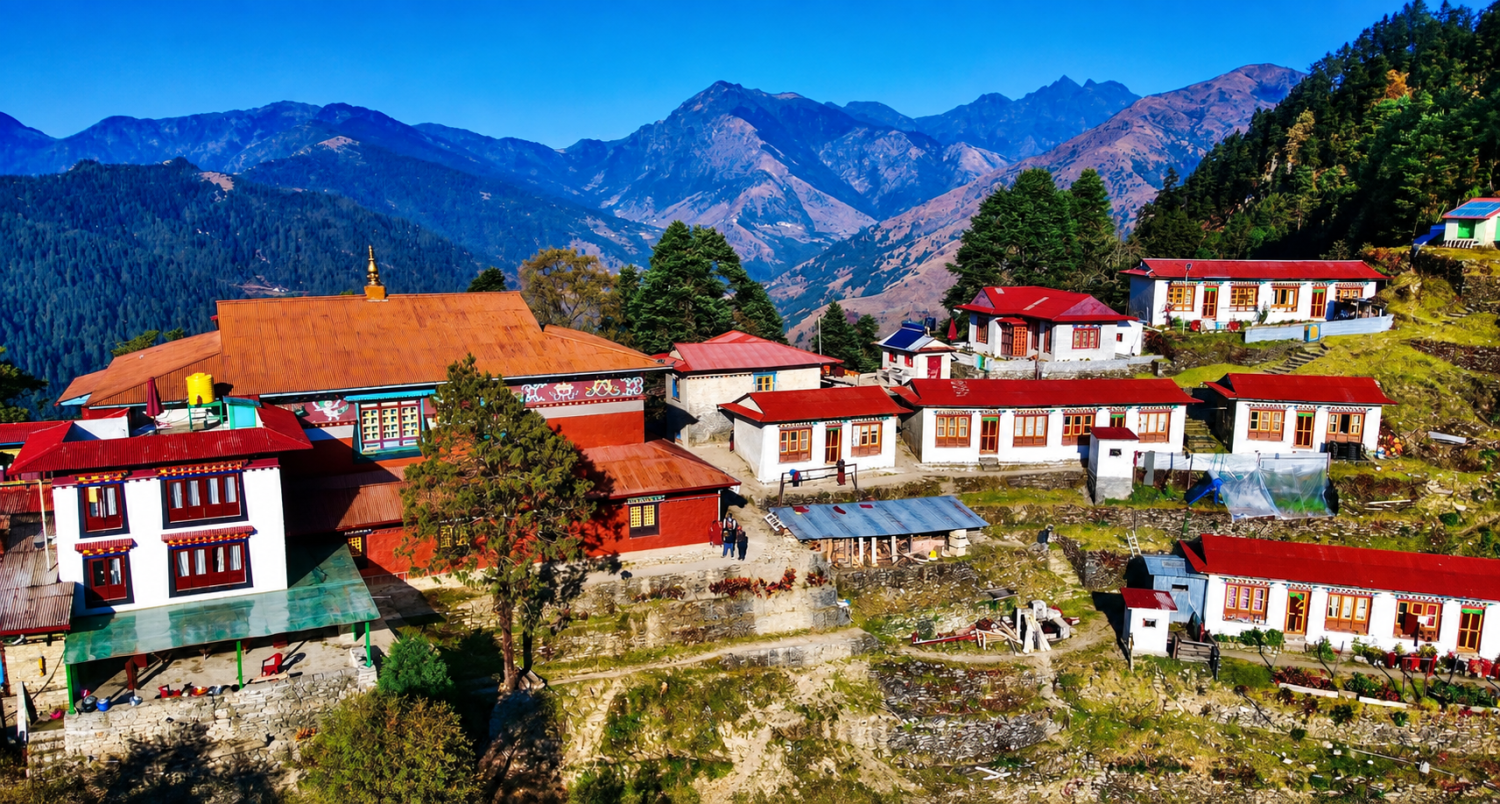
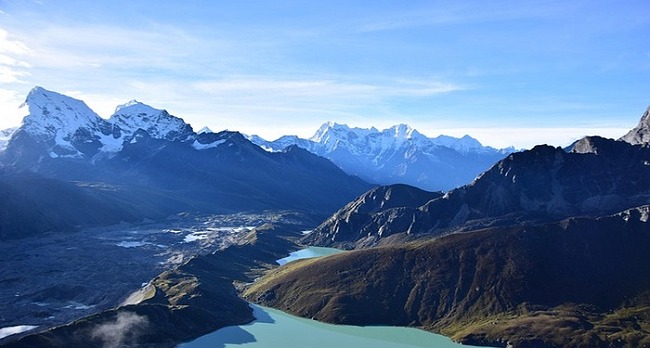
Far from the busy trails and crowded teahouses of the Everest Base Camp route lies a quieter and deeply rewarding corner of the Himalayas. Solu Village Cultural Trek takes travelers into the southern part of Solukhumbu, a region of green hills, traditional Sherpa settlements, ancient monasteries, terraced farmland, sacred landscapes, and spectacular Himalayan panoramas.
While the Khumbu region is internationally famous for Mount Everest and its high-altitude trekking routes, Solu reveals a different side of Sherpa country. Here, mountain culture is not presented simply as something for visitors to observe. It remains part of everyday life. Farmers continue to cultivate traditional crops, families maintain Buddhist shrines inside their homes, monasteries remain active centers of learning and prayer, and village festivals bring communities together according to long-established customs.
The journey is particularly appealing to travelers who want to understand the people and culture of the Himalayas rather than simply reach a famous mountain viewpoint. Trails pass through forests of pine, fir, rhododendron, and oak before opening toward ridges with views of Everest, Numbur, Karyolung, and numerous other Himalayan peaks.
Organized by Himalayan Adventure Intl Treks, the Solu Village Cultural Trek combines nature, history, spirituality, village hospitality, and mountain scenery into a meaningful Himalayan experience.
Solu is often overshadowed by the better-known Everest region, but that is precisely what makes it so attractive.
The southern Solukhumbu landscape is less commercialized than the main Khumbu trekking corridor. Instead of encountering a continuous chain of busy trekking lodges, travelers move between traditional settlements where agriculture, animal husbandry, trade, religious practice, and community life continue to shape the local economy.
The route also generally remains at moderate elevations compared with high Himalayan adventures. This allows trekkers to concentrate on cultural exploration and the surrounding landscape without making extreme altitude the central challenge of the journey.
Another important attraction is the diversity of communities encountered along the trail. Although Solu is strongly associated with the Sherpas, the wider region is home to Rai, Tamang, Magar, Brahmin, Chhetri, and other Himalayan and hill communities. Their languages, customs, architecture, religious traditions, clothing, and agricultural practices contribute to the cultural richness of the journey.
For photographers, hikers, cultural travelers, and people seeking quieter Himalayan trails, Solu offers an exceptional alternative to the busiest trekking routes.
The story of the Sherpa people extends far beyond Everest. Their history, migration, religious traditions, and settlement patterns are deeply connected with the valleys and hills of Solukhumbu.
As you walk between villages, the landscape becomes a kind of open-air cultural archive. Mani walls line sections of the trail, prayer flags flutter above bridges and ridges, chortens stand at important points along the route, and monasteries rise above forests and settlements.
The journey encourages travelers to appreciate that Sherpa culture is not defined solely by mountaineering. Before the international fame of Everest, Sherpa communities developed sophisticated agricultural, trading, religious, and social systems adapted to the challenging Himalayan environment.
One of the most memorable aspects of a Solu cultural trek is the opportunity to visit active Buddhist monasteries.
Thupten Chholing is among the most significant spiritual centers in the Solu region. Surrounded by forest and mountains, the monastery provides a peaceful environment for meditation, prayer, study, and retreat.
The monastery is associated with the Nyingma tradition of Tibetan Buddhism and has become an important center for monks and nuns. Visitors may encounter the sound of chanting, the smell of incense, prayer wheels, butter lamps, and the quiet rhythm of monastic life.
The experience is very different from visiting a monument that exists only for tourists. Thupten Chholing remains a functioning religious institution, and travelers should approach the monastery respectfully, observing local customs and following guidance from their trekking staff.
Perched above the Dudh Koshi valley, Chiwong Monastery occupies an impressive Himalayan setting. Its location combines dramatic scenery with a strong sense of spiritual isolation.
The monastery is also associated with Mani Rimdu, one of the most important Buddhist celebrations in the Sherpa region. During the festival period, monks perform sacred dances wearing elaborate masks and costumes. These performances communicate Buddhist teachings through symbolic movements, characters, music, and ritual.
For travelers fortunate enough to visit during an appropriate festival period, the experience can provide a fascinating insight into the religious traditions of the region.
Other monasteries throughout Solu demonstrate the continuing importance of Buddhist education. Some combine traditional religious instruction with modern subjects, reflecting the changing needs of Himalayan communities.
Serlo Monastery, in the Junbesi area, is another significant religious and educational center. Its comparatively secluded setting provides visitors with an opportunity to experience a quieter side of Himalayan Buddhism.
Depending on the itinerary, local conditions, monastery schedules, and community access, Himalayan Adventure Intl Treks can incorporate visits to appropriate cultural sites.
The real cultural value of the trek is often found away from the major monasteries.
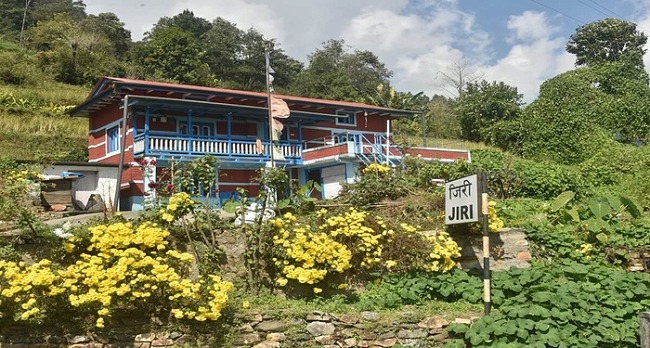
A typical village morning may begin with smoke rising from household kitchens, animals being taken toward agricultural fields, children walking to school, and families preparing for another day of work. Terraced fields surround settlements, while traditional houses stand alongside newer buildings that reflect changing lifestyles.
Inside many homes, Buddhist altars occupy an important place. Butter lamps, religious texts, images of Buddhist teachers, ritual objects, and family photographs can preserve generations of spiritual and family history.
Food also tells an important story.
Local households may prepare foods from potatoes, buckwheat, barley, maize, vegetables, milk, and other crops suited to the Himalayan environment. Chhurpi, a traditional dried cheese, can be stored for long periods, making it particularly useful during winter. Fermented and preserved foods likewise demonstrate how communities developed methods of storing nourishment through long and demanding seasons.
A homestay can make these experiences even more meaningful. Rather than simply observing village life from a trail, travelers can share a meal, sit around a traditional stove, speak with family members, and gain a better understanding of Himalayan hospitality.
For local communities, mountains and forests are not merely scenic attractions.
The landscape is closely connected with religious beliefs and stories. Certain mountains are regarded as sacred abodes of protective deities, while lakes, forests, passes, caves, and springs can carry spiritual significance.
Along the trail, travelers encounter mani stones and mani walls carved with Buddhist prayers. Traditionally, these structures are passed on the left so that they remain on the traveler's right while walking in a clockwise direction.
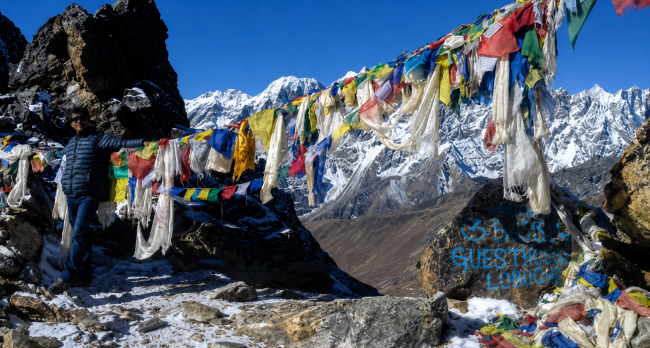
Colorful prayer flags are another familiar feature. Their printed prayers and sacred symbols are traditionally believed to spread blessings with the movement of the wind. Chortens and stupas mark religious sites, village entrances, trail junctions, and other significant locations.
These details make walking through Solu different from simply hiking through a mountain landscape. The physical environment and spiritual world are closely connected.
Festival periods can add another dimension to the Solu Village Cultural Trek.
Dashain and Tihar are among Nepal's major annual celebrations, bringing families together through blessings, rituals, food, music, lights, and community gatherings. In villages, these celebrations can have a particularly intimate character.
Buddhist communities also observe their own religious calendars. Mani Rimdu, for example, features sacred masked dances, prayer ceremonies, offerings, and elaborate rituals. Dates vary according to the Tibetan lunar calendar, so travelers interested in attending a particular festival should plan according to the local calendar rather than relying on fixed Gregorian dates.
Autumn is also a fascinating period for observing village life because families are preparing for winter. Crops are harvested, food is stored, houses are repaired, and communities work together to prepare for colder months.
Traditional clothing becomes particularly visible during important celebrations. Jewelry, distinctive textiles, ceremonial garments, and family heirlooms may be brought out for special occasions, offering photographers and cultural travelers an opportunity to appreciate the artistic traditions of the region.
Solu also provides access to several beautiful trekking possibilities.
The Pike region is one of the most celebrated lower-altitude viewpoints in Solukhumbu. The trek traditionally passes through villages and forests before reaching the high ridge of Pike Danda.
From the summit area, trekkers can enjoy expansive views toward Everest and numerous surrounding peaks. The route also provides an excellent combination of mountain scenery and cultural encounters.
For travelers interested in sacred Himalayan landscapes, Dudh Kunda is another remarkable destination.
Located beneath the sacred Numbur mountain range, the lake is regarded as a spiritually important site by local communities. Pilgrims traditionally visit the lake during religious occasions, while trekkers are attracted by its remote setting and spectacular mountain environment.
The route involves several days of walking and requires suitable preparation, especially because facilities become limited in the more remote sections.
More adventurous trekkers can explore routes connecting Solukhumbu with remote valleys such as Hinku and Hongu. Some journeys eventually connect toward the Rolwaling region through technically demanding high passes.
These routes are not suitable for ordinary cultural trekkers. High-altitude passes, glaciers, changing weather, navigation challenges, and technical terrain require experienced guides, proper equipment, strong acclimatization, and appropriate mountaineering skills.
Himalayan Adventure Intl Treks recommends that such routes be undertaken only by properly prepared and experienced trekking teams.
The Solu region offers impressive ecological diversity.
Lower sections of the journey may pass through warm forests and cultivated hillsides. As the trail climbs, vegetation changes to pine, fir, rhododendron, juniper, and alpine grasslands.
Spring is especially beautiful when rhododendrons bloom across the hillsides. Birds are abundant in forested areas, while the changing vegetation provides an excellent introduction to the ecological transition between Nepal's middle hills and the high Himalayas.
The combination of forest, farmland, rivers, mountain ridges, and alpine environments makes Solu particularly rewarding for nature lovers.
Spring offers pleasant trekking conditions and colorful rhododendron forests. Mountain visibility is often good in the mornings, although clouds can increase later in the season.
Autumn is generally considered one of the best periods for Himalayan trekking. The weather is usually stable, skies are clearer, and mountain views can be spectacular.
The post-monsoon landscape is also clean and vibrant, while village communities become busy with harvest and winter preparation.
Winter brings colder conditions but also exceptional solitude. Higher sections can receive snow, so appropriate clothing, equipment, and itinerary flexibility are essential.
The monsoon produces lush vegetation and dramatic greenery but can also bring rain, slippery trails, clouds, and reduced mountain visibility. Travelers choosing this season should expect changing conditions.
Accommodation on a Solu cultural itinerary varies according to the route.
Traditional teahouses provide simple rooms, communal dining areas, local meals, and the warmth of a stove during colder evenings.
Homestays offer a deeper connection with village life. Staying with a local family can provide insight into food preparation, household traditions, agriculture, religious customs, and daily routines.
In some locations, monastery accommodation may also be possible. Facilities are generally simple, but the experience can be exceptionally memorable, particularly when evening prayers or morning chanting form part of the surrounding atmosphere.
Himalayan Adventure Intl Treks carefully selects accommodation according to cleanliness, safety, hospitality, location, and the character of the local experience.
The Solu Village Cultural Trek is generally more moderate than extremely high-altitude Himalayan adventures, but it should not be underestimated.
Trekkers should expect several hours of walking on most days, including ascents and descents over uneven trails. Regular walking, hiking, stair climbing, and cardiovascular exercise before departure can significantly improve comfort and endurance.
The greatest reward comes when you have enough energy at the end of the day to explore the village, talk with local people, visit a monastery, or simply enjoy the Himalayan sunset.
Cultural trekking requires sensitivity.
Ask permission before photographing people, particularly monks, elderly residents, children, and religious ceremonies. Dress respectfully around monasteries and religious sites, avoid touching sacred objects without permission, and follow local instructions concerning photography and participation in rituals.
Travelers can also contribute positively by choosing local accommodation, purchasing locally produced crafts, eating local food, and respecting village environments.
Responsible tourism helps ensure that cultural tourism strengthens communities rather than replacing their traditions.
At Himalayan Adventure Intl Treks, we believe a Himalayan journey should involve more than reaching a destination.
Our Solu Village Cultural Trek is designed to connect travelers with landscapes, communities, history, spirituality, and everyday Himalayan life. Our local trekking staff help travelers understand cultural customs, communicate with villagers, visit monasteries respectfully, and move safely through changing mountain environments.
We also understand that every traveler has different interests. Some guests may be fascinated by Buddhist monasteries, others by photography, traditional architecture, village life, mountain scenery, or remote trails. The itinerary can therefore be thoughtfully designed around the character of the group and seasonal conditions.
The Solu Village Cultural Trek offers something increasingly rare in modern travel: the opportunity to slow down.
Here, the mountains are not simply a backdrop for photographs. They are part of people's identity. The monasteries are not museums. They remain places of prayer and learning. The trails are not merely routes between attractions. They are pathways connecting villages, families, farms, forests, sacred places, and generations of Himalayan history.
Walking through Solu allows travelers to encounter a side of Nepal that many visitors never see. You can share tea with a local family, walk through rhododendron forests, listen to monastery prayers, cross ancient stone paths, explore traditional villages, and watch the Himalayan peaks change color at sunset.
For travelers seeking a meaningful alternative to the crowded routes of the Everest region, Solu Village Cultural Trek with Himalayan Adventure Intl Treks offers an unforgettable journey into the cultural and natural heart of southern Solukhumbu.
Come not only to see the Himalayas, but to understand the people, traditions, spirituality, and landscapes that have shaped life here for generations.
Welcome to Nepal and Kathmandu, the vibrant capital city nestled in the Kathmandu Valley. Upon your arrival at Tribhuvan International Airport, a representative from Himalayan Adventure Intl Treks will meet you and provide a warm welcome. You will then be transferred comfortably to your hotel.
After checking in and settling into your room, you will have time to relax and recover from your journey. Depending on your arrival time, you may explore the nearby streets, visit a local café, or simply enjoy a peaceful evening at the hotel.
Later, our trekking team will provide a detailed briefing about the upcoming journey. We will discuss the itinerary, trekking conditions, transportation arrangements, essential preparations, and general safety guidelines. We will also make sure that your trekking equipment and other arrangements are ready before departure.
Overnight at a hotel in Kathmandu.
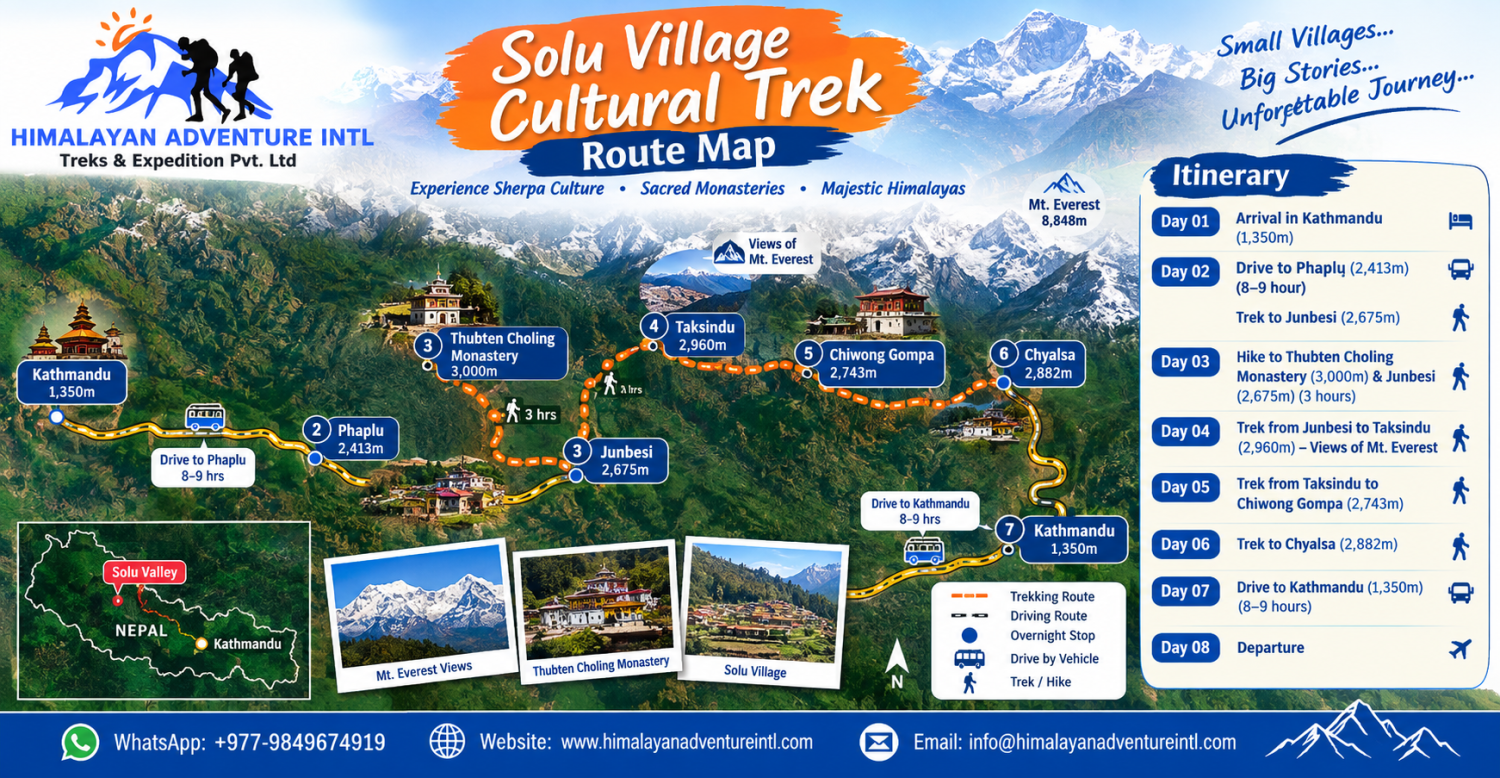
After an early breakfast, we begin our scenic overland journey from Kathmandu toward Phaplu. The drive gradually leaves the busy Kathmandu Valley behind and follows winding mountain roads through the beautiful landscapes of central and eastern Nepal.
Along the way, you will pass through rolling green hills, terraced farmland, rushing rivers, traditional villages, forests, and hillside settlements. The changing scenery provides an excellent introduction to the rural landscapes of Nepal and the Himalayan foothills.
The road journey takes approximately 8–9 hours, depending on road and traffic conditions. We will make suitable stops along the way for refreshments, meals, photographs, and short breaks.
By late afternoon or evening, we arrive at Phaplu, an important gateway to the Solukhumbu region. After checking into the local lodge, you can relax and prepare for the beginning of your trek.
Overnight in Phaplu.
Today marks the beginning of our trekking adventure. After breakfast, we set out from Phaplu and follow a scenic trail toward the beautiful Sherpa settlement of Junbesi.
The trail passes through peaceful forests, mountain landscapes, small settlements, and traditional farming areas. As we walk deeper into the Solukhumbu region, the surroundings become increasingly peaceful and distinctly Himalayan.
Junbesi is one of the most attractive and culturally significant villages in the area. Surrounded by forests and mountains, the village is home to the Sherpa community and offers an excellent opportunity to experience local Himalayan culture and hospitality.
Upon arrival, we settle into our lodge and have time to explore the village. You can stroll through the traditional streets, observe local architecture, and enjoy the magnificent mountain surroundings.
Overnight in Junbesi.
Today we take a rewarding excursion to Thubten Choling Monastery, one of the important Buddhist spiritual centers in the Junbesi area. The hike takes us through peaceful surroundings and offers beautiful views of the surrounding hills and forests.
The monastery provides a wonderful opportunity to learn about Tibetan Buddhist traditions and the spiritual heritage of the Sherpa people. The tranquil atmosphere, prayer flags, traditional architecture, and surrounding Himalayan landscape create a memorable cultural experience.
After spending time exploring the monastery and appreciating its peaceful surroundings, we return to Junbesi. The remainder of the afternoon is free to relax or explore the village at your own pace.
Overnight in Junbesi.
After breakfast, we continue our journey toward Taksindu. Today's trail takes us through beautiful forests, mountain ridges, small settlements, and peaceful rural landscapes.
The route provides an opportunity to experience the natural beauty and traditional lifestyle of the Solukhumbu region. Depending on weather and visibility, you may enjoy impressive views of surrounding Himalayan peaks.
As we approach Taksindu, the landscape opens up and the mountain atmosphere becomes increasingly spectacular. Taksindu is also known for its Buddhist heritage and scenic location.
After reaching the village, we check into our lodge and have time to rest and enjoy the surrounding views.
Overnight in Taksindu.
Today we continue our trek through the peaceful landscapes of Solukhumbu toward Chiwong Gompa. The trail passes through forests, hillside paths, rural communities, and scenic mountain terrain.
Chiwong is particularly interesting for travelers wishing to experience the cultural and spiritual character of the region. The surrounding area offers a peaceful atmosphere away from the busier trekking routes.
We take time to appreciate the monastery, local environment, and spectacular Himalayan scenery. The combination of natural beauty and Buddhist culture makes this section of the journey especially rewarding.
After exploring the area, we settle into our accommodation and enjoy a relaxing evening surrounded by the tranquil Himalayan landscape.
Overnight near Chiwong Gompa.
Our final trekking day takes us toward Chyalsa through scenic Himalayan terrain. The trail leads through forests, rural landscapes, traditional settlements, and mountain paths, allowing us to enjoy one last opportunity to experience the peaceful countryside of Solukhumbu.
As we walk, we can appreciate the region's natural environment and the traditional lifestyle of local communities. The changing landscapes and mountain views provide excellent opportunities for photographs and memorable moments.
Upon reaching Chyalsa, we complete the trekking portion of our adventure. We have time to relax, reflect on the journey, and enjoy the peaceful surroundings.
Overnight in Chyalsa.
After breakfast, we begin our return journey to Kathmandu. The drive takes us back through the scenic hills, valleys, villages, forests, terraced farmland, and river landscapes that we experienced on our way toward Solukhumbu.
Although the journey is long, the changing scenery provides a final opportunity to appreciate the diverse landscapes of Nepal.
After approximately 8–9 hours, we arrive in Kathmandu and transfer to your hotel. The remainder of the evening is free for relaxation, shopping, sightseeing, or enjoying a farewell dinner.
Overnight at a hotel in Kathmandu.
Today marks the conclusion of your memorable journey through the Himalayan foothills and cultural landscapes of Solukhumbu. Depending on your flight schedule, you will have some free time in Kathmandu for last-minute shopping or relaxation.
Our representative will transfer you to Tribhuvan International Airport in time for your onward flight. We hope you leave Nepal with wonderful memories of the mountains, monasteries, villages, landscapes, and warm hospitality you experienced during your journey.
Thank you for choosing Himalayan Adventure Intl Treks. We look forward to welcoming you again for another unforgettable adventure in Nepal.
Best regards,
Himalayan Adventure Intl Treks
Kathmandu, Nepal