
Have Questions? Talk to Expert (Binod)
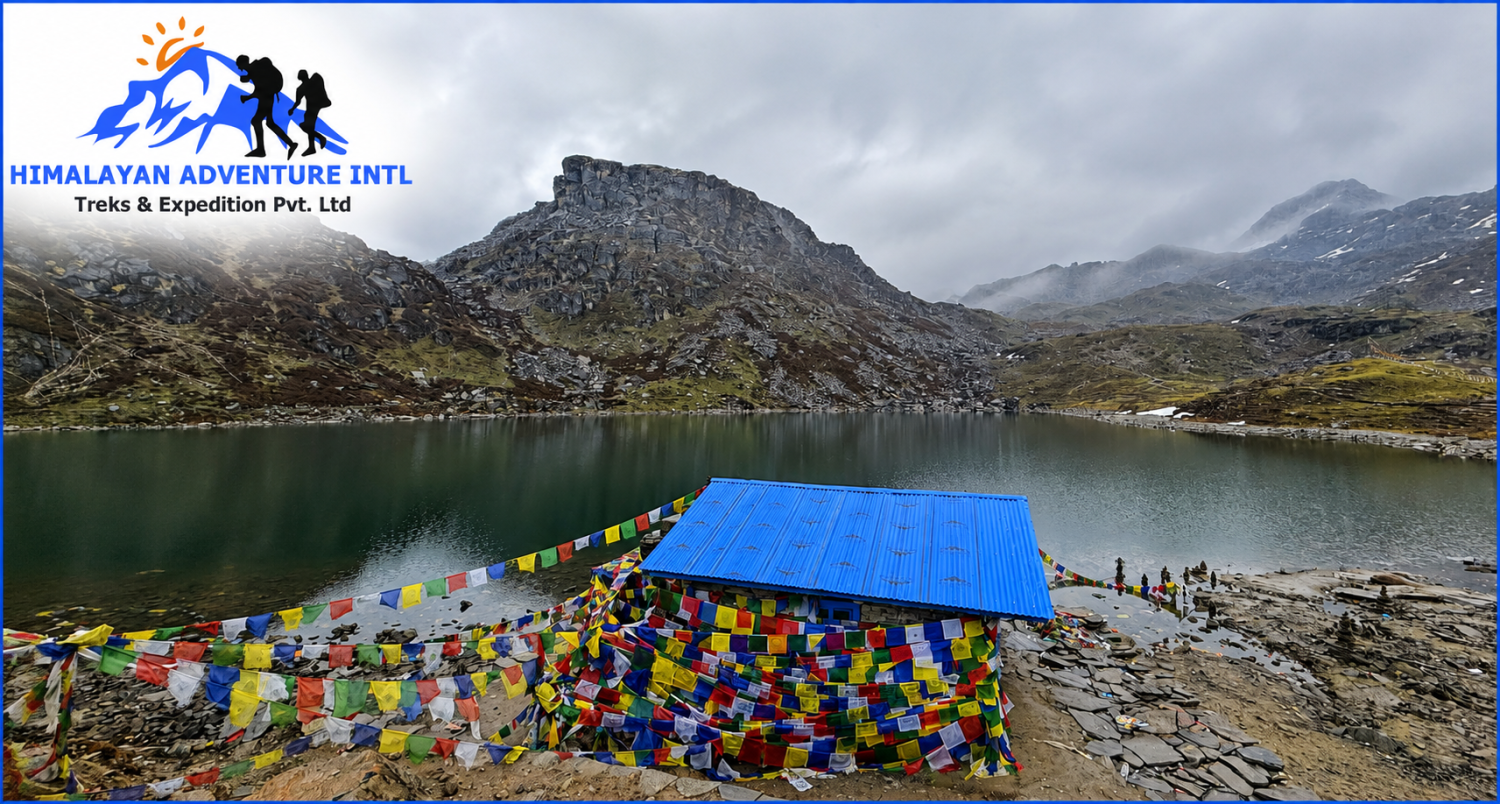
The Bhairav Kunda Trek is a beautiful short Himalayan journey that combines spirituality, mountain scenery, traditional village life, and adventure. Located in the Sindhupalchowk district of Nepal, Bhairav Kunda is a sacred alpine lake situated at an elevation of approximately 4,250 meters above sea level.
Dedicated to Lord Bhairav, a fierce manifestation of Lord Shiva, the lake is an important pilgrimage destination for Hindu devotees. The surrounding Himalayan landscape is also culturally significant to Buddhist communities living in the region. During major religious occasions, particularly Janai Purnima, pilgrims travel to Bhairav Kunda to perform religious rituals and bathe in the sacred waters.
Beyond its religious importance, Bhairav Kunda is an excellent destination for trekkers who want to experience a quieter side of the Nepal Himalayas. The trail leads through green hills, forests, terraced fields, traditional settlements, alpine landscapes, and rugged mountain terrain before reaching the sacred lake.
Unlike the heavily traveled Everest Base Camp or Annapurna trekking routes, Bhairav Kunda remains comparatively peaceful. This makes it particularly attractive to travelers who want a combination of nature, culture, spirituality, and off-the-beaten-path adventure.
At Himalayan Adventure Intl Treks, we organize Bhairav Kunda Trek packages for travelers seeking an authentic Himalayan experience. Depending on your available time and interests, the journey can be arranged as a short private trek, a cultural pilgrimage, a weekend adventure, or a customized trekking experience.
| Trek Feature | Details |
|---|---|
| Destination | Bhairav Kunda |
| Country | Nepal |
| District | Sindhupalchowk |
| Approx. altitude | 4,250 meters |
| Trek type | Short trek, pilgrimage and cultural adventure |
| Difficulty | Moderate to challenging |
| Best seasons | Spring and autumn |
| Main attraction | Sacred Bhairav Kunda Lake |
| Nearby region | Langtang and Rolwaling Himalayan landscape |
| Main communities | Tamang and Sherpa |
| Accommodation | Homestays and basic trekking accommodation |
| Starting point | Road-accessible trailhead |
| Suitable for | Fit trekkers, pilgrims, nature lovers and adventure travelers |
Bhairav Kunda lies in Sindhupalchowk district, northeast of Kathmandu. Its location makes it a convenient destination for travelers who want to escape Kathmandu and reach a genuine high-altitude Himalayan environment without spending several weeks on a long trekking expedition.
The region is characterized by steep hills, mountain valleys, forests, traditional settlements, and high Himalayan landscapes. As the trail gains elevation, the scenery gradually changes from cultivated hills and forests to more open alpine terrain.
Bhairav Kunda is situated close to the Himalayan areas associated with the Langtang, Jugal, and Rolwaling ranges. On clear days, trekkers can enjoy impressive mountain panoramas, making the journey especially rewarding for photographers and nature enthusiasts.
The trek also provides opportunities to encounter the traditional lifestyles of local Tamang and Sherpa communities. Visitors can experience village hospitality, local food, mountain culture, and religious traditions that remain an important part of everyday life.
Although the destination is accessible from Kathmandu, its remote mountain setting gives travelers the feeling of entering a very different world.
The name Bhairav Kunda is closely associated with Lord Bhairav, one of the fierce manifestations of Lord Shiva in Hindu tradition.
For Hindu pilgrims, the lake is a sacred destination where religious devotion and the natural Himalayan environment come together. Pilgrims traditionally visit the lake for worship and ritual bathing, especially during Janai Purnima, an important full-moon festival.
The sacred lake is surrounded by a peaceful mountain environment, with prayer flags and religious activity adding to its distinctive atmosphere.
The destination also lies within a culturally rich region where Hindu and Buddhist traditions coexist. Travelers can observe religious symbols, monasteries, shrines, prayer flags, traditional practices, and local beliefs during the journey.
For this reason, Bhairav Kunda should be approached not simply as a trekking destination but as a living cultural and spiritual landscape.
Visitors should be respectful when taking photographs, especially during religious ceremonies. Asking permission before photographing local people or religious activities is always recommended.
There are many reasons to choose Bhairav Kunda instead of a more established trekking route.
The primary attraction is the opportunity to reach a beautiful high-altitude lake with strong religious significance.
The physical journey toward the lake becomes part of the spiritual experience, particularly for pilgrims.
Not everyone has enough time for a two- or three-week Himalayan expedition.
Bhairav Kunda provides an opportunity to experience high-altitude trekking within a considerably shorter itinerary.
Travelers based in Kathmandu can escape the city and reach a mountain environment within a relatively short period.
If you prefer peaceful trails rather than busy trekking routes, Bhairav Kunda is an excellent option.
The route generally sees fewer international trekkers than Everest Base Camp, Annapurna Base Camp, or the Annapurna Circuit.
This quieter atmosphere allows travelers to appreciate nature, local culture, and mountain scenery at a slower pace.
The trek passes through villages inhabited by Tamang and Sherpa communities.
Staying in local accommodation and interacting respectfully with residents provides an opportunity to experience Nepali mountain culture beyond the major tourist centers.
The region provides impressive views toward surrounding Himalayan peaks.
Depending on weather and visibility, trekkers may see Langtang Lirung, Dorje Lakpa, Jugal Himal, Gaurishankar, Melungtse, and other mountain landscapes.
Bhairav Kunda combines two major elements: a sacred pilgrimage destination and a high-altitude natural environment.
This combination makes the trek particularly distinctive.
The major highlights of the Bhairav Kunda Trek include:
The Bhairav Kunda journey begins with a road trip from Kathmandu toward the trekking area of Sindhupalchowk.
The drive takes travelers away from the busy Kathmandu Valley and into rural mountain landscapes. Along the route, you can observe terraced farms, villages, rivers, forests, and steep Himalayan hills.
Depending on the selected itinerary and road conditions, the vehicle reaches the designated trail access point.
From there, the trekking section begins.
The trail climbs gradually through forests and mountain terrain. As the altitude increases, the landscape becomes increasingly alpine.
The final uphill section can be physically demanding because of the elevation and steepness.
After reaching Bhairav Kunda, trekkers have time to enjoy the sacred lake and surrounding mountains before descending.
The return journey generally follows the trail back toward the roadhead, followed by transportation toward Kathmandu.
Because mountain roads and trail conditions can change according to season, the exact route and transportation schedule may be adjusted by our trekking team when necessary.
A short Bhairav Kunda itinerary can be completed in approximately two days, while travelers with more time can select a longer and slower program.
Your Bhairav Kunda adventure begins early in the morning in Kathmandu.
After breakfast, your guide and transportation team meet you and begin the drive toward Sindhupalchowk.
The journey offers changing scenery as the urban environment gives way to rural villages and mountain landscapes.
A lunch stop can be arranged along the route.
Continue toward the selected overnight village and check into a local homestay or basic mountain accommodation.
The evening can be spent relaxing and learning about local life.
Enjoy a traditional Nepali dinner and prepare for the following day's hike.
Overnight: Local homestay
Meals: Lunch and dinner
Wake early and have breakfast before continuing toward the trekking trailhead by vehicle.
The hike begins from the road-accessible area.
The trail climbs through forests and mountain terrain toward Bhairav Kunda.
Because the lake lies at approximately 4,250 meters, maintaining a comfortable pace is important.
After several hours of walking, the sacred lake gradually comes into view.
Take time to explore the surroundings, enjoy the Himalayan panorama, observe the prayer flags, and experience the peaceful atmosphere.
Pilgrims may be present depending on the season and religious calendar.
After spending time at Bhairav Kunda, begin the descent toward the roadhead.
Continue by vehicle toward Kathmandu.
Depending on traffic, road conditions, and the selected itinerary, arrival in Kathmandu may be later in the afternoon or evening.
Meals: Breakfast and lunch
The best periods for the Bhairav Kunda Trek are generally spring and autumn.
These seasons offer favorable weather, better visibility, and more comfortable trekking conditions.
Spring is one of the most beautiful times to visit the region.
The forests become green and colorful, and rhododendrons may bloom across the hills.
The combination of flowers, forests, mountain views, and pleasant daytime temperatures makes spring ideal for nature lovers and photographers.
March can still be relatively cool at higher elevations, while April and May gradually become warmer.
Autumn is traditionally one of Nepal's best trekking seasons.
Following the monsoon, mountain visibility is often excellent.
The skies can be clear, the air crisp, and the surrounding Himalayan peaks spectacular.
September can still receive occasional rain, while October and November generally offer more stable trekking conditions.
The monsoon season brings substantial rainfall to many parts of Nepal.
Trails can become muddy and slippery, and road journeys may be affected by landslides or poor conditions.
Clouds can also obscure mountain views.
Al