
Have Questions? Talk to Expert (Binod)
The Baraha Pokhari Trek is one of Nepal's beautiful lesser-known camping adventures, designed for travelers who want to experience peaceful mountain landscapes, rhododendron forests, traditional villages, sacred lakes, and spectacular Himalayan views away from the crowds of Nepal's famous trekking routes.
Located in the northern part of Lamjung District, Baraha Pokhari is a sacred highland lake surrounded by forests, rolling ridges, green hills, and magnificent mountain scenery. The destination has strong religious and cultural importance for local communities, while its remote location makes it especially attractive to trekkers looking for an authentic Himalayan experience.
Unlike popular trekking routes such as the Annapurna Circuit, Annapurna Base Camp, or Everest Base Camp, the Baraha Pokhari trail remains comparatively quiet and less developed. There are limited lodges and teahouses along the upper trail, so the trek is primarily organized as a camping trek with tents, a trekking crew, cooks, guides, and porters.
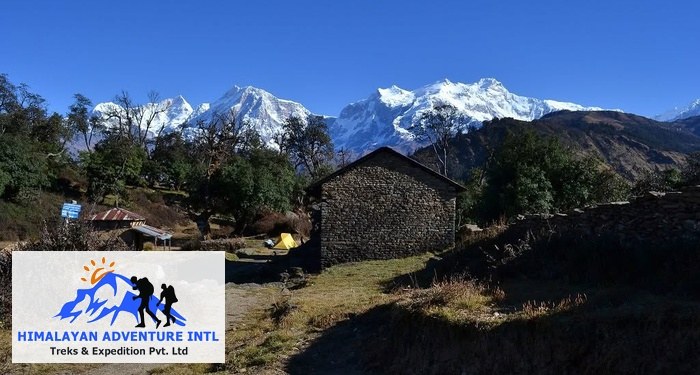
The lake and surrounding landscapes are particularly beautiful during spring when rhododendron forests burst into color. On clear days, trekkers can enjoy impressive views toward Lamjung Himal, Annapurna II, Machapuchare (Fishtail), Himalchuli, Manaslu and other Himalayan peaks. The route also passes through rural settlements and scenic ridges where you can observe traditional lifestyles and enjoy the warm hospitality of local communities.
At Himalayan Adventure Intl Treks, we organize Baraha Pokhari Trek packages for private groups, couples, families, solo travelers, and customized groups. Our camping arrangements are designed to make this remote trek comfortable while preserving the natural and cultural character of the destination.
Himalayan Adventure Intl Treks is pleased to announce that bookings for the Baraha Pokhari Trek in Nepal are open for upcoming trekking seasons.
Because Baraha Pokhari is a remote camping destination, advance planning is important. Unlike established teahouse trekking routes, the trail has limited infrastructure, so our team needs to organize camping equipment, kitchen supplies, food, transportation, trekking staff, permits or local registrations where applicable, and other logistics before departure.
We welcome:
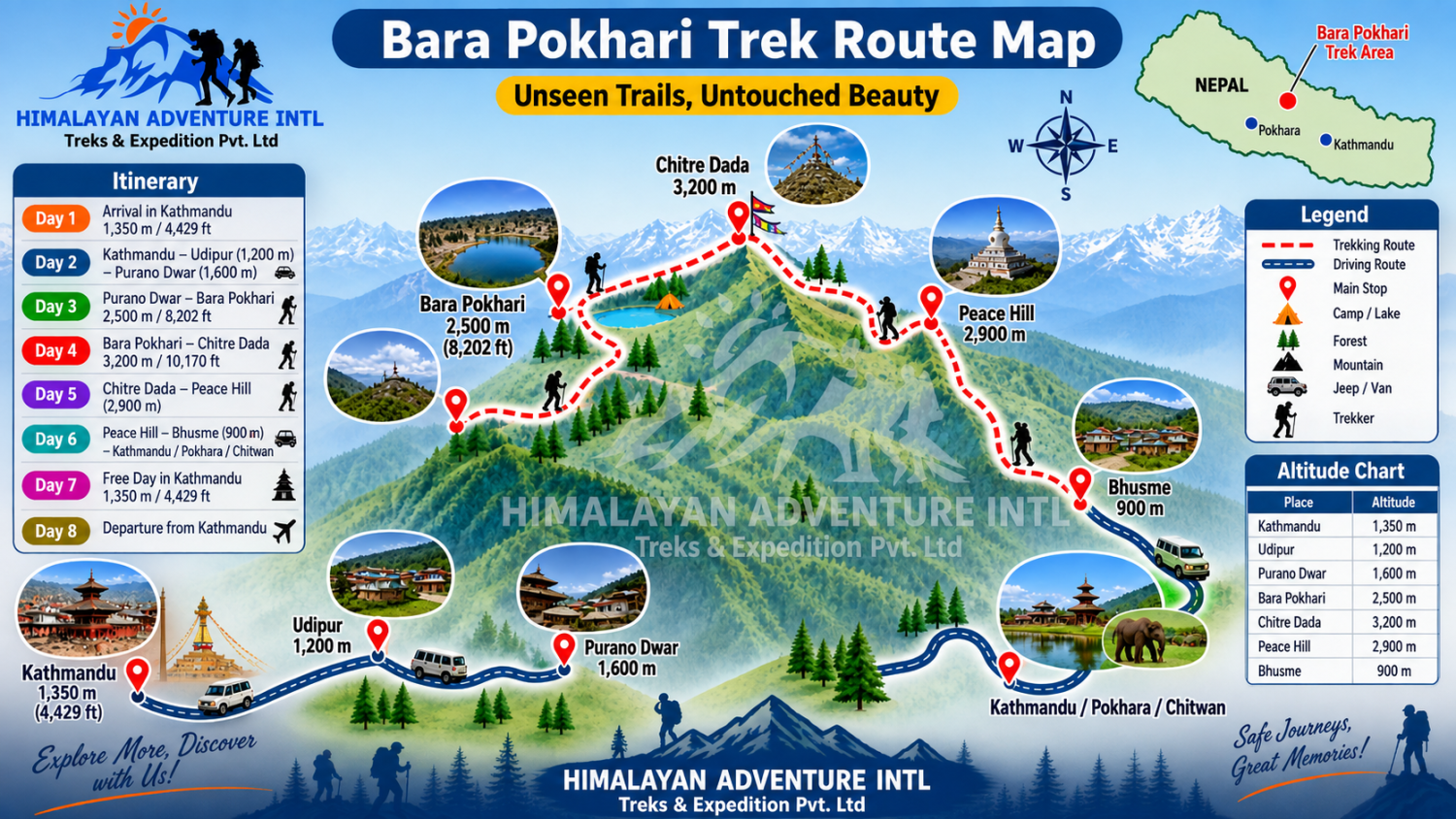
The standard package is designed around an 8-day Kathmandu-to-Kathmandu itinerary, but the route can be customized depending on your walking experience, available holiday time, transportation preference, and interest in exploring additional areas of Lamjung.
For a remote trek like Baraha Pokhari, choosing an experienced local trekking agency is especially valuable. Our guides understand the local trail conditions and can coordinate camping, food, water, transportation, and communication with communities along the route.
Baraha Pokhari is ideal for travelers who want something different from Nepal's busiest trekking trails.
The Baraha Pokhari route is much quieter than the Annapurna Circuit or Everest Base Camp trails. You can enjoy forests, ridges, villages, mountain views, and the lake without the large crowds found on popular routes.
The lake has religious importance for local communities. The name Baraha is associated with Varaha, an incarnation of Lord Vishnu in Hindu tradition. Local pilgrims visit the area during religious occasions and festivals.
Spring is one of the most beautiful periods to visit. Rhododendron trees bloom along sections of the trail, adding bright colors to the forests and making the trek particularly attractive for photographers.
Clear weather can reveal impressive Himalayan scenery, including Lamjung Himal, Annapurna II, Machapuchare, Himalchuli, Manaslu and other surrounding peaks.
The trek passes through rural settlements where visitors can observe traditional farming, village homes, local customs, food, and everyday life.
For travelers who enjoy genuine wilderness experiences, camping is one of the highlights. Nights in tents surrounded by quiet forests and mountain landscapes create an experience that is very different from staying in busy mountain lodges.
The wider Lamjung-Gorkha highland region is being promoted for new trekking routes connecting areas around the Annapurna and Manaslu regions. Recent reports describe routes around Lipe-Baraha Pokhari as emerging trekking destinations with strong natural and cultural potential.
| Category | Details |
|---|---|
| Destination | Baraha Pokhari, Lamjung, Nepal |
| Duration | 8 Days |
| Trek Type | Camping / Wilderness Trek |
| Difficulty | Moderate |
| Approx. Lake Elevation | Around 3,100–3,200 m |
| Highest Trekking Point | Around 3,200 m on the standard short route |
| Starting Point | Kathmandu |
| Ending Point | Kathmandu |
| Accommodation | Hotel and Tented Camp |
| Meals | Breakfast, Lunch and Dinner |
| Best Seasons | Spring and Autumn |
| Transportation | Private/local road transportation |
| Main Attraction | Sacred Baraha Pokhari |
| Mountain Views | Lamjung Himal, Annapurna II, Machapuchare, Himalchuli, Manaslu and surrounding peaks |
| Trek Style | Guided private camping trek |
Elevation information varies between route descriptions and newer local reporting, so our final itinerary is confirmed according to the actual trail and current local conditions before departure.
The central attraction of this trek is Baraha Pokhari, a peaceful mountain lake surrounded by forested hills and high ridges.
The lake is regarded as a sacred place by local people, and religious gatherings take place around the area at particular times of the year. Local beliefs connect the name Baraha with the Hindu deity Varaha, an incarnation of Lord Vishnu.
The spiritual character of the lake is one of the reasons the destination is different from an ordinary mountain viewpoint. Visitors are encouraged to approach the lake respectfully, avoid littering, and follow local customs.
The landscape around Baraha Pokhari changes dramatically with the seasons. During spring, rhododendrons add color to the forest. During autumn, the atmosphere is generally clearer after the monsoon, creating excellent conditions for mountain photography.
The surrounding ridges also provide opportunities to look across the green hills and toward the snow-covered mountains. Recent tourism reporting describes Barahapokhari in Lamjung as an area of natural, cultural, historical and religious significance, with increasing interest from domestic visitors.
Your Baraha Pokhari adventure begins in Kathmandu.
Upon arrival at Tribhuvan International Airport, a representative from Himalayan Adventure Intl Treks will welcome you and transfer you to your hotel.
After check-in, you can relax and recover from your journey. Depending on your arrival time, our trekking team will organize a short briefing.
During the briefing, your guide will explain the route, camping arrangements, walking conditions, safety procedures, food, equipment, and packing requirements.
You can also check your trekking equipment and purchase or rent any remaining items in Kathmandu.
Accommodation: Hotel
Meals: Breakfast, depending on arrival package
Today, we leave Kathmandu and drive toward Lamjung.
The road journey takes you through beautiful countryside, river valleys, hills, terraced farmland, and traditional settlements. We continue toward Udipur and then proceed toward the trekking area.
The final destination for the day is Purano Dwar, a traditional rural settlement at approximately 1,600 meters.
Purano Dwar provides an introduction to the cultural landscape of the Baraha Pokhari region. The surrounding hills, farms, forests, and village houses create a peaceful atmosphere.
Depending on road and local conditions, the exact vehicle access point may vary. Our team confirms the current road condition before departure.
Walking: Approximately 4–6 hours if trekking begins before the village
Accommodation: Tented camp or local accommodation where available
Meals: Breakfast, Lunch and Dinner
After breakfast, we begin walking toward Puwang Dada.
The trail gradually climbs through forests, agricultural areas, and hills. As we gain elevation, the landscape becomes increasingly open and the views become wider.
Puwang Dada is a scenic ridge and an excellent location for enjoying the surrounding landscape. The area is particularly attractive during spring when rhododendron forests are in bloom.
The day's walk is not technical, but there are uphill sections. Walking at a steady pace is important because the following days take us toward higher elevations.
After reaching the campsite, our crew will establish the tents and prepare dinner.
Spend the evening enjoying the peaceful mountain environment.
Walking: Approximately 4–5 hours
Maximum altitude: Around 2,500 m
Accommodation: Tented camp
Meals: Breakfast, Lunch and Dinner
Today is one of the most exciting days of the trek.
We continue climbing through forests and open ridges toward the sacred Baraha Pokhari.
As we approach the lake, the landscape becomes more remote and peaceful. Depending on the season, you may see rhododendron flowers, wild plants, birds, grazing animals, and changing mountain scenery.
After reaching Baraha Pokhari, we establish our campsite near the appropriate camping area.
Take time to explore the lake, enjoy the scenery, and learn from your guide about its religious and cultural importance.
The evening around the lake can be remarkably quiet. If the weather is clear, sunset and the changing colors of the surrounding mountains create excellent photographic opportunities.
Walking: Approximately 5–6 hours
Maximum altitude: Around 3,100–3,200 m
Accommodation: Tented camp
Meals: Breakfast, Lunch and Dinner
Wake up early to enjoy the morning atmosphere around Baraha Pokhari.
After breakfast, we continue toward Chitre Dada, one of the scenic high ridges on this route.
The trail passes through forest and open terrain before reaching higher viewpoints. From the ridge, clear weather can provide wide Himalayan panoramas.
Possible mountain views include Lamjung Himal, Annapurna II, Machapuchare, Himalchuli and Manaslu. Visibility depends entirely on weather and season.
After enjoying the ridge, the trail descends toward Peace Hill, where we establish our next campsite or use available basic local accommodation depending on the current route arrangements.
This combination of ascent, panoramic viewpoints and descent makes the day especially rewarding.
Walking: Approximately 5–7 hours
Highest point: Around 3,200 m
Accommodation: Tented camp/basic local accommodation
Meals: Breakfast, Lunch and Dinner
Today begins with a descent.
We walk downhill through forests, farmland and rural settlements toward Bhusme. The changing landscape is noticeable as we lose altitude.
After reaching the roadhead, we board our vehicle and begin the journey back toward Kathmandu.
The drive can take several hours depending on road conditions and traffic.
After arriving in Kathmandu, you can enjoy a hot shower, comfortable hotel room, and a relaxing evening after several nights of camping.
Walking: Approximately 3–5 hours
Accommodation: Hotel in Kathmandu
Meals: Breakfast and Lunch
A free day gives you time to relax after the trek.
You can explore Kathmandu's historic areas, visit cultural attractions, shop for souvenirs, enjoy traditional Nepali food, or simply rest at the hotel.
If you prefer an active day, Himalayan Adventure Intl Treks can arrange additional sightseeing or cultural experiences.
This day can also be removed for travelers with limited time.
Accommodation: Hotel
Meals: Breakfast
Your Baraha Pokhari Trek officially ends today.
Our representative will transfer you to Tribhuvan International Airport according to your international flight schedule.
If you are continuing your Nepal holiday, we can arrange additional trekking, tours, wildlife safaris, mountain flights, rafting, cultural excursions, or other adventure activities.
Meals: Breakfast
The best seasons for the Baraha Pokhari Trek are generally spring and autumn.
Spring is one of the most attractive periods for this trek.
The forests become colorful with blooming rhododendrons and other seasonal flowers. Temperatures are generally comfortable for walking, while clear mornings can provide impressive mountain views.
Spring is especially recommended for:
April and May can also coincide with religious gatherings around sacred lakes in the region, although festival dates follow local and lunar calendars and should be confirmed before travel.
Autumn is another excellent trekking season.
The monsoon has normally cleared much of the dust and haze, resulting in clearer mountain visibility. The weather is generally pleasant, and the trails can be excellent for walking.
Autumn is ideal for travelers who prioritize:
Winter is possible for experienced trekkers, but conditions can be cold at higher camps.
Snow, freezing temperatures, and changing trail conditions may affect the itinerary. Camping becomes more demanding, and the availability of water can also become an important consideration.
Winter departures should therefore be confirmed according to current weather and trail conditions.
The monsoon season brings heavy rainfall to many parts of Nepal.
Rain can make rural roads muddy and trails slippery. Clouds can also block mountain views.
However, travelers who enjoy green landscapes and don't mind wet conditions may still consider the trek with appropriate preparation.
The Baraha Pokhari Trek is generally classified as a moderate camping trek.
It does not require technical climbing skills, but trekkers should be prepared for:
The standard route reaches roughly 3,100–3,200 meters, making it lower than many major Himalayan high-pass treks. Nevertheless, altitude affects every person differently, so gradual walking and proper hydration remain important.
A reasonable level of fitness is recommended.
You do not need to be an athlete, but regular walking, hiking, stair climbing, or cardio exercise before the trek will make the journey much easier.
Baraha Pokhari is not a conventional teahouse trek.
Camping is an important part of the experience because infrastructure is limited, particularly around the higher sections of the route. Route descriptions also note that there are no established lodges on the upper trail.
Our camping arrangement normally includes:
In lower villages, basic homestay or local accommodation may sometimes be available, depending on the current conditions.
Travelers should understand that this is a remote camping adventure, not a luxury teahouse trek.
Our trekking cooks prepare fresh and nutritious meals at the campsite.
The food is designed to provide enough energy for several hours of walking.
Breakfast can include:
Lunch may include:
Dinner normally includes soup followed by a substantial main course.
Possible dishes include:
We can discuss vegetarian, vegan, and other dietary requirements before departure.
Water management is particularly important on a remote camping trek.
Water sources may not be available at every campsite, and conditions can change according to season. Therefore, trekkers should carry sufficient reusable water bottles or a hydration bladder.
Our camping team can arrange drinking water according to the availability of local sources.
We recommend using:
Avoid relying entirely on bottled water because remote trekking routes have limited waste-management infrastructure.
Permit requirements for lesser-known trekking routes can change as local tourism infrastructure develops.
For this reason, Himalayan Adventure Intl Treks checks the current requirements before your departure rather than publishing an outdated fixed permit fee.
Some route descriptions identify local-area or rural municipality arrangements, while there is conflicting information online regarding whether an Annapurna Conservation Area Permit applies to every Baraha Pokhari route.
Therefore, the exact permit and registration requirements will depend on the route used and the current regulations of the relevant local authorities.
Travelers should provide:
Our team can arrange the applicable trekking documentation for you.
The cost of the Baraha Pokhari Trek depends on the group size, transportation, camping requirements, guide and porter arrangements, food, accommodation, and itinerary.
Because this is a camping trek, group size has a significant effect on the cost.
| Group Size | Estimated Cost Per Person |
|---|---|
| Solo traveler | USD 1,500–1,900 |
| 2 trekkers | USD 1,200–1,500 |
| 3–5 trekkers | USD 1,050–1,350 |
| 6–10 trekkers | USD 950–1,250 |
| 11+ trekkers | Contact us for group rate |
These are indicative prices rather than a fixed tariff. The final quotation is prepared after confirming the travel date, group size, transportation requirements, current permit arrangements, and services requested.
A private group is usually the best option for travelers who want flexibility.
Our standard package can include:
The exact inclusions are confirmed in your final quotation.
The following expenses are normally excluded:
A professional guide is strongly recommended for Baraha Pokhari because the trail is remote and infrastructure is limited.
An experienced trekking guide generally costs around USD 30–40 per day, depending on experience, language skills, responsibilities, and group requirements.
A porter generally costs around USD 20–30 per day.
For lightweight trips and smaller groups, a porter-guide may sometimes be arranged at approximately USD 30–35 per day, depending on responsibilities.
Female guides can be arranged upon request, subject to availability. The approximate cost may be USD 35–45 per day.
For international travelers, we recommend using a licensed and experienced guide rather than attempting to navigate remote trails independently.
Because Baraha Pokhari is a camping trek, packing correctly is important.
A warm sleeping bag is recommended. A sleeping bag rated around -10°C provides additional protection during cold camping nights, although the appropriate rating depends on the season and current conditions.
Sleeping bags can often be rented in Kathmandu.
Baraha Pokhari is not an extreme-altitude trek, but the route reaches above 3,000 meters.
Possible symptoms of altitude sickness can include:
The best prevention is gradual ascent, adequate hydration, good nutrition, and listening to your body.
If a trekker develops serious altitude-related symptoms, the guide will assess the situation and determine whether descending is necessary.
Travel insurance that covers trekking and emergency evacuation is strongly recommended.
One of the most important things to understand before booking Baraha Pokhari is that this is not a fully developed commercial trekking route.
Water availability can be limited in some sections. Our guide and camping crew plan water collection according to the route and season, but trekkers should always carry adequate water capacity.
Remote conditions are part of the attraction, but they also require responsible preparation.
Expect:
This is precisely why traveling with an experienced local trekking agency is valuable.
The Baraha Pokhari area provides opportunities to experience rural Nepal beyond the major tourist routes.
Depending on the route, trekkers may pass through communities associated with Gurung and other local traditions.
You can see:
Travelers should always ask permission before photographing people, homes, religious ceremonies, or private property.
A responsible trek is based on respect for local culture.
Because Baraha Pokhari is a developing trekking destination, responsible tourism is extremely important.
We encourage all trekkers to:
Our goal is not simply to bring visitors to Baraha Pokhari but to help develop tourism that benefits local communities while protecting the natural environment.
Himalayan Adventure Intl Treks is a Nepal-based trekking company specializing in trekking, camping, cultural adventures, mountain journeys, and customized Himalayan holidays.
For Baraha Pokhari, our local knowledge is particularly valuable because the destination is less developed than Nepal's major trekking routes.
We focus on:
Our guides understand mountain trails, weather changes, local customs, camping procedures, and emergency situations.
Our camping crew prepares tents, meals, kitchen equipment, and campsite arrangements so you can focus on enjoying the trek.
We can adjust the itinerary according to group size, walking ability, weather, road conditions, and available holiday time.
We monitor weather and trail conditions and maintain communication with our trekking staff throughout the journey.
We encourage environmentally responsible trekking and respect local communities and sacred sites.
We organize private trips rather than treating every traveler as a standard package.
Yes.
Solo travelers can join the trek with a private guide and camping crew.
However, because the trail is remote and camping logistics are more complicated than on teahouse routes, we recommend traveling with professional support.
A solo trek generally costs more per person because transportation, guide, camping equipment, and staff costs are shared by fewer travelers.
Baraha Pokhari can be an excellent destination for couples who want a peaceful Himalayan adventure.
Instead of busy tourist trails, couples can enjoy:
We can organize a customized private itinerary for couples.
Group trekking is an economical way to experience Baraha Pokhari.
Joining a small group allows travelers to share transportation, guide, camping staff, and other logistical costs.
Our group departures can be arranged according to demand, while private groups can choose their preferred travel dates.
For larger groups, we can provide additional camping staff and adjust the kitchen and accommodation arrangements.
Do not expect reliable Wi-Fi throughout the Baraha Pokhari Trek.
Mobile connectivity can be limited or unavailable in remote sections.
This can be viewed as part of the experience. The trek gives you an opportunity to disconnect from constant internet access and enjoy nature.
We recommend informing family members that communication may not be available every day.
Absolutely.
The trek offers many photography subjects, including:
Spring is particularly attractive for flower photography, while autumn generally provides excellent mountain visibility.
A wide-angle lens is useful for landscapes, while a lightweight telephoto lens can be useful for distant mountains and wildlife.
Baraha Pokhari is a sacred highland lake in Lamjung District, Nepal. The route is associated with the northern Lamjung region and the wider Annapurna-Manaslu landscape. Recent reporting identifies Barahapokhari in Marsyangdi Rural Municipality and describes it as a developing tourism destination.
Common trekking itineraries place the lake at approximately 3,100–3,200 meters. Some newer local reports give higher elevations for the wider Barahapokhari area, so the exact altitude depends on the route and location being described.
It is generally a moderate trek. You need reasonable fitness because the trail includes uphill and downhill walking and remote camping conditions.
Yes. Camping is an important part of the standard trek because there are limited lodges and teahouses, especially in the higher sections.
Spring from March to May and autumn from September to November are generally the best seasons.
Yes, reasonably fit beginners with basic hiking experience can undertake the trek with an experienced guide and proper preparation.
A guide is strongly recommended because this is a remote camping route with limited infrastructure and potentially changing trail conditions.
There are limited accommodation facilities. The upper sections are primarily suitable for camping, while basic local accommodation may be available in some lower settlements.
Yes. On clear days, views may include Lamjung Himal, Annapurna II, Machapuchare, Himalchuli, Manaslu and other surrounding peaks.
Fit families with older children and previous hiking experience can consider the trek. Because camping and remote conditions are involved, we recommend a customized itinerary for families.
Water sources exist along sections of the route, but availability can vary by season. Trekkers should carry sufficient capacity and use purified or boiled water.
Electricity is limited on the remote sections. Bring a power bank or solar charger if you need to keep electronic devices charged.
Reliable Wi-Fi should not be expected on the trekking route.
Winter departures may be possible, but cold weather and snow can make camping more challenging. We recommend checking current conditions before booking.
Yes, but monsoon rain can create slippery trails, muddy roads, clouds, and reduced mountain visibility. Spring and autumn are normally better choices.
Bring layered clothing, waterproof clothing, trekking boots, warm sleeping gear, a daypack, water bottles, purification supplies, sunscreen, personal medicines, and other essential trekking equipment.
Yes. We strongly recommend comprehensive travel insurance covering trekking and emergency evacuation.
Altitude sickness is possible above 3,000 meters. Proper pacing, hydration, acclimatization, and early reporting of symptoms are important.
Yes. We organize private Baraha Pokhari Trek packages for solo travelers.
Yes. Couples can choose a private itinerary with a guide, porter, camping crew, and customized services.
Yes. The standard itinerary can be adjusted according to your travel schedule, fitness level, group size, transportation and interests.
The cost depends on group size and services. An approximate private-trip range is USD 950–1,900 per person, with larger groups generally paying less per person.
Permit and local registration requirements can change because the route is developing. We confirm the current requirements before departure rather than promising an outdated fee.
Yes. You can combine the trek with Kathmandu sightseeing, Pokhara, Chitwan, rafting, mountain flights, or another trekking route.
We provide experienced guides, camping support, customized itineraries, local logistics, transparent communication, and responsible trekking services designed around your needs.
If you are searching for a quiet, scenic and culturally meaningful trek in Nepal, the Baraha Pokhari Trek is an excellent choice.
This journey is not about luxury lodges or crowded trails. It is about walking through peaceful forests, meeting rural communities, camping beneath the Himalayan sky, visiting a sacred mountain lake, watching rhododendrons bloom, and enjoying beautiful Himalayan landscapes.
Baraha Pokhari is particularly suitable for travelers who want to discover a less-commercialized side of Nepal.
At Himalayan Adventure Intl Treks, we take care of the major logistics so that you can concentrate on the experience. From transportation and permits to guides, porters, camping equipment, meals and accommodation, our team prepares the trek according to your requirements.
Whether you are traveling alone, as a couple, with friends, or as a larger group, we can customize your Baraha Pokhari adventure.
Book your Baraha Pokhari Trek with Himalayan Adventure Intl Treks and discover one of Lamjung's peaceful mountain treasures.
Note: Trekking routes, road conditions, local regulations, permit requirements, accommodation availability and prices can change. The final itinerary and quotation will be confirmed according to current conditions at the time of booking.
Welcome to Nepal and the beginning of your memorable journey with Himalayan Adventure Intl Treks. After landing at Tribhuvan International Airport in Kathmandu, you will complete the airport formalities and collect your luggage. Our representative will be waiting outside the terminal with your name board and will warmly welcome you to Nepal. You will then be transferred comfortably to your hotel in a private vehicle.
Kathmandu, situated at an elevation of approximately 1,350 meters, is the vibrant capital of Nepal and the gateway to many Himalayan adventures. After checking into your hotel, you can take some time to relax after your journey. Depending on your arrival time and energy level, you may explore the nearby streets, enjoy a traditional Nepali meal, or simply rest at the hotel.
Later in the day, we will organize a pre-trip meeting with your trekking guide and our team. During this briefing, your guide will explain the Baraha Pokhari Trek in detail, including the walking route, expected weather, daily trekking conditions, accommodation, meals, safety procedures, and important preparations. This is also an excellent opportunity to ask questions and make sure you have everything required for the adventure.
Your guide will check your trekking equipment and help you with any last-minute arrangements if necessary. Since Baraha Pokhari is a relatively peaceful and less-crowded trekking destination, the journey offers an excellent opportunity to experience Nepal's natural landscapes and traditional rural communities away from the busier trekking routes.
In the evening, enjoy a delicious dinner and prepare yourself for the early morning departure. Your overnight stay will be at a comfortable hotel in Kathmandu.
Day Highlights
Your Baraha Pokhari adventure begins early this morning as you leave the Kathmandu Valley and travel toward the Lamjung region. After breakfast, your guide will meet you at the hotel, and you will begin the scenic drive by private vehicle. The journey gradually takes you away from the busy urban environment and into Nepal's beautiful middle hills.
The road passes through changing landscapes, including rivers, cultivated farmland, traditional settlements, forested hills, and terraced fields carved into the mountainsides. As the journey progresses, you will experience a more peaceful and rural side of Nepal. The drive toward Udipur generally takes around six to seven hours, depending on road conditions and traffic.
Udipur, located near Besisahar, is an important point for continuing toward the starting area of this trek. After reaching the area, we continue toward Purano Dwar, a traditional settlement situated at approximately 1,600 meters. This peaceful village provides your first opportunity to experience authentic rural life in the Lamjung region.
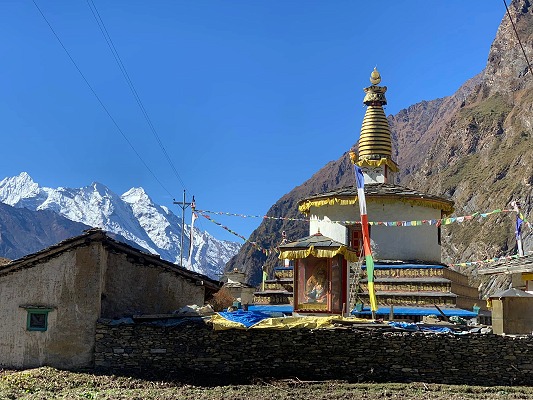
Purano Dwar is surrounded by green hills, terraced farmland, forests, and small local settlements. The village has a quiet atmosphere and offers a wonderful introduction to the culture and lifestyle of the communities living in the Nepalese hills. You may see farmers working in their fields, villagers carrying out daily activities, and traditional houses spread across the hillside.
Upon arrival, you will settle into your simple homestay or tented camp. Your trekking crew will prepare a warm meal while you have time to relax. You can walk around the village, enjoy the surrounding scenery, and observe the peaceful evening atmosphere.
This overnight stop is important for resting before the walking section begins tomorrow.
Day Highlights
Today marks the beginning of your trekking adventure. After breakfast, you will leave Purano Dwar and begin walking through the beautiful hills of Lamjung. The trail initially passes through cultivated terraces and local settlements before gradually entering peaceful forest areas.
The walking route steadily gains elevation, so your guide will encourage you to maintain a comfortable pace. Rather than rushing, the aim is to enjoy the natural environment and allow your body to adjust naturally to the increasing altitude. The surrounding landscape changes as you climb, with increasingly impressive views of valleys, ridges, and distant Himalayan mountains.
Along the trail, you will encounter forests containing oak, pine, rhododendron, and other native vegetation. During spring, rhododendron flowers add vibrant beauty to the forest, while different bird species can often be heard or seen among the trees. The quietness of the trail makes this section especially enjoyable for travelers seeking a peaceful Himalayan experience.
As you climb higher, occasional openings in the forest provide views toward the surrounding mountain ranges. Your guide will point out notable peaks and explain aspects of the local landscape, culture, and natural environment.
After several hours of walking, you will reach Puwang Dada, a scenic ridge at approximately 2,500 meters. This location is an excellent place to pause and appreciate the expansive views. Depending on weather conditions, you may be able to see impressive Himalayan peaks, including Lamjung Himal and other mountains in the surrounding region.
The evening at Puwang Dada is particularly peaceful. Far from large settlements and busy tourist trails, you can enjoy the sounds of nature and the fresh mountain air. Your trekking crew will arrange the tented camp and prepare dinner.
After dinner, rest early because tomorrow's journey takes you toward the sacred Baraha Pokhari Lake.
Day Highlights
Wake up early at Puwang Dada and enjoy the peaceful mountain morning. After breakfast, today's trail takes you farther into the high hills toward the beautiful and sacred Baraha Pokhari Lake. This is one of the most memorable sections of the trek because the landscape becomes increasingly remote and dramatic as you gain altitude.
The trail continues through forests and open mountain terrain. You will encounter a mixture of gradual ascents, uneven sections, and ridge walking. Your guide will help you choose a steady pace and regular rest breaks. As you climb, the views become broader, revealing green hills, deep valleys, and distant snow-covered Himalayan peaks.
The higher elevation also brings noticeable changes in vegetation. Forests gradually become more open, while the surrounding landscape feels wilder and more remote. The absence of large settlements gives this section a genuine wilderness atmosphere.
After several hours of walking, you eventually approach Baraha Pokhari, located at approximately 3,100 meters. The lake is considered sacred by local communities and is associated with Baraha, an incarnation of Lord Vishnu in Hindu tradition. Its remote location and natural surroundings create a deeply peaceful atmosphere.
Upon reaching the lake, take time to appreciate the scenery. The calm waters reflect the surrounding hills, while forests and mountain ridges create a beautiful natural frame around the lake. Depending on the season and weather, you may witness birds around the water and changing colors across the landscape.
Baraha Pokhari is also associated with local religious traditions and pilgrimage, particularly during important festivals. Spending the night beside such a culturally significant natural site makes this day particularly special.
In the evening, enjoy the quiet surroundings and, if weather permits, watch the sunset over the hills. Your team will arrange a comfortable tented camp near the designated camping area.
Day Highlights
Today begins with a beautiful mountain morning beside Baraha Pokhari. If the weather is clear, you can wake early to enjoy the sunrise and the changing light over the surrounding hills. After breakfast, the trail leads toward Chitre Dada, one of the scenic high ridges on this route.
The initial section gradually climbs through natural forest. You will walk among rhododendron, oak, pine, and other Himalayan vegetation. The trail may be relatively quiet, allowing you to enjoy the sounds of birds, wind, and the forest rather than the crowds found on Nepal's more famous trekking routes.
As you gain elevation, the trees become more scattered and the landscape opens. The trail reaches Chitre Dada at around 3,200 meters. From this high point, the surrounding panorama can be spectacular. On a clear day, you may enjoy views toward Lamjung Himal, Annapurna II, Machapuchare (Fishtail), Himalchuli, Manaslu, and other Himalayan peaks.
After spending some time at Chitre Dada, the route begins descending toward Peace Hill. Although today's trek includes both an ascent and descent, the changing scenery makes it an enjoyable and varied walking day.
Peace Hill, situated at approximately 2,900 meters, provides a calm overnight setting. The ridge offers wide views of green valleys, surrounding hills, and distant snow-covered mountains. It is an ideal place to slow down and appreciate the natural environment.
The name Peace Hill reflects the tranquil character of the area. With few settlements and little human activity, the location gives you a genuine feeling of being surrounded by nature.
After reaching camp, you can relax, enjoy refreshments, and take photographs. Your crew will prepare dinner while you enjoy the mountain evening.
Tonight will be spent at a basic lodge or camping arrangement, depending on the available facilities and local conditions.
Day Highlights
Today is the final trekking and transportation day of your Baraha Pokhari adventure. After breakfast, you will begin a long descent from Peace Hill toward Bhusme. The route drops significantly in elevation, taking you from the high mountain environment back toward the lower hills.
The descent passes through forests, cultivated terraces, small settlements, and traditional rural landscapes. As you lose altitude, the vegetation becomes greener and more diverse. You will notice a gradual change in temperature and scenery, with warmer conditions replacing the cooler mountain environment.
Walking downhill requires careful attention because some sections may be uneven or steep. Your trekking guide will help you maintain a safe pace and recommend appropriate rest stops. Take your time and enjoy the final views of the surrounding hills before leaving the trekking area.
Eventually, you reach Bhusme village at approximately 900 meters. Here you will meet your private vehicle and begin the road journey toward your chosen destination.
Depending on your travel plans, you may return directly to Kathmandu, continue to Pokhara, or extend your Nepal holiday with a visit to Chitwan or another destination. The road journey can take several hours depending on traffic, weather, and road conditions.
If you return to Kathmandu, you will arrive at the hotel with time to rest and refresh. If you have chosen Pokhara or Chitwan, our team can arrange the appropriate transportation and accommodation according to your travel plan.
This flexible ending makes the itinerary suitable for travelers who want to combine the Baraha Pokhari Trek with other Nepal experiences. You can continue with cultural sightseeing, wildlife activities, adventure tours, or additional trekking.
After reaching your destination, enjoy a well-deserved rest following the trek.
Day Highlights
After completing the Baraha Pokhari Trek, today is reserved as a relaxing and flexible day in Kathmandu. You can sleep longer, enjoy a leisurely breakfast, and recover from the previous days of trekking.
If you prefer to explore the capital, there are numerous cultural and historical attractions to visit. Kathmandu is renowned for its ancient temples, traditional courtyards, historic architecture, colorful markets, and vibrant local neighborhoods.
You can use this day for sightseeing, shopping for souvenirs, tasting traditional Nepali food, or simply relaxing at your hotel. Travelers who are interested in Nepalese culture can also visit important heritage areas with the assistance of a local guide.
If you have additional travel plans, this free day can also be used to arrange optional tours or activities. Depending on your interests and available time, Himalayan Adventure Intl Treks can help organize additional Nepal tour packages, cultural excursions, scenic drives, or short day tours.
For travelers continuing their journey, this is also a convenient day to prepare luggage and organize travel arrangements for the next destination.
In the evening, you can enjoy a final dinner in Kathmandu and reflect on your experience in the peaceful Baraha Pokhari region. Your trek may have taken you through forests, rural villages, high ridges, and the sacred lake, providing a different perspective on Nepal's Himalayan landscape.
Overnight at your hotel in Kathmandu.
Day Highlights
Your memorable journey with Himalayan Adventure Intl Treks comes to an end today. Depending on your international flight schedule, you can enjoy your final morning in Kathmandu at your hotel.
After breakfast, take some time to organize your luggage, complete your check-out, and make sure you have all your personal belongings and travel documents. If your flight is later in the day, you may have some free time to relax or take a short walk around the nearby area.
At the scheduled time, our representative will meet you at your hotel and transfer you to Tribhuvan International Airport by private vehicle. The drive time depends on traffic conditions, so we recommend leaving the hotel with sufficient time for airport check-in and security procedures.
As you travel toward the airport, you will have the opportunity to say goodbye to Kathmandu after your unforgettable Himalayan adventure. From the peaceful trails around Baraha Pokhari to the traditional villages, forests, mountain ridges, and sacred lake, this trek offers a wonderful combination of nature, culture, and authentic rural experiences.
Our team will assist you with the airport transfer and wish you a safe and pleasant journey home.
We hope that the memories created during your Nepal adventure remain with you for many years. Himalayan Adventure Intl Treks looks forward to welcoming you again for another journey in Nepal, whether you wish to explore the Annapurna region, Everest, Manaslu, Mustang, or another Himalayan destination.
Day Highlights