

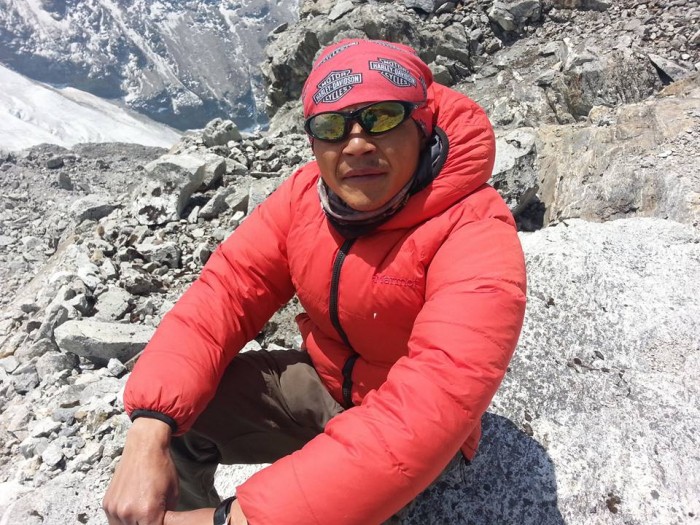

Nepal is widely celebrated for its spectacular Himalayan mountains, but its natural wealth extends far beyond snow-covered peaks. From subtropical forests and mid-hill woodlands to alpine meadows and high-altitude ecosystems, Nepal contains an extraordinary range of plant life. For nature lovers, researchers, students, photographers, and professional botanists, a botanical trek in Nepal offers an opportunity to explore this biodiversity on foot.
A botanical trek combines the adventure of Himalayan trekking with the study and observation of native plants, wildflowers, medicinal herbs, trees, shrubs, and other vegetation. Depending on the chosen region and season, trekkers can encounter rhododendrons, orchids, alpine flowers, medicinal plants, bamboo forests, and many other species.
Himalayan Adventure Intl Treks organizes customized botanical trekking experiences throughout Nepal. The company can arrange transportation, accommodation, trekking permits, professional trekking staff, porters, meals, and specialized botanist guides in Nepal, according to the requirements of each group.
What Is Botanical Trekking in Nepal?
Botanical trekking is a nature-focused journey designed around Nepal's diverse plant habitats. Instead of concentrating only on mountain views and trekking distances, the itinerary gives greater attention to the vegetation encountered along the trail.
What Can You Explore on a Botanical Trek?
A botanical-focused journey may include:
- Native Himalayan trees and shrubs
- Rhododendron forests
- Orchids and wildflowers
- Medicinal and aromatic plants
- Alpine herbs
- Bamboo and subtropical vegetation
- Plants traditionally used by local communities
- Different vegetation zones according to altitude
- Plant habitats inside conservation areas and national parks
A Trek Designed Around Your Interests
The itinerary can be adapted according to your interests, available time, preferred altitude, trekking experience, and botanical objectives. A professional botanist guide in Nepal can help identify plants and explain their ecological, cultural, and traditional importance during the journey.
Botanical Trekking Full Package with Himalayan Adventure Intl Treks
A full-service botanical trek allows travelers to concentrate on exploration rather than organizing logistics independently. Himalayan Adventure Intl Treks can coordinate the major components of the journey from arrival in Nepal through the trekking period and departure.
What the Package Can Include
Depending on the selected itinerary, a botanical trekking package may include:
- Airport arrival and departure transportation
- Transportation to and from the trekking trailhead
- Experienced trekking and botanical guides
- Porters and supporting staff
- Accommodation in hotels, lodges, or teahouses
- Meals during the trek
- Required trekking and conservation permits
- Necessary documentation and logistical arrangements
- Trekking route planning
- First-aid and safety support
- Customized botanical activities
Estimated Botanical Trekking Cost
The total cost depends on the trekking region, number of days, group size, accommodation standard, transportation, permits, and specialist guide requirements. A private or customized botanical trekking program may generally fall within the USD 1,200–1,800 per person range for suitable itineraries, although the actual price should be confirmed according to the final itinerary.
Hiring a Botanist Guide in Nepal
A specialist guide can make a significant difference when the primary purpose of a trek is studying Nepal's flora. A standard trekking guide can provide information about the route, culture, mountains, and local communities, while a botanist guide in Nepal can provide more specialized knowledge about plants and their habitats.
What Does a Botanical Guide Do?
A botanical guide may help you:
- Identify native plant species
- Understand different vegetation zones
- Locate seasonal wildflowers
- Learn about medicinal and aromatic plants
- Understand traditional uses of plants
- Record botanical observations
- Explain ecological relationships
- Recognize plants according to altitude and habitat
Guide Cost
Specialized guide fees vary according to qualifications, experience, language requirements, trek duration, and itinerary complexity. A specialist botanical guide may cost approximately USD 40–80 per day, subject to availability and the nature of the assignment.
English-speaking guides are commonly available, while guides with additional language abilities can sometimes be arranged in advance.
How to Book a Botanical Trek in Nepal
Arranging a botanical trek is straightforward when the itinerary and research interests are discussed before arrival.
Step 1: Contact the Trekking Company
Share your preferred travel dates, group size, trekking experience, and botanical interests with Himalayan Adventure Intl Treks.
Step 2: Select a Destination
Your guide or trekking planner can help select a region based on the type of vegetation you want to explore, the season, walking duration, and altitude.
Step 3: Customize the Itinerary
The itinerary can be designed around botanical observation, photography, plant identification, nature walks, or a combination of trekking and scientific interests.
Step 4: Confirm the Arrangements
Once the itinerary is agreed upon, the company can provide information about transportation, accommodation, permits, guide services, porters, meals, and other inclusions.
Step 5: Receive Trekking Information
Before departure, travelers can receive practical information covering the route, equipment, permits, transportation, accommodation, and preparation requirements.
Porter and Transportation Services
Carrying specialist equipment, clothing, personal belongings, and field materials can make a botanical trek more demanding. Hiring a porter can therefore make the walking experience more comfortable.
Porter Services
Porter costs vary according to location, duration, route difficulty, and current local rates. As a general planning estimate, a porter may cost around USD 20–25 per day. Weight limits and porter arrangements should always be confirmed before the trek.
Transportation to the Trailhead
Transportation depends on the selected destination. Depending on the route, travel may involve:
- Tourist or local buses
- Private vehicles
- Four-wheel-drive jeeps
- Domestic flights
- Combination transportation
Some remote Himalayan routes require a flight followed by road travel or trekking, while destinations closer to Kathmandu can often be reached by road.
Essential Equipment for a Botanical Trek
Proper equipment is important because botanical trekking may involve long walking days and changing weather conditions.
Recommended Trekking Gear
Essential items can include:
- Comfortable and durable hiking boots
- Layered trekking clothing
- Warm fleece or insulated jacket
- Waterproof rain jacket and trousers
- Comfortable backpack
- Hat and gloves
- Sunglasses
- Sunscreen
- Reusable water bottle
- Trekking poles
- Personal first-aid supplies
- Headlamp
- Sleeping bag where required
- Personal medication
- Mobile phone or camera
Botanical Field Equipment
If your primary purpose is botanical observation, you may also consider bringing a field notebook, plant identification guide, camera, GPS device, magnifying glass, and other non-destructive observation equipment.
Always follow local conservation rules. Plants should not be collected from protected areas without the appropriate authorization.
Trekking Permits for Botanical Treks
Permit requirements depend entirely on the trekking region. Conservation areas and national parks have their own entry requirements, while restricted regions may require special permits.
Common Permit Categories
Depending on your itinerary, you may need:
- Conservation area entry permits
- National park entry permits
- Trekker registration or applicable trekking documentation
- Restricted-area permits
- Local-area permits where applicable