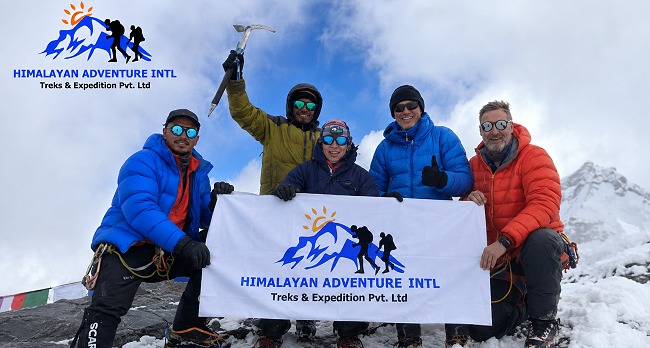

Have Questions? Talk to Expert (Binod)
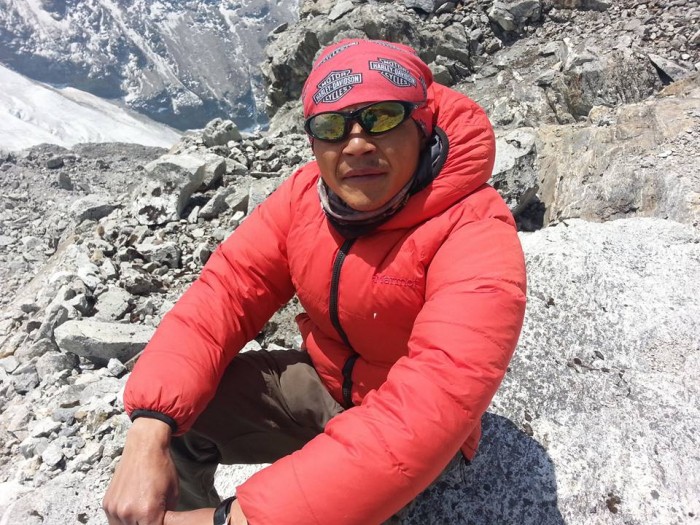
Kyajo Ri Peak Climbing is a challenging and rewarding mountaineering adventure in Nepal’s Everest region. Rising to 6,186 meters (20,295 feet) above sea level, Kyajo Ri is an impressive Himalayan summit for experienced trekkers and climbers looking for something more demanding and less crowded than Nepal’s better-known trekking peaks.
Located in the spectacular Khumbu Valley, Kyajo Ri combines remote mountain scenery, Sherpa culture, high-altitude trekking, glacier travel, steep snow and ice terrain, and a genuine Himalayan expedition atmosphere. The mountain is not simply about reaching a summit; the journey takes you deep into the Everest region, through traditional Sherpa settlements and magnificent landscapes surrounded by some of the world's highest mountains.
For climbers seeking a quieter and more adventurous experience, Kyajo Ri offers an excellent opportunity to experience the Everest region away from the busiest trekking routes. The mountain requires good physical fitness, proper acclimatization, suitable mountaineering equipment, and competent professional support.
At Himalayan Adventure Intl Treks, we organize carefully planned Kyajo Ri climbing adventures with experienced climbing guides, necessary permits, accommodation, meals, climbing support, and logistical arrangements designed around safety and a successful expedition.
There are many mountains in Nepal, but Kyajo Ri has a character of its own. The mountain is high enough to provide a serious high-altitude experience while remaining considerably less visited than the major peaks of the Everest region.
One of the biggest attractions is the sense of remoteness. Rather than spending your entire climbing journey among large numbers of mountaineers, Kyajo Ri provides an opportunity to experience the Himalayan landscape with a greater feeling of solitude.
The journey begins in Kathmandu before moving toward Lukla and entering the Khumbu Valley. From there, the trail passes through famous Sherpa settlements, mountain forests, suspension bridges and high alpine landscapes.
As you climb higher, the landscape gradually changes. Green valleys give way to barren alpine terrain, glaciers, snowfields and rocky mountain slopes. The air becomes thinner, temperatures drop, and each day becomes increasingly focused on the mountain.
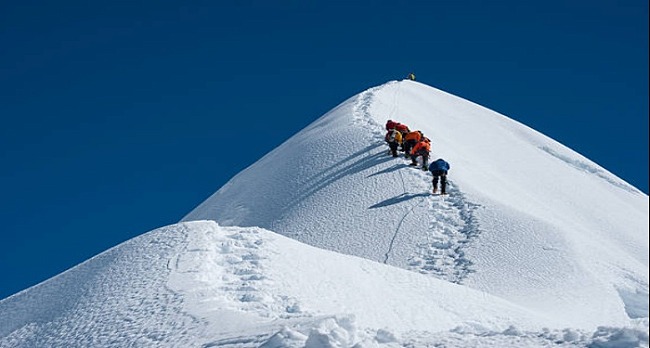
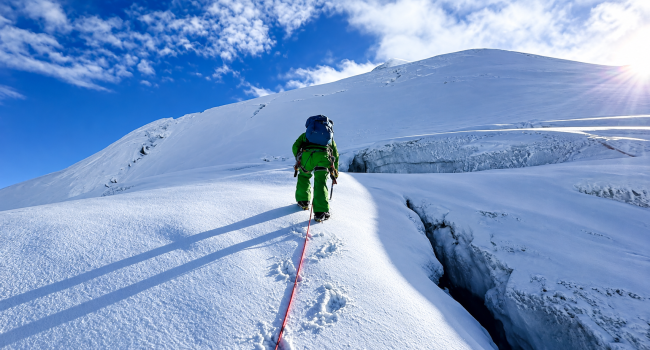
The final ascent is where the adventure becomes truly demanding. At an elevation of 6,186 meters, altitude alone makes physical activity considerably harder. Steep sections, snow, ice, cold temperatures and changing mountain conditions require concentration and appropriate technical equipment.
For experienced adventurers, that combination is exactly what makes Kyajo Ri special.
A Kyajo Ri expedition is much more than a summit day.
The adventure begins with the excitement of flying toward the Everest region. The flight to Lukla provides spectacular views of the Himalayan landscape before the trek begins.
From Lukla, the trail gradually gains elevation. You walk through traditional villages where Sherpa culture remains an important part of daily life. Along the route, you may encounter yak caravans, prayer wheels, mani stones, Buddhist monasteries, suspension bridges and stone-built mountain homes.
The trekking portion is essential because it allows your body to gradually adapt to increasing altitude.
As the expedition progresses, the comfortable lower valleys disappear behind you. The landscape becomes increasingly rugged. The trail reaches higher alpine terrain where vegetation becomes sparse and the mountains dominate the horizon.
Eventually, the expedition transitions from trekking to mountaineering.
At higher camps, your climbing team prepares equipment, checks ropes and crampons, reviews the route and waits for suitable conditions. Summit attempts depend on weather, snow and ice conditions, the physical condition of the team and the professional judgment of the climbing guides.
The summit itself is only one part of the expedition. A successful Kyajo Ri climb is about making good decisions throughout the entire journey.
Kyajo Ri is an excellent choice for climbers who want to experience the Everest region away from the busiest trekking trails.
The Khumbu landscape provides incredible views of Himalayan peaks, glaciers, valleys and alpine terrain throughout the journey.
The trek passes through Sherpa communities where you can experience traditional mountain life, Buddhist culture and famous Himalayan hospitality.
At 6,186 meters, Kyajo Ri provides a serious high-altitude climbing experience involving snow, ice, rocky terrain and technical equipment.
The transition from green valleys to high alpine terrain creates an unforgettable variety of scenery.
Reaching the summit after days of trekking, acclimatization and climbing creates an experience that remains memorable long after returning home.
Our Kyajo Ri Peak Climbing itinerary is designed to combine trekking, acclimatization, climbing preparation and summit attempts while maintaining a practical pace.
The exact itinerary can be adjusted according to weather, climbing conditions, group fitness and acclimatization requirements.
Your Himalayan Adventure Intl Treks representative welcomes you at Tribhuvan International Airport and transfers you to your hotel.
After settling in, you can rest and recover from your international journey. Depending on your arrival time, there may also be an expedition briefing where your guide explains the itinerary, equipment and safety procedures.
This day is used for final expedition preparation, equipment checks and permit arrangements.
It is also an opportunity to explore Kathmandu and experience some of the city's cultural attractions.
Your climbing team checks technical equipment and ensures that essential items are ready before leaving for the mountains.
The adventure begins with a scenic flight to Lukla.
After landing, the trek starts through the beautiful lower Khumbu landscape toward Phakding.
The walking distance is relatively moderate, giving you the first opportunity to settle into the Himalayan trekking rhythm.
The trail follows the Dudh Koshi Valley and crosses several suspension bridges.
As you continue upward, the landscape becomes increasingly mountainous.
Namche Bazaar is the principal trading and tourism center of the Khumbu region and an important acclimatization location.
Acclimatization is one of the most important parts of the expedition.
Rather than simply remaining inactive, you can take a short hike around Namche and return to sleep at the same elevation.
The day provides an opportunity to adjust gradually to the increasing altitude.
Leaving Namche, the trail continues toward quieter settlements and increasingly dramatic mountain scenery.
The route gradually moves away from the busiest sections of the Everest trekking trail.
The landscape becomes increasingly rugged as you approach the climbing zone.
Your climbing team establishes or prepares the base camp and begins organizing equipment for the mountaineering section.
This is an important preparation day.
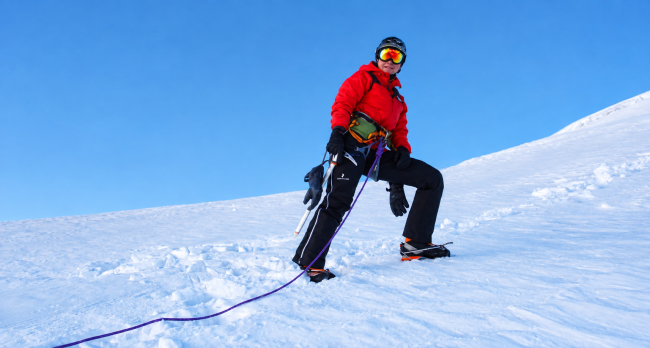
Your guides review technical equipment and climbing procedures. Depending on conditions, you may undertake short training activities involving crampons, ropes, ice axe techniques and movement on snow.
The expedition begins moving higher toward the climbing camps.
The terrain becomes more demanding and the effects of altitude become increasingly noticeable.
Your climbing team maintains a slow, controlled pace.
The team continues upward and prepares for the summit phase.
Depending on conditions and the route, climbing involves sections of snow, ice and rock.
An additional preparation or acclimatization period allows the team to rest and evaluate weather and route conditions.
The climbing leader makes decisions about the safest summit strategy.
Equipment is carefully checked.
Crampons, harnesses, ice axes, helmets, ropes, clothing, gloves and other essential equipment are prepared for the summit attempt.
An early start is normally important for a high-altitude summit attempt.
This is the principal objective of the expedition.
The climbing team begins early and proceeds carefully toward the summit.
The final ascent requires concentration and controlled movement. Weather, snow and ice conditions can influence the speed and route.
If conditions are suitable and the team reaches the summit, climbers can enjoy spectacular Himalayan views before descending carefully.
Safety always takes priority over reaching the summit.
After the summit attempt, the team descends to a safer and lower elevation.
Descending is an important part of the climb because fatigue can increase the risk of mistakes.
The expedition transitions back into trekking.
The lower elevation brings comparatively warmer temperatures and thicker vegetation.
The trail continues toward Lukla.
This is often an emotional part of the journey because the major climbing objective is behind you.
The flight from Lukla returns you to Kathmandu, concluding the mountain adventure.
Depending on flight schedules and weather, the exact timing may change.
Important: Mountain itineraries are flexible. Weather, flight conditions, health, route conditions and climbing safety may require changes.
The principal climbing seasons are spring and autumn.
Spring is one of Nepal's most popular mountaineering seasons.
Temperatures generally become more favorable as the season progresses, while higher elevations can still retain substantial snow and ice.
The lower trekking routes are generally pleasant, and mountain views can be spectacular.
March can still feel quite cold at higher elevations, while April and May are generally warmer.
Autumn is another excellent season.
Following the monsoon, the atmosphere often becomes clearer, providing impressive mountain visibility.
September can still experience some residual monsoon influence, while October and November are generally regarded as excellent trekking and climbing months.
Nights become colder as autumn progresses, so proper cold-weather equipment is essential.
June to August brings monsoon conditions to much of Nepal.
Rain can affect lower trekking trails, while clouds can obscure mountain views. Wet and slippery paths may make trekking more difficult.
Although fewer climbers may be encountered, the season is generally less favorable for this type of expedition.
December to February brings very cold conditions.
Snow, freezing temperatures and strong winds can make high-altitude climbing considerably more demanding.
Winter expeditions require excellent preparation and appropriate experience.
Kyajo Ri should be approached as a serious high-altitude climbing expedition rather than an ordinary trekking trip.
At 6,186 meters, altitude is a major factor. The combination of reduced oxygen, cold temperatures, steep terrain and technical climbing makes the mountain physically demanding.
Some sections may involve snow and ice travel, while other sections can include rocky terrain.
Climbers should be comfortable using essential mountaineering equipment such as:
Previous experience on high-altitude treks or climbing peaks is strongly recommended.
Kyajo Ri is best suited to physically fit adventurers with previous high-altitude trekking or mountaineering experience.
You do not necessarily need to be an elite professional mountaineer, but you should understand that this is not a standard Everest Base Camp trek.
A climber should be comfortable with:
Good physical conditioning and a positive attitude are equally important.
Altitude acclimatization is central to a successful Kyajo Ri expedition.
Your body needs time to adjust as you move from Kathmandu toward the high mountains. The itinerary therefore incorporates gradual elevation gain and acclimatization periods.
Common symptoms of altitude illness can include headache, nausea, dizziness, unusual fatigue and loss of appetite.
Do not ignore symptoms.
If you feel unwell, inform your guide immediately. Continuing upward while experiencing significant altitude-related symptoms can become dangerous.
Our guides monitor the group throughout the expedition and make decisions according to individual health, weather and mountain conditions.
Remember: the summit is optional; returning safely is mandatory.
Food is an important source of energy throughout the expedition.
During the trekking portion, meals generally include traditional Nepali and Himalayan dishes such as:
Some teahouses may offer selected international meals, depending on location and availability.
At higher climbing camps, the food becomes simpler because logistics are more difficult.
Our climbing support team prepares hot and hygienic meals designed to provide sufficient energy during demanding climbing days.
We also recommend carrying personal snacks such as chocolate, nuts, energy bars, dried fruit and other lightweight high-energy foods.
Accommodation changes as the expedition moves higher.
In Kathmandu, accommodation is provided in a comfortable tourist-standard hotel or similar property.
Rooms are normally arranged on a twin-sharing basis. Private rooms can be requested for an additional supplement, subject to availability.
During the trekking section, accommodation is provided in local teahouses and lodges.
Rooms are generally simple, with beds and basic furnishings. Bathrooms are often shared.
The facilities become increasingly basic as you gain elevation.
During the climbing phase, tents are used.
A foam or suitable sleeping mattress is provided, and the climbing team establishes necessary camp facilities.
Mountain camping is intentionally simple. Climbers should be prepared for cold nights and limited facilities.
A Kyajo Ri expedition requires appropriate climbing and regional permits.
These include the relevant Kyajo Ri climbing permit issued through the Nepal Mountaineering Association, together with the necessary permits for the Everest/Khumbu region, including the Sagarmatha National Park entry permit and Khumbu Pasang Lhamu Rural Municipality permit, as applicable to the current regulations.
At Himalayan Adventure Intl Treks, we handle the required permit arrangements as part of our expedition logistics.
Because permit regulations and fees can change, final permit requirements and applicable charges should always be confirmed at the time of booking.
Permit requirements in Nepal can change, and older online information sometimes causes confusion.
For an Everest-region expedition, travelers should not rely on outdated trekking information. The appropriate local and climbing permits need to be arranged according to the current regulations applicable to Kyajo Ri.
Himalayan Adventure Intl Treks will advise you about the documentation required for your specific departure before your expedition begins.
Comprehensive travel insurance is essential.
Your insurance should specifically cover high-altitude trekking and mountaineering/peak climbing, rather than only standard travel risks.
We strongly recommend checking whether your policy covers:
Do not purchase a policy simply because it says “trekking.” Read the altitude limits and mountaineering exclusions carefully.
Packing correctly is particularly important for a 6,000-meter-class expedition.
Your expedition leader will provide a detailed equipment checklist before departure.
Good preparation can make a significant difference.
Begin structured training several months before your expedition.
Focus on:
Running, cycling, swimming, stair climbing and uphill walking can improve cardiovascular endurance.
Squats, lunges, step-ups, core exercises and general leg strengthening can prepare your body for steep terrain.
Long hikes are particularly useful. Gradually increase walking duration and elevation gain.
Practice hiking while carrying a backpack.
If you have little technical experience, take a recognized mountaineering course or practice essential techniques before attempting Kyajo Ri.
The objective is not simply to become strong. You need to become comfortable moving efficiently for many hours in demanding terrain.
Not every climber wants to purchase an entire mountaineering equipment collection.
Many items can be rented or purchased in Kathmandu, depending on availability and quality.
However, we recommend bringing footwear that fits properly and any personal equipment you already trust.
For technical equipment, our team can advise you about what should be brought from home and what may be arranged locally.
Your expedition package covers the services specified in your itinerary, but you should still carry some Nepalese currency for personal expenses.
Additional spending may include:
Carry money securely and protect it from moisture.
Safety is our highest priority.
Important rules include:
Weather can change quickly at high elevations. A summit attempt may therefore be postponed, shortened or cancelled if conditions are unsafe.
The Everest region is one of the world's most important mountain environments.
As responsible travelers, we encourage every climber to minimize environmental impact.
Please:
Our objective is not only to provide an exciting expedition but also to help protect the Himalayan environment for future generations.
At Himalayan Adventure Intl Treks, we understand that a mountain expedition requires much more than simply booking accommodation and transportation.
Our team assists with the entire journey, including:
We also understand that every climber is different. Some travelers prefer a private expedition, while others prefer joining a small group. Additional acclimatization days, training days and customized arrangements can be incorporated where practical.
Our goal is to create an expedition that is safe, professionally organized, culturally respectful and genuinely memorable.
The cost of a Kyajo Ri expedition depends on factors such as:
Because climbing conditions and government fees can change, Himalayan Adventure Intl Treks provides a current quotation based on your requested departure date and group size rather than relying on outdated published prices.
International airfare is not included unless specifically stated in your customized package.
Our standard arrangements are generally based on twin-sharing accommodation.
Travelers who prefer additional comfort can request private rooms in Kathmandu and, where available, during the trekking section.
Please understand that private rooms are not guaranteed at higher elevations. Some mountain lodges have limited rooms, and during busy periods availability can be restricted.
If you prefer upgraded hotels, private accommodation or other customized services, let us know during the booking process.
A standard itinerary is an excellent starting point, but it does not have to be the final plan.
Himalayan Adventure Intl Treks can customize your journey according to:
For climbers who want more time to acclimatize, we can also discuss combining Kyajo Ri with a suitable high-altitude trek.
Climbers who have limited high-altitude experience may benefit from completing a demanding trek before their peak-climbing expedition.
Possible options include:
Everest Base Camp provides an excellent introduction to the Khumbu environment and high-altitude trekking.
Gokyo provides beautiful high-altitude scenery and challenging trekking terrain.
For experienced trekkers, the Everest Three Passes route offers an even more demanding high-altitude trekking experience.
However, completing a high-altitude trek does not automatically make someone technically prepared for climbing. Trekking fitness and mountaineering skills are different, so appropriate climbing preparation remains essential.
Kyajo Ri is not an easy mountain.
It demands physical endurance, mental strength, patience, proper acclimatization and respect for changing Himalayan conditions. But that difficulty is exactly what makes the experience meaningful.
You begin in the lively streets of Kathmandu, fly toward the mountains, walk through Sherpa villages and gradually enter a dramatically different world.
The green hills disappear. The air becomes thinner. The temperature drops. Snow and ice replace ordinary trails. The surrounding mountains become enormous, and the objective that looked distant from below gradually becomes closer.
Eventually, you stand beneath Kyajo Ri and begin the final stage.
At 6,186 meters, reaching the summit requires determination and careful decision-making. When conditions allow a successful ascent, the reward is not only the panorama from the summit but the knowledge that you have crossed a demanding section of the Himalayas through your own preparation, endurance and teamwork.
For climbers searching for a less-crowded, high-altitude and genuinely adventurous peak-climbing experience in Nepal, Kyajo Ri deserves serious consideration.
Himalayan Adventure Intl Treks is ready to help you plan your Kyajo Ri Peak Climbing expedition from Kathmandu to the summit and safely back again.
Book your Kyajo Ri Peak Climbing adventure with Himalayan Adventure Intl Treks and experience the Everest region beyond the ordinary trekking routes.
Welcome to Nepal! Upon your arrival at Tribhuvan International Airport in Kathmandu, a representative from Himalayan Adventure Intl Treks will meet you and provide a warm traditional welcome. You will then be transferred comfortably to your hotel in the city. After checking in, you can relax and recover from your journey. Depending on your arrival time, your expedition leader may meet you for an introductory briefing about the Kyajo Ri Peak climbing adventure, including the trekking route, expected conditions, equipment, safety arrangements, and daily schedule. Overnight in Kathmandu.
Today is reserved for comprehensive preparation before heading into the Everest region. You will meet your experienced climbing guide and expedition team and review all technical and personal equipment. Essential climbing gear such as harnesses, crampons, ice axes, helmets, ropes, and appropriate clothing will be checked carefully. If anything is missing, your team can help arrange or rent suitable equipment in Kathmandu. A detailed expedition briefing will cover altitude awareness, climbing techniques, weather conditions, emergency procedures, and responsible mountain travel. This preparation ensures you are ready for the challenging days ahead.
Your Himalayan adventure officially begins with a scenic flight toward Lukla. From the small mountain airstrip, the trail descends gradually through beautiful villages, cultivated terraces, forests, and alongside the Dudh Koshi River. The relatively short trek to Phakding provides an excellent opportunity to ease into the journey without gaining too much altitude too quickly. You will spend the night in a comfortable local teahouse and enjoy your first evening surrounded by the Himalayan landscape.
After breakfast, you follow the Dudh Koshi River toward the famous Sherpa town of Namche Bazaar. The trail crosses several suspension bridges decorated with prayer flags and passes through pine, fir, and rhododendron forests. After entering Sagarmatha National Park, the route gradually becomes steeper. The final climb to Namche requires steady pacing, but the spectacular mountain scenery makes the effort worthwhile. Namche is an important trading and cultural center of the Everest region and an ideal place to begin serious acclimatization.
Today provides a much-needed rest and acclimatization opportunity. Rather than remaining completely inactive, you can take a short hike to a higher elevation and return to Namche, helping your body adjust naturally to the thinner mountain air. Your guide will monitor your condition and explain important altitude-safety practices. You can also explore the lively streets, visit local shops, enjoy Himalayan views, and learn more about Sherpa culture. A good night's sleep prepares you for the higher trails ahead.
Leaving Namche Bazaar, you continue toward the quieter valleys leading toward Kyajo Ri. The trail gradually moves away from the busier Everest trekking route, providing a more peaceful wilderness experience. You pass alpine forests, yak pastures, small settlements, and traditional mountain landscapes. The steady ascent gives your body further opportunity to adapt to increasing altitude. After approximately five to six hours, you reach Mende, where the team settles in for the evening and prepares for the approach to base camp.
Today you enter the remote surroundings of the Kyajo Ri climbing area. The landscape becomes increasingly rugged as the trail leaves the lower settlements behind. With every step, the scenery changes from forested slopes to exposed alpine terrain, revealing impressive Himalayan peaks. Your climbing crew will establish the necessary facilities after reaching Kyajo Ri Base Camp at approximately 4,550m. The remainder of the day is dedicated to rest, hydration, and familiarizing yourself with the expedition environment.
A full preparation day at base camp allows your body to adjust to the higher elevation before moving toward the climbing camps. The expedition team will organize technical equipment, climbing ropes, tents, food, fuel, and safety gear. Your climbing leader will explain the route ahead and review important techniques for movement on steep and potentially icy terrain. Depending on conditions and your experience, practical training may include using crampons, an ice axe, ropes, and harness systems. The goal is to build confidence while conserving energy for the ascent.
After an early breakfast, you leave base camp and begin climbing toward the first high camp. The route becomes steeper and more demanding, requiring concentration and controlled movement. Your experienced climbing guides will establish an appropriate pace and provide technical assistance where necessary. The thinner air means the ascent should be approached slowly, with regular hydration and rest breaks. After approximately four to five hours, you reach Camp I at around 5,300m, where the team establishes camp and prepares for the next stage.
Today you continue higher into the challenging alpine environment toward Camp II. The altitude is significantly greater, and the terrain requires careful foot placement and close communication with the climbing team. Technical climbing equipment may be required depending on the route and prevailing conditions. After reaching approximately 5,700m, you settle into Camp II and focus on rest, hydration, and preparation. Your climbing leader will assess weather and route conditions before determining the safest plan for the expedition.
After completing the high-altitude section, you begin a substantial descent toward Mende. Descending to a lower elevation allows your body to recover from the physical demands of climbing at altitude. The journey becomes more comfortable as the air grows denser and vegetation gradually returns. Although downhill trekking may appear easier, careful footing remains important after several demanding days. After approximately six to seven hours, you arrive at Mende and enjoy a relaxing evening with the expedition team.
The trail continues downhill through the beautiful Dudh Koshi valley. You pass through traditional Sherpa communities, forested hillsides, suspension bridges, and riverside paths. As you descend to around 2,845m, warmer temperatures and richer vegetation become noticeable. The changing landscape provides a pleasant contrast to the rocky, high-altitude environment experienced during the climbing phase. After six to seven hours of trekking, you reach Manju for an overnight stay and a well-earned rest.
Today is the final day of trekking. You continue along the familiar trail toward Lukla, passing villages, forests, bridges, and sections of the Dudh Koshi valley. The approximately six-hour journey gives you time to reflect on the experiences of the previous days. Upon reaching Lukla, you can relax at your teahouse and celebrate the completion of the trekking and climbing adventure with your guides and support staff. Overnight in Lukla.
Weather permitting, you take an early morning flight from Lukla back to Kathmandu. The short flight provides spectacular views of the Himalayan mountains and surrounding valleys. After landing in Kathmandu, our representative will transfer you to your hotel. The rest of the day is free for relaxation and recovery. You may also explore Kathmandu, enjoy a celebratory meal, purchase souvenirs, or simply rest after your demanding mountain adventure.
This additional day is intentionally included as a contingency day because mountain flights can sometimes be affected by weather or operational conditions. If no delays occur, you can enjoy a free day in Kathmandu. Visit historic cultural sites, explore local markets, shop for traditional handicrafts, or relax at your hotel. It is also a useful opportunity to organize photographs and memories from your Kyajo Ri expedition.
Your memorable Kyajo Ri Peak climbing journey with Himalayan Adventure Intl Treks concludes today. According to your international flight schedule, our representative will assist with your transfer to Tribhuvan International Airport. As you leave Nepal, you take home unforgettable memories of the Everest region, remote mountain trails, Sherpa culture, and your challenging Himalayan climbing experience. Himalayan Adventure Intl Treks looks forward to welcoming you again for another trekking or mountaineering adventure in Nepal.
Kyajo Ri Peak Climbing is a challenging mountaineering expedition in the Khumbu region of Nepal, offering climbers the opportunity to summit Kyajo Ri, a 6,186-meter peak. It involves technical climbing with stunning views of Everest and the surrounding Himalayan peaks.
Kyajo Ri Peak is located in the Khumbu region of Nepal, near the famous Everest region. It lies between the Thame and Gokyo valleys.
Kyajo Ri Peak stands at an elevation of 6,186 meters (20,295 feet).
Kyajo Ri Peak Climbing is not suitable for beginners. It requires previous mountaineering experience and knowledge of technical climbing skills.
The best seasons for Kyajo Ri Peak Climbing are spring (April to May) and autumn (September to November) when the weather is stable and the views are clear.
Climbers need a Kyajo Ri Peak Climbing permit, a Sagarmatha National Park entry permit, and a TIMS (Trekkers' Information Management System) card.
Kyajo Ri Peak Climbing is considered a technically challenging climb. It involves steep ascents, ice and rock climbing, and exposure to high altitudes.
The Kyajo Ri Peak Climbing expedition typically takes around 18 to 22 days, depending on the itinerary and acclimatization schedule.
Essential equipment includes mountaineering boots, crampons, ice axes, harnesses, helmets, ropes, carabiners, a down jacket, a sleeping bag, and other personal climbing gear.
Yes, it is highly recommended to hire an experienced guide for Kyajo Ri Peak Climbing due to its technical nature and challenging conditions.
Accommodation options include teahouses in the lower trekking regions and camping at higher altitudes, especially near the base camp and advanced camp.
Preparation includes physical conditioning, endurance training, technical climbing practice, and acclimatization treks to similar altitudes.
Yes, altitude sickness is a concern. Proper acclimatization, hydration, and gradual ascent are crucial to minimizing the risk.
The starting point for Kyajo Ri Peak Climbing is typically Lukla, which is reached by a flight from Kathmandu.
The Kyajo Ri Base Camp is reached by trekking through the Khumbu region, passing through villages like Namche Bazaar and Thame before ascending to the base camp.
From the summit of Kyajo Ri, climbers are rewarded with breathtaking panoramic views of Everest, Lhotse, Cho Oyu, and other Himalayan peaks.
While there are no strict age restrictions, climbers should be in excellent physical condition and have prior mountaineering experience. Typically, climbers should be at least 18 years old.
During the expedition, climbers are provided with a mix of local Nepali dishes and Western-style meals, including rice, pasta, vegetables, eggs, and soups.
The maximum group size is usually around 10-12 climbers to ensure safety and personalized attention from the guides.
Yes, comprehensive travel insurance covering high-altitude trekking and mountaineering, including helicopter evacuation, is mandatory.
The cost varies depending on the services offered but typically ranges between USD 3,000 to 5,000, including permits, guide services, accommodation, and meals.
Communication options are limited, but satellite phones and some mobile networks may be available in certain areas.
Charging facilities are available in some teahouses, but it's advisable to carry a power bank or solar charger, especially for the higher altitudes.
Pack warm clothing, climbing gear, personal items, first-aid supplies, and essential toiletries. A detailed packing list will be provided by your trekking company.
You need to be in excellent physical condition with strong cardiovascular endurance and prior experience in high-altitude trekking or climbing.
While technically possible, it is not recommended due to the risks involved. Climbing with a group or guide is safer and more enjoyable.
The acclimatization process involves spending extra days at key altitudes, such as Namche Bazaar and the Kyajo Ri Base Camp, to allow your body to adjust to the altitude.
Training should include cardiovascular exercises, strength training, endurance building, and technical climbing skills. High-altitude trekking experience is also beneficial.
Weather conditions vary, with cold temperatures, possible snowfall, and strong winds at higher altitudes. Clear skies and stable weather are common during the climbing seasons.
While the risk of avalanches exists, it is generally lower compared to other peaks. Guides will assess the conditions and take necessary precautions.
The route involves trekking through the Khumbu region, establishing camps, and technical climbing on mixed terrain, including rock, ice, and snow.
Sherpas assist with carrying gear, setting up camps, and guiding climbers on the technical sections of the climb. They are crucial for the success and safety of the expedition.
If you need to turn back, your guide will arrange for your safe descent and ensure you reach a lower altitude safely. Your safety is the top priority.
Yes, you can visit monasteries, including the famous Tengboche Monastery, and experience the rich Sherpa culture in villages like Namche Bazaar and Thame.
Staying hydrated is crucial. Drink plenty of water, carry purification tablets, and take advantage of boiled water provided at teahouses.
Health risks include altitude sickness, hypothermia, frostbite, dehydration, and physical injuries. Proper preparation and awareness can minimize these risks.
If you experience symptoms of altitude sickness, inform your guide immediately. Descending to a lower altitude is the most effective treatment.
Tipping is appreciated but not mandatory. It's customary to tip guides, porters, and other support staff as a gesture of thanks for their hard work.
At lower altitudes, you'll stay in teahouses with basic amenities. At higher altitudes and base camps, you’ll sleep in tents.
Yes, you can bring your equipment. However, ensure it is of high quality and suitable for high-altitude mountaineering.
Summit day involves an early start, challenging technical climbing, and breathtaking views from the top. It is the most physically demanding part of the expedition.
In case of an emergency, helicopter evacuation is the primary rescue option. Your guide will coordinate with rescue services if needed.
You may encounter wildlife such as Himalayan thar, musk deer, pheasants, and, occasionally, the elusive snow leopard.
Yes, it is possible to extend the trek to include other peaks like Lobuche East or Island Peak, depending on your time and experience level.
Acclimatization involves spending extra days at certain altitudes, drinking plenty of fluids, eating well, and taking it slow during the ascent.
Water sources include streams, rivers, and boiled water from teahouses. Always purify water before drinking to avoid illness.
Kyajo Ri is considered more technical than peaks like Island Peak or Lobuche East, making it a good challenge for experienced climbers.
There are no restrictions on photography, but it’s important to be respectful of local cultures and traditions when taking photos in villages.
Signs of altitude sickness include headache, nausea, dizziness, shortness of breath, and loss of appetite. Immediate action is required if these symptoms occur.
Yes, you can rent climbing gear in Kathmandu. However, ensure it’s of high quality and suitable for the conditions you’ll face at the peak.
Kyajo Ri is unique due to its challenging technical climbs, stunning views, and its location away from the more crowded trekking routes.
A high level of physical fitness is required, including endurance, strength, and prior experience with high-altitude trekking or climbing.
Yes, there is typically a weight limit of 15 kg (including hand luggage) for flights to Lukla. Extra baggage may incur additional charges.
Temperatures can range from 10°C (50°F) during the day at lower altitudes to -20°C (-4°F) or lower at higher altitudes and during summit attempts.
Communication facilities include mobile networks in some areas and satellite phones. Internet is available in some teahouses but may be unreliable.
The main challenges include the technical climbing sections, high altitude, cold temperatures, and the need for proper acclimatization.
Porters assist by carrying heavy loads of equipment and supplies, allowing climbers to focus on the ascent and acclimatization.
Yes, trekking poles are useful for maintaining balance and reducing strain on your knees during the trekking sections of the expedition.
In case of an injury, inform your guide immediately. Depending on the severity, you may need to descend or request a helicopter evacuation.
There are no specific weight restrictions, but climbers should be in excellent physical condition and capable of handling the demands of the climb.
The guide provides technical support, route navigation, safety management, and assistance with acclimatization and camp setup.
Prevent frostbite by wearing proper insulated clothing, gloves, and boots, and by keeping exposed skin covered and warm.
The acclimatization schedule includes rest days at key altitudes, such as Namche Bazaar and Kyajo Ri Base Camp, to ensure proper acclimatization.
Maintain energy levels by eating high-calorie meals, staying hydrated, and taking breaks to rest and recover.
Proper hydration helps prevent altitude sickness, maintains energy levels, and aids in overall physical performance during the climb.
Yes, it’s important to respect local customs, such as greeting with “Namaste,” asking for permission before taking photos and avoiding touching religious objects with your feet.
You need insurance that covers high-altitude trekking and climbing, medical emergencies, and helicopter evacuation.
Yes, itineraries can often be customized based on your preferences, experience level, and available time.
Possible side effects include altitude sickness, dehydration, fatigue, and, in severe cases, high-altitude pulmonary edema (HAPE) or high-altitude cerebral edema (HACE).
Acclimatization hikes help your body adjust to higher altitudes, reducing the risk of altitude sickness and improving your chances of a successful climb.
Mental preparation includes setting realistic goals, visualizing the climb, managing stress, and staying positive throughout the expedition.
The Kyajo Ri summit is significant due to its technical challenges and the stunning panoramic views of the Everest region, making it a prized achievement for experienced climbers.
Climbing without proper acclimatization increases the risk of altitude sickness, which can lead to severe health issues and force an early descent.
Environmental concerns include minimizing waste, respecting wildlife, and following Leave No Trace principles to protect the fragile Himalayan ecosystem.
Manage cold temperatures by wearing layered clothing, using high-quality sleeping bags, and staying dry throughout the climb.
Yes, Kyajo Ri Peak Climbing can be combined with other treks in the Khumbu region, such as the Gokyo Lakes or the Everest Base Camp trek.
Common mistakes include ascending too quickly, not staying hydrated, neglecting proper gear, and underestimating the technical challenges.
Recommended exercises include cardiovascular training, strength building, endurance activities, and practice climbs at high altitudes if possible.
Yes, you will have the opportunity to interact with local Sherpa communities, learn about their culture, and visit monasteries during the trek.
Typical challenges include steep ascents, navigating through ice and rock sections, cold temperatures, and dealing with the thin air at high altitudes.
In case of equipment failures, carry spares for essential items, and rely on your guide’s expertise to make repairs or adjustments on the go.
Train for technical climbing sections by practicing rock and ice climbing, using crampons and ice axes, and improving your rope handling skills.
The Khumbu region is a world-renowned mountaineering destination, home to Everest and many other iconic peaks, offering challenging climbs and breathtaking scenery.
Deal with homesickness by staying connected with loved ones through calls or messages, keeping a positive mindset, and focusing on the adventure.
Meals include a mix of local Nepali cuisine and Western dishes, with a focus on high-energy foods to keep you fueled for the climb.
Night-time conditions can be extremely cold, with temperatures dropping significantly. Ensure you have a good quality sleeping bag and proper insulation.
Yes, you can hire a personal guide for a more personalized experience and additional support during the climb.
Key landmarks include Namche Bazaar, the Dudh Koshi River, Kyajo Ri Base Camp, and stunning views of peaks like Everest and Ama Dablam.
Deal with the lack of oxygen by ascending slowly, acclimatizing properly, using supplemental oxygen if necessary, and staying hydrated.
Kyajo Ri has several routes, with the South Ridge being the most common. Other routes may vary in technical difficulty and are less frequently used.
Ensure the right mindset by staying focused, positive, and prepared for challenges. Visualization and mental rehearsal can also help.
Yes, rest days can be taken if necessary, especially if you’re feeling fatigued or need extra time for acclimatization.
An experienced guide ensures your safety, navigates the challenging terrain, assists with technical climbing, and provides valuable local knowledge.
While there are no strict age restrictions, climbers should be in good physical condition and have prior high-altitude climbing experience.
Local customs include respect for Buddhist traditions, such as spinning prayer wheels and showing reverence at monasteries and shrines.
Prepare by practicing with climbing gear, improving your rock and ice climbing skills, and learning how to use ropes and anchors effectively.
Your daypack should include essentials like water, snacks, a first-aid kit, a headlamp, an extra layer of clothing, and personal items.
Protect yourself by wearing sunscreen, sunglasses with UV protection, and a wide-brimmed hat. The sun’s intensity increases at higher altitudes.
The most rewarding part is reaching the summit and experiencing the breathtaking views, along with the sense of achievement from overcoming the challenges.
Yes, sharing your experience through photos, stories, or a blog can inspire others and help you relive the adventure.
Kyajo Ri (6,186m) is one of Nepal’s most exciting trekking peaks, offering a challenging yet rewarding climb for adventure enthusiasts. Nestled in the Everest region, the Kyajo Ri Peak Expedition is perfect for climbers seeking an off-the-beaten-path adventure. With breathtaking landscapes, technical climbing routes, and a true Himalayan experience, Kyajo Ri Peak Climbing is an ideal challenge for those looking to push their limits.
Kyajo Ri is an excellent choice for climbers looking for a moderately technical ascent in the Khumbu region. Unlike other crowded trekking peaks such as Island Peak or Mera Peak, Kyajo Ri Peak offers solitude and a pristine mountain experience. Its well-defined ridges, mixed terrain of snow, ice, and rock, and stunning panoramic views of Everest, Lhotse, and Cho Oyu make it a top choice for serious climbers.
Climbing Kyajo Ri is considered moderately to highly difficult, making it suitable for those with prior mountaineering experience. Here’s what makes Kyajo Ri difficulty stand out:
Technical Sections: The climb involves rock climbing, steep snow slopes, and ice climbing sections.
High Altitude Challenges: At 6,186m, climbers must be well-acclimatized to avoid altitude sickness.
Physical Fitness: Strong endurance, prior experience with alpine climbing, and familiarity with using crampons, ice axes, and ropes are essential.
Remote and Isolated: The approach to Kyajo Ri Base Camp is remote, requiring self-sufficiency and proper preparation.
Despite these challenges, with proper acclimatization, a well-planned itinerary, and experienced guides, the Kyajo Ri Expedition is an achievable goal for dedicated climbers.
The best time to attempt Kyajo Ri Peak is spring (March-May) and autumn (September-November). These seasons provide stable weather, clear skies, and favorable climbing conditions. Spring offers mild temperatures and blooming rhododendrons along the trekking route, while autumn provides crystal-clear mountain views and dry trails.
A typical Kyajo Ri Expedition lasts 15-18 days, including acclimatization and trekking to base camp. Below is a suggested itinerary:
Arrive in Kathmandu (1,400m), meet your climbing team, and check climbing gear.
Explore the city and obtain necessary climbing permits.
Fly from Kathmandu to Lukla (2,840m) and trek to Phakding.
Trek to Namche Bazaar (3,440m) and rest for acclimatization.
Hike to Kyajo Ri Base Camp (4,500m) via Mende village.
Acclimatization hikes to higher altitudes to prepare for the summit.
Technical training on glacier travel, ice climbing, and rope management.
Move to High Camp (5,700m) for summit preparation.
Early morning summit attempt (6,186m), followed by descent to Base Camp.
Enjoy stunning sunrise views of Everest, Lhotse, and Makalu from the summit.
Trek back to Namche Bazaar and Lukla.
Fly to Kathmandu and celebrate the successful climb.
Departure from Kathmandu.
To climb Kyajo Ri Peak, you need several permits:
Sagarmatha National Park Permit: USD 30 per person
Pasang Lhamu Rural Municipality Fee: USD 30 per person
Kyajo Ri Climbing Permit: Varies by season ($300 in spring, $250 in autumn)
The overall cost of the Kyajo Ri Expedition depends on group size, guiding services, equipment rental, and logistics. On average, expect to spend USD 2,800 – 3,800 per person, covering permits, guides, food, accommodation, and gear.
Having the right gear is crucial for a successful Kyajo Ri Peak Climbing experience. Essential items include:
Climbing Gear: Ice axe, crampons, harness, ropes, ascenders, carabiners
Clothing: Thermal layers, down jacket, waterproof shell, gloves, and gaiters
Footwear: Insulated climbing boots and warm socks
Camping Equipment: Sleeping bag (-20°C), tent, and cooking supplies
Medical Kit: Altitude sickness medication, first aid kit, and hydration salts
Train in Advance: Cardiovascular fitness, strength training, and endurance hikes will help prepare you.
Acclimatize Properly: Spend extra days at higher elevations to adjust to the altitude.
Choose Experienced Guides: A certified guide ensures safety and enhances your climbing experience.
Pack Light but Efficiently: Carry only essential gear to minimize weight and increase mobility.
Stay Hydrated and Eat Well: Proper nutrition and hydration help prevent altitude sickness.
The Kyajo Ri Expedition offers an unparalleled blend of adventure, technical climbing, and stunning Himalayan scenery. Whether you’re an experienced climber looking for a new challenge or an adventurer eager to explore Nepal’s remote peaks, Kyajo Ri Peak Climbing is an unforgettable experience.
Join Himalayan Adventure International Treks for a well-organized and thrilling Kyajo Ri Expedition, guided by expert climbers and Sherpas. Book your adventure today and conquer one of Nepal’s most spectacular trekking peaks!