
Have Questions? Talk to Expert (Binod)
The Jiri Pikey Peak Trek is one of the most rewarding off-the-beaten-path trekking adventures in Nepal’s Everest region. It combines spectacular Himalayan scenery, peaceful mountain trails, traditional Sherpa villages, ancient Buddhist monasteries, lush rhododendron and magnolia forests, and the opportunity to experience the authentic lifestyle of communities living in the lower Solukhumbu region.
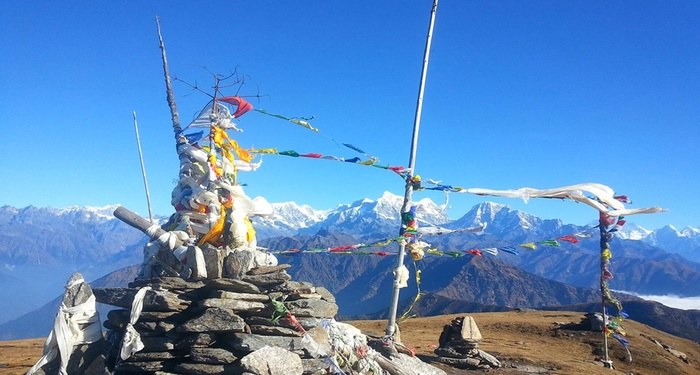
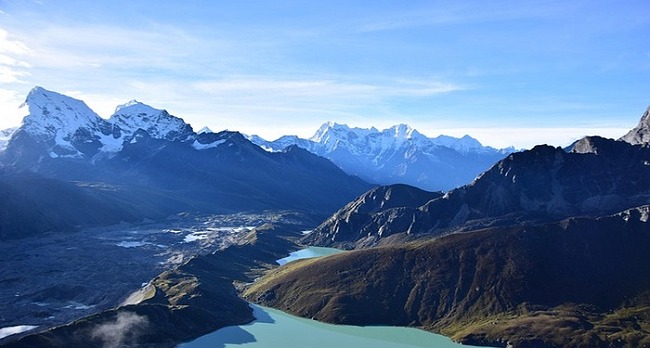
Pikey Peak, standing at approximately 4,065 meters above sea level, is regarded as one of the outstanding viewpoints for panoramic views of the Everest Himalayan range. From the summit and surrounding ridges, trekkers can enjoy magnificent views of Mount Everest, Lhotse, Makalu, Cho Oyu, Kanchenjunga, Numbur Himal, Thamserku, Kangtega, Mera Peak, and other Himalayan peaks, depending on weather and visibility.
Unlike the busy Everest Base Camp trail, the Pikey Peak route is comparatively peaceful and less crowded. The trek begins with a scenic overland journey from Kathmandu toward the historic trekking town of Jiri, allowing travelers to enjoy Nepal’s changing landscapes before entering the Himalayan foothills. The trail gradually passes through terraced farmland, forests, ridges, small settlements, monasteries, Buddhist stupas, prayer flags, mani walls, and traditional mountain communities.
At Himalayan Adventure Intl Treks, we organize the Jiri Pikey Peak Trek with careful attention to safety, comfortable accommodation, experienced trekking guides, transportation, permits, meals, acclimatization, and personalized services. Whether you are interested in Himalayan photography, mountain landscapes, Sherpa culture, Buddhist heritage, nature, or peaceful trekking, this route provides an excellent opportunity to explore a different side of the Everest region.
The Jiri Pikey Peak Trek is attractive because it offers a combination of natural beauty and cultural exploration.
Pikey Peak Trek is particularly famous for its outstanding mountain panorama. Although the peak is considerably lower than many famous Himalayan destinations, its position provides an exceptional perspective toward the Everest range.
One of the most memorable experiences is reaching the Pikey ridge early in the morning. As the first sunlight touches the Himalayan peaks, the mountains gradually change color. On clear days, the views can stretch across several major Himalayan ranges.
The trail also offers something that many busy trekking routes cannot provide: peace and cultural authenticity.
Instead of walking through large groups of trekkers every day, travelers often encounter quiet forests, small settlements, yak grazing areas, Buddhist prayer flags and local villagers following their traditional lifestyles.
For photographers, nature lovers and travelers who prefer less crowded trekking routes, Pikey Peak is an excellent choice.
Pikey Peak lies in the Solukhumbu district of Nepal, within the wider Everest region. The peak reaches around 4,065 meters and is surrounded by beautiful Himalayan landscapes and traditional mountain settlements.
The trekking route approaches Pikey Peak through the lower Himalayan hills rather than immediately flying to Lukla. This makes the journey different from the classic Everest Base Camp itinerary.
The overland approach through Jiri and Shivalaya also allows trekkers to experience the gradual geographical transition from Kathmandu Valley to the mid-hills and finally into the high Himalayan environment.
Jiri is historically associated with trekking routes toward the Everest region. Before Lukla became the principal gateway for many Everest trekkers, Jiri was an important starting point for expeditions heading toward the Khumbu.
The drive from Kathmandu toward Jiri provides a fascinating introduction to rural Nepal. The road passes through green hills, rivers, terraced fields, forests and traditional settlements.
Beginning the trek from this lower elevation also provides a gradual transition toward higher altitudes. Rather than rapidly gaining elevation, trekkers have more opportunity to adapt to the changing environment.
The adventure starts after your arrival in Kathmandu and completion of necessary preparations.
Depending on the selected itinerary and road conditions, the journey heads toward the Jiri/Shivalaya area by road. The drive itself is an important part of the experience.
The scenery changes continuously as the vehicle leaves Kathmandu Valley. Green agricultural fields, winding mountain roads, rivers, forests and hillside settlements appear along the route.
As the elevation increases, the landscape becomes increasingly mountainous. Traditional houses, small roadside markets and terraced farms provide a glimpse into rural Nepalese life.
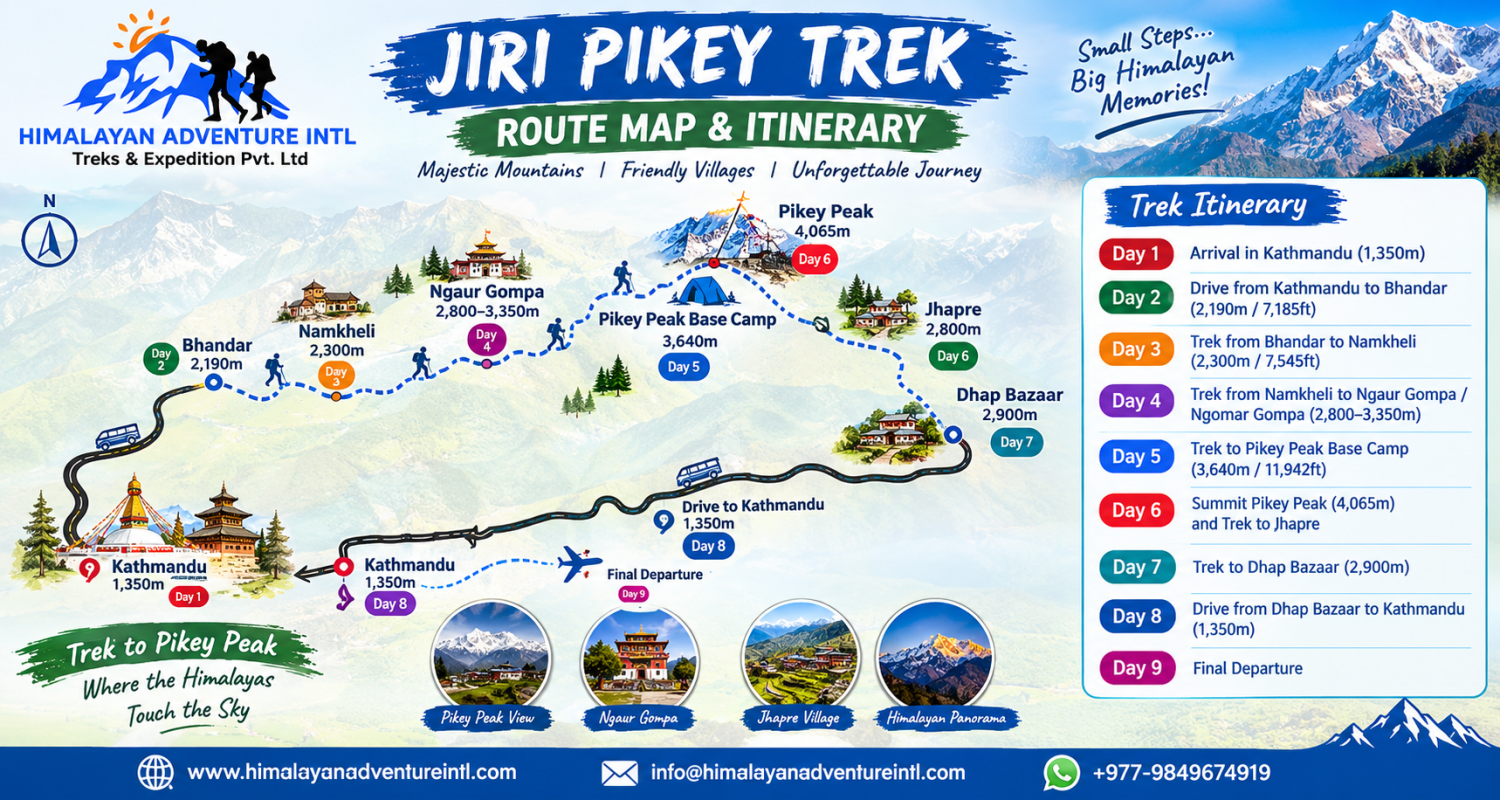
After leaving the roadhead, the walking trail passes through numerous traditional settlements. Depending on the exact itinerary, trekkers may pass through places such as Bhandara, Namkheli and Pikey Danda before reaching the Pikey area.
The villages are important parts of the experience because the journey is not only about reaching a mountain summit.
Along the trail, you can observe:
The slower pace of walking provides opportunities to interact respectfully with local people and learn about their way of life.
The highlight of the trek is reaching Pikey Peak at approximately 4,065 meters.
The summit area provides a broad Himalayan panorama. On a clear day, trekkers can see numerous snow-covered peaks stretching across the horizon.
Among the mountains visible from the Pikey region are:
The exact visibility depends on weather, season and atmospheric conditions.
The sunrise experience is especially impressive. Before dawn, trekkers may start walking toward the viewpoint with headlamps. As the horizon brightens, the silhouettes of the mountains gradually become visible.
The first rays of sunlight illuminate the snowy summits, creating one of the most memorable moments of the trek.
Pikey Peak is especially popular for sunrise and sunset photography.
During sunrise, the eastern Himalayan peaks may glow with golden light. At sunset, the mountains can take on orange, pink and purple shades.
Trekkers interested in photography should carry sufficient battery power because cold temperatures can reduce battery performance.
A tripod may also be useful for photographers, although trekkers should consider its weight before carrying one throughout the trek.
One of the most valuable aspects of the Jiri Pikey Peak Trek is its cultural experience.
The lower Solukhumbu region is home to communities with strong Himalayan traditions. Sherpa culture is particularly important around the trekking route.
The journey provides opportunities to observe Buddhist traditions, local festivals, architecture, food, clothing and everyday village life.
Pikey is also connected with local Sherpa religious and cultural traditions. The name Pikey is associated with a local deity or clan-related cultural tradition, and the surrounding region has strong connections with Tibetan Buddhism.
Trekkers should always respect local customs. When visiting monasteries, dress appropriately, avoid disturbing religious ceremonies and ask permission before photographing people or sacred activities.
The Pikey Peak route passes through areas where Buddhism plays an important role in everyday life.
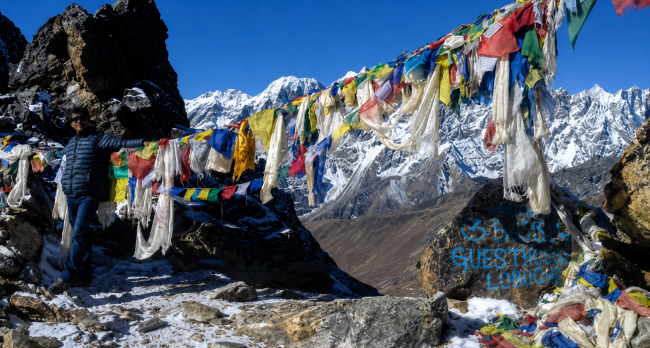
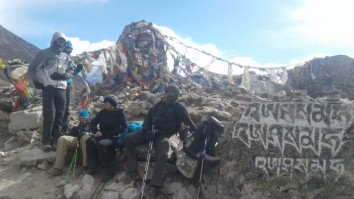
Monasteries, stupas, prayer flags, mani stones and prayer wheels can be found along the route.
A visit to local monasteries, including monasteries around the Pikey and Junbesi areas, provides insight into Himalayan Buddhist traditions.
The sound of prayer wheels turning in the mountain breeze and colorful prayer flags moving above the trail create a peaceful atmosphere.
For travelers interested in Tibetan Buddhism and Himalayan spirituality, this cultural aspect can be just as memorable as the mountain scenery.
Junbesi is one of the most important settlements along the route and is widely known for its Sherpa heritage.
The village is surrounded by mountains and forests and provides an excellent opportunity to experience traditional Himalayan culture.
Junbesi is also an important cultural stop because of its monasteries and Buddhist heritage.
Visitors can explore the village, observe traditional architecture and interact with local communities while respecting their privacy and traditions.
The surrounding landscape is particularly beautiful, with forested slopes, mountain ridges and distant snow-covered peaks.
Another important part of the trek is crossing the Lamjura La area, depending on the selected route and itinerary.
The pass provides beautiful views of surrounding valleys and mountain landscapes.
Crossing a Himalayan pass requires a steady pace because the trail can be steep in sections. Weather can also change rapidly at higher elevations.
Trekkers should therefore follow the guide's instructions, remain hydrated and avoid rushing.
The Pikey Peak region is rich in Himalayan biodiversity.
At lower elevations, the trail passes through agricultural areas and mixed forests. As the elevation increases, vegetation changes gradually.
During spring, rhododendron forests can become particularly beautiful. Nepal's national flower appears in different colors, including red, pink and white varieties.
You may also encounter:
The region also provides habitat for various birds and Himalayan wildlife.
Possible wildlife sightings include Himalayan thar and other mountain animals, although sightings are never guaranteed.
Birdwatchers may enjoy observing Himalayan species throughout the forested sections.
The best seasons for the Jiri Pikey Peak Trek are generally spring and autumn.
Spring is one of the most attractive seasons because the weather is usually favorable and forests can be filled with blooming rhododendrons.
Mountain visibility is often good, especially during the morning.
Spring is an excellent season for:
Autumn is another excellent trekking season.
After the monsoon, the atmosphere is often clearer, producing impressive mountain views.
September, October and November are popular months for trekking in Nepal.
Winter trekking is possible for experienced trekkers, but temperatures can become very cold, especially at night and around higher ridges.
Snow may affect some sections of the trail.
Proper winter equipment, warm sleeping bags, gloves, insulated clothing and good footwear are essential.
The monsoon season brings rain, clouds and potentially muddy or slippery trails.
Mountain visibility may be limited.
However, experienced trekkers who enjoy green landscapes and quieter trails may still consider the trek with appropriate preparation.
The Jiri Pikey Peak Trek is generally considered a moderate to challenging Himalayan trek.
You do not need to be an elite mountaineer, but you should have reasonable physical fitness and be comfortable walking for several hours per day.
The main challenges include:
Regular walking, hiking, stair climbing and cardiovascular exercise before the trek can help improve endurance.
Pikey Peak reaches around 4,065 meters, so altitude awareness is important.
Although the trek does not reach the extreme elevations of some Everest-region itineraries, trekkers can still experience altitude-related symptoms.
Common symptoms can include:
The best approach is gradual altitude gain, adequate hydration, sufficient rest and a comfortable walking pace.
If someone develops serious or worsening symptoms, they should immediately inform the guide and descend if necessary.
Our guides at Himalayan Adventure Intl Treks monitor trekkers throughout the journey and help manage the itinerary according to trail conditions and individual circumstances.
Accommodation is generally provided in local teahouses, lodges or guesthouses.
Facilities vary according to the location.
A typical trekking lodge may provide:
At higher elevations, facilities become simpler.
A good-quality sleeping bag is strongly recommended, particularly during spring, autumn and winter.
Food is an important part of the trekking experience.
Typical meals may include:
Dal bhat, consisting of rice, lentil soup, vegetables and accompanying dishes, is one of the most popular trekking meals because it provides energy for long walking days.
Travelers should drink sufficient water and avoid excessive alcohol during the trek.
There are many trekking routes in Nepal, but the Jiri Pikey Peak Trek stands out because it combines mountain views, culture, nature and peaceful trails.
The classic Everest Base Camp route is famous for its dramatic high-altitude landscapes and iconic destinations. Pikey Peak offers a different experience.
Here, the journey itself becomes the attraction.
You travel through rural Nepal, walk among forests, meet local communities, visit monasteries and eventually reach a spectacular Himalayan viewpoint.
For travelers who want to experience the Everest region without following only the busiest trekking corridor, Pikey Peak can be an excellent alternative.
Packing correctly is essential for a comfortable and safe trek.
Pack according to the season and expected weather. Avoid carrying unnecessary items because your backpack becomes increasingly noticeable during long uphill sections.
Choosing a reliable trekking company can make a significant difference to your experience.
Himalayan Adventure Intl Treks provides professionally organized trekking experiences throughout Nepal.
Our services focus on:
We understand that every traveler has different expectations. Therefore, we can customize the itinerary according to your available time, fitness level, interests and preferred trekking style.
The Pikey Peak region is culturally and environmentally sensitive. Responsible tourism helps protect the destination for future generations.
Trekkers should:
Traveling responsibly allows local communities to benefit from tourism while preserving the natural environment.
The trek is suitable for travelers who have reasonable fitness and a spirit of adventure.
It is particularly suitable for:
Age alone does not determine whether someone can complete the trek. Fitness, previous trekking experience, health considerations and preparation are more important factors.
The Jiri Pikey Peak Trek is more than a walk to a Himalayan viewpoint. It is a complete journey through the landscapes and cultures of eastern Nepal.
From the road journey toward Jiri and Shivalaya to peaceful forests, traditional villages, Buddhist monasteries and the magnificent summit of Pikey Peak, every stage provides something different.
The sunrise from Pikey Peak can be the unforgettable highlight, but the cultural encounters, mountain villages, rhododendron forests, prayer flags, monasteries and changing landscapes make the entire journey memorable.
If you want to explore the Everest region from a quieter and more culturally immersive perspective, the Jiri Pikey Peak Trek is an excellent choice.
Himalayan Adventure Intl Treks is ready to organize your journey with experienced guides, reliable transportation, accommodation, necessary permits and carefully planned trekking arrangements.
For itinerary details, customized programs, group departures or private trekking arrangements, contact us:
Kathmandu. A representative from Himalayan Adventure Intl Treks will welcome you at the airport and transfer you comfortably to your hotel. After check-in, you can rest and recover from your journey.
Depending on your arrival time, you may explore the nearby streets of Kathmandu or simply relax at the hotel. Your trekking team will provide important information about the journey and check your trekking equipment. This is also a good opportunity to make any final preparations before leaving for the mountains.
Overnight: Hotel in Kathmandu.
After breakfast, begin your scenic overland journey toward Bhandar. The drive takes approximately 8–10 hours, depending on road and traffic conditions. The route gradually leaves the Kathmandu Valley and enters the beautiful mid-hill landscape of Nepal.
You will pass through winding mountain roads, green hills, rivers, traditional settlements, and Jiri Bazaar, an important gateway to the Everest region. As the journey continues, the scenery becomes increasingly rural and peaceful.
Arriving at Bhandar, you will settle into your lodge and enjoy your first evening in the mountain environment. Bhandar is surrounded by green hills and traditional communities, making it an excellent starting point for the trek.
Overnight: Lodge in Bhandar.
Today you officially begin walking on the Pikey Peak trail. After breakfast, follow a peaceful mountain path through forests, terraced farmland, and traditional villages.
The trail provides an excellent introduction to the local lifestyle. You may encounter farmers working in their fields, children walking between villages, and traditional houses surrounded by cultivated terraces. The route involves several gradual climbs and descents, allowing your body to adjust naturally to the increasing elevation.
After approximately 5–6 hours of trekking, reach Namkheli. The village offers a quiet atmosphere and an opportunity to experience local mountain hospitality.
Overnight: Lodge in Namkheli.
Today the trail becomes more mountainous as you gain elevation toward the highlands. After breakfast, walk through peaceful forests dominated by pine, rhododendron, and other Himalayan vegetation.
As you climb higher, the landscape gradually changes from cultivated hillsides to open mountain terrain and high pasturelands. Along the way, you may see prayer flags, chortens, mani walls, and Buddhist cultural landmarks reflecting the spiritual traditions of the Sherpa communities.
The approximately 6-hour trek takes you toward Ngaur Gompa/Ngomar Gompa, where the surrounding environment becomes increasingly remote and serene. Spend the evening relaxing and enjoying the peaceful mountain setting.
Overnight: Lodge/teahouse near Ngaur Gompa.
Today is an exciting stage of the trek as you approach Pikey Peak Base Camp. The trail continues through open landscapes, forests, and alpine pastures. As you climb higher, the surrounding hills become broader and the mountain scenery becomes more impressive.
The route follows ridgelines and gradual uphill sections, with several excellent viewpoints along the way. On clear days, you may begin to see magnificent Himalayan peaks in the distance.
After approximately 4–5 hours of trekking, arrive at Pikey Peak Base Camp. Take time to relax, enjoy the mountain views, and prepare for the following day's early-morning summit.
Because the elevation is now considerably higher, your trekking guide will encourage you to drink plenty of water, eat well, and get sufficient rest.
Overnight: Teahouse/lodge at Pikey Peak Base Camp.
Today is the highlight of your adventure. You will wake early and begin the climb toward the summit of Pikey Peak at 4,065m.
The ascent can be demanding, but the reward is an unforgettable Himalayan panorama from the summit. At the top, you can enjoy breathtaking views of Mount Everest and other Himalayan peaks, weather permitting. Prayer flags fluttering in the mountain wind add to the spiritual atmosphere of the summit.
After spending time at the viewpoint and taking photographs, descend from Pikey Peak and continue toward Jhapre. The trail gradually loses elevation as it passes through beautiful mountain terrain.
The entire walking day takes approximately 5–6 hours, depending on the trail conditions and group pace. Upon reaching Jhapre, relax at your lodge and enjoy a well-earned meal.
Overnight: Lodge in Jhapre.
After breakfast, continue your journey through the scenic lower Himalayan landscape toward Dhap Bazaar. Today's trail is comparatively relaxed after the demanding summit experience.
Walk through forests, farmland, small settlements, and rolling hills while enjoying the peaceful atmosphere of the Solukhumbu region. The route provides opportunities to observe local lifestyles and appreciate the changing landscape as you gradually descend and traverse the mountain ridges.
After several hours of walking, arrive at Dhap Bazaar, a small settlement surrounded by beautiful hills. Spend the afternoon resting or exploring the local area.
This final trekking day provides a pleasant conclusion to your Pikey Peak walking experience before returning to Kathmandu.
Overnight: Lodge in Dhap Bazaar.
Today you leave the mountains and return to Kathmandu by road. After breakfast, begin the scenic drive through Nepal's mid-hill countryside.
The journey provides another opportunity to enjoy views of terraced farmland, rivers, forests, villages, and winding mountain roads. As you approach Kathmandu, the landscape gradually becomes more populated.
Upon arrival in Kathmandu, transfer to your hotel and enjoy a comfortable evening. You can rest after the long journey, explore the surrounding area, or purchase souvenirs and gifts.
Overnight: Hotel in Kathmandu.
Your memorable Pikey Peak Trek with Himalayan Adventure Intl Treks comes to an end today. Depending on your flight schedule, you may have some free time in Kathmandu for shopping or relaxation.
Our representative will arrange your transfer to Tribhuvan International Airport in time for your international flight. We hope your Pikey Peak adventure has provided wonderful memories of Nepal's mountains, Sherpa culture, Buddhist traditions, and Himalayan landscapes.
Farewell and safe journey home!