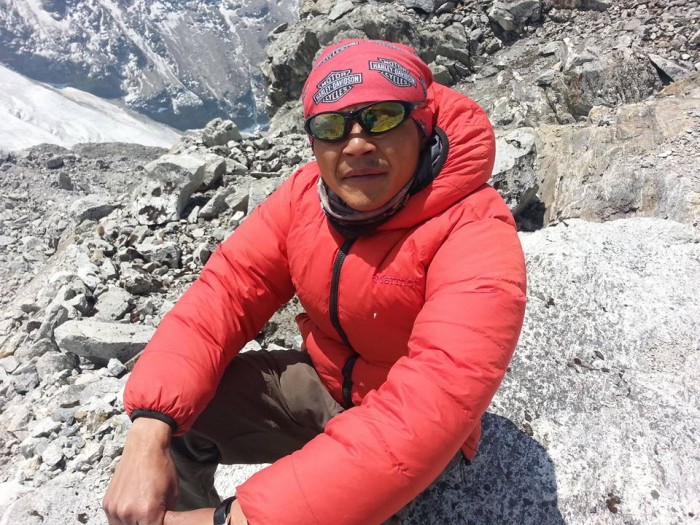
Have Questions? Talk to Expert (Binod)

Mundhum Trek is one of the most fascinating off-the-beaten-path trekking experiences in eastern Nepal, combining spectacular Himalayan scenery, ancient Kirati culture, sacred landscapes, remote mountain villages, rhododendron forests, alpine meadows, and peaceful ridge walking. Unlike Nepal’s crowded trekking destinations, the Mundhum Trail offers an opportunity to explore a relatively quiet and authentic part of the country where traditional lifestyles and natural landscapes remain closely connected.
The trail is associated with the Mundhum, the oral cultural tradition and knowledge system of the Kirat people, particularly the Rai and Limbu communities. It crosses the beautiful highlands of eastern Nepal and reaches Silichung Peak at around 4,153 meters, the highest point of the trail. From this spectacular viewpoint, trekkers can enjoy magnificent panoramas of the eastern Himalayan ranges, including Mount Everest, Makalu, Kanchenjunga, Lhotse, and numerous other peaks.
The Mundhum Trail was recognized among Nepal’s important emerging tourism destinations in 2018 and has increasingly attracted travelers looking for authentic cultural and nature-based experiences away from the busiest Himalayan routes.
At Himalayan Adventure Intl Treks, we specialize in designing carefully managed journeys into Nepal's less-explored destinations. Our Mundhum Trek is ideal for travelers who want to experience eastern Nepal through its landscapes, communities, traditions, sacred places, and Himalayan viewpoints rather than simply following a busy commercial trekking route.
The Mundhum Trek is a cultural and natural trekking route in the eastern hills of Nepal. The word Mundhum or Mundum refers to an oral tradition that preserves important knowledge, stories, beliefs, rituals, customs, history, and cultural values of the Kirat communities.
The route passes through landscapes historically connected with Kirati communities and sacred places. The trail is therefore much more than a physical hiking route. It is a journey through a living cultural landscape.
According to the Nepal Tourism Board, the Mundhum Trail stretches across parts of Bhojpur, Khotang, Solukhumbu, and Sankhuwasabha, following high ridges and passing culturally significant settlements and landscapes.
The modern trekking route is generally associated with places such as Chakhewa Bhanjyang, Dhotre, Maiyung or Hans Pokhari, Hyakule, Rawa Dhap, Nikas, Salpa Bhanjyang, Salpa Pokhari, and Silichung Peak.
The trail is particularly attractive to travelers who have already visited popular destinations in Nepal and now want something different: fewer trekkers, more interaction with local communities, and a stronger connection with eastern Nepal.
The Mundhum Trail lies in eastern Nepal, primarily across the highland areas of Koshi Province. It connects landscapes associated with Khotang, Bhojpur, Solukhumbu, and Sankhuwasabha.
One of the commonly used approaches begins from the Diktel area and continues toward the ridge country around Chakhewa. Another approach can be organized from the Bhojpur side depending on road conditions and the travel plan.
The main trekking section follows ridges rather than a deep river valley. This makes the journey particularly scenic because trekkers repeatedly gain elevated viewpoints overlooking surrounding hills, valleys, forests, villages, and distant Himalayan peaks.
The trail reaches its dramatic high point at Silichung Peak, while Salpa Pokhari is one of the most culturally significant natural attractions along the route.
For decades, international trekkers visiting Nepal generally concentrated on destinations such as Everest, Annapurna, Langtang, Manaslu, and Mustang. These areas remain spectacular, but increased popularity also means that some routes can become busy during peak seasons.
Mundhum offers a different experience.
The route is still developing as an international trekking destination, and its infrastructure is comparatively basic. That is exactly what attracts travelers searching for authenticity.
Instead of large trekking settlements filled with commercial lodges, the Mundhum Trail offers:
The Nepal Tourism Board describes the route as a hidden cultural ridge trail combining spirituality, Kirat heritage, mountain scenery, and natural diversity.
One of the strongest reasons to choose Mundhum Trek is its peaceful character.
When you walk along the trail, you are not surrounded by crowds of trekkers. Instead, the sounds of forests, birds, wind, livestock, and village life become part of the experience.
The landscape changes gradually as the trail gains elevation. Lower sections feature cultivated fields, villages, bamboo, and broadleaf forests. Higher areas introduce rhododendron forests, open grasslands, alpine vegetation, and exposed ridges.
The feeling of remoteness is particularly strong around the higher sections of the trail.
For travelers who want to photograph landscapes, experience rural Nepal, observe indigenous culture, or simply spend several days away from busy tourist centers, Mundhum is an excellent choice.
Culture is the heart of the Mundhum Trek.
The trail passes through areas where Rai, Limbu, and other Kirati communities have maintained distinctive traditions and ways of life for generations.
Mundhum represents an important oral cultural tradition containing stories, knowledge, beliefs, rituals, history, and values. The trail itself is therefore connected to cultural landscapes rather than simply being a newly constructed hiking path.
Travelers may observe traditional houses, agricultural practices, livestock raising, local celebrations, community gatherings, traditional foods, and cultural performances depending on the season.
The experience becomes even more meaningful when visitors stay in local homestays. Rather than simply passing through a village, you have an opportunity to spend time with local families and learn how people live in the eastern hills.
The warmth of local communities is one of the memorable aspects of Mundhum Trek.
Many villages along the trail are developing community-based accommodation and tourism services. These homestays help visitors experience local life while creating direct economic benefits for residents.
A homestay may provide:
Facilities are simpler than those found on established Everest or Annapurna trekking routes. However, the simplicity is part of the experience.
For Himalayan Adventure Intl Treks, responsible tourism means respecting local customs, purchasing local products where possible, minimizing waste, and ensuring that communities benefit from tourism.
Food is another way to understand the culture of eastern Nepal.
Dal bhat remains one of the most reliable trekking meals in Nepal and is particularly useful because it provides carbohydrates, vegetables, lentils, and energy for long walking days.
Depending on the village and season, travelers may encounter local foods and drinks such as:
Food availability varies from village to village because the Mundhum Trail is less developed than major trekking routes. We therefore recommend travelers approach meals with an open mind and enjoy the opportunity to taste locally prepared dishes.
Silichung Peak is the spectacular high point of the Mundhum Trail.
Current descriptions of the trail place the summit at approximately 4,153 meters above sea level, although some trekking materials round the altitude to around 4,200 meters.
The ascent is physically demanding but highly rewarding.
From the summit area, the surrounding landscape opens dramatically. On clear days, trekkers can enjoy expansive views toward the eastern Himalayan ranges, including Everest, Makalu, Kanchenjunga, Lhotse, and other snow-covered mountains.
The summit is especially beautiful during sunrise and sunset. Early morning light gradually illuminates the surrounding ridges and mountains, while evening light can turn distant snow peaks golden.
For photographers, Silichung is one of the major reasons to undertake the Mundhum Trek.
For local communities, however, Silichung has an importance that extends beyond scenery. It is part of a sacred cultural landscape associated with Kirati beliefs and traditions.
Salpa Pokhari is another major attraction of the Mundhum Trail.
The lake sits in a high mountain landscape and is revered by local communities. It is not simply a scenic lake for photography; it is also associated with religious and cultural practices.
The Nepal Tourism Board places Salpa Pokhari at approximately 3,672 meters, while different local sources sometimes provide different elevation figures.
The lake becomes especially meaningful during traditional religious occasions when pilgrims and visitors gather in the area.
Surrounded by mountains, forests, open ridges, and alpine landscapes, Salpa Pokhari provides a peaceful place for reflection.
Visitors should remember that this is a sacred landscape. Respecting local rituals, avoiding litter, and following the instructions of local guides are important parts of responsible travel.
The landscapes around Dhotre and Maiyung are among the beautiful sections of the Mundhum Trail.
Dhotre introduces trekkers to the ridge environment, traditional settlements, forests, and surrounding agricultural landscapes.
Further along, Maiyung and Hans Pokhari provide scenic highland environments where forests and open grasslands create a dramatic transition between lower hills and higher mountain country.
The area is particularly attractive during spring when rhododendrons and other wildflowers bring color to the hills.
Rawa Dhap and Salpa Bhanjyang are important landmarks along the main ridge route.
Rawa Dhap is surrounded by highland landscapes and provides an opportunity to experience the changing environment as the trail approaches the higher elevations.
Salpa Bhanjyang is strategically important because it leads toward the sacred Salpa area and the Silichung section of the trek.
The ridge walking around these areas can be particularly enjoyable on clear days because trekkers gain broad views instead of being confined to narrow valleys.
Mundhum is not only a cultural trekking route. It is also a destination for nature lovers.
The route crosses several ecological zones as elevation increases. Forest composition changes from lower-elevation vegetation toward rhododendron, bamboo, coniferous, and alpine environments.
A recent scientific study of the Mundhum Trekking Trail documented 264 species of flowering plants, highlighting the significant botanical diversity of the area. The study also identifies Silchung and Salpa Pokhari as important cultural and ecological attractions.
During the trek, visitors may encounter many Himalayan birds. With patience and good fortune, wildlife sightings are also possible.
Potential wildlife includes:
Wildlife sightings are never guaranteed. The best approach is to walk quietly, avoid disturbing animals, and travel with an experienced local guide.
Spring is one of the most beautiful periods on the Mundhum Trail.
Nepal's rhododendron forests burst into bloom, transforming sections of the trail into colorful corridors.
The combination of:
green hills + red and pink rhododendrons + blue sky + distant snow peaks
creates an extraordinary Himalayan landscape.
The higher ridges also feature alpine flowers and grasses, while lower sections can include cultivated fields and forest vegetation.
Nature photographers and botanical enthusiasts will find plenty of opportunities for landscape and close-up photography.
The Mundhum region is also associated with the historical approach toward the Everest region.
Local accounts describe Tenzing Norgay Sherpa and Sir Edmund Hillary as having traveled through the wider Salpa area during their historic Everest expedition journey. Contemporary local reporting also preserves this connection, noting that the route around Salpa was used in the historical approach toward Everest.
This gives the region an additional layer of historical interest.
However, it is useful to distinguish the modern Mundhum trekking route from the exact expedition route. The Mundhum Trail is primarily celebrated today as a cultural and natural ridge trail, while its connection to early Everest approaches forms part of the wider historical story of eastern Nepal.
Mountain scenery is one of the biggest attractions.
Unlike some valley-based treks where high mountains appear only from a few viewpoints, Mundhum's ridge environment can provide broad horizons.
On clear days, trekkers may see:
The exact visibility depends heavily on weather, season, atmospheric conditions, and the location along the trail.
Silichung is particularly important because of its elevated position and wide panorama.
Yes, the Mundhum Trek can be suitable for fit beginners, but it should not be considered an effortless hike.
The trail includes:
A reasonable level of physical fitness is recommended.
If you can comfortably walk several hours on hilly terrain and prepare with regular hiking or cardio training before departure, you will be better prepared for the trail.
Beginners should not underestimate the Silichung section. Although the maximum altitude is lower than Everest Base Camp and many high-pass treks, the combination of elevation and terrain still requires proper preparation.
The Mundhum Trek is generally considered a moderate trekking adventure.
The difficulty depends on the selected route, road conditions, walking hours, weather, and individual fitness.
The biggest challenges are not technical climbing. Rather, they involve sustained walking, elevation gain, uneven trails, limited infrastructure, and unpredictable mountain weather.
A typical trekker should prepare for approximately 5–7 hours of walking on many trekking days, although actual walking times vary according to the route.
At Himalayan Adventure Intl Treks, we can adjust the pace according to your fitness level and experience.
Although Mundhum does not reach the extreme elevations of Everest Base Camp or high-pass treks, Silichung rises above 4,000 meters.
Altitude awareness therefore remains important.
Good practices include:
Symptoms such as persistent headache, unusual fatigue, dizziness, nausea, breathing difficulty, confusion, or worsening coordination should be taken seriously.
Your guide should monitor your condition and make decisions based on safety rather than simply completing the planned route.
The best seasons for Mundhum Trek are generally spring and autumn.
Spring brings pleasant trekking conditions and spectacular flowering landscapes.
March, April, and May are especially attractive for:
April is often particularly appealing for travelers who want to combine mountain views with colorful forests.
Autumn is another excellent season.
After the summer monsoon, the atmosphere often becomes clearer and the mountain views can be spectacular.
September can still experience some post-monsoon rainfall, while October and November are generally among the most reliable trekking months.
Autumn also provides opportunities to experience local cultural celebrations depending on the exact travel dates and village.
Winter can be cold at higher elevations.
Snow may occur in the higher sections depending on weather conditions. The advantage is that there are fewer trekkers and the landscapes can feel exceptionally peaceful.
Winter trekking requires warmer clothing and careful consideration of local weather and trail conditions.
The summer monsoon brings heavy rainfall to much of eastern Nepal.
Trails can become muddy and slippery, while clouds can reduce mountain visibility.
However, the landscape becomes exceptionally green, and experienced travelers who enjoy wet-weather trekking may still consider the region.
For most international trekkers, spring and autumn remain the preferred seasons.
Permit requirements can change as Nepal develops and manages emerging trekking routes.
The Nepal Tourism Board currently lists the mandatory guide and TIMS requirements for several protected trekking regions, particularly established routes within designated protected areas.
For Mundhum Trek, permit arrangements should therefore be confirmed before departure based on the exact route, entry points, protected areas crossed, and current government regulations.
Some current trekking operators describe the Mundhum Trail as requiring a TIMS card, with no restricted-area permit comparable to Upper Mustang or Manaslu.
Because regulations can change, Himalayan Adventure Intl Treks will verify the applicable permits and local fees before your trek rather than relying on outdated information.
Accommodation on the Mundhum Trail is more basic than on major Himalayan trekking routes.
Travelers can expect a combination of:
Homestays are particularly valuable because they create a direct connection with local communities.
Rooms are generally simple, and shared facilities are common.
Hot showers, electricity, Wi-Fi, charging, and reliable mobile connectivity may be limited or unavailable in some sections.
This is one reason Mundhum is best suited to travelers who value authentic experiences over luxury infrastructure.
Mobile connectivity varies significantly along the route.
Some villages have mobile networks, while higher ridges and remote sections can have weak or no signal.
If you need internet access, purchase a local SIM card and data package in Kathmandu and carry a power bank.
Do not expect continuous high-speed internet throughout the trek.
For many trekkers, this becomes an advantage: it allows you to disconnect from everyday digital distractions and concentrate on the mountains and communities around you.
Travel insurance is strongly recommended.
Your policy should ideally cover:
Always check the exact altitude and activity limits in your insurance policy.
Do not assume that a standard travel insurance policy automatically covers trekking above 4,000 meters.
A professional guide adds enormous value to a Mundhum Trek.
Because this is a developing trekking destination, trails can be less obvious than on heavily trafficked routes.
A knowledgeable local guide can help with:
A guide also helps travelers understand the cultural meaning of places rather than treating sacred locations simply as tourist attractions.
At Himalayan Adventure Intl Treks, we work with experienced local trekking professionals who understand the eastern Nepal environment and communities.
Because Mundhum is still relatively undeveloped, responsible tourism is extremely important.
Visitors can help protect the region by:
The future of the Mundhum Trail depends on balancing tourism development with conservation of its natural and cultural heritage.
The cost of Mundhum Trek depends on several factors, including group size, transportation, accommodation standards, guide and porter services, duration, permits, meals, and whether you choose a private or customized trip.
Because the route is still developing, transportation and local accommodation costs can also change.
At Himalayan Adventure Intl Treks, we provide a personalized quotation based on your preferred travel dates, group size, transportation arrangement, accommodation style, and services.
A private trek can include:
The final price is confirmed after discussing your requirements.
At Himalayan Adventure Intl Treks, we believe trekking should be more than reaching a destination.
Our goal is to connect travelers with Nepal's landscapes and people while maintaining safety, responsible tourism, and authentic experiences.
For the Mundhum Trek, we focus on:
Local Knowledge:
We work with guides familiar with eastern Nepal and its communities.
Flexible Planning:
The trek can be customized according to your available time, fitness, transportation preference, and interests.
Cultural Respect:
We encourage meaningful interaction with local communities while respecting traditions and sacred places.
Safety:
Our guides monitor weather, trail conditions, altitude, and your overall well-being.
Community Tourism:
Where possible, we use local accommodation and services so tourism benefits communities along the route.
Authentic Experience:
Rather than turning the trek into a rushed sightseeing trip, we encourage travelers to appreciate the landscape, people, food, and culture.
Mundhum is especially suitable for:
It may not be the best choice for travelers who expect luxury hotels, continuous Wi-Fi, highly developed trails, or extensive modern trekking infrastructure.
Everest Base Camp is globally famous for its legendary mountain scenery, Sherpa culture, established infrastructure, and iconic trekking experience.
Mundhum offers something different.
| Mundhum Trek | Everest Base Camp Trek |
|---|---|
| Less crowded | More popular and busier |
| Strong Kirati cultural focus | Strong Sherpa cultural focus |
| Eastern Nepal | Khumbu/Everest region |
| Silichung Peak around 4,153m | Everest Base Camp around 5,364m |
| Community homestays and basic lodges | Extensive tea-house network |
| Emerging trekking destination | Highly established route |
| Peaceful ridge walking | Famous high-altitude valley trekking |
| Excellent for cultural exploration | Excellent for Everest-focused adventure |
Choose Mundhum if your priority is authenticity, solitude, culture, and discovery.
Choose Everest Base Camp if your primary dream is to trek directly into the legendary Khumbu and stand at the foot of Mount Everest.
There is nothing wrong with choosing a famous trekking route. Everest, Annapurna, and other established destinations are famous because they are genuinely spectacular.
But some travelers want to experience Nepal differently.
Mundhum allows you to slow down.
You can sit with a local family, drink tea, watch village life, walk through flowering forests, climb a quiet ridge, visit a sacred lake, and watch the sun illuminate distant Himalayan peaks.
The reward is not only a photograph.
It is a deeper understanding of eastern Nepal.
Mundhum is an excellent destination for landscape photography.
The best photographic subjects include:
Always ask permission before photographing individuals, religious ceremonies, or private cultural activities.
The greatest strength of the Mundhum Trek is its balance.
One moment you are walking through a peaceful forest.
The next, you arrive at a village where local people are working in the fields.
Later, the trail climbs above the tree line and opens toward snow-covered Himalayan peaks.
At Salpa Pokhari, the atmosphere becomes spiritual.
At Silichung, the landscape becomes dramatic.
This constant transition makes the trek remarkably diverse.
Mundhum Trek is an emerging cultural and nature trekking route in eastern Nepal associated with the Kirati communities and the Mundhum oral tradition.
The wider trail crosses highland areas associated with Khotang, Bhojpur, Solukhumbu, and Sankhuwasabha districts.
Silichung Peak is the highest major point, at approximately 4,153 meters above sea level.
It is generally a moderate trek involving several hours of walking, steep sections, uneven terrain, and high-altitude hiking.
Yes, physically fit beginners can undertake the trek with proper preparation and a knowledgeable guide.
March to May and September/October to November are generally the most favorable periods, with spring offering rhododendron blooms and autumn often providing excellent mountain visibility.
Depending on weather and viewpoint, trekkers can see Everest, Makalu, Kanchenjunga, Lhotse, and numerous other Himalayan peaks.
Salpa Pokhari is a sacred alpine lake along the Mundhum Trail with important cultural and religious significance.
Silichung is the highest viewpoint on the Mundhum Trail and offers expansive eastern Himalayan panoramas.
Yes. Cultural interaction is one of the defining features of the Mundhum Trek, particularly through villages, homestays, local food, festivals, and traditional practices.
Guide and permit requirements depend on the exact route and current government regulations. Himalayan Adventure Intl Treks will verify the requirements before departure.
Comprehensive trekking insurance covering the maximum altitude and emergency evacuation is strongly recommended.
Active families with appropriate preparation can consider the trek. The route should be customized according to children's ages and fitness.
Some local accommodations may provide connectivity, but reliable internet should not be expected throughout the trek.
Yes. Himalayan Adventure Intl Treks can customize the duration, transportation, walking pace, accommodation, guide and porter arrangements according to your needs.
The Mundhum Trek is a journey for travelers who want to discover a different side of Nepal.
It combines the beauty of eastern Nepal's forests and ridges with the spirituality and cultural richness of the Kirati communities. From traditional villages and terraced fields to sacred Salpa Pokhari and the dramatic summit of Silichung, every section of the trail offers something different.
The route is still relatively quiet compared with Nepal's famous Everest and Annapurna trekking corridors. That gives it a special character.
You are not simply trekking through mountains.
You are walking through a living cultural landscape.
You are learning about Mundhum traditions, meeting local families, tasting regional food, walking through rhododendron forests, crossing high ridges, and watching some of the world's greatest mountains appear across the horizon.
For travelers seeking off-the-beaten-path trekking in Nepal, Kirati culture, eastern Himalayan scenery, peaceful mountain trails, and authentic community experiences, Mundhum is an outstanding choice.
Let Himalayan Adventure Intl Treks help you discover this remarkable hidden corner of Nepal with responsible planning, experienced local support, flexible arrangements, and a journey designed around your interests.
Mundhum Trek is not simply a trek—it is an exploration of nature, culture, spirituality, history, and the living heritage of eastern Nepal.
Your adventure begins with your arrival in Kathmandu, Nepal’s vibrant capital city. After landing at Tribhuvan International Airport, a representative from Himalayan Adventure Intl Treks will welcome you and transfer you to your hotel.
Once you have checked in and settled down, you can take time to relax after your journey or explore the nearby streets of Kathmandu. Depending on your arrival time, you may enjoy a short walk around the lively Thamel area, where you can find restaurants, traditional shops, trekking stores, cafés, and Nepalese handicrafts.
In the evening, your trekking team will organize a briefing about the Mundhum Trek. Your guide will introduce you to the trekking route, accommodation, transportation, weather conditions, safety procedures, and necessary preparations. You can also check your trekking equipment and make any final arrangements before leaving Kathmandu.
Although this is mainly an arrival and preparation day, it provides an important opportunity to become familiar with your guide and trekking team.
Highlights of the day:
Accommodation: Hotel in Kathmandu
Maximum Altitude: 1,350 m
After breakfast, you begin the long but fascinating drive toward Diktel Bazaar, the administrative center of Khotang District and an important gateway to eastern Nepal’s trekking regions.
The journey itself is an integral part of the adventure. As the vehicle leaves Kathmandu, the urban environment gradually gives way to green hills, winding mountain roads, terraced farmland, rivers, forests, and traditional villages. You will travel through changing landscapes and experience the everyday life of rural Nepal.
The road follows sections of major river valleys and passes through numerous hill settlements. Along the way, you may see farmers working on terraces, local markets, suspension bridges, colorful houses, and forests covering the surrounding hills.
As you approach Diktel, the landscape becomes increasingly remote and peaceful. Diktel Bazaar is surrounded by green hills and provides a wonderful introduction to the eastern Himalayan foothills.
Upon arrival, check into your accommodation and relax. Your guide can also provide information about the next day’s trek and local conditions.
Highlights of the day:
Accommodation: Lodge/Guesthouse
Maximum Altitude: 1,650 m
Today marks the beginning of your walking adventure. After breakfast, you leave Diktel Bazaar and follow the trail toward Chakhewa Village.
The route gradually climbs through beautiful countryside characterized by terraced fields, forested slopes, small settlements, and traditional houses. Unlike Nepal’s more popular trekking regions, the Mundhum trail offers a quieter experience where encounters with other trekkers are relatively limited.
As you walk farther from Diktel, the natural environment becomes increasingly peaceful. Depending on the season, the surrounding hills may be covered with blooming rhododendrons, green vegetation, or autumn foliage.
The trail also provides opportunities to observe the culture of eastern Nepal. Local communities have maintained many traditional customs, lifestyles, agricultural practices, and architectural features for generations.
Chakhewa is a peaceful settlement where you will spend the night. After reaching the village, take some time to rest and enjoy the surrounding scenery. Your guide can introduce you to aspects of local culture and explain the significance of the region.
Highlights of the day:
Accommodation: Lodge/Guesthouse
Maximum Altitude: 2,300 m
After breakfast, you continue your journey from Chakhewa Village toward Dhotre. The trail gradually moves deeper into the peaceful mid-hill landscape of eastern Nepal.
Today’s walking experience is dominated by forests, open hillsides, farmland, and traditional settlements. The trail follows natural contours of the hills, with gradual ascents and descents that allow you to enjoy the surrounding environment without the intense altitude gain found on some high Himalayan treks.
The route is particularly attractive for nature lovers. Depending on the season, you may encounter rhododendron forests, birds, butterflies, wildflowers, and other forms of Himalayan biodiversity.
One of the most appealing aspects of this section is the absence of large crowds. You can walk at a comfortable pace, enjoy quiet moments in nature, and interact with local villagers along the way.
Dhotre provides a peaceful overnight stop. After arriving, you can relax at the lodge and enjoy the sunset over the surrounding hills. Your guide will check your preparation for the following higher-altitude sections.
Highlights of the day:
Accommodation: Lodge/Guesthouse
Altitude: Dhotre
Today is an important day as the trail begins to gain significant elevation toward Maiyung at 3,122 meters.
After breakfast, you leave Dhotre and gradually climb through increasingly alpine surroundings. The vegetation changes as you gain altitude, and the landscape becomes more open and mountainous.
The trail passes through forests and ridges where the atmosphere is noticeably cooler than in the lower hills. On clear days, distant Himalayan peaks may appear between the ridges, creating exciting glimpses of the mountains ahead.
The journey toward Maiyung is also culturally fascinating. The Mundhum region is closely connected with the traditions and beliefs of the indigenous Rai communities. The word “Mundhum” refers to the oral spiritual and cultural tradition that plays an important role in the identity and heritage of several eastern Nepalese communities.
Upon reaching Maiyung, you will have time to rest and acclimatize to the higher altitude. Staying hydrated and maintaining a comfortable walking pace are important as you continue toward even higher elevations.
Highlights of the day:
Accommodation: Lodge/Guesthouse
Maximum Altitude: 3,122 m
Today you continue from Maiyung to Rawadhap, following a scenic ridge and forest trail through the highlands of eastern Nepal.
The landscape becomes increasingly wild and open as the trail moves farther away from populated areas. Forests, grassy slopes, mountain ridges, and broad views dominate the surroundings.
Walking at this elevation requires a steady and relaxed pace. Your guide will encourage regular breaks, particularly on uphill sections, allowing you to enjoy the landscape while minimizing fatigue.
The trail is especially beautiful during spring when rhododendrons and other wildflowers can add color to the forest. Autumn generally offers clearer skies and excellent visibility, making it a wonderful period for mountain scenery.
Rawadhap is a remote stop surrounded by beautiful natural landscapes. After reaching the settlement, enjoy a warm meal and rest. Because facilities along this route are more basic than on Nepal’s established trekking trails, the experience offers a genuine sense of adventure and wilderness.
Highlights of the day:
Accommodation: Lodge/Guesthouse
Altitude: Rawadhap
Today’s trek takes you from Rawadhap toward Salpa Bhanjyang, reaching an altitude of approximately 3,348 meters.
The trail continues through high ridges and forests, gradually climbing toward the mountain pass area. As you gain elevation, the scenery becomes more expansive, with wide views across the surrounding hills and valleys.
Salpa Bhanjyang is an important point along the Mundhum trekking route. The area has a distinctive highland atmosphere, with open landscapes, forested slopes, and mountain ridges stretching toward the horizon.
The gradual ascent provides another opportunity to adapt to the increasing altitude. Your guide will monitor your pace and encourage you to drink enough water and take regular rest breaks.
After arriving at Salpa Bhanjyang, enjoy the peaceful surroundings. The area is particularly beautiful around sunset and sunrise, when the changing light creates dramatic scenery across the ridges.
Highlights of the day:
Accommodation: Lodge/Guesthouse/Camp
Maximum Altitude: 3,348 m
Day eight is one of the most spectacular sections of the Mundhum Trek. Today you traverse the area around Silchung Hill, reaching approximately 4,200 meters.
The landscape changes dramatically as you move into a high-altitude environment. Forests gradually give way to open alpine meadows, grassy ridges, rocky terrain, and broad mountain panoramas.
Silchung Hill is one of the major attractions of the Mundhum region. From the higher viewpoints, clear weather can reveal impressive Himalayan scenery extending across eastern Nepal. The panoramic views are among the highlights of the entire journey.
This section should be completed at a comfortable pace because of the altitude. Your guide will carefully manage the walking speed and rest periods. Spending time at the viewpoints is worthwhile, but unnecessary exertion should be avoided.
The area also carries cultural importance and is associated with local traditions and beliefs. For travelers interested in combining natural scenery with indigenous culture, this section provides a particularly meaningful experience.
After completing the traverse, return to the designated overnight location and enjoy a well-earned rest.
Highlights of the day:
Accommodation: Lodge/Guesthouse/Camp
Maximum Altitude: 4,200 m
After the high-altitude experience around Silchung Hill, today the trail gradually descends toward Hyakule at approximately 2,972 meters.
The descent provides a noticeable change in scenery. Alpine landscapes gradually transition into greener hills and forests. After spending time at higher elevations, the warmer and more vegetated surroundings can feel refreshing.
The trail follows ridges and natural slopes, providing opportunities to enjoy expansive views while descending. Along the way, you may encounter grazing areas, forests, small settlements, and local people involved in traditional agricultural activities.
Descending does not necessarily mean the day is easy, as sections of the trail may involve uneven terrain and repeated uphill stretches. Nevertheless, the lower altitude generally makes breathing more comfortable.
Hyakule is a peaceful overnight location where you can relax and recover. Enjoy the quiet surroundings and prepare for the following day’s journey toward Hanspokhari.
Highlights of the day:
Accommodation: Lodge/Guesthouse
Maximum Altitude: 2,972 m
Today you continue from Hyakule to Hanspokhari, situated at approximately 2,962 meters.
The trail passes through beautiful forests, open hillsides, and traditional landscapes. This section of the trek is ideal for travelers who appreciate quiet nature and cultural encounters rather than busy tourist routes.
As you walk, the landscape gradually becomes more populated. You may see cultivated terraces, grazing animals, village houses, and local residents going about their daily routines.
Hanspokhari is surrounded by peaceful natural scenery and provides an excellent place to spend the night. The name itself refers to a pond area, reflecting the close relationship between local settlements and natural water sources.
After reaching Hanspokhari, you can relax and enjoy the surroundings. Depending on weather and season, sunset can create beautiful colors over the surrounding hills.
Your guide will also prepare you for the next day, when the trek descends further toward Bhojpur.
Highlights of the day:
Accommodation: Lodge/Guesthouse
Maximum Altitude: 2,962 m
Today marks the final major walking section of the Mundhum Trek. After breakfast, you descend from Hanspokhari toward Bhojpur, situated at approximately 1,700 meters.
The descent brings you back into warmer and greener environments. Forests become thicker, cultivated fields become more common, and settlements gradually increase.
The trail provides a final opportunity to experience the distinctive landscapes and communities of eastern Nepal. Along the way, you can reflect on the journey from Diktel through remote hills, high ridges, Silchung Hill, alpine terrain, and traditional villages.
As you approach Bhojpur, the atmosphere becomes more settled. Bhojpur is an important hill town in eastern Nepal and serves as a transportation and commercial center for the surrounding region.
After arriving in Bhojpur, check into your accommodation and enjoy a relaxing evening. This is an excellent opportunity to celebrate the successful completion of your Mundhum trekking adventure with your guide and trekking team.
Highlights of the day:
Accommodation: Hotel/Guesthouse
Maximum Altitude: 1,700 m
After breakfast, you begin the return journey from Bhojpur to Kathmandu.
The drive offers a final opportunity to appreciate eastern Nepal’s remarkable landscapes. You will travel through winding hill roads, valleys, forests, agricultural terraces, and traditional settlements before gradually approaching the Kathmandu Valley.
Although the journey is long, it provides a fascinating perspective on the geographical diversity of Nepal. During the drive, you can look back on the experiences of the previous days—from the cultural villages and peaceful forests to the high ridges and spectacular Silchung Hill landscapes.
Upon arrival in Kathmandu, transfer to your hotel and enjoy some free time. You may want to relax, shop for traditional handicrafts or souvenirs, enjoy a Nepalese meal, or explore the lively streets of Kathmandu.
In the evening, Himalayan Adventure Intl Treks can arrange a farewell gathering to celebrate the completion of your trek.
Highlights of the day:
Accommodation: Hotel in Kathmandu
Maximum Altitude: 1,350 m
Your wonderful journey through the Mundhum region comes to an end today.
Depending on your international flight schedule, you may have free time in Kathmandu before your airport transfer. You can use this time for last-minute shopping, sightseeing, or simply relaxing at your hotel.
A representative from Himalayan Adventure Intl Treks will arrange your transfer to Tribhuvan International Airport according to your flight departure time. Please make sure you have your passport, flight documents, personal belongings, and souvenirs before leaving the hotel.
As you depart Nepal, you take home memories of remote mountain trails, traditional villages, Rai culture, peaceful forests, high ridges, Silchung Hill, and the warm hospitality of the people you encountered along the way.
We hope the Mundhum Trek has provided you with an unforgettable experience of eastern Nepal and that you will return to explore more of the Himalayas with Himalayan Adventure Intl Treks.
Highlights of the day:
Trip Ends: Tribhuvan International Airport, Kathmandu
Duration: 13 Days
Trekking Region: Eastern Nepal
Starting Point: Kathmandu
Trekking Gateway: Diktel Bazaar
Ending Point: Bhojpur
Highest Point: Silchung Hill area, approximately 4,200 m
Major Cultural Community: Rai
Best For: Nature lovers, cultural travelers, photographers, adventure seekers, and trekkers looking for an off-the-beaten-path experience.
Himalayan Adventure Intl Treks provides professionally organized trekking experiences in Nepal with an emphasis on responsible travel, local culture, safety, and personalized service. The Mundhum Trek is particularly suited to travelers seeking a less-commercialized Himalayan experience where natural scenery and indigenous culture remain central to the journey.
The itinerary can also be adjusted according to road conditions, weather, local trail conditions, group fitness, and other practical circumstances. Since the Mundhum region is less developed than Nepal’s major trekking destinations, flexibility is an important part of the adventure.
The Mundhum Trek is one of Nepal’s most fascinating emerging trekking experiences, combining remote Himalayan landscapes, indigenous Kirat culture, sacred lakes, rhododendron forests, traditional villages, and spectacular mountain panoramas. Located in eastern Nepal, the trail offers a completely different experience from the heavily visited Everest, Annapurna, and Langtang trekking routes.
For travelers who want to explore a quieter side of Nepal, the 13 Days Mundhum Trek is an excellent choice. The journey follows ancient cultural landscapes associated with the Kirat people and passes through beautiful ridge-top settlements, forests, alpine meadows, sacred sites, and high viewpoints. The trek reaches approximately 4,153 meters at Silichung Peak, the highest point of the route.
From the higher ridges, trekkers can enjoy impressive views of some of the world's highest mountains, including Mount Everest, Mount Lhotse, Mount Makalu, and Mount Kanchenjunga, subject to weather and visibility. The trail is equally rewarding for its cultural experience, allowing visitors to encounter Rai and other Kirati communities, traditional lifestyles, local food, community hospitality, and ancient spiritual traditions connected with Mundhum.
Unlike many popular Himalayan routes, the Mundhum Trail is not primarily about reaching a famous base camp. Instead, it is about walking through a living cultural landscape. The combination of mountain scenery, forests, peaceful ridges, sacred places, and local communities makes this trek particularly attractive to adventurous travelers seeking something authentic and less crowded.
Himalayan Adventure Intl Treks offers the Mundhum Trek as a carefully organized 13-day moderate trekking journey, with private departures available for individuals, couples, families, and groups.
| Category | Details |
|---|---|
| Trek Name | Mundhum Trek |
| Duration | 13 Days |
| Trekking Region | Eastern Nepal |
| Trek Grade | Moderate |
| Highest Point | Silichung Peak – approximately 4,153 m |
| Approximate Trail Length | Around 80 km, depending on route and side trips |
| Starting Area | Diktel / Chakhewa |
| Ending Point | Bhojpur |
| Accommodation | Hotels, teahouses, homestays and community lodges |
| Meals | Breakfast, lunch and dinner during trekking days |
| Best Seasons | Spring and Autumn |
| Main Culture | Kirat, Rai and Limbu communities |
| Major Attractions | Silichung Peak, Salpa Bhanjyang, Salpa Pokhari, forests, villages and Himalayan views |
| Trek Type | Cultural, nature and ridge trekking |
| Maximum Walking | Generally 4–7 hours per day |
| Suitable For | Regular hikers, cultural travelers and adventure seekers |
The Mundhum Trek is ideal for travelers who want to experience a side of Nepal that remains relatively quiet and culturally distinctive. The route does not have the infrastructure or crowds found on major trekking corridors, and this is precisely what gives it its special character.
The trek provides an opportunity to travel slowly through eastern Nepal, where mountain landscapes are closely connected with indigenous traditions and village life.
Mundhum is the sacred oral tradition and spiritual knowledge system of the Kirat people. It contains stories, beliefs, rituals, cultural knowledge, historical traditions, creation narratives, moral teachings, and explanations of relationships between people, nature, ancestors, and the spiritual world.
For Kirati communities, Mundhum is much more than a written religious text. It has traditionally been transmitted orally from generation to generation. Elders and spiritual practitioners have played an important role in preserving this knowledge.
The Mundhum Trail takes its name from this cultural heritage because many landscapes along the route have spiritual and historical significance to local communities.
Traveling through this region therefore provides more than a physical trekking experience. Visitors can gain a better understanding of indigenous traditions while supporting communities that continue to preserve their cultural identity.
Silichung Peak is the highest point and one of the principal attractions of the trek. The climb to the viewpoint is demanding but rewarding. On a clear day, the elevated ridge provides expansive views across eastern Nepal and toward major Himalayan peaks.
Salpa Pokhari is a beautiful high-altitude lake with strong cultural and spiritual importance. Its peaceful surroundings, mountain atmosphere and natural setting make it one of the memorable places along the route.
The trail passes through communities where traditional lifestyles remain closely connected to farming, livestock, forests, festivals and ancestral customs.
Spring transforms sections of the trail into colorful woodland. Rhododendron forests, together with other native vegetation, make the route particularly attractive between March and May.
Much of the journey follows ridges, forest paths and open hills. The scenery changes continuously, creating excellent opportunities for photography and quiet observation.
Depending on weather conditions, viewpoints along the route can reveal dramatic Himalayan scenery, including Everest, Lhotse, Makalu and Kanchenjunga.
Homestays, local lodges, guides, porters and village businesses benefit directly from responsible trekking tourism.
The standard 13-day route begins with travel from Kathmandu toward Diktel, followed by a drive toward Chakhewa. From Chakhewa, the trekking section begins.
The route generally follows:
Kathmandu → Diktel → Chakhewa → Dhotre → Maiyung → Rawadhap → Salpa Bhanjyang → Silichung Peak → Salpa Bhanjyang → Hyakule → Hans Pokhari → Bhojpur → Kathmandu
The exact road and walking conditions can change because this is a developing trekking region. Himalayan Adventure Intl Treks may adjust driving sections, overnight locations, or walking stages according to local trail conditions, weather, road conditions, accommodation availability, and the group's pace.
Elevation: Approximately 1,400 m
Your Mundhum adventure begins with your arrival in Kathmandu. A representative from Himalayan Adventure Intl Treks will welcome you at Tribhuvan International Airport and transfer you to your hotel.
After checking in and taking some rest, you can explore the surrounding area of Kathmandu if your arrival schedule permits.
Later, you meet your trekking guide for a briefing. The guide checks your equipment, explains the itinerary, discusses trekking conditions, and answers any final questions.
Kathmandu is an excellent introduction to Nepal, with its historic temples, traditional architecture, markets and vibrant streets.
Overnight: Hotel
Meals: Breakfast
Elevation: Approximately 1,530–1,650 m
Driving time: About 9–11 hours
After breakfast, begin the long scenic drive toward Diktel in eastern Nepal.
The journey takes you away from Kathmandu's busy urban environment and into the hills. Along the way, you pass terraced farmland, rivers, forests, hillside settlements and traditional villages.
As the journey continues eastward, the landscape gradually becomes more rural and culturally distinctive.
Diktel is an important gateway to the Mundhum Trail and the surrounding region. It is also an excellent place to observe aspects of local Kirati culture.
Overnight: Local hotel/teahouse
Meals: Breakfast, Lunch and Dinner
Elevation: Approximately 2,300 m
Drive/trek: About 4–6 hours depending on road conditions
After breakfast, continue toward Chakhewa. The road passes through rural eastern Nepal, with increasingly dramatic hills and mountain landscapes.
Chakhewa is one of the important starting points of the Mundhum trekking section.
Depending on the group's arrival time and weather, there may be an opportunity for a short local exploration or viewpoint walk. The surrounding ridges offer impressive scenery and are particularly beautiful in clear weather.
This is also an opportunity to meet local residents and experience the quieter atmosphere of the region before beginning the longer walking stages.
Overnight: Local teahouse/homestay
Meals: Breakfast, Lunch and Dinner
Elevation: Approximately 2,750–2,790 m
Walking: 5–7 hours
Today marks the beginning of the main trekking journey.
The trail gradually climbs and descends across beautiful eastern Nepalese ridges. Forests, traditional settlements, cultivated hillsides and distant mountains accompany you throughout the day.
Sections of the trail pass through rhododendron and mixed forests. During spring, blooming rhododendrons add spectacular color to the landscape.
As you approach Dhotre, you begin to experience the rural character that makes the Mundhum Trail different from the major trekking routes.
Overnight: Teahouse/homestay
Meals: Breakfast, Lunch and Dinner
Elevation: Approximately 3,120 m
Walking: 5–7 hours
The trail continues through increasingly elevated terrain toward Maiyung.
Today's route includes gradual ascents, forest paths and open ridges. The higher you walk, the broader the views become.
You may encounter mani walls, prayer flags, streams and small grazing areas. The combination of natural scenery and cultural elements makes this stage especially enjoyable.
Maiyung provides a beautiful mountain environment and a peaceful place to spend the night.
Overnight: Teahouse/homestay
Meals: Breakfast, Lunch and Dinner
Elevation: Approximately 3,426 m
Walking: 4–6 hours
Today the trail continues through Satdobato and other remote sections toward Rawadhap.
As the altitude increases, vegetation gradually changes. Dense forests give way to more open mountain landscapes and alpine-style terrain.
The route may include several uphill and downhill sections, so maintaining a steady pace is important.
Rawadhap is located at a higher elevation, making this an important acclimatization stage before reaching the highest parts of the trek.
Overnight: Teahouse, community lodge or camping arrangement depending on local conditions
Meals: Breakfast, Lunch and Dinner
Elevation: Approximately 3,348 m
Walking: 4–5 hours
Today's destination is Salpa Bhanjyang, one of the most culturally and naturally significant areas on the route.
The trail passes through forests and high ridges before approaching the Salpa area. Along the way, you may see sacred stones, mani walls, prayer flags and other signs of the region's spiritual importance.
The landscape becomes increasingly open as you approach the high mountain environment.
Salpa Bhanjyang provides a beautiful setting for the night and prepares you for the following day's excursion to Silichung Peak.
Overnight: Teahouse/community lodge
Meals: Breakfast, Lunch and Dinner
Highest elevation: Approximately 4,153 m
Walking: 5–7 hours
Today is one of the highlights of the entire Mundhum Trek.
An early start is recommended for the climb toward Silichung Peak. The trail becomes steeper in places, and the altitude makes the climb more physically demanding.
A slow and steady pace is essential.
At the summit or viewpoint area, you can enjoy the enormous Himalayan landscape. Depending on weather and visibility, views may include Everest, Lhotse, Makalu, Kanchenjunga and other surrounding peaks.
The high ridge also provides beautiful views of forests, valleys and distant settlements.
After spending time at the viewpoint, descend carefully toward Salpa Bhanjyang.
Because this is the highest point of the journey, trekkers should pay close attention to how they feel. Headache, unusual fatigue, dizziness, nausea or breathing difficulty should be reported immediately to the guide.
Overnight: Teahouse/community lodge
Meals: Breakfast, Lunch and Dinner
Elevation: Approximately 2,970 m
Walking: 4–6 hours
After the demanding Silichung excursion, today's route descends toward Hyakule.
The descent provides a noticeable change in vegetation and temperature. Forests become greener, and the trail passes through streams, hillsides and local settlements.
The lower elevation also allows the body to recover after the high-altitude experience.
Hyakule offers a peaceful environment and another opportunity to interact with local residents.
Overnight: Teahouse/homestay
Meals: Breakfast, Lunch and Dinner
Elevation: Approximately 2,960 m
Walking: 4–6 hours
Today's walking continues through forests and rolling mountain landscapes.
The trail includes several gradual ascents and descents. This is a beautiful section for nature lovers because the route passes through a combination of woodland, open ridges and rural landscapes.
Hans Pokhari is another attractive destination along the route and provides a peaceful environment for an overnight stay.
Take time to enjoy the surroundings rather than rushing. One of the greatest attractions of the Mundhum Trail is its slower, quieter style of trekking.
Overnight: Teahouse/homestay
Meals: Breakfast, Lunch and Dinner
Elevation: Approximately 1,700–1,800 m
Walking: 4–6 hours
The trail continues toward Bhojpur through forested hills and traditional settlements.
You will notice another significant change in vegetation as the route descends. The landscape becomes greener and warmer, with more farmland and cultivated hillsides.
Bhojpur is one of eastern Nepal's important hill towns and is associated with rich cultural history.
Reaching Bhojpur marks the completion of the main walking section of the Mundhum adventure.
Overnight: Hotel/teahouse
Meals: Breakfast, Lunch and Dinner
Driving: Approximately 8–10 hours or according to road conditions
After breakfast, begin the return journey to Kathmandu.
The drive provides another opportunity to observe eastern Nepal's landscapes, including terraced farms, forests, rivers and traditional villages.
Road conditions in this part of Nepal can vary according to season, weather and local construction, so the travel time should be considered approximate.
After arriving in Kathmandu, check into your hotel and enjoy a comfortable evening.
Overnight: Hotel
Meals: Breakfast
Your Mundhum Trek officially concludes today.
Depending on your flight schedule, Himalayan Adventure Intl Treks will arrange your airport transfer.
If you have additional time in Nepal, we can also help organize cultural tours, wildlife experiences, rafting, additional trekking, mountain flights or other customized travel programs.
We hope the Mundhum Trek has given you unforgettable memories of eastern Nepal, its people, mountains, forests and cultural heritage.
Meals: Breakfast
The Mundhum Trek is graded Moderate.
You do not need technical mountaineering skills, but you should have a reasonable level of physical fitness because the trek includes several consecutive walking days, uneven terrain, uphill sections and a high point above 4,000 meters.
Daily walking generally ranges between 4 and 7 hours, although some stages may be longer depending on the route, weather, trail conditions and group pace.
The most physically demanding day is generally the Silichung Peak excursion because of the altitude and ascent.
The trek is suitable for experienced hikers and reasonably fit beginners who prepare properly.
Yes. Beginners can participate in the Mundhum Trek if they are physically prepared and comfortable walking for several hours on mountain trails.
Previous high-altitude trekking experience is helpful but not essential. The important factors are cardiovascular fitness, leg strength, endurance, appropriate equipment and a positive attitude.
We recommend beginning preparation at least four to six weeks before departure.
Walking, hiking, stair climbing, jogging, cycling and strength exercises can all help.
If possible, train while carrying a small backpack. This allows your body to become accustomed to trekking with equipment.
The highest point of the Mundhum Trek is approximately 4,153 meters, so altitude should still be taken seriously.
The itinerary allows gradual progression through the higher areas before the Silichung Peak excursion. However, everyone reacts differently to altitude.
Possible symptoms of altitude sickness can include:
The best preventive measures include walking slowly, drinking sufficient fluids, eating properly, getting adequate rest and avoiding unnecessary overexertion.
If serious symptoms develop, inform your guide immediately. Continuing higher when symptoms are worsening is not recommended. Descending is the most important response when altitude illness becomes serious.
Spring is one of the best seasons for the Mundhum Trail.
The forests become colorful with blooming rhododendrons and other seasonal flowers. Temperatures are generally pleasant for trekking, and mountain views are often excellent during clear periods.
March, April and May are especially attractive for trekkers interested in forests, flowers and biodiversity.
Autumn is another excellent season.
After the monsoon, the atmosphere is often clearer, landscapes are fresh and Himalayan visibility can be excellent.
October and November are traditionally among the most popular trekking months in Nepal.
Winter can be suitable for experienced trekkers who are prepared for cold conditions.
Higher sections can become very cold, and snow or difficult weather may affect the route. Accommodation availability can also be more limited in remote areas.
The monsoon season is generally less suitable.
Heavy rainfall can make trails muddy and slippery, increase the possibility of landslides and reduce mountain visibility. Road travel can also take longer because of poor conditions.
Accommodation is generally more basic than on popular Everest or Annapurna routes.
Depending on the village, you may stay in:
Rooms are generally simple, often with twin beds and basic bedding. Bathrooms may be shared, particularly in remote settlements.
Facilities such as Wi-Fi, hot showers, charging and laundry may be limited or available for an additional charge.
This simplicity is part of the attraction. Staying with local families provides an opportunity to experience the community directly rather than simply passing through a commercial trekking corridor.
Himalayan Adventure Intl Treks provides full-board meals during the trekking section, normally including breakfast, lunch and dinner.
Typical food may include:
Dal bhat is one of the best trekking meals because it provides carbohydrates, protein and vegetables and is generally filling.
Food options are more limited than on major trekking routes, but meals are generally prepared using locally available ingredients.
Safe hydration is important throughout the trek.
Water can be obtained from local taps, springs, lodges and other sources, but untreated natural or tap water should not be consumed directly.
Recommended options include:
Using reusable bottles and purification methods is also better for reducing plastic waste in remote mountain communities.
The itinerary includes road transportation between Kathmandu, Diktel, Chakhewa and Bhojpur according to the selected route.
Because eastern Nepal's roads pass through mountainous terrain, travel times are approximate. Road conditions can change because of rainfall, construction, landslides and seasonal conditions.
Private transportation can be arranged for travelers who prefer greater flexibility and comfort.
The permit requirements for emerging trekking routes can change according to local and national regulations.
Himalayan Adventure Intl Treks will advise you about the permits and local registrations applicable to your departure date and route.
Travelers should not assume that permit requirements are identical to those of Everest, Annapurna or restricted-area trekking regions.
Any required trekking permits, local fees or registrations will be explained before departure.
Travel insurance is strongly recommended for the Mundhum Trek.
Your insurance should cover trekking at elevations of at least 4,500 meters and should include emergency medical treatment and helicopter evacuation where medically necessary.
Before traveling, check the policy conditions carefully and make sure trekking activities are covered.
Essential equipment includes:
The packing list can be adjusted according to the season.
The cost of the Mundhum Trek depends on the group size, transportation arrangements, accommodation standards, guide and porter services, season and customized requirements.
The standard service price provided for this itinerary is approximately USD 1,690 per person based on two people, subject to confirmation at the time of booking.
For a private trip, the cost may change depending on the number of participants and requested services.
Himalayan Adventure Intl Treks can also prepare customized packages for solo travelers, couples, families and larger groups.
The standard package can include:
The following expenses are normally excluded:
Choosing the right local trekking company can make a major difference on an emerging route such as Mundhum.
Himalayan Adventure Intl Treks focuses on responsible, safe and personalized trekking experiences in Nepal. Our team understands that lesser-known trails require more than simply following a standard itinerary.
We work with local communities, experienced guides and support staff to make the journey practical, comfortable and culturally respectful.
Our Mundhum Trek service focuses on:
We encourage visitors to respect local traditions, protect the environment and support community businesses throughout the trek.
The Mundhum region is culturally and environmentally sensitive.
Trekkers can contribute positively by following simple principles:
Responsible tourism helps ensure that the Mundhum Trail remains attractive for future generations.
Eastern Nepal contains diverse ecosystems ranging from subtropical forests to alpine environments.
Along the Mundhum Trail, trekkers can encounter many species of birds and other wildlife. Depending on season, location and luck, the region may provide opportunities to see Himalayan wildlife such as deer, Himalayan tahr and a variety of mountain birds.
Red pandas are associated with suitable forest habitats in the broader eastern Himalayan region, although sightings are rare and never guaranteed.
The forests also contain rhododendron, bamboo, magnolia and other plant species.
For nature lovers, the biodiversity is an important part of the journey.
Culture is arguably the defining feature of the Mundhum Trek.
The route passes through areas associated with Kirat communities, particularly Rai communities and related indigenous traditions.
Visitors can observe:
The best cultural experience comes from traveling respectfully and taking time to communicate with local residents.
The trek should not be treated simply as a photographic expedition. It is a chance to learn about communities whose cultural traditions are deeply connected with the land.
For many travelers, the most memorable aspect of the Mundhum Trek is not the altitude or distance but the sense of quietness.
The high ridges, forests, sacred lakes and open landscapes provide an environment suitable for reflection.
The spiritual significance of locations such as Salpa and Silichung makes the route especially meaningful for people interested in indigenous traditions and sacred landscapes.
Even travelers who do not follow Kirati spiritual traditions can appreciate the connection between culture, nature and landscape.
The Mundhum Trek should not necessarily be considered "better" than Everest or Annapurna. It offers a different experience.
Everest is ideal for trekkers who want iconic mountain scenery, Sherpa culture and the famous Everest Base Camp journey.
Annapurna offers extensive infrastructure, varied landscapes and a wide range of trekking options.
Mundhum is ideal for travelers who want:
If your priority is discovering somewhere less commercialized, Mundhum deserves serious consideration.
The trek is particularly suitable for:
The trek may be less suitable for travelers who dislike:
A good level of preparation makes the journey considerably easier.
Our standard Mundhum itinerary takes 13 days, including arrival in Kathmandu, transportation, trekking, return travel and departure. The walking section can vary according to the selected route.
The Mundhum Trail is located in eastern Nepal, passing through areas associated with Bhojpur, Khotang and neighboring eastern Himalayan districts.
The highest point is Silichung Peak at approximately 4,153 meters.
It is considered a moderate trek. It requires good fitness but does not involve technical climbing.
Yes. Fit beginners can participate if they prepare properly and are comfortable walking for several hours a day.
Most walking days require approximately 4–7 hours, depending on terrain, route and group pace.
The best seasons are spring from March to May and autumn from September to November.
Yes, experienced trekkers can consider winter, but higher areas can be very cold and weather conditions may affect the route.
It is possible in some circumstances, but June to August generally brings rain, muddy trails, reduced visibility and possible road disruptions.
Yes, clear-weather viewpoints along the higher sections can provide views toward Everest and other major Himalayan peaks.
Kanchenjunga can be visible from suitable viewpoints under clear conditions, particularly from higher ridges.
Mundhum is the sacred oral knowledge and spiritual tradition of the Kirat people, containing cultural stories, beliefs, rituals and ancestral knowledge.
We strongly recommend trekking with an experienced local guide because the route is less developed than major trekking areas and local knowledge improves navigation, cultural understanding and safety.
Coverage varies. NTC or Ncell may work in some settlements, while remote sections can have limited or no signal.
Wi-Fi is limited and should not be expected throughout the trail. It may be available at selected accommodations for an additional fee.
Accommodation consists mainly of local teahouses, homestays, community lodges and small guesthouses.
Private rooms may be available in some locations, but shared rooms are common in remote villages.
Dal bhat, noodles, rice, potatoes, eggs, vegetables, soups and other simple local meals are commonly available.
Yes, but untreated water should not be consumed. Use boiled, filtered or purified water.
Yes. We strongly recommend comprehensive travel insurance covering trekking and emergency evacuation.
Yes. Your policy should cover helicopter evacuation and trekking at elevations of at least 4,500 meters.
The standard package is approximately USD 1,690 per person based on two participants, subject to final confirmation and services selected.
Yes. Solo travelers generally have higher per-person costs because transportation, guide and operational expenses are shared among fewer participants.
Group departures can be arranged when available. Private departures are also offered.
Yes. Himalayan Adventure Intl Treks can modify walking days, accommodation, transportation and additional sightseeing according to your preferences.
Porter service can be included according to the selected package. Standard arrangements generally provide porter support for groups.
A standard porter arrangement is generally planned around a practical trekking load, with the exact limit confirmed before departure.
You should bring trekking boots, warm layers, waterproof clothing, gloves, a hat, sunglasses, sunscreen, water bottles, trekking poles, personal medication and other essential trekking equipment.
They are not mandatory but are highly recommended, especially for uneven terrain and the descent from Silichung.
There is some risk because the trail reaches above 4,000 meters. Gradual ascent, hydration, rest and sensible pacing are important.
Your guide will monitor your condition and help determine whether you should rest, descend or seek medical assistance. Emergency evacuation arrangements can be coordinated when required and covered by your insurance.
Active families with older children or teenagers who are accustomed to hiking may consider the trek. The itinerary can be customized according to fitness levels.
Compared with Everest and Annapurna, Mundhum is considerably quieter and remains an emerging trekking destination.
Yes. The route is closely connected with Kirat heritage, traditions, spiritual beliefs and sacred landscapes.
The route received increased tourism promotion in recent years, including a dedicated Mundhum Trail Visit Year campaign in 2025 designed to encourage visitors and improve community tourism infrastructure.
Yes. Local homestays and community accommodation are an important part of the experience in several areas.
Yes, photography is encouraged, but always ask permission before photographing people or entering culturally sensitive areas.
Yes, but we recommend arranging a qualified guide and appropriate logistics because of the remote nature of the route.
Not normally on the standard itinerary, although camping may be arranged where local accommodation is unavailable or when travelers request a camping-based experience.
Its strongest combination is indigenous culture, sacred landscapes, peaceful ridges, biodiversity and Himalayan scenery without the crowds associated with Nepal's most famous trekking routes.
The 13 Days Mundhum Trek is an opportunity to explore a lesser-known Himalayan region while experiencing the living cultural heritage of eastern Nepal.
From the traditional villages around Chakhewa and Dhotre to the forests of Maiyung and Rawadhap, from sacred Salpa to the high viewpoint of Silichung Peak, every stage offers something different.
This is not a trek designed only around reaching a destination. It is a journey through landscapes where mountains, forests, villages, spirituality and indigenous culture remain closely connected.
If you are searching for an off-the-beaten-path Nepal trek, the Mundhum Trail offers an exceptional combination of adventure and cultural discovery.
Himalayan Adventure Intl Treks can arrange the journey as a private or group trek, with experienced guides, transportation, accommodation, meals and trekking logistics organized according to your requirements.
Mundhum Trek 13 Days – walk beyond the famous trails, discover eastern Nepal, experience Kirat culture, and stand on the high ridges of Silichung with the Himalayan panorama stretching before you.