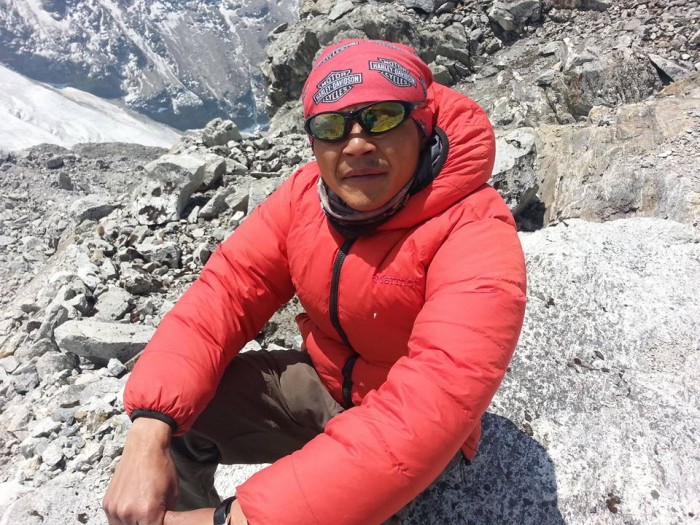
Have Questions? Talk to Expert (Binod)

Langtang Region Trekking is one of Nepal’s most rewarding Himalayan adventures, offering an exceptional combination of spectacular mountain scenery, peaceful trekking trails, traditional Tamang culture, Buddhist heritage, alpine landscapes, glaciers, forests, and warm Himalayan hospitality. Located north of Kathmandu and relatively close to the Tibetan border, the Langtang region is an ideal destination for travelers who want an authentic Himalayan trekking experience without committing to a long expedition.
Unlike trekking destinations that require domestic flights to reach their trailheads, the Langtang Valley Trek begins with a scenic overland journey from Kathmandu to Syabrubesi. This accessibility makes Langtang particularly attractive for international travelers, Indian and SAARC visitors, Nepali trekkers, families, students, small groups, and hikers with limited time.
At Himalayan Adventure Intl Treks, we organize private, customized, and group Langtang trekking packages with transportation, trekking permits, experienced guides, porters, teahouse accommodation, meals, itinerary planning, and necessary logistical support. Depending on your available time and interests, the trek can be arranged as a short program or extended into a longer Himalayan adventure combining Gosaikunda, Tamang Heritage, Helambu, Ganja La Pass, or Yala Peak.
The Langtang region lies within and around Langtang National Park, one of Nepal’s important protected Himalayan areas. Established in 1976, Langtang National Park covers an impressive range of environments, beginning with subtropical forests and extending through temperate forests, alpine meadows, rugged mountain terrain, and high Himalayan landscapes.
The classic Langtang Valley Trek follows the Langtang Khola from Syabrubesi toward Kyanjin Gompa. As trekkers gradually gain altitude, the landscape changes dramatically. The lower trail passes through forests containing rhododendron, oak, pine, bamboo, and other Himalayan vegetation. Higher in the valley, the forest becomes thinner and the scenery opens into alpine terrain surrounded by snow-covered mountains, glaciers, rocky slopes, and high-altitude pastures.
Langtang is also a culturally fascinating destination. Tamang and Tibetan-influenced communities have lived in the region for generations. Traditional houses, Buddhist monasteries, prayer flags, prayer wheels, mani walls, local agriculture, yak herding, and mountain lifestyles are integral parts of the trekking experience.
The mountains provide another major attraction. Depending on weather and viewpoint, trekkers can see Langtang Lirung, Langtang Ri, Dorje Lakpa, Yala Peak, Gangchempo, Ganesh Himal, and many other Himalayan peaks.
For travelers seeking dramatic Himalayan scenery within a relatively short distance from Kathmandu, Langtang is one of Nepal’s finest trekking choices.
Langtang offers a remarkable balance between accessibility, natural beauty, cultural discovery, and Himalayan adventure. There are several reasons why this region continues to attract trekkers from Nepal and around the world.
One of Langtang’s greatest advantages is its accessibility. Trekkers normally travel overland from Kathmandu to Syabrubesi rather than taking a domestic flight.
The road journey itself is an interesting part of the adventure, passing through rural settlements, terraced farmland, river valleys, hills, and mountain landscapes.
The Langtang Valley changes continuously as you ascend. Green forests dominate the lower elevations, while the upper valley gradually becomes more open and alpine.
Near Kyanjin Gompa, trekkers are surrounded by dramatic Himalayan peaks, glaciers, rocky mountainsides, and snow-covered landscapes.
Langtang provides an excellent opportunity to experience Tamang culture and Tibetan Buddhist traditions. Villages along the route feature monasteries, prayer wheels, mani walls, prayer flags, traditional architecture, and local customs.
The cultural experience makes Langtang much more than a mountain hike.
Langtang is a well-known trekking destination, but it generally provides a quieter experience than Nepal’s busiest Himalayan trekking corridors. Outside peak trekking periods, travelers can particularly enjoy peaceful trails and a more relaxed atmosphere.
The classic Langtang Valley Trek can generally be completed within approximately one week. This makes it an excellent choice for travelers who cannot spend two or three weeks trekking but still want an authentic Himalayan experience.
The road journey from Kathmandu toward Syabrubesi is approximately 120 km, although the actual distance and travel time can vary depending on road conditions, traffic, construction, weather, and the selected route.
The journey generally takes around 6–9 hours, but travelers should keep their schedules flexible. Mountain roads can become slower during periods of rain, road construction, traffic, or unexpected conditions.
Himalayan Adventure Intl Treks can arrange transportation according to your group size, budget, comfort requirements, and preferred travel style.
Public buses are generally the most economical option. They are appropriate for budget-conscious travelers who want to experience local transportation in Nepal.
A shared jeep normally offers a more convenient and comfortable journey than a public bus while keeping transportation costs relatively affordable.
A private 4WD jeep is the most flexible option and is particularly suitable for families, private groups, photographers, senior travelers, or trekkers looking for a more comfortable journey.
Transportation costs vary according to season, vehicle type, road conditions, and group size. The current transportation quotation is confirmed before departure.
The classic Langtang Valley Trek follows this general route:
Kathmandu → Syabrubesi → Lama Hotel → Langtang Village → Mundu → Kyanjin Gompa → Kyanjin Ri/Tserko Ri → Lama Hotel → Syabrubesi → Kathmandu
The trail follows the Langtang Khola valley and gradually climbs from lower forested landscapes toward the alpine environment around Kyanjin.
The total distance depends on the selected itinerary and side trips. The classic round-trip route is commonly estimated at approximately 65–75 km, although customized itineraries may cover more or less.
Altitude is one of the most important factors to consider when planning a Himalayan trek.
A typical altitude progression is:
| Location | Approximate Elevation |
|---|---|
| Kathmandu | 1,350m |
| Syabrubesi | 1,550m |
| Lama Hotel | 2,480m |
| Langtang Village | 3,430m |
| Mundu | 3,540m |
| Kyanjin Gompa | 3,870m |
| Kyanjin Ri | Around 4,300m+ |
| Tserko Ri | Around 4,984m |
Elevation figures can vary slightly between maps and GPS measurements.
More important than simply reaching a particular altitude is the speed at which you gain elevation. A properly planned itinerary gives your body sufficient opportunity to adapt to changing altitude.
A five-day Langtang itinerary is possible for physically prepared trekkers who have limited time. However, it is a relatively fast program with limited time for exploration.
Drive from Kathmandu to Syabrubesi by public bus, shared jeep, or private jeep.
The journey passes through rural settlements, terraced farmland, river valleys, and Himalayan foothills before reaching Syabrubesi.
Overnight: Syabrubesi.
Begin trekking through the Langtang Khola valley. The route passes through forests containing bamboo, rhododendron, and other Himalayan vegetation.
Bridges, streams, forest trails, and gradual climbs make this a scenic section of the trek.
Overnight: Lama Hotel.
The trail continues uphill through forest before gradually opening toward larger mountain views.
Continue toward Langtang Village and nearby settlements.
Overnight: Langtang area.
Continue toward Kyanjin Gompa through Mundu and increasingly alpine landscapes.
The surrounding peaks become more dramatic as you approach Kyanjin.
Overnight: Kyanjin Gompa.
This is a very long day and is suitable only for fit trekkers. Descend through the Langtang Valley toward Syabrubesi and continue by road toward Kathmandu depending on transportation and road conditions.
For greater comfort and exploration time, a 6-day or 7-day Langtang itinerary is recommended.
The Langtang Valley Trek 6 Days is one of the most practical short Langtang programs.
Travel overland from Kathmandu to Syabrubesi.
Trek through forests along the Langtang Khola.
Gradually climb toward the upper Langtang Valley.
Continue through Mundu toward Kyanjin Gompa.
Enjoy a day for acclimatization and exploration. Depending on weather, fitness, trail conditions, and your interests, hike toward Kyanjin Ri or Tserko Ri or explore the surrounding Himalayan landscape.
Descend through the valley to Syabrubesi and drive back to Kathmandu.
This itinerary offers an excellent balance between limited travel time and meaningful Langtang exploration.
For travelers who prefer a slower and more comfortable journey, the 7-day Langtang Trek is an excellent choice.
Drive from Kathmandu to Syabrubesi and prepare for the trekking journey.
Walk through lush forests alongside the Langtang Khola.
Continue gradually uphill through the valley toward Langtang Village.
Walk through Mundu and the increasingly alpine upper valley before reaching Kyanjin Gompa.
Spend the day exploring the area and acclimatizing. Depending on weather, fitness, and trail conditions, choose Kyanjin Ri, Tserko Ri, surrounding glaciers, or nearby viewpoints.
Descend through the Langtang Valley and return toward Lama Hotel.
Continue downhill to Syabrubesi and drive back to Kathmandu.
The seven-day version allows more time for sightseeing, acclimatization, and enjoying the Himalayan environment without excessive pressure.
Langtang is among the more affordable Himalayan trekking destinations for Nepali citizens.
A typical independent or budget trek may include:
A reasonable overall budget may therefore be approximately NPR 30,000–40,000 or more, depending on transportation, accommodation standards, guide and porter arrangements, and personal spending.
Because prices can change according to season and operating conditions, Himalayan Adventure Intl Treks provides the current quotation before booking.
The total cost of the Langtang Trek for international travelers depends on the trekking duration, group size, transportation, accommodation standard, guide and porter arrangements, and services included in the package.
A typical organized package can include:
For independent travelers, food and accommodation may cost approximately USD 35–45 per person per day, depending on food choices and lodge standards.
A guided private Langtang trek may commonly range around USD 700–900 per person, depending on group size, itinerary duration, transportation, guide and porter services, accommodation category, and included services.
The final price should always be confirmed with Himalayan Adventure Intl Treks before booking because transportation, permits, lodge prices, and operational costs may change.
Indian and other eligible SAARC travelers may receive different permit rates compared with international visitors.
A typical 6–7-day trek may involve:
An estimated budget may be around INPR 35,000–40,000, depending on service level, transportation arrangements, group size, and accommodation.
Himalayan Adventure Intl Treks can also create customized packages for Indian travelers, including private transportation, budget accommodation, guide services, and personalized itineraries.
Most of the classic Langtang trekking route passes through Langtang National Park, so trekkers need the appropriate National Park entry permit.
The permit rates supplied for this trekking package are:
Government regulations and permit charges can change. Himalayan Adventure Intl Treks confirms the applicable rates when organizing your trek.
For organized trekking programs, our team can arrange the necessary permits and documentation before you begin the journey.
Langtang is primarily a teahouse trekking destination.
Teahouses and mountain lodges provide basic yet comfortable accommodation along the principal route. Rooms generally contain beds, mattresses, pillows, and blankets, while twin-bed rooms are common.
Facilities become simpler as altitude increases.
At lower elevations, trekkers may find:
At higher elevations, facilities can be more basic because supplies must be transported into remote mountain settlements.
Himalayan Adventure Intl Treks selects available accommodation based on route conditions, availability, group requirements, and desired comfort level.
Food provides essential energy for trekking, particularly when walking for several hours each day at increasing altitude.
Typical meals available along the route include:
Dal Bhat is one of the most popular trekking meals because it provides a filling combination of rice, lentils, vegetables, and accompanying dishes.
Vegetarian food is widely available. Travelers with food allergies or specific dietary requirements should inform Himalayan Adventure Intl Treks before departure so appropriate arrangements can be discussed.
Adequate hydration is essential during a Himalayan trek.
Water can be obtained from local taps, springs, lodges, and other sources. However, untreated natural water should not automatically be considered safe for visitors.
Trekkers can use:
Using reusable bottles and suitable purification methods can also help reduce plastic waste.
We encourage responsible trekking and ask our guests to minimize unnecessary single-use plastic throughout the journey.
The Langtang Valley Trek is generally considered moderate.
Technical mountaineering experience is not required for the standard trekking route. However, trekkers should be comfortable walking for several hours per day on uneven Himalayan trails.
The main challenges include:
The optional Tserko Ri hike is considerably more demanding than the standard Langtang route because of its higher elevation.
Regular preparation, gradual pacing, hydration, appropriate equipment, and guidance from an experienced trekking team can make the journey considerably more manageable.
Altitude sickness can affect trekkers when they ascend too rapidly.
Possible symptoms include:
Worsening altitude-related symptoms should never be ignored.
The safest approach is to ascend gradually, stay adequately hydrated, avoid rushing, rest when necessary, and inform your guide immediately if you feel unwell.
More serious symptoms require prompt medical attention and may require descent.
At Himalayan Adventure Intl Treks, our guides monitor trekkers throughout the journey and can adjust the itinerary according to health, weather, and trail conditions.
Kyanjin Gompa, located at approximately 3,870m, is the principal destination of the classic Langtang Valley Trek.
The settlement is surrounded by impressive Himalayan peaks, glaciers, rocky slopes, and alpine landscapes. Its Buddhist atmosphere and nearby viewpoints make it one of the most memorable stops on the trek.
Many trekkers spend an additional night at Kyanjin Gompa for acclimatization and exploration.
The extra day provides opportunities to hike toward Kyanjin Ri or Tserko Ri, explore nearby landscapes, observe the mountains, and experience the peaceful atmosphere of the upper Langtang Valley.
Both viewpoints offer spectacular Himalayan panoramas, but they provide different trekking experiences.
Kyanjin Ri is closer to Kyanjin Gompa and can generally be completed in less time than Tserko Ri.
It is a good option for trekkers who want an impressive high-altitude viewpoint without committing to a longer and more demanding day hike.
Tserko Ri is the more challenging option. It is commonly listed at approximately 4,984m, although elevation figures can vary between sources.
The hike can occupy much of the day and requires good physical preparation, appropriate pacing, and favorable weather.
From the summit, trekkers can enjoy extensive views across the Langtang Himal, including Langtang Lirung and surrounding peaks.
Your guide can recommend the most suitable viewpoint according to weather, fitness, acclimatization, trail conditions, and available time.
Langtang National Park protects a diverse range of Himalayan ecosystems.
Possible wildlife sightings include:
Wildlife sightings cannot be guaranteed. Trekking quietly, maintaining distance, respecting animals, and following park regulations provide the best opportunity to observe wildlife naturally.
The forests themselves are also an important attraction, with rhododendron, oak, pine, bamboo, and other Himalayan vegetation creating beautiful scenery along the lower sections of the trail.
Langtang trekking is both a natural and cultural journey.
Traditional Tamang villages provide opportunities to experience:
Visitors should respect local traditions throughout the journey.
Always ask permission before photographing local people, monasteries, religious ceremonies, or culturally sensitive activities.
Supporting locally operated teahouses, lodges, shops, and services is another meaningful way to contribute to the communities through which you travel.
The 2015 earthquake had a profound impact on the Langtang region. Villages and trekking infrastructure suffered extensive damage, and local families experienced devastating losses.
The years following the earthquake have demonstrated the remarkable resilience of Langtang’s communities.
Local people rebuilt homes, lodges, trails, schools, and community facilities. Tourism has played an important role in supporting this recovery because trekkers contribute directly to local businesses and employment.
Responsible travel to Langtang therefore provides more than a personal Himalayan experience. It can also contribute to the livelihoods of communities whose economy remains closely connected to trekking and tourism.
Spring is one of the best seasons for Langtang trekking.
Major highlights include:
Autumn is another excellent trekking season.
After the monsoon, mountain landscapes can appear clearer, often providing excellent visibility of the Himalayan peaks.
Winter brings cold temperatures and possible snowfall at higher elevations.
Trekkers who are properly prepared for cold weather can enjoy beautiful snowy landscapes, peaceful trails, and a quieter Himalayan experience.
Warm clothing, suitable sleeping equipment, and flexible planning are particularly important.
The monsoon season can bring:
Experienced trekkers can still travel during this season, but flexibility and careful planning are essential.
Your equipment should be selected according to the season, trekking duration, altitude, and itinerary.
Avoid carrying unnecessary items. Keeping your luggage practical and manageable makes long trekking days more comfortable.
Mobile coverage varies along the Langtang trekking route.
Some teahouses provide Wi-Fi, while charging facilities are available in many locations, normally for an additional fee.
However, trekkers should not expect uninterrupted internet connectivity throughout the entire journey.
A power bank is strongly recommended, particularly for travelers using mobile phones for photography, communication, navigation, or other purposes.
The limited connectivity can also provide a welcome opportunity to disconnect from everyday routines and enjoy the Himalayan environment.
Traveling with an experienced local guide provides several important advantages.
A guide can assist with:
A porter can carry the majority of your trekking luggage, allowing you to walk with a lighter daypack.
At Himalayan Adventure Intl Treks, we can arrange different guide and porter options according to your needs, including:
Our objective is to match the trekking service with your group size, budget, experience, and preferred travel style.
Langtang can be combined with several other Himalayan routes for travelers who want a longer adventure.
The Langtang and Gosaikunda combination is ideal for travelers who want to experience both the dramatic Langtang Valley and high-altitude alpine lakes.
The Tamang Heritage Trail provides an even stronger focus on Tamang culture, traditional villages, local hospitality, and mountain community life.
Langtang can also be connected with Helambu to create a longer Himalayan journey extending toward the Kathmandu Valley.
Experienced trekkers looking for a more demanding adventure can consider the Ganja La route.
This is a challenging high-altitude crossing requiring appropriate preparation, favorable conditions, suitable equipment, and an experienced trekking team.
Experienced climbers can consider adding Yala Peak to their Langtang adventure.
Yala Peak is a mountaineering extension and therefore requires additional preparation, equipment, permits, and climbing arrangements.
Travelers with limited time may consider a helicopter return from the Langtang region.
A helicopter can significantly reduce the return journey and also provide spectacular aerial views of the Himalayan landscape.
However, helicopter operations depend on:
Flights should never be assumed to operate during unsuitable weather.
Himalayan Adventure Intl Treks can assist with helicopter arrangements subject to availability, permissions, and safe operating conditions.
Langtang can be suitable for families with older children and teenagers who are accustomed to hiking.
However, families should select their itinerary carefully.
A slower seven-day itinerary is generally preferable to an extremely compressed program because it allows more time for rest, sightseeing, and adaptation to altitude.
Private transportation can also make the road journey more convenient and comfortable for families.
Previous Himalayan trekking experience is not essential for the standard Langtang Valley Trek.
Beginners should prepare by:
Adding high-altitude viewpoints such as Tserko Ri increases the physical challenge, so beginners should discuss their plans with their guide.
The Himalayan environment is fragile, and responsible tourism is important for protecting Langtang for future generations.
We encourage trekkers to:
Responsible trekking helps protect the natural environment while supporting the communities that depend on tourism.
At Himalayan Adventure Intl Treks, our goal is to provide safe, transparent, comfortable, and memorable Himalayan travel experiences.
We can organize your Langtang journey from beginning to end, including:
We organize trekking programs for Nepali, Indian, SAARC, and international travelers.
Whether you want a short Langtang Trek 5 Days, popular Langtang Valley Trek 6 Days, relaxed Langtang Trek 7 Days, or a longer combination with Gosaikunda, Tamang Heritage, Helambu, Ganja La Pass, or Yala Peak, our team can design the journey according to your available time, budget, interests, and trekking experience.
Langtang is an excellent choice if you are looking for:
Langtang may not be ideal if you are specifically seeking a completely remote wilderness expedition or if you do not enjoy long mountain road journeys.
For most travelers seeking an accessible yet authentic Himalayan adventure, Langtang provides an outstanding combination of nature, culture, mountain scenery, and adventure.
The classic Langtang Valley Trek generally takes 5–7 days, depending on the itinerary, acclimatization requirements, and whether you include a high-altitude viewpoint hike.
The standard Langtang Valley Trek is generally considered a moderate trek. The principal challenges are sustained walking, uneven terrain, altitude, stone steps, and changing weather.
Tserko Ri is considerably more demanding than the standard route.
Kyanjin Gompa is approximately 3,870m. Trekkers who climb Tserko Ri can reach approximately 4,984m, depending on the route and elevation reference.
No. Previous Himalayan trekking experience is not mandatory for the standard Langtang Valley Trek.
Reasonable physical fitness, proper preparation, appropriate equipment, gradual pacing, and good altitude awareness are important.
The principal permit for the standard Langtang Valley route is the Langtang National Park entry permit. Applicable fees depend on nationality and current government regulations.
Most trekkers travel by public bus, shared jeep, or private jeep from Kathmandu to Syabrubesi.
Yes. Langtang is one of Nepal’s accessible Himalayan trekking destinations and is particularly attractive to Nepali hikers because transportation and accommodation costs can be comparatively manageable.
Yes. Indian and other eligible SAARC travelers can trek in Langtang, with applicable SAARC permit rates and customized transportation and accommodation arrangements.
Yes. Teahouses and lodges along the principal route provide meals such as dal bhat, noodles, pasta, soups, momos, potatoes, eggs, Tibetan bread, and other basic dishes.
Hot showers are available at some lodges, usually for an additional charge. Availability becomes more limited at higher elevations.
Some teahouses provide Wi-Fi, but connectivity can be inconsistent. Trekkers should not rely entirely on internet access.
Charging facilities are available at many teahouses, generally for an additional fee. Carrying a power bank is recommended.
Yes. Winter trekking is possible, but trekkers need warm clothing, suitable sleeping equipment, careful itinerary planning, and flexibility because cold temperatures and snowfall can affect the trail.
Yes, but monsoon trekking can involve heavy rain, muddy trails, clouds, landslides, and difficult road conditions. Flexible planning is especially important.
Kyanjin Ri is the shorter and generally easier viewpoint option. Tserko Ri is higher and more demanding but offers an impressive panoramic Himalayan experience.
Your guide can help determine the most appropriate option based on weather, fitness, acclimatization, and available time.
Yes. Langtang and Gosaikunda can be combined into a longer Himalayan itinerary featuring mountain valleys, alpine lakes, high-altitude landscapes, and cultural villages.
Yes. Helicopter transportation may be arranged subject to weather, aircraft availability, permissions, and safe operating conditions.
The Langtang Region Trekking experience is much more than a walk through the Himalayan mountains. It is a journey from the busy streets of Kathmandu into peaceful forests, river valleys, traditional Tamang villages, Buddhist settlements, alpine pastures, glaciers, and spectacular mountain landscapes.
From Syabrubesi and Lama Hotel to Langtang Village and Kyanjin Gompa, every section of the trail provides a different experience. The lower valley introduces trekkers to lush forests and Himalayan wildlife, while the upper valley opens into a dramatic mountain amphitheater surrounded by snow-covered peaks.
The opportunity to hike Kyanjin Ri or Tserko Ri, visit Buddhist sites, observe yak herding, experience traditional Himalayan food, meet local communities, and enjoy the mountain environment makes Langtang an especially rewarding destination.
For travelers who want a shorter Himalayan adventure without taking a domestic flight, Langtang is one of Nepal’s strongest choices. It can be arranged as an economical trekking program for Nepali and SAARC travelers, a comfortable private journey for international visitors, or an extended adventure combining Gosaikunda, Tamang Heritage, Helambu, Ganja La Pass, or Yala Peak.
At Himalayan Adventure Intl Treks, we can organize the essential arrangements for your Langtang adventure, including experienced guides, reliable transportation, trekking permits, porters, teahouse accommodation, meals, customized itineraries, and additional trekking services.
Whether you are planning a short Langtang trek, 5-day Langtang Valley Trek, 6-day Langtang Trek, 7-day classic Langtang itinerary, Langtang and Gosaikunda combination, family trek, student trek, group joining trek, or private customized Himalayan adventure, our team can help create a journey that matches your time, budget, and interests.
Book your Langtang Region Trekking adventure with Himalayan Adventure Intl Treks and discover the mountains, culture, wildlife, Buddhist heritage, and warm hospitality of one of Nepal’s most remarkable Himalayan destinations.