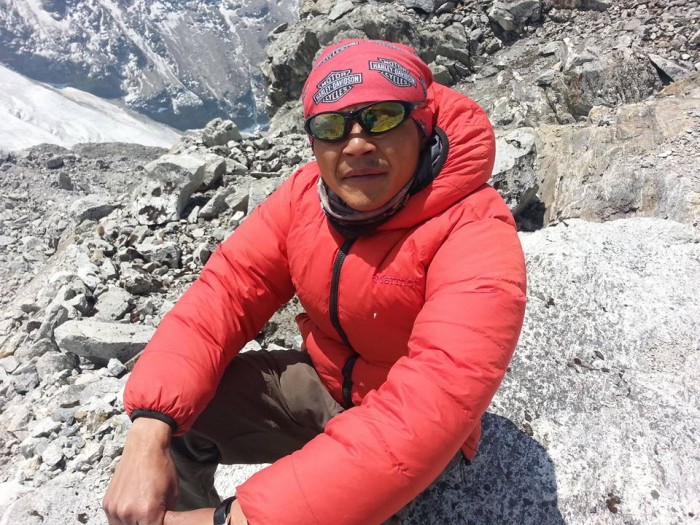
Have Questions? Talk to Expert (Binod)

The Kanchenjunga North Base Camp Trek is an extraordinary Himalayan adventure designed for travelers who want to explore one of Nepal’s most remote, peaceful, and spectacular trekking regions. The trek leads into the eastern Himalayas and the protected Kanchenjunga Conservation Area, eventually reaching Pangpema, the North Base Camp of Mount Kanchenjunga at an elevation of approximately 5,140 meters.
At 8,586 meters, Mount Kanchenjunga is the third-highest mountain in the world. The mountain dominates the landscape as the trail moves deeper into the wilderness. Unlike some of Nepal’s busier trekking routes, the Kanchenjunga region offers a quieter experience where pristine forests, high-altitude valleys, traditional settlements, glaciers, rivers, and dramatic Himalayan peaks remain the main attractions.
Himalayan Adventure Intl Treks has designed this 14-day Kanchenjunga North Base Camp Trek for adventurous travelers who want to experience the northern side of Kanchenjunga without spending an extended period in the mountains. The journey combines flights, long mountain drives, trekking, acclimatization, and exploration in one memorable Himalayan itinerary.
The adventure begins with a flight from Kathmandu to Bhadrapur, followed by a scenic drive through the eastern hills toward Taplejung and Sakathum. From Sakathum, the walking section gradually enters the remote Kanchenjunga valleys. The trail passes through forests of rhododendron, bamboo, oak, pine, and juniper before reaching the higher settlements of Ghunsa, Kambachen, and Lhonak.
The landscape changes dramatically with elevation. Lower sections feature terraced hills, waterfalls, green forests, cardamom plantations, and traditional villages. Higher sections become increasingly rugged, with rocky trails, glacial valleys, moraines, snow-covered mountains, and open alpine terrain.
The ultimate objective is Pangpema, the North Base Camp of Kanchenjunga. From this high viewpoint, trekkers can enjoy magnificent views of Kanchenjunga and surrounding Himalayan peaks and glaciers. Reaching Pangpema is a demanding achievement, but the experience of standing in such a remote mountain environment makes every difficult section worthwhile.
Mountain: Mount Kanchenjunga
Maximum Altitude: 5,140 m
Duration: 14 Days
Trek Grade: Demanding
Activity: Wilderness Trek
Best Seasons: Spring and Autumn
Transportation: Flight and Jeep
Starting Point: Bhadrapur/Taplejung region
Base Camp: Pangpema, Kanchenjunga North Base Camp
Starting Price: From USD 1,599
Your Kanchenjunga adventure begins with an early flight from Kathmandu to Bhadrapur, also known as Chandragadhi Airport. The flight takes around 45 minutes and offers an aerial introduction to eastern Nepal.
After landing at Bhadrapur, you will continue the journey by road toward Taplejung or Suketar. This is a long but scenic drive through the hills of eastern Nepal. The road passes terraced farmland, forests, small settlements, rivers, and mountain landscapes. Depending on road and traffic conditions, the drive can take approximately 8 to 10 hours.
After reaching Taplejung/Suketar, you will check into the hotel and rest before beginning the trekking section of the journey.
Altitude: Approximately 1,530 m
Transport: 45-minute flight and approximately 8–10 hours drive
Accommodation: Hotel with private attached bathroom
After breakfast, you will continue toward Sakathum by jeep. This section of the journey provides an interesting introduction to the remote eastern hills.
The road passes through traditional Rai and Limbu villages, terraced fields, forests, waterfalls, and river valleys. The Tamor River and Simbuwa Khola are important natural features along the route. You will also cross several suspension bridges and travel along winding mountain roads.
The approximately 39-kilometer journey can take around five hours depending on road conditions. The rough sections of the road are part of the adventure, gradually taking you farther away from the developed areas and closer to the wilderness of Kanchenjunga.
Altitude: Approximately 1,600 m
Distance: Approximately 39 km by jeep
Duration: About 5 hours
Meals: Breakfast, Lunch and Dinner
Accommodation: Teahouse
Today marks the beginning of the main walking adventure. After breakfast, you leave Sakathum and follow the trail toward Amjilosa.
The route follows the Ghunsa Khola and gradually moves through dense forests. Bamboo, rhododendron, oak, and other vegetation create a beautiful natural environment. Waterfalls and small streams add to the atmosphere of the trail.
The path includes several uphill and downhill sections, and the changing landscape gives you your first real feeling of wilderness trekking. After passing through Jaubari, you can take a break and enjoy lunch before continuing toward Amjilosa.
The final section becomes steeper as the trail climbs toward the settlement. After approximately five to six hours of walking, you reach Amjilosa, where you spend the night.
Altitude: Approximately 2,310 m
Distance: Approximately 10 km
Duration: 5–6 hours
Meals: Breakfast, Lunch and Dinner
Accommodation: Teahouse
The trail continues deeper into the Kanchenjunga region. After breakfast at Amjilosa, you follow a forested route through bamboo and rhododendron vegetation.
The walking becomes increasingly scenic as the valley opens in different sections. On clear days, distant Himalayan views may appear between the trees. The route combines gradual climbing with uneven sections of trail.
Gyable is a small mountain settlement influenced by Tibetan culture. The village provides a glimpse into the traditional lifestyle of people living in this remote part of Nepal.
After approximately five to six hours of walking, you arrive at Gyable and settle into the teahouse for the evening.
Altitude: Approximately 2,730 m
Distance: Approximately 10 km
Duration: 5–6 hours
Meals: Breakfast, Lunch and Dinner
Accommodation: Teahouse
Today you continue toward one of the most important settlements on the Kanchenjunga North Base Camp route—Ghunsa.
The trail begins through open meadows and forested sections before reaching Phale, a settlement historically associated with Tibetan refugees. Phale is an interesting place to observe traditional mountain architecture and local culture.
From Phale, the trail continues through pine and conifer forests. The landscape becomes increasingly alpine as you gain elevation. The sound of the river, mountain air, and peaceful forest make this section particularly enjoyable.
After approximately four to five hours, you arrive at Ghunsa. The village is known for its traditional wooden and stone houses and its distinctive mountain culture.
Altitude: Approximately 3,595 m
Distance: Approximately 10 km
Duration: 4–5 hours
Meals: Breakfast, Lunch and Dinner
Accommodation: Teahouse
An acclimatization day in Ghunsa is an important part of the itinerary. At approximately 3,595 meters, the body needs time to adjust before moving toward the much higher elevations of Kambachen, Lhonak, and Pangpema.
Rather than spending the entire day resting indoors, you can take a short hike around the surrounding hills and ridges. Following the general principle of climbing higher during the day and returning to a lower sleeping altitude can help the body adapt gradually.
You can also explore Ghunsa village, visit its monastery, observe traditional homes, and interact with local residents. The village is surrounded by impressive mountain scenery, making it an excellent place for photography and relaxation.
Your guide will monitor the group and recommend the appropriate activity according to weather, fitness, and individual acclimatization.
Altitude: Approximately 3,595 m
Meals: Breakfast, Lunch and Dinner
Accommodation: Teahouse
After acclimatizing in Ghunsa, the trek continues toward Kambachen. The trail follows the river and passes through forests dominated by larch, pine, and juniper.
The environment becomes noticeably more rugged as the elevation increases. You will encounter waterfalls, rocky sections, glacial streams, and increasingly open mountain views.
The trail can be uneven and exposed in places, so a steady walking pace is important. As you approach Kambachen, the Himalayan scenery becomes more dramatic, with peaks such as Jannu/Kumbhakarna and other surrounding mountains becoming increasingly prominent.
After around five to six hours of trekking, you reach Kambachen, where you spend the night in a basic mountain teahouse.
Altitude: Approximately 4,050 m
Distance: Approximately 10 km
Duration: 5–6 hours
Meals: Breakfast, Lunch and Dinner
Accommodation: Teahouse
Today the landscape changes significantly as you enter the higher glacial environment of the Kanchenjunga region.
The trail follows the Kanchenjunga Glacier and crosses rocky and moraine-covered terrain. Some sections may be exposed, uneven, or affected by changing mountain conditions, so careful attention is necessary.
Along the way, you can enjoy magnificent views of Jannu/Kumbhakarna, Gimmigela, Ramtang, Wedge Peak, and other surrounding mountains. The increasingly barren landscape contrasts strongly with the green forests experienced during the first days.
After approximately three to four hours of walking, you arrive at Lhonak. This remote settlement lies in a broad high-altitude valley surrounded by enormous mountains.
Altitude: Approximately 4,780 m
Distance: Approximately 9 km
Duration: 3–4 hours
Meals: Breakfast, Lunch and Dinner
Accommodation: Teahouse
Today is the most important day of the Kanchenjunga North Base Camp Trek. You leave Lhonak early and begin the journey toward Pangpema, the North Base Camp of Mount Kanchenjunga.
The trail follows the glacier and crosses a rugged high-altitude landscape. There are rocky paths, moraine sections, and open slopes. Because you are now above 4,700 meters, the effects of altitude can be noticeable, so maintaining a slow and comfortable pace is essential.
As you approach Pangpema, the panorama becomes increasingly impressive. Kanchenjunga rises dramatically above the surrounding landscape, while glaciers, ice formations, rocky peaks, and snow-covered ridges create a truly unforgettable Himalayan scene.
At approximately 5,140 meters, Pangpema is the highest point of the trek. Take time to enjoy the surroundings, capture photographs, and appreciate the achievement of reaching the North Base Camp.
After spending sufficient time at Pangpema, you retrace the trail toward Lhonak. The return journey is generally easier than the ascent, although the high altitude and rugged terrain still require care.
Altitude: Approximately 5,140 m
Distance: Approximately 14 km round trip
Duration: About 6 hours
Meals: Breakfast, Lunch and Dinner
Accommodation: Teahouse
After breakfast, the return journey begins. You retrace the route through the high mountain landscape toward Kambachen and then continue to Ghunsa.
The first section takes you back through the rocky and glacial terrain around Lhonak and Kambachen. As you descend, the air becomes warmer and the vegetation gradually returns.
The journey from Lhonak to Ghunsa is a long day, but losing elevation usually makes breathing easier. After approximately seven hours, you arrive back at Ghunsa.
Enjoy a warm meal and a comfortable evening in the familiar surroundings of the village.
Altitude: Approximately 3,595 m
Distance: Approximately 18 km
Duration: About 7 hours
Meals: Breakfast, Lunch and Dinner
Accommodation: Lodge/Teahouse
Today you descend along the Ghunsa Khola toward Amjilosa. The trail follows the river through pine, rhododendron, and mixed forest.
The change in vegetation becomes noticeable as you lose altitude. Alpine landscapes gradually give way to greener forests and warmer surroundings.
Although descending is generally easier for breathing, long downhill sections can be demanding on the legs and knees. Walking carefully and maintaining a controlled pace will make the journey more comfortable.
After approximately six to seven hours, you reach Amjilosa for an overnight stay.
Altitude: Approximately 2,489 m
Distance: Approximately 15 km
Duration: 6–7 hours
Meals: Breakfast, Lunch and Dinner
Accommodation: Teahouse
Your final walking section takes you from Amjilosa back to Sakathum. The trail follows the route used at the beginning of the trek, passing through forests, villages, rivers, and suspension bridges.
After approximately four to six hours of walking, you arrive at Sakathum. Here, you board a jeep for the long drive toward Taplejung.
The road passes through settlements including Tapethok, Chiruwa, and Mitlung. Because the mountain road can be rough and winding, the journey may take several hours.
After reaching Taplejung, you check into your accommodation and enjoy a well-earned rest.
Altitude: Approximately 1,442 m
Trekking Duration: 4–6 hours
Driving Duration: Approximately 7–9 hours
Meals: Breakfast, Lunch and Dinner
Accommodation: Lodge
After breakfast, you begin the return drive to Bhadrapur. This is another long road journey, generally taking around eight to ten hours depending on weather and road conditions.
The route passes through the scenic eastern hills and sections of Ilam, famous for its tea gardens and green landscapes. Terraced fields, forests, villages, and tea plantations make the drive an interesting conclusion to your mountain adventure.
Upon reaching Bhadrapur, you check into the hotel and relax.
Altitude: Approximately 208 m
Duration: About 8–10 hours by road
Meals: Breakfast, Lunch and Dinner
Accommodation: Hotel
Your Kanchenjunga adventure concludes with a morning flight from Bhadrapur back to Kathmandu. The flight takes approximately 45 minutes.
After arriving in Kathmandu, you can transfer to your hotel and spend the remaining time relaxing, shopping for souvenirs, or exploring parts of the Kathmandu Valley if your schedule permits.
This evening provides an opportunity to celebrate the successful completion of your Kanchenjunga North Base Camp adventure.
Flight: Approximately 45 minutes
Altitude: Kathmandu, approximately 1,350 m
Meals: Breakfast
The Kanchenjunga North Base Camp Trek is considered a demanding wilderness trek and is best suited to trekkers with good physical fitness and previous experience with multi-day mountain trekking.
The main challenges include long walking days, steep and uneven trails, high altitude, rocky and moraine terrain, changing weather, and the remote nature of the region. The highest point reaches approximately 5,140 meters, where altitude becomes a major consideration.
The trail also includes sections affected by landslides, erosion, loose rocks, and glacial terrain. Conditions can change according to weather and the season. Trekkers should therefore follow the instructions of their guide and avoid rushing through difficult sections.
Good preparation is essential. Regular walking, hiking, cardiovascular exercise, strength training, and endurance activities before the trip can help prepare the body for long days in the mountains.
Acclimatization is equally important. The itinerary includes an acclimatization day at Ghunsa, and the pace is designed to allow gradual elevation gain. If you experience unusual symptoms at altitude, inform your guide immediately.
Accommodation on the Kanchenjunga North Base Camp Trek is mainly provided in local teahouses and lodges. Because this is a remote trekking region, facilities are simpler than those found on more developed trekking routes.
Rooms generally contain beds, blankets, pillows, and basic furniture. Bathrooms may be shared, particularly at higher elevations. Some lower-altitude accommodations offer attached bathrooms.
Meals are served in communal dining areas. The menu commonly includes traditional Nepali dishes as well as simple trekking meals. Dal Bhat Tarkari, consisting of rice, lentils, vegetables, and curry, is a reliable and popular choice for trekkers.
Other available foods may include noodles, fried rice, momos, Tibetan bread, potatoes, eggs, porridge, pancakes, muesli, and soups. Tea, coffee, and other hot drinks are also commonly available.
At higher elevations, food choices can become more limited because supplies have to be transported into remote mountain settlements. Trekkers should therefore maintain realistic expectations and focus on nutritious, easily digestible meals.
The Kanchenjunga North Base Camp is situated in the eastern part of Nepal within the Kanchenjunga region of Taplejung District, Koshi Province. The region borders India’s Sikkim area and contains some of the most impressive Himalayan scenery in eastern Nepal.
The highest point of this itinerary is Pangpema at approximately 5,140 meters (16,864 feet). Pangpema is commonly identified as the North Base Camp of Kanchenjunga.
Reaching this elevation is a major achievement. The combination of altitude, cold conditions, rocky terrain, and the remote environment makes the final approach challenging. A gradual pace, proper acclimatization, sufficient hydration, warm clothing, and close communication with your guide are essential.
The best seasons for the Kanchenjunga North Base Camp Trek are spring and autumn.
Spring is one of the most beautiful periods in the Kanchenjunga region. Temperatures become increasingly comfortable, the forests begin to bloom, and rhododendrons add color to the lower and middle sections of the trail.
Mountain visibility is often excellent, particularly during clear mornings. As the season progresses, conditions at higher elevations can become more comfortable, although weather can still change quickly.
Autumn is another excellent season. Following the monsoon, the atmosphere is generally clearer, the landscape is fresh, and mountain visibility can be outstanding.
September can still experience occasional post-monsoon rainfall, while October and November generally provide stable trekking conditions. For many trekkers, autumn offers the best combination of clear mountain views and pleasant trekking weather.
Winter and monsoon trekking are more challenging because of cold, snow, rain, muddy trails, landslides, and potentially difficult road conditions. Travelers considering an off-season trek should consult Himalayan Adventure Intl Treks about current trail and weather conditions.
The Kanchenjunga region is famous for its extraordinary Himalayan scenery. The main attraction is, naturally, Mount Kanchenjunga itself. From Pangpema, the mountain dominates the skyline and creates an unforgettable backdrop.
Other impressive peaks visible along different sections of the route include Jannu/Kumbhakarna, Tent Peak, Wedge Peak, Nepal Peak, Gimmigela, Ramtang, and numerous surrounding summits.
The glaciers are equally fascinating. The Kanchenjunga Glacier and Ramtang Glacier contribute to the dramatic character of the high valleys. Moraine formations, glacial streams, rocky slopes, and ice-covered peaks create a landscape very different from Nepal’s lower trekking regions.
The lower sections provide a completely different experience, with lush forests, waterfalls, terraced farmland, cardamom plantations, rivers, and traditional villages.
The Kanchenjunga region is not only a destination for mountain lovers but also an important cultural landscape.
During the trek, you encounter communities including Rai, Limbu, Sherpa, and Tibetan-origin people. Villages such as Ghunsa and Phale provide opportunities to observe traditional homes, Buddhist influences, monasteries, local farming practices, and mountain lifestyles.
The hospitality of local communities adds another dimension to the trek. Staying in family-run teahouses allows visitors to experience a more authentic side of Nepal than simply passing through large tourist centers.
Trekkers are encouraged to respect local customs, ask permission before photographing people, avoid unnecessary waste, and support local businesses wherever possible.
The Kanchenjunga region is a restricted and protected trekking area, so trekkers need the appropriate permits before entering the route.
The principal permits associated with the trek include the Restricted Area Permit (RAP) and the Kanchenjunga Conservation Area Project (KCAP) permit. These permits help regulate tourism and support the protection of the region’s natural and cultural heritage.
The Restricted Area Permit is generally charged according to the duration of stay in the restricted area, while the conservation permit has different rates for SAARC and non-SAARC visitors. Permit regulations and fees can change, so Himalayan Adventure Intl Treks will arrange the required permits according to the current government regulations at the time of travel.
Trekkers should not attempt to enter the restricted area without the required documentation and authorized trekking arrangements.
Our package is designed to cover the major services required for a comfortable and organized trekking experience.
The following expenses are generally excluded from the package price:
A successful Kanchenjunga trek begins before you arrive in Nepal. Travelers should prepare through regular hiking, walking, cardiovascular exercise, and strength training. Previous high-altitude trekking experience is strongly beneficial because the route reaches more than 5,000 meters.
Travel insurance should include high-altitude trekking and emergency evacuation where appropriate. Carrying suitable trekking clothing, waterproof layers, warm gloves, a hat, sturdy trekking shoes, sunglasses, sunscreen, personal medication, a water bottle, and other essential equipment is important.
The mountain environment can change quickly. Your guide will make decisions according to weather, trail conditions, group health, and safety considerations. No itinerary should be treated as more important than the safety of the trekking group.
Himalayan Adventure Intl Treks focuses on providing organized, responsible, and personalized trekking experiences in Nepal. Our Kanchenjunga North Base Camp package combines experienced local staff, practical logistics, comfortable arrangements, and careful attention to the demands of high-altitude trekking.
Our guides understand the local terrain, culture, weather patterns, and trekking conditions. They help travelers navigate the route while also introducing them to the communities and landscapes that make Kanchenjunga special.
The Kanchenjunga North Base Camp Trek is not simply a journey to a mountain viewpoint. It is an opportunity to experience remote villages, ancient mountain cultures, pristine forests, dramatic glaciers, and one of the most spectacular corners of the Nepal Himalayas.
If you are looking for a demanding, peaceful, and authentic Himalayan adventure, the Kanchenjunga North Base Camp Trek is an excellent choice. Join Himalayan Adventure Intl Treks and experience the eastern Himalayas step by step, from the green hills of Taplejung to the high glacial wilderness of Pangpema beneath magnificent Mount Kanchenjunga.
Your Kanchenjunga North Base Camp adventure begins with your arrival in Kathmandu, Nepal’s vibrant capital and the main gateway to the Himalayas. At an elevation of approximately 1,350 meters, Kathmandu provides a comfortable environment for beginning the journey before heading into the remote eastern Himalayas.
Upon arrival at Tribhuvan International Airport, a representative from Himalayan Adventure Intl Treks will welcome you and assist with your transfer to the hotel. Depending on your arrival time, you can rest after your journey or take a short walk around the nearby streets of the city.
Kathmandu is a fascinating combination of ancient heritage, colorful markets, traditional courtyards, temples, and modern tourist districts. If time permits, you may explore areas such as Thamel, where you can find trekking shops, restaurants, cafés, and local handicrafts.
Later, your trekking team can conduct a trip briefing. This is an important opportunity to meet your guide, review the itinerary, check your trekking equipment, and discuss the conditions you may encounter in the Kanchenjunga region.
Because Kanchenjunga is a remote trekking destination, preparation is especially important. Your guide will help ensure that your equipment and documents are ready before departure.
Overnight: Hotel in Kathmandu
Altitude: 1,350m
Meals: Breakfast
Activity: Arrival, preparation and trek briefing
Today marks the beginning of your journey toward eastern Nepal. After breakfast, you will travel to the airport for a flight from Kathmandu to Bhadrapur, located in Jhapa District in southeastern Nepal.
The flight provides a convenient connection between the capital and eastern Nepal. After landing in Bhadrapur, the overland journey toward Taplejung begins.
The drive takes you away from the lowland plains and gradually toward the hills. As the road climbs, the landscape changes from subtropical surroundings to hill terrain, with winding roads, green forests, rivers, cultivated hillsides, and scattered settlements.
Taplejung is one of the principal gateways to the Kanchenjunga region. Reaching Taplejung gives you a strong sense that you are entering a much more remote part of Nepal.
The drive is an important part of the adventure because the eastern Himalayan landscape unfolds gradually. Unlike a direct flight into a mountain airstrip, traveling overland allows you to observe the changing geography and everyday life of eastern Nepal.
After arriving in Taplejung, you will check into your accommodation and prepare for the following day's drive toward the trailhead.
Overnight: Hotel/lodge in Taplejung
Activity: Flight and scenic mountain drive
After breakfast, the journey continues by road from Taplejung toward Sakathum, where the trekking section of the adventure begins.
The road becomes increasingly remote as you travel farther into the Kanchenjunga region. You will pass through hill settlements and rugged landscapes, following winding roads carved along mountain slopes.
The changing scenery is one of the highlights of this section of the journey. Rivers flow through deep valleys while steep hills rise on both sides. Traditional houses and agricultural terraces appear along the route, providing an opportunity to observe rural life in eastern Nepal.
As you approach Sakathum, the surrounding environment becomes more wilderness-oriented. The area serves as an important starting point for trekkers heading deeper into the Kanchenjunga Conservation Area.
After reaching Sakathum, you can settle into the local lodge and prepare your backpack for the first full trekking day.
Your guide will also explain the trail conditions, walking schedule, and important considerations for the days ahead.
Overnight: Lodge in Sakathum
Activity: Scenic mountain drive and trek preparation
Today you officially begin your trek into the Kanchenjunga wilderness.
The trail from Sakathum to Amjilosa introduces you to the character of the Kanchenjunga trekking route. The landscape is rugged, green, and naturally isolated. You will cross streams and walk along mountain paths surrounded by forested slopes.
The trail may include both ascents and descents, making this an important day for settling into the rhythm of Himalayan trekking. Your guide will maintain a comfortable pace and encourage regular breaks.
The forests are an important part of the region's ecosystem. Depending on the season, you may encounter a variety of Himalayan plants and birds along the route.
As you approach Amjilosa, the settlement appears against the surrounding mountain landscape. Traditional Himalayan villages such as this are important stopping points because they provide accommodation and opportunities to experience local hospitality.
The evening is an excellent time to relax, enjoy a warm meal, and prepare for the following day.
Overnight: Lodge in Amjilosa
Activity: Trek through forests, valleys and mountain terrain
After breakfast, you continue toward Gyable, following the increasingly remote trail deeper into the Kanchenjunga region.
The landscape gradually changes as the route gains elevation. Dense vegetation continues to surround sections of the trail, while waterfalls, streams, rocky paths, and steep mountain slopes create a classic Himalayan wilderness environment.
The trek is not simply a journey from one village to another. Every section provides a different perspective of eastern Nepal's mountain environment. You may encounter local people traveling between settlements, porters carrying supplies, and trekkers following the same remote route.
Gyable is a small Himalayan settlement where you will spend the night. The peaceful surroundings offer a welcome contrast to the busy atmosphere of Kathmandu.
Your guide will monitor your condition throughout the trek. Staying hydrated, eating regularly, and maintaining a steady walking pace are especially important as you gradually move toward higher elevations.
Overnight: Lodge in Gyable
Activity: Himalayan trekking and village experience
Today you continue from Gyable to Ghunsa, one of the most important settlements on the northern Kanchenjunga trekking route.
The trail passes through beautiful mountain landscapes and forested sections before eventually reaching the culturally significant village of Ghunsa.
Ghunsa is well known among trekkers for its distinctive Himalayan character. Traditional houses, prayer flags, Buddhist cultural influences, and spectacular mountain surroundings create a memorable atmosphere.
The village also serves as a strategic acclimatization location before the route climbs toward Kambachen and Lhonak.
After arriving in Ghunsa, you can relax and explore the settlement at a gentle pace. Your guide will also prepare you for the acclimatization day tomorrow.
The increasing altitude means that the trek should now be approached carefully. Your body needs time to adapt, which is why the itinerary includes an acclimatization and exploration day rather than continuing upward without rest.
Overnight: Lodge in Ghunsa
Activity: Trek and village exploration
Today is dedicated to acclimatization and exploration in Ghunsa.
An acclimatization day does not necessarily mean remaining inside the lodge all day. A short, comfortable hike and exploration around the area can help maintain activity while giving your body additional time to adapt to the elevation.
Ghunsa provides a fascinating opportunity to experience the culture and environment of the Kanchenjunga region. You can explore the village, observe traditional architecture, visit local cultural sites where appropriate, and enjoy the surrounding Himalayan scenery.
Your guide will help determine a suitable activity based on weather, trail conditions, and your physical condition.
Acclimatization is a crucial component of a high-altitude trek. As you move toward Kambachen, Lhonak, and Pangpema, the air becomes thinner and the physical demands increase. A gradual ascent with appropriate rest can make the experience safer and more enjoyable.
Use the day to organize your backpack, check your clothing and equipment, drink sufficient fluids, and prepare for the higher sections of the route.
The evening in Ghunsa is likely to be peaceful, with the surrounding mountains providing an impressive backdrop.
Overnight: Lodge in Ghunsa
Activity: Acclimatization, short exploration and preparation
After breakfast, the trail leaves Ghunsa and heads toward Kambachen, taking you farther into the high mountain wilderness.
The environment becomes increasingly alpine as the route moves away from the lower forests. Mountain slopes, rocky terrain, glacial landscapes, and towering Himalayan peaks begin to dominate the scenery.
The trail may involve sections that require careful footing. Your guide will select the safest practical route according to current trail and weather conditions.
This part of the trek is particularly rewarding for photographers and mountain enthusiasts. The surrounding landscapes become increasingly dramatic, with rugged ridges and snow-covered peaks appearing around the valley.
Kambachen is a remote mountain settlement and an important overnight stop before the journey continues toward Lhonak.
Because the altitude is increasing, today's pace should remain controlled. Avoid rushing, and communicate with your guide if you experience unusual discomfort.
After reaching Kambachen, enjoy a warm meal and rest while taking in the surrounding Himalayan scenery.
Overnight: Lodge in Kambachen
Activity: High-altitude trekking through alpine landscapes
Today is one of the most spectacular stages of the Kanchenjunga North Base Camp Trek as you continue from Kambachen to Lhonak.
The landscape becomes increasingly rugged and remote. The trail moves deeper into the high Himalayan valley, where vegetation becomes sparse and rocky terrain dominates.
As you approach Lhonak, the feeling of wilderness becomes even stronger. There are fewer settlements, and the surrounding mountains appear larger and more imposing.
Lhonak is one of the final overnight points before the trek to Pangpema. The location provides access to the northern base-camp area and offers impressive views of the surrounding Himalayan peaks.
Because you are now at a significantly higher elevation than Kathmandu, your guide will maintain a careful pace and monitor everyone in the group.
The evening in Lhonak is an important time to rest. Keep your warm clothing and essential items ready for the following day's excursion to Kanchenjunga North Base Camp/Pangpema.
Overnight: Lodge in Lhonak
Activity: High-altitude trekking and Himalayan scenery
Today is the main highlight of the Kanchenjunga North Base Camp Trek.
You will wake early and prepare for the journey toward Pangpema, the northern base-camp viewpoint area of Mount Kanchenjunga. The route passes through a dramatic high-altitude landscape characterized by rocky terrain, glaciers, enormous mountain walls, and an extraordinary sense of wilderness.
The walk is demanding because of the altitude and terrain, so maintaining a steady pace is essential. Your guide will monitor weather and trail conditions and will make decisions based on the safety and condition of the group.
As you approach Pangpema, the enormous Himalayan panorama becomes increasingly impressive. The northern Kanchenjunga landscape provides a spectacular perspective of one of the world's highest mountains and its surrounding peaks.
Reaching Pangpema is a major achievement. Take time to appreciate the scenery, photograph the mountains, and enjoy the accomplishment of reaching this remote Himalayan destination.
Because the itinerary returns to Lhonak on the same day, you will begin descending after spending appropriate time at the viewpoint.
The return journey is physically demanding but generally becomes easier as you lose elevation. Upon reaching Lhonak, enjoy a warm meal and a well-earned rest.
This day combines adventure, high-altitude wilderness, and extraordinary mountain scenery, making it one of the defining experiences of the entire trek.
Overnight: Lodge in Lhonak
Activity: Trek to Pangpema/Kanchenjunga North Base Camp and return
After the major Pangpema excursion, today begins the return journey.
You will retrace the trail from Lhonak toward Ghunsa, gradually descending through the high mountain landscape.
Descending allows you to enjoy the scenery from a different perspective. Mountains, valleys, rocky slopes, and glacial landscapes that appeared challenging during the ascent may now feel more familiar.
As the elevation decreases, the landscape gradually changes. You will move from the stark high-altitude environment toward areas with more vegetation.
Ghunsa provides a comfortable and familiar stopping point. After several demanding days in the high mountains, reaching this village offers a welcome opportunity to rest.
The evening can be spent relaxing, sharing experiences with your trekking team, and enjoying traditional Himalayan hospitality.
Overnight: Lodge in Ghunsa
Activity: Descending through the Kanchenjunga mountain valley
Today you continue the return trek from Ghunsa to Amjilosa.
The route follows familiar sections of the trail, but the scenery can look completely different when traveling in the opposite direction. As you lose elevation, vegetation becomes more prominent and the surrounding environment gradually becomes greener.
The walk offers another opportunity to experience the local settlements and landscapes of the Kanchenjunga Conservation Area.
After arriving at Amjilosa, you can relax at the lodge and enjoy a traditional meal.
This stage of the journey is also a good opportunity to reflect on the achievements of the previous days, particularly the successful journey toward Pangpema.
Overnight: Lodge in Amjilosa
Activity: Descending trek and Himalayan village experience
Today combines the final trekking section with an overland journey.
You will trek from Amjilosa back to Sakathum, following the mountain trail through forests, valleys, and local settlements.
Reaching Sakathum marks the end of the main trekking section of the Kanchenjunga North Base Camp adventure.
After completing the trek, you will board a vehicle for the drive toward Taplejung. The transition from walking trail to road journey provides a noticeable change in pace.
During the drive, enjoy the changing landscape of eastern Nepal. The road passes through rugged hills and rural communities before reaching Taplejung.
After checking into your accommodation, you can relax and enjoy your final evening in the Kanchenjunga region.
Overnight: Hotel/lodge in Taplejung
Activity: Final trekking section and drive to Taplejung
After breakfast, you begin the road journey from Taplejung to Bhadrapur.
The drive retraces part of your earlier route, allowing you to see the eastern Nepal landscape once again from a different perspective.
As the road gradually descends, the scenery changes from Himalayan hills toward lower elevations. Rural villages, cultivated land, rivers, forests, and winding mountain roads form much of the journey.
This is a longer travel day, so you should use the time to relax and enjoy the changing scenery.
Reaching Bhadrapur places you close to the airport for your next day's flight back to Kathmandu.
After checking into your hotel, you can enjoy a comfortable evening and prepare for your flight.
Overnight: Hotel in Bhadrapur
Activity: Scenic drive through eastern Nepal
After breakfast, you will transfer to Bhadrapur Airport for your flight back to Kathmandu.
The flight provides a convenient conclusion to the long journey through eastern Nepal. After arriving in Kathmandu, a representative from Himalayan Adventure Intl Treks can assist with your transfer to the hotel.
The remainder of the day is free for rest, shopping, sightseeing, or simply enjoying Kathmandu.
If you have time and energy, you can explore the historic streets of Kathmandu or purchase souvenirs and traditional handicrafts.
You may also take this opportunity to enjoy a farewell dinner and celebrate the completion of your Kanchenjunga North Base Camp adventure.
Overnight: Hotel in Kathmandu
Activity: Flight from Bhadrapur to Kathmandu and leisure
Your remarkable 16-day Kanchenjunga North Base Camp Trek comes to an end today.
Depending on your flight schedule, you may have free time in Kathmandu before your airport transfer. A representative from Himalayan Adventure Intl Treks will assist you with your transfer to Tribhuvan International Airport.
As you leave Nepal, you take home memories of remote Himalayan valleys, traditional mountain communities, spectacular landscapes, and the extraordinary experience of reaching the Pangpema/Kanchenjunga North Base Camp area.
The Kanchenjunga region offers a different Himalayan experience from Nepal's more commercial trekking destinations. Its remote trails, dramatic scenery, cultural richness, and peaceful mountain environment make it an unforgettable adventure.
We hope to welcome you again for another Himalayan journey with Himalayan Adventure Intl Treks.
Activity: Airport transfer and final departure
The Kanchenjunga North Base Camp Trek is ideal for adventurous trekkers looking for a remote and authentic Himalayan experience. Unlike some of Nepal's busier trekking routes, the Kanchenjunga region offers a stronger sense of wilderness and isolation.
The route travels deep into eastern Nepal, away from the major tourist centers. Remote villages and high mountain valleys create an authentic trekking atmosphere.
Reaching Pangpema is the central highlight of the journey. The northern side of Kanchenjunga offers spectacular views of the mountain massif and surrounding Himalayan landscape.
The route passes through traditional mountain communities where visitors can experience local architecture, hospitality, customs, and Buddhist cultural influences.
The trek passes through forests, rivers, mountain villages, alpine terrain, rocky valleys, and high Himalayan landscapes. The scenery changes dramatically as elevation increases.
The itinerary includes an acclimatization and exploration day in Ghunsa, allowing trekkers additional time to adapt before heading toward Kambachen and Lhonak.
Himalayan Adventure Intl Treks provides experienced local trekking support, helping travelers manage logistics, accommodation, transportation, route planning, and high-altitude trekking considerations.
The best trekking seasons are generally spring and autumn, when conditions in the Himalayan region are often favorable for trekking and mountain views.
Spring, particularly March through May, brings warmer conditions at lower elevations and beautiful vegetation in the mountain forests.
Autumn, especially September through November, is another popular period because the monsoon season has generally ended and mountain visibility can be excellent.
Winter can bring very cold conditions and snow at higher elevations, while the monsoon season can produce rain, clouds, slippery trails, and transportation challenges in eastern Nepal. Trekkers should always consider current weather, trail conditions, and professional local advice before departure.
The Kanchenjunga North Base Camp Trek is considered a challenging Himalayan trekking adventure because of its remote nature, long walking days, changing terrain, and increasing altitude.
Previous trekking experience is highly beneficial. However, fitness alone is not the only consideration. Proper acclimatization, pacing, hydration, nutrition, suitable clothing, and listening to your guide are all important.
The journey to Pangpema is particularly demanding because of the high elevation and remote environment. The itinerary therefore progresses gradually and includes an acclimatization day in Ghunsa.
Trekkers should communicate openly with their guide about how they feel throughout the journey.
The Kanchenjunga region is an environmentally and culturally important part of Nepal. Responsible trekking helps protect its natural beauty and supports local communities.
Trekkers are encouraged to:
A responsible approach ensures that future generations can continue to experience the extraordinary landscapes of Kanchenjunga.
The 16-Day Kanchenjunga North Base Camp Trek with Himalayan Adventure Intl Treks is more than a mountain journey. It is an immersive Himalayan experience combining remote trails, traditional communities, spectacular scenery, and the challenge of reaching one of Nepal's most remarkable high-altitude destinations.
From your first arrival in Kathmandu to the scenic journey through Bhadrapur and Taplejung, every stage introduces a new part of eastern Nepal. The trekking route then leads from Sakathum through Amjilosa, Gyable, and Ghunsa before entering the increasingly dramatic high-altitude landscape around Kambachen and Lhonak.
The journey to Pangpema/Kanchenjunga North Base Camp is the defining achievement of the trek. Standing amid the enormous Himalayan landscape and viewing the Kanchenjunga massif creates a lasting memory for adventurous travelers.
The return journey through Ghunsa, Amjilosa, and Sakathum completes the circuit before the road and flight connections bring you back to Kathmandu.
For travelers searching for a remote Nepal trekking experience, Kanchenjunga North Base Camp Trek, Pangpema trek, eastern Nepal trekking, Kanchenjunga trekking itinerary, or high-altitude Himalayan adventure, this carefully structured journey offers an exceptional opportunity to explore one of Nepal's most spectacular and less-traveled regions.
Himalayan Adventure Intl Treks is ready to help you experience the magnificent Kanchenjunga region with professional trekking support, local knowledge, and carefully organized logistics.
| Trip Information | Details |
|---|---|
| Trip Duration | 16 Days |
| Trip Grade | Strenuous |
| Country | Nepal |
| Maximum Altitude | 5,143 m / 16,873 ft at Pangpema |
| Group Size | 1–10 people |
| Start Point | Kathmandu |
| End Point | Kathmandu |
| Travel Style | Teahouse Trekking |
| Best Seasons | March–May and September–November |
| Trek Region | Kanchenjunga Conservation Area |
| Highest Destination | Pangpema, Kanchenjunga North Base Camp |
The Kanchenjunga North Base Camp Trek is one of Nepal's most spectacular wilderness adventures, taking you deep into the remote eastern Himalayas beneath Mount Kanchenjunga (8,586 m), the world's third-highest mountain. Far less crowded than the Everest and Annapurna trekking regions, this journey combines dramatic Himalayan scenery, remote mountain settlements, rich Rai and Limbu heritage, alpine landscapes, glaciers, forests, and an extraordinary sense of wilderness.
Organized by Himalayan Adventure Intl Treks, the trek is designed for adventurous travelers who want to experience the less-explored side of Nepal. The route leads through the protected Kanchenjunga Conservation Area, gradually climbing from subtropical valleys and terraced hillsides to high Himalayan landscapes dominated by enormous peaks, glaciers, rocky cliffs, and snow-covered valleys.
The ultimate destination is Pangpema, the North Base Camp of Kanchenjunga, at approximately 5,143 meters. From Pangpema, trekkers can enjoy an impressive panorama of the Kanchenjunga massif and surrounding peaks. Reaching this remote viewpoint is a major achievement and one of the most memorable experiences available in eastern Nepal.
The journey begins with a flight from Kathmandu to Bhadrapur followed by an overland journey through eastern Nepal toward Taplejung and the trekking trailhead. The changing landscape is remarkable. Lowland settlements, tea gardens, rice fields and green hills gradually give way to steep valleys, forests, rugged mountain trails and high-altitude terrain.
As you walk deeper into the Kanchenjunga region, modern infrastructure becomes increasingly limited. This remoteness is one of the trek's greatest attractions. You will stay in simple teahouses and mountain lodges, meet local communities and experience a traditional way of life that has remained closely connected to the surrounding landscape.
The trek is physically demanding. Long walking days, steep ascents and descents, rugged paths, remote terrain and high altitude require good preparation. However, the rewards are exceptional: spectacular mountain views, peaceful trails, diverse landscapes, fascinating culture and the unforgettable experience of standing beneath one of the world's highest mountains.
Welcome to Nepal. Upon your arrival at Tribhuvan International Airport, a representative from Himalayan Adventure Intl Treks will meet you and transfer you to your hotel in Kathmandu.
After checking in, you can rest or explore the surrounding area. Depending on your arrival time, our team will organize a short trip briefing and discuss the trekking route, permits, equipment and safety arrangements.
In the evening, we can host a welcome dinner where you can enjoy traditional Nepali cuisine and meet members of our trekking team.
Maximum Altitude: 1,350 m
Meals: Dinner
Accommodation: Hotel
After breakfast, you will take a scenic flight from Kathmandu to Bhadrapur. The flight takes approximately 45 minutes and provides a fascinating transition from the Kathmandu Valley toward the eastern lowlands.
After arriving in Bhadrapur, the overland journey begins. The route passes through Birtamod and the beautiful tea-growing areas of eastern Nepal. Depending on the season, you may see extensive tea gardens, rice fields and green hills along the road.
The journey continues through Ilam and Phidim toward Taplejung. The landscape changes dramatically as you travel from the warmer lowlands toward the cooler mountain environment.
Road conditions can affect the journey time, so this should be considered an adventure rather than simply a transfer. We eventually arrive at Taplejung, where you spend the night before beginning the trek.
Maximum Altitude: 1,820 m
Meals: Breakfast, Lunch and Dinner
Accommodation: Teahouse/Lodge
After breakfast, the trail continues along the Tamor River through steep-sided valleys and traditional settlements.
You will cross several suspension bridges and pass through Taplethok, where trekking permits are checked. The route then continues through forests and rocky sections toward Lelep.
The scenery becomes increasingly impressive as the valley narrows and the surrounding hills become steeper. Waterfalls, green forests and mountain streams add to the beauty of the trail.
Lelep is an important settlement and a gateway toward the more remote sections of the Kanchenjunga Conservation Area.
Maximum Altitude: 1,600 m
Meals: Breakfast, Lunch and Dinner
Accommodation: Lodge
Today is one of the more demanding days at the lower section of the trek.
From Lelep, the trail follows the Ghunsa Khola through a rugged valley. The route includes steep sections, suspension bridges, rocky paths and forested slopes.
The landscape is particularly impressive, with deep ravines and rushing mountain rivers surrounding the trail. During periods of heavy rainfall, landslides can occasionally affect sections of the route, so following the guide's instructions is important.
After several hours of walking, you reach Amjilosa, a small mountain settlement surrounded by forest and hills. The village is known for its traditional lifestyle and honey production.
Maximum Altitude: 2,308 m
Meals: Breakfast, Lunch and Dinner
Accommodation: Lodge
The trail becomes increasingly mountainous today.
You walk through beautiful rhododendron and mixed forests. During spring, blooming rhododendrons add vibrant color to the landscape.
The trail passes waterfalls, streams and rocky sections before reaching higher ground. As the elevation increases, the vegetation gradually changes and the views begin to open toward the surrounding mountains.
Eventually, you arrive at Gyabla, a small settlement surrounded by steep mountain terrain.
Maximum Altitude: 2,730 m
Meals: Breakfast, Lunch and Dinner
Accommodation: Lodge
The route from Gyabla to Ghunsa is an important stage of the trek because you are now entering a significantly higher environment.
The trail initially climbs through forests before reaching Phole, a culturally interesting settlement associated with Tibetan Buddhist traditions. You may see mani walls, prayer flags, chortens and traditional mountain houses.
The route then continues toward Ghunsa. As you approach the village, the landscape becomes increasingly alpine.
Ghunsa is one of the most important settlements on the northern Kanchenjunga trail and an ideal place to slow down and prepare for the higher elevations ahead.
Maximum Altitude: 3,595 m
Meals: Breakfast, Lunch and Dinner
Accommodation: Lodge
Today is dedicated to acclimatization.
Rather than continuing immediately toward higher elevations, you spend an additional night at Ghunsa. This allows your body more time to adjust to the reduced oxygen level.
You can take a short hike around the surrounding area, explore the village and enjoy views of the mountains. Your guide will help determine an appropriate activity based on your condition and the weather.
Adequate acclimatization is particularly important because the route ahead reaches well above 4,000 and eventually above 5,000 meters.
Maximum Altitude: 3,595 m
Meals: Breakfast, Lunch and Dinner
Accommodation: Lodge
The trail becomes more rugged as you leave Ghunsa.
You walk through increasingly sparse vegetation, rocky terrain and alpine landscapes. Waterfalls, mountain streams, cliffs and impressive peaks surround the trail.
As the altitude rises, the air becomes thinner and the walking pace naturally slows. Your guide will encourage regular breaks and a steady pace.
Kangbachen, at approximately 4,050 meters, is a remote mountain settlement surrounded by dramatic Himalayan scenery. The atmosphere here is completely different from the lower valleys.
Maximum Altitude: 4,050 m
Meals: Breakfast, Lunch and Dinner
Accommodation: Lodge
This is a challenging high-altitude trekking day.
The trail follows the Kanchenjunga Glacier area through a rugged landscape dominated by rock, ice and enormous mountain walls. Vegetation becomes increasingly limited.
You will need to walk slowly and carefully because of the altitude. Weather can change quickly, and cold winds are common.
As you approach Lhonak, the surroundings become increasingly dramatic. The settlement sits in a remote valley surrounded by high Himalayan peaks and glacial terrain.
Maximum Altitude: 4,780 m
Meals: Breakfast, Lunch and Dinner
Accommodation: Lodge
Today is the major objective of the trek.
You begin early and walk toward Pangpema, the North Base Camp of Kanchenjunga. The trail follows a high-altitude valley with increasingly impressive views of the Kanchenjunga massif.
Pangpema stands at approximately 5,143 meters and provides an extraordinary viewpoint toward Kanchenjunga and the surrounding peaks.
Reaching Pangpema is a major accomplishment. Take time to appreciate the immense Himalayan environment, photograph the scenery and celebrate the achievement before beginning the return journey.
Because of the altitude, the pace should remain slow and controlled. Depending on weather and trail conditions, the guide will determine the safest turnaround point and overnight arrangement.
Maximum Altitude: approximately 5,143 m
Meals: Breakfast, Lunch and Dinner
Accommodation: Lodge/Teahouse
After reaching the high point of the trek, the return journey begins.
Descending is generally easier on the lungs because oxygen availability increases as you lose altitude. Nevertheless, the rocky trail still requires careful attention.
You retrace the spectacular mountain route toward Ghunsa, enjoying the landscape from a different perspective.
Maximum Altitude: 3,595 m
Meals: Breakfast, Lunch and Dinner
Accommodation: Lodge
Today you continue descending through forests, mountain valleys and traditional settlements.
The trail passes through Gyabla and follows the familiar route toward Amjilosa. Descending into lower elevations brings warmer temperatures and increasingly dense vegetation.
Amjilosa is a pleasant place to spend the night and offers another opportunity to experience local village life.
Maximum Altitude: approximately 2,500 m
Meals: Breakfast, Lunch and Dinner
Accommodation: Lodge
Today you complete the walking portion of the journey by returning to Taplejung.
The route passes through familiar landscapes and provides time to reflect on the adventure through the Kanchenjunga region.
After arriving in Taplejung, you can relax at the lodge and prepare for the return journey to Bhadrapur.
Maximum Altitude: 1,820 m
Meals: Breakfast, Lunch and Dinner
Accommodation: Lodge
After breakfast, you begin the overland journey toward Bhadrapur.
The road passes through eastern Nepal's hills, villages and tea-growing areas. Depending on road conditions and traffic, the journey may take several hours.
After reaching Bhadrapur Airport, you board your flight to Kathmandu. The approximately 45-minute flight provides a final aerial perspective of Nepal's changing landscapes.
Upon arrival in Kathmandu, our team will transfer you to your hotel or airport according to your onward travel schedule.
Maximum Altitude: 1,350 m
Meals: Breakfast
Accommodation: Hotel
The Kanchenjunga North Base Camp Trek is a strenuous high-altitude trek suitable for physically fit and well-prepared adventurers.
The main challenges are the long walking days, steep ascents and descents, rugged terrain, remote trails, limited facilities and high altitude. The journey eventually reaches approximately 5,143 meters at Pangpema.
You should be comfortable walking approximately 6–8 hours on trekking days, although the exact duration depends on trail conditions, weather, individual pace and acclimatization.
Previous high-altitude trekking experience is highly beneficial, but experienced mountaineering skills are not required. A person with good fitness, appropriate preparation and strong determination can undertake the trek with professional guide support.
We recommend beginning physical preparation several weeks before departure. Walking, hiking, stair climbing and cardiovascular exercise can help develop endurance. Longer weekend hikes carrying a light backpack are particularly useful.
Because Kanchenjunga is a restricted and protected region, trekkers need the appropriate permits before entering the trekking area.
Depending on current government regulations, the required documentation generally includes:
Permit regulations and fees can change, so Himalayan Adventure Intl Treks will verify the latest requirements before your departure.
Solo travelers should contact us in advance because restricted-area trekking regulations may require additional arrangements or a registered trekking group and licensed guide.
Altitude is one of the most important considerations on this trek.
Pangpema is above 5,000 meters, so everyone should take altitude seriously regardless of age or previous trekking experience.
To reduce altitude-related risks:
Common symptoms of altitude illness can include headache, unusual tiredness, dizziness, nausea and loss of appetite. Serious symptoms require immediate attention and descent.
Our trekking team carries a first-aid kit and an oximeter and monitors trekkers throughout the journey. Travel insurance covering high-altitude trekking and emergency evacuation is strongly recommended.
The Kanchenjunga region is remote, so appropriate equipment is essential.
Your main duffel bag can be carried by the porter, while you carry your daily essentials in your daypack.
The cost of the Kanchenjunga North Base Camp Trek depends on group size, transportation arrangements and the level of service selected.
For the standard package offered by Himalayan Adventure Intl Treks, the indicative price is:
The final price should be confirmed at the time of booking because domestic flight costs, transportation, permits and government fees may change.
We also offer private departures and customized itineraries for travelers who want different dates, accommodation arrangements or additional services.
Accommodation on the Kanchenjunga North Base Camp Trek is simple and authentic.
In Kathmandu, you can stay at a comfortable tourist-standard hotel. Once you enter the trekking region, accommodation consists mainly of basic teahouses and mountain lodges.
Rooms generally have beds, mattresses, blankets and basic bedding. Bathrooms are frequently shared, especially in the higher and more remote settlements.
The standard of accommodation is considerably more basic than in major trekking destinations such as Everest and Annapurna. This is part of the Kanchenjunga experience and reflects the region's remote location.
A warm sleeping bag is strongly recommended.
The package includes breakfast, lunch and dinner during the trekking section.
Typical breakfast choices may include:
Lunch and dinner may include:
Vegetarian, vegan and other dietary requirements can generally be accommodated with advance notice.
The best seasons are spring (March–May) and autumn (September–November).
Spring is an excellent season for the Kanchenjunga region. Temperatures gradually become warmer, mountain visibility is generally good and rhododendron forests bloom at lower and middle elevations.
The combination of flowers, green valleys and snow-covered peaks makes spring particularly attractive for photographers and nature lovers.
Autumn is considered one of the most reliable trekking seasons in Nepal.
The monsoon generally clears the atmosphere, producing excellent mountain visibility. The weather is normally stable and the trails are in good condition.
September can still experience occasional post-monsoon rainfall, while October and November usually offer excellent conditions.
Winter brings extremely cold conditions and significant snowfall at higher elevations.
Some lower sections may remain accessible, but the upper route toward Lhonak and Pangpema can become difficult or unsafe because of snow and extreme weather.
Heavy rainfall can cause slippery trails, landslides, swollen rivers and transportation disruptions. Clouds can also obscure mountain views.
For these reasons, spring and autumn remain the preferred seasons.
A professional licensed guide is essential for a remote trek such as Kanchenjunga.
Our guides assist with:
Porters help carry the main luggage so trekkers can concentrate on walking and enjoying the surroundings.
Our standard arrangement is generally one porter for two trekkers, subject to luggage limits and the final group arrangement.
Facilities become increasingly limited as you travel deeper into the mountains.
Electricity may be available in some villages, while charging services can be limited or subject to additional fees.
Wi-Fi and mobile reception are not consistently available throughout the route. Connectivity can be particularly unreliable in remote and high-altitude sections.
Hot showers may be available at selected teahouses for an additional charge, but they should not be expected everywhere.
We recommend bringing:
There are no reliable ATMs throughout the remote trekking route.
We recommend carrying sufficient Nepali rupees for personal expenses such as:
Approximately USD 150–200 equivalent in Nepali currency is a reasonable starting point for many trekkers, although actual spending depends on personal habits.
Travel insurance is strongly recommended for the Kanchenjunga North Base Camp Trek.
Your policy should ideally cover:
The insurance should clearly state the maximum altitude covered by the policy because this trek reaches approximately 5,143 meters.
Yes, the trek can be undertaken safely with proper planning, professional support and responsible trekking practices.
However, Kanchenjunga is a remote wilderness region. Medical facilities are limited and evacuation can take time.
Safety depends on:
Never underestimate the remoteness of the region.
Himalayan Adventure Intl Treks is a local Nepal-based trekking company committed to providing carefully organized trekking experiences throughout Nepal.
For the Kanchenjunga North Base Camp Trek, our team manages the logistical details so you can concentrate on enjoying the journey.
We provide experienced local guides, porter support, permit arrangements, accommodation coordination, transportation and emergency assistance.
Our knowledge of eastern Nepal helps us adapt the itinerary when road conditions, weather or trail circumstances require changes.
We also offer private departures, group departures and customized trekking programs.
Booking your trek is simple.
Contact Himalayan Adventure Intl Treks with your preferred travel dates, group size and any special requirements. Our team will confirm availability, provide the current price and assist with the necessary preparations.
A 20% non-refundable deposit can be requested to confirm the booking, with the remaining balance payable according to the agreed payment schedule.
A copy of your passport is required for permit and flight arrangements.
Payment options may include bank transfer, card payment or cash in Nepal. Card payments may incur an additional processing charge.
Because Kanchenjunga is a restricted and remote region, we recommend booking well in advance, particularly for spring and autumn departures.
Trekking involves advance arrangements for permits, accommodation, domestic flights, transportation, guides and porters. Therefore, cancellation terms apply after confirmation.
The booking deposit is generally non-refundable because preparation begins once your trip is confirmed.
If your plans change, contact us as early as possible. Where practical, we can help arrange an alternative departure date subject to availability and any additional costs imposed by airlines, accommodation providers or local authorities.
It is a remote high-altitude trek in eastern Nepal leading to Pangpema, the North Base Camp of Mount Kanchenjunga, the world's third-highest mountain.
Pangpema is approximately 5,143 meters (16,873 feet) above sea level.
It is considered a strenuous trek because of its altitude, rugged terrain, long walking days, remote location and limited mountain facilities.
Our standard itinerary takes 17 days from Kathmandu to Kathmandu, including domestic flights, transportation and trekking days.
The best seasons are March to May and September to November.
Previous trekking experience is recommended, particularly experience at moderate or high altitude. However, highly motivated trekkers with good physical fitness can undertake the journey with proper preparation and professional support.
Yes. The Kanchenjunga region is restricted, and trekkers must follow the applicable government regulations regarding licensed guides and trekking groups.
Yes. Himalayan Adventure Intl Treks provides porter support according to the agreed group arrangement.
Expect simple teahouses and mountain lodges with basic rooms and shared facilities. Luxury accommodation is not available in the remote upper sections.
Wi-Fi may be available at some teahouses, but connectivity is limited and should not be relied upon throughout the trek.
Hot showers may be available at selected lodges for an additional charge. Availability decreases at higher elevations.
Carrying around USD 150–200 equivalent in Nepali rupees is a practical guideline for personal expenses, although individual requirements vary.
Tell your guide immediately. Do not continue ascending if symptoms are worsening. Depending on the severity, your guide will recommend rest, monitoring or descent. Serious symptoms require immediate descent and medical assistance.
Yes. Himalayan Adventure Intl Treks can arrange private and customized Kanchenjunga itineraries according to your available time, fitness level, preferred transportation and trekking objectives.
The Kanchenjunga North Base Camp Trek is much more than a journey to a mountain viewpoint. It is an expedition through one of Nepal's most remote and culturally fascinating landscapes.
From the green hills and tea gardens of eastern Nepal to the frozen landscapes surrounding Lhonak and Pangpema, every stage of the trek reveals a different side of the Himalayas.
You will cross rivers, walk through forests, pass traditional villages, experience local hospitality and gradually enter a world dominated by glaciers and enormous Himalayan peaks.
Standing at Pangpema beneath the majestic Kanchenjunga massif is the defining moment of the adventure. The sense of accomplishment comes not simply from reaching a high point, but from completing a journey through one of Nepal's least-developed and most spectacular trekking regions.
If you are looking for a challenging Himalayan adventure away from crowded trekking routes, the Kanchenjunga North Base Camp Trek with Himalayan Adventure Intl Treks offers an unforgettable combination of wilderness, culture, high mountains and genuine adventure.
Book your Kanchenjunga North Base Camp Trek with Himalayan Adventure Intl Treks and discover the remote eastern Himalayas of Nepal.