

Have Questions? Talk to Expert (Binod)
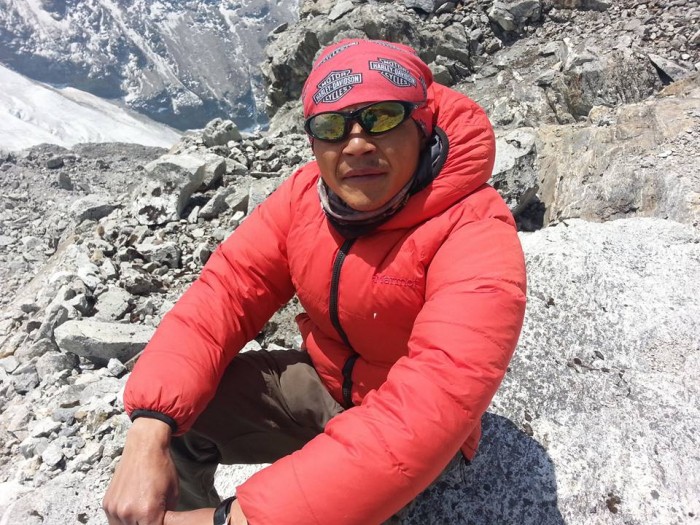
The allure of the Himalayas has captivated adventurers and mountaineers for decades. Among these colossal peaks stands Lhotse, the world's fourth-highest mountain and a formidable challenge for even the most experienced climbers. Embarking on a Lhotse Expedition is a feat that beckons those seeking to test their physical and mental limits while embracing the beauty and danger of the world's towering summits.
Lhotse, towering at 8,516 meters (27,940 feet), is situated in the majestic Khumbu region of Nepal, adjacent to Mount Everest. Often overshadowed by its more renowned neighbor, it commands respect and fascination in its own right. The mountain consists of three summits, with the main peak being Lhotse's South Face, a colossal wall of ice and rock that poses a significant challenge to mountaineers.
The journey to conquer Lhotse typically commences in Kathmandu, where climbers gather, organize equipment, and undergo thorough briefings and preparations. The expedition requires mental preparedness, physical endurance, and acclimatization to the altitude's harsh conditions.
Trekking through the legendary Khumbu Valley, the trail leads through vibrant Sherpa villages and diverse landscapes before reaching the base camp situated near the base of Lhotse's South Face. The base camp serves as the hub for acclimatization, training, and final preparations for the ascent.
The ascent of Lhotse demands meticulous planning and a deep understanding of the mountain's intricacies. Climbers navigate through treacherous icefalls, steep slopes, and unforgiving crevasses. The climbing route often involves fixing ropes, establishing camps at strategic heights, and dealing with altitude-related challenges.
One of the most daunting sections of the climb is the Lhotse Couloir, a steep and narrow gully that requires both technical skill and mental fortitude to navigate. Climbers must also tackle the infamous South Col, a high, icy pass that leads to the final push to the summit.
Reaching the summit of Lhotse is a triumph that few can claim. The panoramic views of the surrounding Himalayan giants and the sense of accomplishment are unparalleled. However, the descent poses an equal challenge, and often, the majority of accidents occur during the return journey. Extreme weather conditions, exhaustion, and the unforgiving nature of the terrain make the descent as demanding as the ascent.
As the popularity of mountain expeditions grows, so does the importance of responsible and sustainable climbing practices. Environmental conservation and respect for local cultures are imperative. This includes minimizing waste, respecting local customs, and leaving no trace behind.
The Lhotse Expedition is a test of human resilience, courage, and determination. It's a journey that pushes the limits of physical and mental capabilities while offering a profound connection with nature's grandeur. However, it's essential to approach this endeavor with reverence for the mountains and a commitment to preserving their pristine beauty for generations to come.
Embarking on a Lhotse Expedition is more than just reaching a summit; it's a transformative experience that leaves an indelible mark on the soul—a testament to the unyielding human spirit in the face of nature's might.
Welcome to Kathmandu! Upon your arrival at Tribhuvan International Airport, you will be greeted by our representative and transferred to your hotel. The rest of the day is yours to relax and recover from your journey. Enjoy the comforts of your hotel with a Bed and Breakfast (BB) plan.
Today is dedicated to official formalities and preparations for your adventure. Take the opportunity to explore the vibrant city of Kathmandu, visit historical sites like Swayambhunath Stupa or Pashupatinath Temple, and attend a briefing about the upcoming trek and climb. Overnight at the hotel with a BB plan.
Catch an early morning flight to Lukla, a thrilling experience with breathtaking views of the Himalayas. Upon arrival, embark on a scenic trek to Phakding, a picturesque village along the Dudh Kosi River. Spend the night in a cozy lodge, absorbing the tranquility of the surrounding mountains.
Continue your trek to Namche Bazaar, the gateway to the Khumbu region. The trail takes you through beautiful pine forests and offers glimpses of Everest. Arrive in Namche, a bustling Sherpa market town, and spend the night in a comfortable lodge.
Acclimatization is crucial for a successful climb. Use this rest day to explore Namche Bazaar, visit the Sherpa Museum, and enjoy panoramic views of Everest and surrounding peaks. Overnight at the lodge.
Resume your journey, trekking to Tengboche, home to the famous Tengboche Monastery. The trail unveils stunning views of Ama Dablam and Everest. Immerse yourself in the spiritual atmosphere of the monastery before retiring to your lodge for the night.
Continue the trek to Pheriche, a village nestled in a high-altitude desert landscape. As you gai
