

Have Questions? Talk to Expert (Binod)
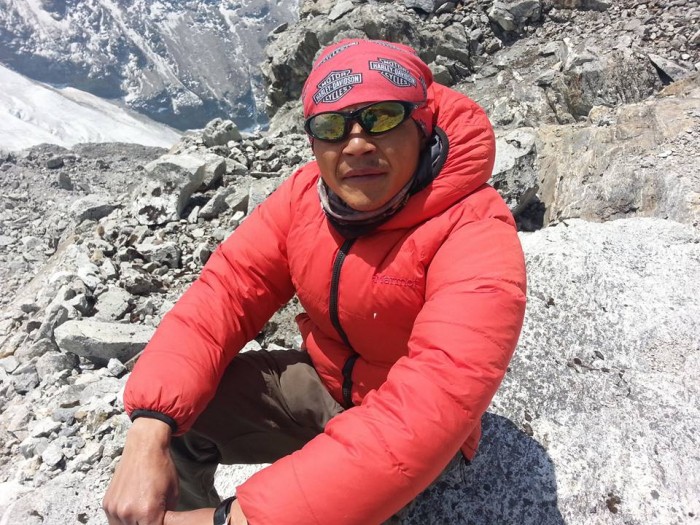
The Makalu Botanical Trek is a remarkable nature and wilderness journey through one of Nepal’s richest Himalayan biodiversity regions. Organized by Himalayan Adventure Intl Treks, this special trekking experience takes travelers deep into the forests, valleys, alpine landscapes, and traditional communities of Makalu-Barun National Park, with a primary focus on Nepal’s extraordinary botanical diversity.
Unlike a conventional Makalu Base Camp expedition, the Makalu Botanical Trek places greater emphasis on observing and appreciating the changing vegetation, wildflowers, rhododendrons, orchids, medicinal plants, forests, birds, butterflies, and natural ecosystems encountered along the trail.
Makalu-Barun National Park extends from low-elevation valleys to the high Himalaya, creating remarkable ecological variation over a relatively short geographical distance. The Government of Nepal identifies the park as an important repository of biodiversity and medicinal and other plant resources. Its documented flora includes 25 species of rhododendron, 47 types of orchids, and 56 rare or endangered plants.
The trek passes through forests of different ecological zones, including subtropical vegetation at lower elevations, temperate forests, rhododendron and conifer forests, birch and juniper communities, alpine meadows, and high-altitude vegetation. Depending on the season and location, trekkers may encounter flowering plants, mosses, ferns, orchids, medicinal herbs, wildflowers, and other Himalayan plant life.
Beyond botany, the journey offers spectacular mountain scenery, traditional villages, rivers, waterfalls, wildlife habitats, and opportunities to experience the cultures of Rai, Sherpa, and other communities living around the Makalu region.
For nature lovers, photographers, students, researchers, birdwatchers, botanists, environmental enthusiasts, and adventurous trekkers, the Makalu Botanical Trek in Nepal offers a distinctive way to explore the eastern Himalayas.
The major attraction of the Makalu Botanical Trek is the extraordinary transition between ecological zones.
Makalu-Barun National Park covers a huge vertical range, from approximately 435 meters to 8,463 meters, creating diverse climatic and ecological conditions. The official park information describes the area as extending from tropical to nival environments.
As trekkers ascend, the landscape changes dramatically.
Lower sections may feature warmer forests, cultivated land, rivers, and subtropical vegetation. Higher sections gradually introduce temperate forests, rhododendrons, conifers, birch, bamboo, alpine shrubs, grasslands, and high-altitude plants.
This continuous transition makes the route particularly interesting for travelers who want to understand how Himalayan vegetation responds to elevation.
Rather than focusing exclusively on a final destination, the Botanical Trek encourages travelers to appreciate every ecological zone along the journey.
The botanical diversity of Makalu-Barun is one of the strongest reasons to explore this region.
According to Nepal's Department of National Parks and Wildlife Conservation, the park supports 25 species of rhododendron and 47 types of orchids, along with many rare and endangered plants.
Different sections of the trail contain different plant communities.
Among the documented tree groups are Shorea, pine, oak, birch, rhododendron, maple, yew, and juniper species.
The vegetation may include:
The exact plants visible during a trek depend on season, elevation, weather, trail section, and flowering periods.
For this reason, our guides help trekkers understand the plants encountered rather than simply promising particular flowers or species.
Rhododendron is one of the most recognizable plants of the Nepal Himalayas and is particularly important to the botanical character of the Makalu region.
During the appropriate spring period, forests can become especially attractive as rhododendrons flower among the surrounding greenery.
Different rhododendron species occur at different elevations, making the trek an excellent opportunity to observe variation in Himalayan forest environments.
The official Makalu-Barun National Park information lists 25 rhododendron species within the protected area.
Spring trekkers may therefore enjoy a combination of:
flowering rhododendrons + orchids + wildflowers + green forests + clear mountain scenery.
However, flowering intensity varies annually according to local weather and elevation.
Orchids are another important attraction of the Makalu Botanical Trek.
The protected area is officially documented as supporting 47 types of orchids.
Orchids can be found in different forest environments, and some are small or difficult to identify without botanical knowledge. Therefore, travelers interested in orchids should trek with a guide who understands the local environment and can help locate and photograph plants without damaging them.
The goal of the Botanical Trek is observation and conservation, not collecting plants.
Trekkers should never remove orchids, wildflowers, medicinal plants, seeds, roots, or other natural materials from the protected area.
Makalu-Barun National Park is recognized by Nepal's conservation authorities as an important storehouse of medicinal and other plant resources.
The Botanical Trek provides opportunities to learn about the traditional relationship between local communities and Himalayan plants.
Depending on the route and season, trekkers may encounter plants traditionally used by local people for food, medicine, household purposes, incense, or other cultural practices.
Our guides can explain traditional knowledge where appropriate, while emphasizing that wild plants should not be consumed or used medicinally simply because they are encountered on the trail.
Plant identification should be left to qualified specialists when accurate scientific identification is important.
The route can be customized according to the primary objective of the group.
A classic approach toward the Makalu region commonly involves Tumlingtar followed by a road journey toward the trekking area. The Department of National Parks and Wildlife Conservation notes that Tumlingtar is accessible by air from Kathmandu and that road access is also possible.
Depending on the selected itinerary and road conditions, trekking can begin around areas such as Chichila or Num.
A botanical-focused itinerary may include:
Kathmandu → Tumlingtar → Chichila/Num → Seduwa → Tashigaon → forest and alpine zones → selected highland destinations → return toward Tumlingtar → Kathmandu
Unlike a conventional Base Camp itinerary, the Botanical Trek can be designed to spend additional time in areas with particularly interesting forests and vegetation.
The exact itinerary should therefore be determined according to:
The best period depends on what you want to observe.
Spring is particularly attractive for travelers interested in flowering plants.
This period can offer:
The exact flowering period varies according to elevation and annual weather conditions.
Autumn generally provides favorable trekking conditions after the monsoon.
The forests remain attractive, mountain visibility can be excellent, and trails are often suitable for longer trekking days.
Autumn can be particularly suitable for travelers who want to combine botanical observation, wildlife, culture, and Himalayan scenery.
The Makalu region receives substantial monsoon precipitation. The official park information notes that the eastern Himalayan monsoon begins early and continues into late September.
Rain can create muddy trails, landslides, swollen rivers, cloud cover, and transportation disruptions.
However, the wet season can also produce lush vegetation and interesting plant activity for specialized botanical researchers.
Higher elevations can become very cold and snowy, with more difficult trekking conditions.
A winter botanical itinerary therefore requires careful route selection and appropriate equipment.
The Makalu Botanical Trek is a challenging Himalayan trekking experience because of its remote terrain, steep ascents and descents, changing elevation, long walking days, and limited facilities.
The difficulty depends greatly on the chosen itinerary.
A Botanical Trek does not necessarily need to reach Makalu Base Camp. A customized lower- or mid-elevation itinerary can provide extensive botanical experiences while reducing the high-altitude demands of the classic Base Camp route.
Travelers should prepare through:
The itinerary can be adjusted according to the fitness and experience of the group.
Although the primary purpose of this trek is botanical exploration, the same diverse ecosystems provide habitats for many species of wildlife.
Makalu-Barun National Park is home to animals including red panda, musk deer, Himalayan black bear, snow leopard, Himalayan tahr, wild boar, and other wildlife, according to the Department of National Parks and Wildlife Conservation. The park also records
