
Have Questions? Talk to Expert (Binod)
The Manaslu Region is one of Nepal’s most spectacular trekking destinations, offering a perfect combination of untouched Himalayan wilderness, authentic mountain culture, ancient Buddhist heritage, and breathtaking mountain scenery. Located in the north-central part of Nepal near the Tibetan border, the Manaslu Region has rapidly become one of the most sought-after trekking areas for travelers seeking a genuine Himalayan adventure away from the crowded trails of Everest and Annapurna.
Officially opened to foreign trekkers in 1992, the Manaslu Region remains one of Nepal’s best-preserved trekking areas. The region surrounds the majestic Mount Manaslu (8,163 meters), the eighth-highest mountain in the world. Its remote location, restricted area status, and unique cultural identity have helped preserve its natural beauty and traditional lifestyle, making it a dream destination for trekkers, photographers, nature lovers, and cultural explorers.
At Himalayan Adventure Intl Treks, we invite you to discover the hidden treasures of the Manaslu Region, where every step reveals dramatic landscapes, charming villages, ancient monasteries, and unforgettable Himalayan panoramas.
The Manaslu Region offers an extraordinary trekking experience that combines adventure, culture, and nature. Unlike some of Nepal’s more commercial trekking routes, the Manaslu trails remain peaceful and authentic, allowing visitors to connect deeply with local communities and the Himalayan environment.
The region is renowned for its diverse geography. Trekkers journey through subtropical forests, terraced farmlands, rushing rivers, alpine meadows, glacial valleys, and high mountain passes. The changing scenery provides an incredible sense of exploration as the landscape transforms day by day.
One of the most rewarding aspects of trekking in the Manaslu Region is the opportunity to experience traditional Tibetan-influenced culture. The local communities have preserved their customs, language, architecture, and Buddhist traditions for centuries. Prayer flags flutter in the mountain breeze, mani walls line the trails, and ancient monasteries offer a glimpse into the spiritual life of the Himalayas.
Standing proudly at 8,163 meters above sea level, Mount Manaslu dominates the entire region. The name "Manaslu" is derived from the Sanskrit word "Manasa," meaning soul or intellect. For this reason, the mountain is often referred to as the "Mountain of the Spirit."
The first successful ascent of Mount Manaslu was achieved by a Japanese expedition in 1956. Since then, the mountain has become a popular destination for experienced climbers while attracting trekkers from around the world who wish to admire its magnificent beauty from below.
Throughout the trek, trekkers enjoy stunning views of Manaslu along with other impressive peaks including:
The combination of snow-covered summits, glaciers, and deep valleys creates some of the most dramatic mountain scenery found anywhere in Nepal.
The Manaslu Region is classified as a restricted trekking area by the Government of Nepal. This special status helps protect the region's fragile ecosystem, cultural heritage, and local communities.
Trekkers are required to obtain special permits and must travel with a licensed trekking agency. Himalayan Adventure Intl Treks manages all necessary permits and documentation, ensuring a smooth and hassle-free trekking experience.
The restricted area status has helped preserve the traditional lifestyle of local inhabitants. Many villages continue to practice customs and traditions that have remained unchanged for generations. Stone-built houses, yak caravans, traditional farming methods, and ancient Buddhist practices are still part of daily life.
Visitors often feel as though they have stepped back in time while exploring these remote Himalayan settlements.
The Manaslu Circuit Trek is the most popular trekking route in the region and is widely considered one of Nepal's finest long-distance treks. The trail circles Mount Manaslu and offers an incredible variety of landscapes, cultures, and natural attractions.
The trek generally begins at Machha Khola after a scenic drive from Kathmandu and follows the Budi Gandaki River through deep gorges and picturesque villages. As trekkers gain altitude, the environment gradually transitions from subtropical forests to alpine terrain and eventually to high mountain landscapes.
Highlights of the Manaslu Circuit Trek include:
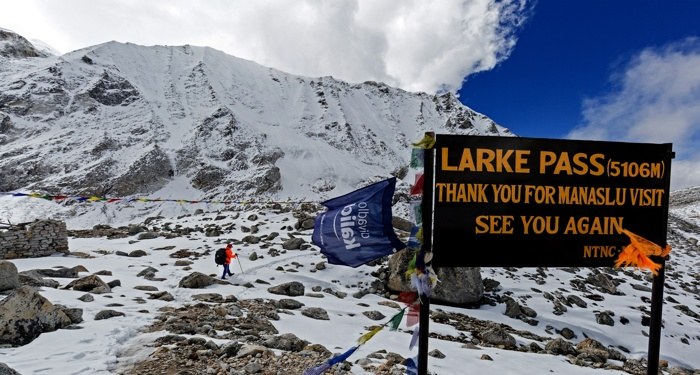
The crossing of Larkya La Pass is often considered the most memorable moment of the trek. From the summit, trekkers are rewarded with panoramic views of snow-capped peaks stretching across the horizon.
One of the hidden gems of the Manaslu Region is the mystical Tsum Valley. Often called the "Hidden Valley of Happiness," Tsum Valley remained isolated from the outside world for centuries.
Located close to the Tibetan border, the valley possesses a strong Tibetan Buddhist influence and is considered one of Nepal's most culturally significant regions. Ancient monasteries, sacred caves, prayer wheels, and traditional villages make Tsum Valley a unique cultural destination.
The valley is home to several important Buddhist sites including:
Situated at a high elevation near the Tibetan border, Mu Gompa is one of the largest and most important monasteries in the region. The monastery offers breathtaking views of surrounding mountains and provides insight into traditional Buddhist monastic life.
This historic nunnery serves as a center for Buddhist learning and spiritual practice. Visitors can observe daily rituals and experience the peaceful atmosphere of the monastery.
According to local belief, the famous Tibetan Buddhist saint Milarepa meditated in this cave during his spiritual journey. It remains an important pilgrimage site for Buddhists.
The Tsum Valley Trek offers a rare opportunity to experience a living Himalayan culture that has remained remarkably preserved despite modernization elsewhere.
The Manaslu Conservation Area covers more than 1,600 square kilometers and protects a rich variety of ecosystems. D