
Have Questions? Talk to Expert (Binod)
Mustang Tiji Festival Trek 2027–2030 is an extraordinary cultural journey into the hidden kingdom of Upper Mustang, where ancient Tibetan Buddhist traditions, spectacular Himalayan landscapes, medieval villages, centuries-old monasteries, and one of Nepal's most fascinating religious festivals come together in the legendary walled city of Lo Manthang.
Organized by Himalayan Adventure Intl Treks, this specially designed Tiji Festival journey gives travelers the opportunity to experience the three-day Tiji celebration while exploring the remote landscapes and traditional settlements of Upper Mustang. The journey is much more than a trek. It is an opportunity to enter a living cultural landscape where Tibetan Buddhist customs, local traditions, ancient architecture, sacred caves, and Himalayan spirituality remain deeply connected to everyday life.
The Tiji Festival is celebrated for three days according to the Tibetan lunar calendar. The festival dates therefore change from year to year. Current published calendars list the 2027 Tiji Festival for June 1–3, 2028 for May 21–23, and 2029 for May 10–12. Published calendars for 2030 currently differ, so travelers planning a 2030 journey should confirm the final dates with the local monastery and trekking operator before booking international flights.
The festival is held in and around the historic walled city of Lo Manthang, the cultural heart of Upper Mustang. During the celebration, monks perform elaborate masked dances and sacred rituals representing the struggle between destructive forces and the forces of peace and compassion. The story traditionally associated with Tiji centers on Dorje Jono, who defeats the destructive demon Man Tam Ru and restores peace and prosperity to the kingdom.
For travelers interested in Himalayan culture, Tibetan Buddhism, photography, history, architecture, remote trekking, and authentic local experiences, the Mustang Tiji Festival Trek 2027–2030 is an unforgettable adventure.
| Trek Feature | Details |
|---|---|
| Destination | Lo Manthang, Upper Mustang, Nepal |
| Festival | Tiji Festival / Tenchi |
| Duration of Festival | 3 days |
| 2027 Festival | June 1–3, 2027 |
| 2028 Festival | May 21–23, 2028 |
| 2029 Festival | May 10–12, 2029 |
| 2030 Festival | Date to be reconfirmed before final departure |
| Region | Upper Mustang |
| Lo Manthang Elevation | Approximately 3,800–3,850 meters |
| Trek Style | Cultural trek, teahouse trek, private or group |
| Difficulty | Moderate to challenging depending on itinerary |
| Permits | Upper Mustang Restricted Area Permit and applicable conservation-area permits |
| Best For | Culture lovers, photographers, families with trekking experience, couples, solo travelers, groups, researchers |
| Main Festival Venue | Lo Manthang palace square and surrounding monastery area |
| Accommodation | Teahouses, guesthouses and selected hotels |
| Trekking Company | Himalayan Adventure Intl Treks |
Because Upper Mustang is a restricted trekking region, permit arrangements must be handled according to current Nepal regulations. The Nepal Department of Immigration currently lists the Upper Mustang restricted-area permit at USD 50 per person per day on its trekking-route fee table; permit regulations and fees can change, so your final trip quotation should always reflect the current government rate at the time of booking.
Tiji is one of the most important traditional Buddhist festivals celebrated in Upper Mustang. It is a three-day religious and cultural celebration held in Lo Manthang and traditionally follows the Tibetan lunar calendar. Because it follows a lunar system rather than a fixed Gregorian date, the festival moves from year to year.
The name Tiji is commonly explained as a shortened form of “Tenpa Chirim,” meaning “Prayer for World Peace.” The festival represents prayers for peace, prosperity, protection, and the removal of obstacles and suffering.
At the center of the festival is the traditional story of Dorje Jono, a powerful figure who confronts and defeats the demon Man Tam Ru, whose destructive actions brought hardship, drought, suffering, and disorder to the Kingdom of Mustang.
The story is expressed through sacred masked dances performed by monks. The dances are not simply entertainment. They form part of a religious ritual in which symbolic movements, costumes, masks, music, prayers, offerings, and ritual objects communicate a spiritual story.
The festival therefore offers visitors a rare opportunity to observe Tibetan Buddhist ritual traditions within their original cultural environment.
The traditional story of Tiji tells of a destructive demon who brought suffering to the people and land of Mustang. The demon's actions were associated with drought, storms, disease, destruction, and hardship.
Dorje Jono, also known as Dorje Sonnu in different transliterations, emerges as the heroic figure who confronts this destructive force.
Through the three days of ritual performance, the story develops from the appearance and disturbance of evil toward the eventual defeat and removal of the destructive force.
This symbolic story has given the Tiji Festival its enduring spiritual meaning: good overcoming evil, wisdom overcoming ignorance, and peace overcoming destructive forces.
For the people of Upper Mustang, the festival is also associated with hopes for peace, prosperity, stability, good fortune, and the protection of the community.
The festival's historical importance is closely connected with the religious life of Lo Manthang. The source material describes Tiji as a festival that began as a religious ceremony intended to ward off obstacles and suffering and later became a symbol of the hope and strength of the people of Mustang.
There are many reasons to travel to Upper Mustang, but visiting during Tiji makes the experience particularly memorable.
Instead of simply visiting ancient monasteries and villages, travelers have the opportunity to see the region's living religious traditions.
You may walk through the narrow lanes of Lo Manthang in the morning, visit an ancient monastery during the day, and then watch masked monks perform sacred dances in the palace square in the afternoon.
The surrounding landscape makes the experience even more remarkable.
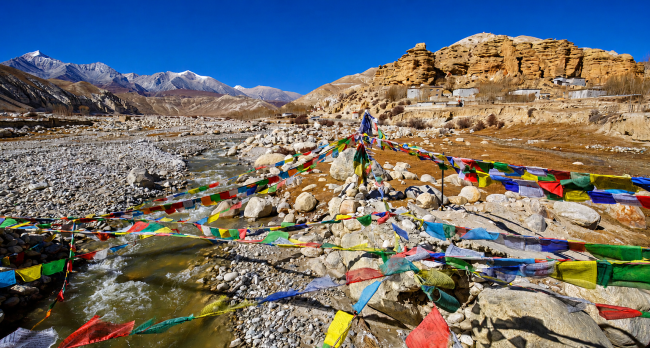
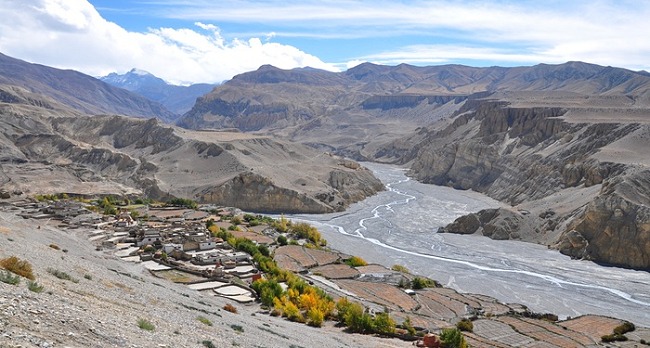
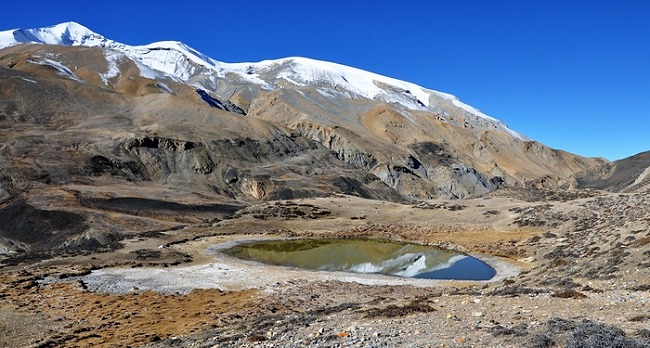
Upper Mustang is located in the rain shadow of the Annapurna and Dhaulagiri ranges. The region is characterized by dry valleys, dramatic cliffs, eroded rock formations, barren mountains, deep gorges, ancient settlements, prayer flags, chortens, mani walls, and traditional Tibetan-style houses.
The contrast between the stark landscape and the colorful festival costumes creates an unforgettable visual experience.
The Tiji Festival is based on the Tibetan lunar calendar, so the dates change each year.
June 1–3, 2027
The 2027 celebration is currently listed for June 1, 2, and 3 in Lo Manthang. Several current trekking sources agree on these dates.
May 21–23, 2028
Current published trekking calendars list May 21–23, 2028 for the three-day festival.
May 10–12, 2029
Current published festival calendars list May 10–12, 2029.
Expected around late May 2030
Published calendars currently differ for 2030. One current trekking source lists May 28–30, 2030, while another published calendar lists May 30–June 1, 2030.
Therefore, Himalayan Adventure Intl Treks recommends treating the 2030 date as provisional until the official Lo Manthang monastic calendar is confirmed.
Do not book international flights solely on an estimated festival date for a future year. Festival dates should be reconfirmed before finalizing flights, domestic connections, accommodation and trekking permits.
Himalayan Adventure Intl Treks can monitor the festival calendar and help coordinate the itinerary around the confirmed dates.
The three days of Tiji gradually tell the story through prayers, offerings, music, masked dances and symbolic rituals.
The first day begins with religious activities and prayers associated with Vajrakila at Chode Gompa.
The atmosphere changes in the afternoon when the festival square begins to fill with local residents, monks, visitors and photographers.
Traditional instruments such as long copper horns, drums and cymbals create a powerful soundscape.
One of the most remarkable elements described in traditional accounts of the festival is the display of a large thangka associated with Padmasambhava. The source material describes a hand-embroidered thangka depicting Padmasambhava with two dakinis and says it is traditionally considered more than 400 years old.
The masked dancers then begin their performance.
The lead dancer, traditionally identified as the Tsowo, is distinguished by elaborate headgear. The dancers move in carefully coordinated formations, creating a mandala-like arrangement.
The first day's dance is relatively slow and ceremonial. Traditional descriptions associate the movements with invocation, purification and preparation.
For visitors, the first day is an opportunity to understand the visual language of the festival before the more dramatic performances that follow.
The second day develops the story.
Morning prayers and offerings take place before the afternoon festival activities begin.
The masked dances become more energetic and dramatic. Animal forms, symbolic weapons and powerful movements are incorporated into the performance.
The story reaches a major dramatic point when the demon is symbolically defeated.
Traditional descriptions of the ceremony include the piercing of a straw effigy by the Tsowo using a ritual dagger. This represents the destruction of the demon and the triumph of Dorje Jono over the destructive force.
For visitors, Day Two can be one of the most visually powerful moments of the entire festival.
The colorful costumes, elaborate masks, ancient architecture, dramatic Himalayan light and large gathering of local people create excellent opportunities for cultural photography.
However, travelers should remember that this remains a religious ceremony. Photography should always be respectful and follow instructions from local authorities, monks and community members.
The third day brings the festival toward its conclusion.
Morning prayers continue at the monastery. In the afternoon, ritual offerings and further masked dances take place.
The final events culminate in the symbolic removal of the demon and a celebratory procession.
Traditional accounts describe masked dancers leading a procession followed by the King and members of the royal family, representatives of local communities and residents of Mustang.
The final celebrations include prayers and offerings associated with good fortune and prosperity.
The traditional description of the closing ceremony includes offerings of tsampa and an exchange of greetings among the King, Khempo and monks.
The final day therefore combines religious symbolism with community celebration.
The destination itself is one of the main reasons to join the Tiji Festival Trek.
Lo Manthang is the historic walled settlement at the heart of Upper Mustang.
The city is famous for its whitewashed mud-brick buildings, narrow lanes, monasteries, traditional houses and distinctive Tibetan Buddhist architecture.
Walking through Lo Manthang can feel like entering another era.
The surrounding landscape is dry and dramatic, while the settlement itself contains densely packed buildings and religious structures.
During Tiji, the city becomes even more vibrant as residents from surrounding villages arrive for the celebration.
Local people wear traditional clothing, monasteries become active centers of religious activity, and the main festival square becomes a gathering place for the community.
A Tiji Festival journey should not be limited to the three festival days.
The surrounding Upper Mustang region contains numerous monasteries, temples, chortens and sacred sites.
Depending on the selected itinerary and local conditions, Himalayan Adventure Intl Treks can arrange visits to important cultural locations around Lo Manthang.
Chode, also spelled Choedhe or Chhode in different sources, plays an important role in the Tiji celebration. Monks associated with the monastery perform the sacred masked dances and religious rituals.
Jampa Lhakhang is among the important religious sites that can be explored around Lo Manthang.
Thubchen is another important cultural site associated with the historic religious heritage of Lo Manthang.
The journey through Mustang can also include ancient religious sites such as Ghar Gompa, depending on the selected route.
The Chosar area near Lo Manthang is particularly interesting for travelers fascinated by ancient cave settlements and Himalayan archaeology.
The supplied source highlights Chosar Cave, Ghar Gompa and the old monastery ruins around Charang among the cultural attractions associated with the Mustang Tiji journey.
The journey to Lo Manthang is an adventure in itself.
Depending on the itinerary selected, travelers may begin the Upper Mustang journey from the Pokhara region and follow the Kali Gandaki corridor toward Jomsom and the Upper Mustang restricted area.
The landscape gradually changes as the route moves northward.
Green vegetation becomes less dominant, while dry cliffs, wind-carved formations and barren mountains become increasingly prominent.
Villages appear like small islands of life within the desert-like Himalayan landscape.
Traditional houses are constructed in ways adapted to the local climate, and Buddhist prayer flags, chortens and mani walls provide reminders that this is a deeply spiritual landscape.
The trek is not simply a journey between two points. Every day's walk introduces another village, another landscape and another part of Mustang's cultural history.
The timing of the festival makes the journey particularly attractive.
Upper Mustang lies in the rain shadow of the Himalayas, making the region considerably drier than many other trekking destinations in Nepal.
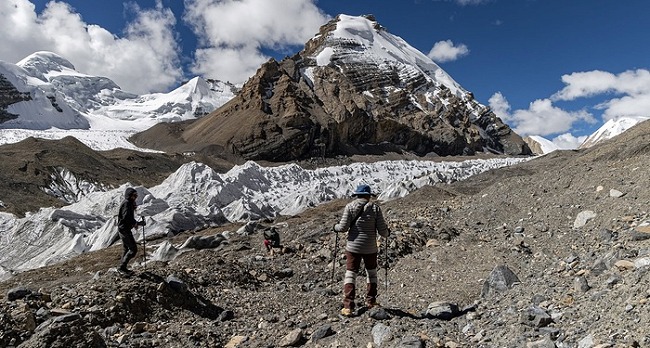
The landscape can include enormous cliffs, red and ochre rock formations, high plateaus, dry river valleys and distant snow-covered Himalayan peaks.
The sky is often expansive and dramatic.
In the morning, the mountains can appear crisp and clear. During the afternoon, strong mountain winds can sweep across the valleys.
Travelers should therefore be prepared for significant differences between daytime sunshine and early-morning or evening temperatures.
There are several ways to design a Tiji Festival journey.
The classic option is to combine domestic travel with a multi-day trek through Lower and Upper Mustang.
This is ideal for travelers who want to experience the landscape gradually.
The trek allows you to see traditional villages, walk through valleys, cross mountain passes and experience the changing environment between the lower Kali Gandaki region and Upper Mustang.
A jeep-supported Upper Mustang trip is an alternative for travelers who prefer less walking.
This can be especially useful for families, senior travelers, photographers carrying heavy equipment, or travelers with limited trekking time.
A jeep itinerary does not remove the adventure, however. The roads are mountainous and conditions can change quickly.
Private departures allow the itinerary to be adapted around your preferred pace.
Himalayan Adventure Intl Treks can arrange customized programs for couples, families, friends, photography groups, researchers and corporate or institutional groups.
The Tiji Festival Trek should not be considered a technical mountaineering expedition, but Upper Mustang is a high-altitude environment.
Lo Manthang is situated at approximately 3,800 meters, and trekking itineraries may involve higher passes and extended days of walking.
The difficulty therefore depends on the route.
A shorter, road-supported itinerary may be easier physically than a longer trekking route.
A full trekking itinerary can involve approximately five to seven hours of walking on some days, with uneven trails, uphill and downhill sections, strong sun, wind and altitude.
A reasonable level of cardiovascular fitness is recommended.
Regular walking, hiking, stair climbing and endurance training before the trip can make the experience considerably more comfortable.
Altitude is one of the most important considerations when traveling to Upper Mustang.
Even travelers who are physically fit can experience altitude-related symptoms.
Common symptoms can include headache, tiredness, reduced appetite, disturbed sleep and shortness of breath.
The best strategy is gradual acclimatization.
Himalayan Adventure Intl Treks plans itineraries with appropriate pacing and encourages travelers to communicate immediately with their guide if they feel unwell.
Do not attempt to ignore serious altitude symptoms simply to maintain the itinerary.
Drink water regularly, eat sufficiently, sleep well and avoid unnecessary alcohol during the acclimatization period.
Your guide will monitor the group and recommend appropriate action when necessary.
Accommodation in Upper Mustang is generally more basic than in major Nepal trekking regions.
In Kathmandu and Pokhara, travelers can stay in comfortable hotels according to their selected package.
As you travel deeper into Mustang, accommodation becomes more traditional.
Tea houses and family-run guesthouses generally provide clean and simple rooms, often with shared or private bathroom facilities depending on the location.
During the Tiji Festival, accommodation in Lo Manthang can become particularly busy.
For this reason, early booking is strongly recommended.
Himalayan Adventure Intl Treks arranges accommodation in advance wherever possible and selects properties according to availability, location, cleanliness and suitability for the group.
Food is an important part of the trekking experience.
Typical meals can include:
In Lo Manthang, travelers may also have opportunities to taste Tibetan-influenced local food.
We recommend keeping meals relatively simple and nutritious during trekking days.
A balanced diet containing carbohydrates and protein helps support long walking days.
Packing correctly is essential because Upper Mustang experiences strong sunlight, cold mornings, chilly evenings and mountain winds.
Bring a camera with spare batteries and sufficient memory if photography is important to you.
However, remember that the Tiji Festival is a sacred religious event. Ask permission before photographing individuals closely, especially monks, elderly residents and people participating in private religious activities.
Tiji is a dream destination for cultural photographers.
The combination of masked dancers, traditional costumes, ancient architecture, Himalayan landscapes, prayer flags, local residents and dramatic mountain light provides extraordinary photographic opportunities.
The best photographs, however, come from respectful observation.
Do not block the procession.
Do not enter restricted ritual spaces.
Do not use flash where it is prohibited.
Ask before taking close-up portraits.
Follow instructions from monks, local organizers and your guide.
A good cultural photograph should preserve the dignity of the person and tradition being photographed.
The festival itself determines the best travel dates.
For travelers attending the Tiji Festival, the priority is to arrive in Lo Manthang at least one or two days before the first festival day.
This provides a safety margin for road or flight delays and allows time to acclimatize.
Spring and early summer are particularly attractive for the Upper Mustang region.
The landscape is dry, the mountain scenery can be spectacular, and the festival creates a unique cultural atmosphere.
Because Upper Mustang sits in the rain shadow of the Himalayas, travel conditions differ from wetter trekking regions of Nepal.
Nevertheless, mountain weather can change rapidly, and travelers should always remain flexible.
Solo travelers are welcome to join a group departure or arrange a private trip.
A group departure is an excellent way to meet other international travelers while sharing transportation, guides and cultural experiences.
Private travel provides more flexibility.
If you prefer your own pace, private accommodation arrangements, a photography-focused itinerary or additional cultural exploration around Lo Manthang, Himalayan Adventure Intl Treks can create a customized program.
The Mustang Tiji Festival is an excellent cultural adventure for couples.
Rather than spending the entire trip in crowded tourist areas, couples can explore one of Nepal's most remote and culturally distinctive regions.
A private itinerary can include comfortable accommodation, a private guide, porter support, festival viewing, monastery visits and additional sightseeing around Lo Manthang.
Families with older children and reasonable trekking experience can enjoy Upper Mustang.
A customized itinerary can reduce unnecessary walking and use jeep support where appropriate.
Families should understand that Upper Mustang is remote and facilities are more basic than in Kathmandu or Pokhara.
For families, preparation and realistic expectations are essential.
The rewards are substantial: children can experience an ancient culture, traditional architecture, Himalayan geography and Buddhist heritage far removed from conventional tourist attractions.
Himalayan Adventure Intl Treks can arrange:
Group travel can reduce per-person logistics costs while creating a social and memorable atmosphere.
Large groups may require additional advance planning for accommodation, transportation, permits, meals and festival logistics.
The exact itinerary should be customized according to the selected transportation method, confirmed festival dates, group fitness and accommodation availability.
A typical extended itinerary can include:
Arrival at Tribhuvan International Airport.
Meet the Himalayan Adventure Intl Treks representative and transfer to your hotel.
Trip briefing and preparation.
Explore selected UNESCO World Heritage cultural sites and prepare trekking equipment and permits.
Travel toward Pokhara and enjoy views of the Nepalese countryside.
Travel by available domestic connection or road arrangement toward the Mustang region, depending on current operating conditions.
Begin the Upper Mustang journey through the Kali Gandaki landscape.
Kagbeni provides an atmospheric introduction to the Tibetan-influenced culture of Mustang.
Continue north through dry Himalayan valleys and traditional settlements.
Cross high mountain terrain and enjoy dramatic views.
Continue toward one of Upper Mustang's culturally significant villages.
Explore ancient settlements, Buddhist monuments and dramatic landscapes.
Reach the legendary walled city.
Explore the historic center and prepare for the festival.
Visit monasteries, traditional streets, historic buildings and surrounding cultural sites.
This day also allows additional acclimatization.
Witness the opening day of the festival, monastery prayers, thangka display and Tsacham masked dance.
Experience the dramatic second day of masked dances and symbolic rituals.
Witness the closing ceremonies, procession and final celebrations.
Explore additional sites around Lo Manthang, including selected villages or the Chosar area, subject to local conditions and the chosen itinerary.
Begin the journey south through Upper Mustang.
Continue toward Pokhara.
Return to Kathmandu.
Airport transfer for your onward flight.
Note: The number of days can be increased or reduced according to the selected trekking route, transportation, acclimatization requirements and confirmed Tiji Festival dates.
Himalayan Adventure Intl Treks can offer different service levels according to travelers' preferences.
The budget option is designed for travelers who want an authentic Mustang experience while keeping costs practical.
It can include:
The deluxe option provides upgraded accommodation and additional comfort.
It can include:
For travelers who prioritize privacy and comfort, Himalayan Adventure Intl Treks can create a premium private program.
Depending on availability, this can include:
Not every traveler wants to complete a long trekking route.
A jeep-supported Upper Mustang journey is an excellent alternative.
The road network provides access to many settlements that were historically reached only by long trekking routes.
A jeep trip can be suitable for:
However, Upper Mustang remains a remote mountain environment. Jeep travel does not mean the journey is risk-free or effortless.
Road conditions can vary, and delays are possible.
Upper Mustang is a restricted area, so international travelers require special permit arrangements.
The current Nepal Department of Immigration trekking-route fee table lists the Upper Mustang restricted-area permit at USD 50 per person per day.
The exact permit requirements for your itinerary depend on the route and nationality.
Himalayan Adventure Intl Treks handles the necessary permit arrangements for organized trips.
Travelers should provide valid passport information and the documents required by the trekking agency and Nepal authorities.
Because government rules and fees may change between 2027 and 2030, the final quotation should always be based on the regulations applicable during the actual travel year.
A professional local guide can significantly improve the Tiji Festival experience.
The guide does much more than lead the group along the trail.
A knowledgeable guide can explain:
Porters can carry the main luggage so trekkers can walk with a lighter daypack.
Himalayan Adventure Intl Treks can arrange female guides, language-speaking guides and porter support according to availability and traveler requirements.
Upper Mustang is culturally sensitive and environmentally fragile.
Travelers have a responsibility to minimize their impact.
Please:
The goal is not simply to visit Mustang but to help ensure that its cultural heritage remains meaningful for future generations.
Travel insurance is strongly recommended for Upper Mustang.
Your insurance should cover:
Read the policy carefully.
Some insurance companies impose altitude limits, so make sure the policy covers the maximum elevation of your specific itinerary.
Upper Mustang is remote.
Medical facilities are limited compared with Kathmandu and Pokhara.
For this reason, travelers should not underestimate the importance of preparation.
Himalayan Adventure Intl Treks provides experienced guides who monitor trekking conditions and help coordinate logistics.
However, every traveler should understand that Himalayan weather, road conditions and domestic transportation can cause unexpected changes.
A flexible mindset is essential.
Choosing the right local trekking company can make a major difference in a remote region such as Upper Mustang.
Himalayan Adventure Intl Treks provides assistance with the essential logistics of the journey, including:
Our objective is to make your journey comfortable, culturally respectful and well organized while allowing you to experience Mustang beyond the ordinary tourist route.
The Tiji Festival Trek combines several extraordinary experiences in one journey.
You can:
This combination makes the journey very different from a conventional Himalayan trek.
The journey can be arranged for many types of travelers.
Join a scheduled group or travel privately with your own guide.
Enjoy a private cultural adventure with a flexible itinerary.
Choose a jeep-supported or customized itinerary with shorter walking days.
Travel as a private group and customize the pace and accommodation.
A Tiji journey can provide valuable exposure to Himalayan culture, Buddhism, geography, anthropology and traditional architecture.
Customized itineraries can be developed for cultural, religious, geographical, photographic or academic research, subject to required permissions.
The festival, landscapes and traditional settlements provide exceptional opportunities for documentary and travel photography.
The Tiji Festival is one of those rare Himalayan experiences that cannot be recreated elsewhere.
The sound of long horns echoing through Lo Manthang.
The colorful masks of the dancers.
The movement of monks across the palace square.
The ancient walls of the city.
The dry cliffs of Mustang rising behind the settlement.
The prayers, music and rituals.
The gathering of local communities.
And the feeling of standing inside a living Tibetan Buddhist tradition make this journey unforgettable.
If you are planning to visit Nepal in 2027, 2028, 2029 or 2030, consider building your journey around the Tiji Festival.
Himalayan Adventure Intl Treks can arrange private Tiji Festival treks, group departures, customized Upper Mustang itineraries, jeep-supported tours and cultural journeys according to your available time, budget and travel style.
For the best experience, plan early. Festival-period accommodation and transportation can become limited, particularly in Lo Manthang.
The earlier you reserve your trip, the more flexibility you have with accommodation, transportation, guides and itinerary design.
The Mustang Tiji Festival Trek is more than a Himalayan adventure.
It is a journey into a remote cultural landscape where religion, history, architecture, nature and community remain closely connected.
The trek takes you beyond the familiar image of Nepal's Himalayan mountains and introduces you to a very different side of the country.
Upper Mustang's dry valleys and towering cliffs create an unforgettable natural setting. Lo Manthang's historic walls and monasteries reveal the region's rich cultural heritage. And the Tiji Festival brings everything together through three days of sacred Buddhist ritual, masked dance, music, prayer and community celebration.
The story of Dorje Jono defeating Man Tam Ru continues to provide the spiritual heart of the festival. Its message of overcoming destructive forces and restoring peace remains meaningful far beyond the borders of Mustang.
For travelers who want to experience Nepal's culture rather than simply pass through it, Tiji is an exceptional opportunity.
Join Himalayan Adventure Intl Treks for the Mustang Tiji Festival Trek 2027–2030 and discover Lo Manthang during one of the most remarkable cultural celebrations in the Himalayas.
Plan early. Travel responsibly. Experience Tiji in the heart of Upper Mustang.
Welcome to Nepal! Upon your arrival at Tribhuvan International Airport in Kathmandu, a representative from Himalayan Adventure Intl Treks will be waiting outside the arrival terminal with a company signboard. You will receive a warm traditional welcome before being transferred comfortably to your hotel in Kathmandu.
After completing the airport formalities, the short drive to your hotel gives you your first glimpse of Kathmandu Valley, where ancient temples, historic courtyards, colorful markets, and modern city life exist side by side. Once you reach the hotel, you can check in and take some time to relax after your journey.
Depending on your arrival time, you may have an opportunity to explore the nearby streets or simply rest at the hotel. Your trekking team will also help confirm the itinerary and provide essential information about the Mustang Tiji Festival Trek. If necessary, there will be time to check your trekking equipment and arrange any additional gear required for the journey.
This first day is intentionally kept easy because the coming days involve long drives, flights, and trekking at higher elevations. Kathmandu is also an excellent place to experience Nepalese culture before heading toward the remote landscapes of Mustang.
In the evening, you can enjoy a welcome dinner at a local restaurant or hotel and taste traditional Nepalese cuisine. Your guide will brief you about the upcoming adventure, including the flight to Jomsom, trekking conditions, accommodation, altitude considerations, and the cultural importance of Upper Mustang and the Tiji Festival.
Overnight at a hotel in Kathmandu.
Altitude: 1,350 m
Accommodation: Hotel
Meals: Breakfast
After breakfast, your Mustang adventure continues with a scenic drive from Kathmandu toward Pokhara, one of Nepal’s most beautiful and popular tourist cities. You will travel by private vehicle along the Prithvi Highway, following winding mountain roads, rivers, hills, villages, and terraced farmland.
The journey provides an interesting introduction to Nepal beyond Kathmandu. As you leave the capital, the busy urban landscape gradually changes into peaceful countryside. You will pass traditional settlements, suspension bridges, agricultural fields, and roadside communities. The Trishuli River accompanies sections of the journey, adding beautiful scenery to the drive.
After approximately five to six hours, you arrive in Pokhara. Situated beside the peaceful Phewa Lake, Pokhara is considerably quieter and less congested than Kathmandu. The city is famous for its relaxed atmosphere and spectacular mountain panorama. On clear days, the Annapurna range and the distinctive pyramid-shaped summit of Machhapuchhre, also known as Fishtail, rise dramatically above the horizon.
After checking into your hotel, the remainder of the afternoon is free. You may take a relaxing walk around the Lakeside area, enjoy a peaceful boat ride on Phewa Lake, or simply relax while preparing mentally for the remote Mustang journey ahead.
Pokhara is also a wonderful place to enjoy the contrast between Nepal’s subtropical valleys and the high Himalayan environment you will soon experience. Your guide can assist with any final trekking preparations before the early morning flight to Jomsom.
Enjoy a peaceful evening beside Phewa Lake and prepare for the exciting start of your trek.
Driving Duration: Approximately 6–7 hours
Altitude: 827 m
Accommodation: Hotel
Meals: Breakfast and Lunch
An early morning flight from Pokhara takes you toward Jomsom, the gateway to the Mustang region. The approximately 20–25-minute flight is one of the most spectacular short mountain flights in Nepal. As the aircraft moves northward, the scenery changes dramatically, with green hills giving way to rugged Himalayan landscapes.
Upon landing at Jomsom, you will meet the trekking crew and enjoy breakfast before beginning your trek toward Kagbeni. The bags will be organized and your guide will explain the walking route for the day.
The trail follows the Kali Gandaki River through the broad and windswept valley. The Kali Gandaki Valley is famous for its dramatic landscape, ancient settlements, fossil-rich riverbeds, and views toward the surrounding Himalayan peaks. Much of today's route follows the established road, making the walking relatively straightforward.
You gradually make your way toward Ekle Bhatti, a small settlement that traditionally served as a stopping point for travelers moving through the Kali Gandaki corridor. From here, the trail continues north toward Kagbeni.
Kagbeni is one of the most fascinating villages in the region. Its narrow lanes, traditional mud-brick houses, prayer flags, chortens, and ancient monastery create a distinctly Tibetan-influenced atmosphere. The village also has enormous historical importance because it marks the traditional entrance toward Upper Mustang.
After arriving at Kagbeni, your guide will assist with the necessary arrangements for entering the restricted Upper Mustang region. Take time to explore the village and enjoy the changing landscape.
The surrounding cliffs and barren hills provide the first strong indication that you have entered a very different part of Nepal.
Trekking Duration: Approximately 3-4 hours
Altitude: 2,810 m
Accommodation: Tea House
Meals: Breakfast, Lunch and Dinner
Today marks the beginning of your journey deeper into the mysterious landscapes of Upper Mustang. After breakfast in Kagbeni, you follow the Kali Gandaki Valley northward toward Chele.
The trail initially continues along the river and the established road before reaching the traditional settlement of Tangbe. This charming village is characterized by whitewashed houses, narrow passages, agricultural fields, chortens, and distinctive local architecture. The contrast between the green fields around the settlement and the barren cliffs beyond is striking.
From Tangbe, the route continues toward Chhusang. Along the way, the Kali Gandaki gorge gradually becomes narrower and the surrounding landscape increasingly rugged. You will notice dramatic red, brown, and gray cliffs carved by wind and erosion. These geological formations are among the most recognizable features of Mustang.
After passing through Chhusang, the route begins climbing away from the river. The final section toward Chele involves a steeper ascent, providing an excellent opportunity to gradually adjust to the increasing elevation.
Chele is a small traditional settlement perched among the dry Himalayan hills. From the village, you can enjoy impressive views across the surrounding valleys and cliffs. The atmosphere becomes quieter as you move farther away from the main trekking routes of the lower Kali Gandaki.
Your guide will help you settle into the tea house, and the evening can be spent relaxing and enjoying a warm meal with your trekking companions.
Because the elevation is increasing, it is important to drink plenty of water and walk at a comfortable pace.
Trekking Duration: Approximately 6 hours
Altitude: 3,050 m
Accommodation: Tea House
Meals: Breakfast, Lunch and Dinner
Today's journey takes you higher into the distinctive high-altitude terrain of Upper Mustang. After breakfast in Chele, the trail begins with an uphill section through a narrow and dramatic gorge.
The route gradually climbs toward Dajong La, reaching approximately 3,660 meters. As you gain elevation, the vegetation becomes increasingly sparse and the surrounding landscape opens into wide valleys and dry mountain slopes.
From the pass, the trail leads toward Samar, one of the most attractive villages along this section of the Mustang route. Samar is surrounded by barren cliffs and distant Himalayan scenery, while the village itself contains green fields and traditional houses. It provides an interesting example of how local communities have adapted to Mustang's dry environment.
After leaving Samar, the trail descends briefly toward a small stream before beginning another demanding ascent. You will climb toward Bhena La, approximately 3,830 meters. The changing elevation means that today's walk should be taken slowly and steadily.
The route eventually reaches Syangmochen La, from where expansive views across the Mustang valleys become visible. This is one of the rewarding viewpoints of the day, offering a sense of the immense scale and remoteness of the region.
After enjoying the mountain scenery, you descend toward Syangmochen, where you will spend the night.
The combination of ascents and descents makes this a physically demanding day, but the spectacular scenery and cultural encounters make it worthwhile. Your guide will monitor the group's pace and help ensure everyone remains comfortable at altitude.
Trekking Duration: Approximately 7 hours
Highest Point: Approximately 3,920 m
Accommodation: Tea House
Meals: Breakfast, Lunch and Dinner
After breakfast, you continue your journey through the remote valleys of Upper Mustang. The morning begins with a gradual climb before the trail descends through a rugged landscape shaped by centuries of wind erosion.
The route eventually heads toward Tamagaon rather than descending directly toward Ghiling. Along the way, you experience a combination of gentle undulating trails and more challenging climbs. The landscape is remarkably dry, with exposed cliffs, barren hills, and occasional green patches around settlements.
The trail continues toward Jhaite, after which you begin the zigzag ascent toward Nyi La. At approximately 4,020 meters, Nyi La is one of the significant high points on the journey. Reaching the pass is a memorable achievement, and the summit provides spectacular views of the surrounding valleys and mountain formations.
After spending some time appreciating the scenery, the trail descends toward Ghami. Ghami is one of Upper Mustang's important traditional villages and is known for its distinctive houses, fields, monastery, and cultural heritage.
From Ghami, the route continues downward before another climb takes you toward Dhakmar. The final section involves a mixture of uphill and downhill walking through dramatic red cliffs and barren mountain scenery.
Dhakmar is famous for its striking red rock formations and traditional village setting. As the sun begins to soften the colors of the cliffs, the landscape can become particularly beautiful.
After reaching the tea house, enjoy a warm meal and rest after another demanding day.
Trekking Duration: Approximately 7 hours
Highest Point: Approximately 4,020 m
Altitude of Dhakmar: 3,820 m
Accommodation: Tea House
Meals: Breakfast, Lunch and Dinner
Today begins with another climb through the high desert landscape of Mustang. Leaving Dhakmar behind, you follow a trail that gradually rises toward Muila Bhanjyang, reaching approximately 4,170 meters.
The ascent provides excellent opportunities to appreciate the unusual geography of Upper Mustang. The surrounding terrain is dry and rugged, yet small villages and cultivated fields demonstrate the resilience of local communities living in this demanding environment.
After crossing the high point, the trail descends toward Ghar Gompa. This ancient monastery is one of the most significant cultural sites along the route and is traditionally regarded as one of the oldest monasteries in the Mustang region.
Ghar Gompa provides an opportunity to learn about the religious traditions that have shaped Mustang for centuries. Your guide can explain the significance of the monastery, its Buddhist heritage, and the role monasteries have historically played in local communities.
After exploring the area, the trail continues away from the more commonly traveled route and descends toward Marang. The changing landscape provides beautiful views of the surrounding cliffs and valleys.
From Marang, the trail continues toward Charang, one of the major settlements of Upper Mustang. Charang is known for its traditional whitewashed houses, ancient monastery, palace ruins, and impressive Tibetan-style architecture.
Upon reaching Charang, you can relax at the tea house and enjoy the peaceful surroundings. The lower elevation compared with the previous night's accommodation also makes the evening comfortable.
This day combines mountain scenery, cultural discovery, and a deeper introduction to the historical character of Upper Mustang.
Trekking Duration: Approximately 7 hours
Highest Point: Approximately 4,170 m
Altitude of Charang: 3,560 m
Accommodation: Tea House
Meals: Breakfast, Lunch and Dinner
Today is one of the most exciting days of the Mustang Tiji Festival Trek as you make your way toward Lo-Manthang, the historic walled capital of Upper Mustang.
After breakfast, you leave Charang and descend briefly toward a river before beginning a gradual climb. The route then joins the established road and continues across the open Mustang landscape.
The scenery becomes increasingly impressive as the trail passes through barren valleys, eroded cliffs, rocky ridges, and high desert terrain. Although the environment appears harsh, ancient settlements, cultivated fields, monasteries, and irrigation systems reveal the long history of human settlement in this remote region.
As you approach Lo-Manthang, the anticipation increases. The trail eventually leaves the road and follows a more undulating path before reaching the famous walled city.
Lo-Manthang is the cultural heart of Upper Mustang. Its ancient walls, narrow streets, whitewashed buildings, monasteries, traditional houses, and historic royal palace create a unique atmosphere. The settlement has preserved much of its traditional Tibetan-influenced character and remains one of the most fascinating destinations in the Himalayas.
After checking into your tea house, you can take a short walk around the city and become familiar with its surroundings. Your guide will also explain the schedule and arrangements for the upcoming three-day Tiji Festival.
The evening is a perfect time to rest and prepare for the cultural highlight of the journey.
Trekking Duration: Approximately 5 hours
Altitude: 3,840 m
Accommodation: Tea House
Meals: Breakfast, Lunch and Dinner
Today is dedicated to exploring the remarkable cultural and historical surroundings of Lo-Manthang. After several days of trekking, this slower-paced day also provides valuable time to rest and acclimatize before attending the Tiji Festival.
You may visit nearby villages such as Chossar, Kimalang, and Thinggar. These settlements provide a deeper insight into traditional life in Upper Mustang. The villages are surrounded by dramatic cliffs and dry valleys, while their traditional houses, monasteries, fields, and irrigation systems reflect centuries of adaptation to the Himalayan environment.
Chossar is particularly famous for its ancient caves carved into the surrounding cliffs. These mysterious cave complexes are among Mustang's most intriguing cultural features and provide evidence of the region's long and fascinating history.
You may also visit old monasteries in the surrounding settlements, where your guide can explain the Buddhist traditions, architecture, artwork, and religious practices associated with the region.
Alternatively, the day can be used for a scenic jeep excursion toward the northern areas of Mustang, subject to local conditions and arrangements. A drive toward the Tibet border area provides spectacular views of remote valleys and high mountain landscapes.
Back in Lo-Manthang, you can spend the afternoon wandering through the ancient walled settlement. Observe traditional homes, local handicrafts, prayer wheels, monasteries, and everyday village life.
This cultural exploration day offers a welcome break from strenuous trekking and allows you to appreciate why Upper Mustang is considered one of Nepal's most distinctive destinations.
Altitude: 3,840 m
Accommodation: Tea House
Meals: Breakfast, Lunch and Dinner
Today marks the beginning of the spectacular Tiji Festival in Lo-Manthang. This is the principal cultural highlight of your Mustang adventure and offers a rare opportunity to witness one of the most important traditional Buddhist celebrations of the region.
After breakfast, you prepare to attend the festival activities in and around the main square of Lo-Manthang. The exact program and timing of ceremonies can vary according to the official festival calendar, so your local guide will provide the day's schedule.
Tiji is a deeply rooted religious celebration associated with Buddhist traditions and the triumph of positive forces over destructive influences. During the festival, monks perform elaborate rituals and traditional masked dances accompanied by ceremonial music, prayers, and symbolic performances.
The atmosphere around Lo-Manthang becomes particularly vibrant. Local residents gather in traditional clothing, while visitors from surrounding villages and beyond arrive to participate in the celebration.
You will have time to observe the ceremonies respectfully and photograph the colorful costumes, masks, architecture, and cultural atmosphere where permitted. Your guide can explain the meaning behind the performances so that the festival becomes more than simply a visual experience.
The afternoon is generally devoted to enjoying the festival program and exploring the surroundings at a relaxed pace.
Because the festival takes place at high altitude, remember to remain hydrated and dress warmly. Weather conditions can change quickly in Upper Mustang.
After the festival concludes for the day, return to your tea house for dinner and overnight accommodation.
Festival Day: Tiji Festival – Day 1
Altitude: 3,840 m
Accommodation: Tea House
Meals: Breakfast, Lunch and Dinner
The second day of the Tiji Festival continues the extraordinary cultural experience in Lo-Manthang. After breakfast, you head toward the festival area with your guide to witness another sequence of traditional Buddhist ceremonies and masked dances.
The second day is an important part of the festival program and typically features dramatic performances by monks dressed in elaborate costumes and masks. Traditional music, ceremonial instruments, chanting, and symbolic movements create an unforgettable atmosphere.
The festival is not simply entertainment; it is deeply connected with the religious and cultural identity of Upper Mustang. Your guide will help you understand the significance of the different rituals and performances while ensuring that you observe local customs respectfully.
There is also plenty of opportunity to appreciate the people and surroundings. Local families often dress in traditional clothing for the celebration, making the festival a wonderful occasion for cultural observation and photography.
Between festival activities, you can explore the historic streets of Lo-Manthang, visit nearby monasteries, or relax at your accommodation. Since you are staying at the same elevation, there is no need to pack and unpack, giving you more freedom to enjoy the day.
Take advantage of the slower pace to appreciate the unique architecture of the walled city. The whitewashed houses, ancient walls, narrow lanes, prayer flags, and surrounding barren mountains create an atmosphere unlike anywhere else in Nepal.
As evening approaches, return to the tea house for dinner. Your trekking team will also discuss the following day's final festival program.
The second day is an opportunity to immerse yourself more deeply in the spiritual atmosphere and traditional heritage of Upper Mustang.
Festival Day: Tiji Festival – Day 2
Altitude: 3,840 m
Accommodation: Tea House
Meals: Breakfast, Lunch and Dinner
Today is the final day of the Tiji Festival and one of the most memorable moments of your entire Mustang journey. After breakfast, you return to the festival area to witness the concluding ceremonies.
The final day brings the festival to its symbolic conclusion through elaborate rituals, traditional masked dances, music, prayers, and religious performances. The atmosphere in Lo-Manthang is lively as residents and visitors gather to participate in or observe the celebration.
The ceremonies offer a rare glimpse into the spiritual traditions of the Mustang region. The colorful costumes and masks worn by the performers contrast dramatically with the surrounding barren Himalayan landscape, creating remarkable photographic opportunities.
Your guide will explain the cultural significance of the final rituals and help you understand how the festival is connected to the local Buddhist heritage.
Once the main festival activities are complete, you can spend additional time exploring Lo-Manthang. Visit local monasteries, wander through the historic streets, interact respectfully with local residents, or simply relax and reflect on the experience.
This is also a good opportunity to purchase traditional handicrafts or locally produced souvenirs if available. Supporting local artisans and businesses contributes directly to the communities that help preserve Mustang's cultural heritage.
In the evening, enjoy a final dinner in Lo-Manthang before beginning the return section of your trek tomorrow.
The completion of the Tiji Festival provides a meaningful conclusion to the cultural portion of the journey, but the adventure continues as you return through the spectacular landscapes of Upper Mustang.
Festival Day: Tiji Festival – Day 3
Altitude: 3,840 m
Accommodation: Tea House
Meals: Breakfast, Lunch and Dinner
After completing the Tiji Festival, your return journey begins. You leave the historic walled city of Lo-Manthang and retrace sections of the route through the magnificent landscapes of Upper Mustang.
The trail takes you toward Charang, allowing you to once again appreciate the distinctive scenery of the Mustang plateau. After passing through Charang, you cross the Charang La before descending toward the lower valleys.
Rather than following exactly the same trail throughout the day, the route gradually moves onto a different section and passes one of the most impressive cultural landmarks in Mustang—the long Mani wall.
The Mani wall stretches for approximately 555 meters and is decorated with numerous carved prayer stones. Mani walls are an important expression of Tibetan Buddhist culture, and travelers traditionally pass them on the left in accordance with local religious custom.
Beyond the Mani wall, the trail continues gradually downward. The descent becomes steeper as you approach the river valley. After crossing the lower section, you face another climb before finally reaching Ghami.
Ghami is a beautiful traditional village surrounded by dramatic cliffs and cultivated land. Its whitewashed houses and terraced fields provide a striking contrast to the surrounding desert-like mountains.
After arriving, settle into the tea house and enjoy a well-earned meal. Your guide can also help you reflect on the experiences of the previous few days, particularly the Tiji Festival and the cultural highlights of Lo-Manthang.
Today's route offers another perspective on the landscapes you experienced while traveling north.
Trekking Duration: Approximately 7 hours
Altitude: 3,510 m
Accommodation: Tea House
Meals: Breakfast, Lunch and Dinner
Today you continue your return trek through the spectacular terrain of Upper Mustang. After breakfast, you follow the route back toward Samar, passing through landscapes that may look different now that you are traveling in the opposite direction.
The trail combines gradual ascents, descents, rocky paths, and open valley sections. Mustang's unique geology remains a constant companion, with towering cliffs and eroded formations creating an extraordinary backdrop throughout the journey.
As you walk, you will encounter traditional settlements and agricultural areas where local communities cultivate crops despite the region's dry climate. Your guide can introduce you to the lifestyle, traditions, and history of the people who inhabit these remote mountain villages.
Although some sections follow the route used earlier in the trek, walking the trail in the opposite direction provides new perspectives. The changing light and viewing angles often reveal details that were not obvious during the outward journey.
You will eventually reach Samar, where you spent time earlier in the trek. The village provides a comfortable place to stop and rest after the day's walking.
Take some time in the afternoon to relax, enjoy the surrounding mountain scenery, and interact with the local community if appropriate. Your tea house offers a chance to enjoy a warm meal and recover before continuing toward the lower elevations.
As the journey progresses southward, the landscape will gradually become greener and the air warmer.
Trekking Duration: Approximately 6 hours
Altitude: 3,620 m
Accommodation: Tea House
Meals: Breakfast, Lunch and Dinner
Today's trek is shorter and allows you to gradually descend toward the lower Mustang region. After breakfast in Samar, you follow the established route toward Chhusang.
The trail passes through the dramatic mountain environment characteristic of Upper Mustang. As you lose altitude, you may notice subtle changes in vegetation and temperature. The surrounding valleys gradually become less barren, although the distinctive red and brown cliffs remain a major feature of the landscape.
The route offers plenty of opportunities to appreciate the scenery at a relaxed pace. After several long trekking days, the shorter walking duration provides time to enjoy the environment rather than concentrating solely on reaching the next destination.
Along the route, you may encounter local villagers, mule trains, trekkers, and travelers using the historic Kali Gandaki corridor. Your guide can explain the importance of these traditional trade and travel routes, which historically connected Mustang with Tibet and the lower regions of Nepal.
Eventually, you arrive at Chhusang, a traditional settlement located near the Kali Gandaki River. The village and its surrounding cliffs offer an excellent opportunity for photographs and quiet exploration.
After checking into your tea house, you can rest and enjoy the peaceful atmosphere. If time and conditions allow, take a short walk around the village and observe the traditional homes and agricultural areas.
The reduced elevation makes the evening more comfortable and marks the beginning of the final phase of your adventure.
Trekking Duration: Approximately 4 hours
Altitude: 2,980 m
Accommodation: Tea House
Meals: Breakfast, Lunch and Dinner
Today is one of the most scenic days of the return journey. Rather than retracing the same route toward Jomsom, you take a different trail toward the sacred destination of Muktinath.
After breakfast, the trail begins climbing toward Gyu La, which reaches approximately 4,077 meters. Although the ascent requires steady effort, the views from the pass make the climb highly rewarding.
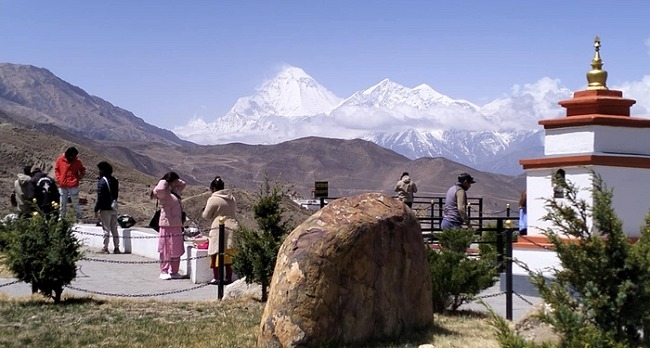
From Gyu La, you can enjoy magnificent panoramas of the Annapurna and Dhaulagiri mountain ranges. The contrast between the dry Mustang landscape and the snow-covered Himalayan peaks creates one of the most impressive viewpoints of the trek.
After spending time at the pass, you begin descending toward Chyanggur. The landscape gradually changes as you lose elevation, and the trail continues toward Muktinath.
Muktinath is one of the most important pilgrimage destinations in the Himalayas. The site is sacred to Hindus and also holds great significance for Buddhists. Pilgrims travel from Nepal, India, Tibet, and other regions to visit the temples, shrines, natural springs, and religious sites in the area.
After arriving in Muktinath, you can explore the sacred complex depending on the remaining time and local conditions. Your guide can explain the cultural and religious significance of the site.
The combination of high mountain scenery, cultural heritage, and spiritual significance makes this a particularly memorable day.
After settling into your tea house, enjoy dinner and rest after the long descent.
Trekking Duration: Approximately 7 hours
Highest Point: 4,077 m at Gyu La
Accommodation: Tea House
Meals: Breakfast, Lunch and Dinner
After breakfast, your journey continues from the sacred pilgrimage destination of Muktinath toward the beautiful lakeside city of Pokhara. Today is a scenic driving day, offering an opportunity to experience the dramatic transition from the high Himalayan landscapes of Mustang to the greener valleys and subtropical surroundings of central Nepal.
Leaving Muktinath behind, we travel by a comfortable private vehicle along the Kali Gandaki Valley. The road winds through traditional mountain villages, dry hills, deep river valleys, and impressive landscapes. As we descend to lower elevations, the scenery gradually changes, with more vegetation, forests, agricultural fields, and settlements appearing along the route.
The drive passes through important villages and viewpoints of the lower Mustang region. Along the way, you can enjoy views of the surrounding Annapurna and Dhaulagiri mountain ranges, depending on weather and visibility. The Kali Gandaki River accompanies much of the journey, adding to the beauty of the drive.
As the vehicle continues toward Pokhara, the rugged Himalayan environment slowly gives way to lush green hills and terraced farmland. You may stop at suitable locations along the way for photographs, refreshments, and short breaks. Your guide and driver will ensure that the journey remains comfortable and enjoyable.
After approximately 6–7 hours of driving, you reach Pokhara, one of Nepal's most popular tourist destinations. Situated beside the tranquil Phewa Lake, Pokhara is renowned for its peaceful atmosphere and spectacular views of the Himalayan ranges. After checking into your hotel, you can relax and recover from the journey.
If time permits, you may enjoy a leisurely walk around the Lakeside area, admire the reflection of the surrounding mountains in Phewa Lake, or simply relax at the hotel. The evening is free for personal activities and enjoying the pleasant atmosphere of Pokhara.
This scenic journey from Muktinath to Pokhara provides a wonderful conclusion to your Himalayan adventure, combining mountain scenery, traditional villages, rivers, forests, and beautiful countryside in a single day.
Driving Duration: Approximately 6–7 hours
Altitude: 827 m
Accommodation: Hotel
Meals: Breakfast
Your remarkable Mustang Tiji Festival Trek comes to an end today. Depending on your international flight schedule, you will have some free time at the hotel before departing for Tribhuvan International Airport.
A representative from Himalayan Adventure Intl Treks will assist you with the final departure arrangements and transfer you to the airport approximately three hours before your scheduled international flight, allowing sufficient time for check-in and security procedures.
Before leaving, make sure you have all your personal belongings, travel documents, electronic devices, trekking equipment, and souvenirs packed safely.
As you leave Nepal, you will carry memories of the dramatic Mustang landscapes, ancient Himalayan settlements, centuries-old monasteries, the historic walled city of Lo-Manthang, and the vibrant three-day Tiji Festival.
The journey has combined adventure, high-altitude trekking, Tibetan-influenced culture, spirituality, history, and spectacular Himalayan scenery. For many travelers, the Tiji Festival becomes more than simply a festival—it becomes an opportunity to experience a living cultural tradition in one of Nepal's most remote regions.
The entire team at Himalayan Adventure Intl Treks sincerely appreciates the opportunity to organize your journey and hopes that your experience in Nepal has been safe, comfortable, memorable, and inspiring.
We look forward to welcoming you back to Nepal for another Himalayan adventure in the future.
Altitude: 1,350 m
Accommodation: Not included unless additional nights are requested
Meals: Breakfast
Airport Transfers: Begin and conclude your journey stress-free with our reliable airport pick-up and drop-off services.
Ground Transportation: Enjoy comfortable and convenient ground transportation throughout your trek, ensuring smooth transitions between destinations.
Daily Meals: Fuel your exploration with three hearty meals per day, comprising breakfast, lunch, and dinner, accompanied by a comforting cup of tea or coffee to keep you invigorated.
Accommodation: Unwind in cozy guest houses (lodges) or provided tents, thoughtfully arranged to match the requirements of your chosen trek type.
Kathmandu Stay: Delight in the luxury of two nights' accommodation at a reputable hotel in Kathmandu, offering a tranquil retreat before and after your trekking expedition.
Experienced Guides: Benefit from the expertise of our seasoned guides, fluent in multiple languages, who are dedicated to enhancing your trekking experience and ensuring your safety.
Porter Services: Travel light as our skilled porters, assigned at a ratio of one porter to two guests, shoulder the load, carrying 20/25 kilograms each, so you can focus on enjoying the journey.
Taxes and Fees: Rest assured, all government and local taxes, including the TIMS (Trekkers' Information Management System) fee, are included in our package for a hassle-free experience.
Safety Measures: Your well-being is paramount to us. We provide a comprehensive first aid kit and ensure that our guides and porters are fully insured throughout the trek.
Special Permits: For treks requiring special permits, such as the Upper Mustang trek, we take care of the necessary arrangements and fees on your behalf.
Conservation Contributions: Contribute to the preservation of the breathtaking Annapurna region with the inclusion of the ACAP (Annapurna Conservation Area Project) fee.
Entry Fees: Any fees for temple, monastery, or museum visits along the trekking route are not covered in our package.
Personal Expenses: Expenses such as alcoholic beverages, phone usage, laundry services, and any additional trekking equipment are to be borne by the individual.
Insurance: While we prioritize your safety, emergency rescue, travel insurance, and any associated costs are not included. We strongly recommend obtaining personal travel insurance to safeguard against unforeseen circumstances.
Hot Showers: While available at some accommodations along the route, the cost of hot showers is not included in our package.
Gratuities: Tips for guides, porters, and support staff are not included in the package and are at the discretion of the guest.
The Tiji Festival Trek is a journey that takes you to the heart of the Mustang region in Nepal to witness the vibrant Tiji Festival, celebrated by the local Tibetan community.
The Tiji Festival Trek usually occurs in late spring, around May, coinciding with the Tibetan lunar calendar.
The Tiji Festival Trek generally spans around 15 days, including travel and trekking days.
The Tiji Festival holds immense cultural and religious significance for the people of Upper Mustang, symbolizing the victory of good over evil and the blessings for a prosperous harvest season.
Participants can expect a blend of cultural immersion, breathtaking landscapes, and the opportunity to witness ancient rituals and colorful festivities.
The Tiji Festival Trek is considered moderately challenging, with some steep ascents and high-altitude terrain. It's suitable for trekkers with a moderate level of fitness.
Yes, altitude sickness can be a concern as the trek involves reaching heights above 3,000 meters. Adequate acclimatization and proper preparation are essential to mitigate this risk.
Accommodation during the trek typically includes tea houses or lodges along the route, providing basic amenities such as beds and meals.
Yes, participants require special permits, including the Restricted Area Permit and the Annapurna Conservation Area Permit, to trek in the Mustang region.
Participants should pack for varying weather conditions, including warm layers, waterproof clothing, sturdy hiking boots, and essential trekking gear.
While there are no strict age restrictions, participants should be in good health and have the physical stamina to undertake moderate trekking at high altitudes.
The trek usually begins with a flight from Kathmandu to Pokhara, followed by a scenic flight to Jomsom, the starting point of the trek.
Respecting local customs, traditions, and religious sites is essential. It's advisable to seek guidance from your trekking guide on appropriate behavior.
Yes, travel insurance covering emergency medical evacuation, trip cancellations, and other unforeseen circumstances is highly recommended for all participants.
Participants can explore nearby monasteries, caves, and ancient settlements, or engage in activities like horseback riding or visiting natural hot springs during rest days.
The Tiji Festival Trek in Upper Mustang is one of Nepal’s most extraordinary cultural journeys, combining an adventurous Himalayan trek with the ancient traditions, Buddhist heritage, dramatic landscapes, and spiritual celebrations of the legendary Kingdom of Mustang. The centerpiece of the journey is the spectacular Tiji Festival in Lo Manthang, an annual three-day celebration featuring colorful masked dances, prayers, music, rituals, and centuries-old Buddhist traditions.
Organized by Himalayan Adventure Intl Treks, the Tiji Festival Trek is designed for travelers who want much more than a conventional Himalayan trekking experience. This journey takes you deep into a remote Trans-Himalayan landscape where Tibetan-influenced villages, ancient monasteries, whitewashed houses, dramatic cliffs, caves, barren mountains, and centuries-old traditions remain remarkably well preserved.
The trek leads through the restricted Upper Mustang region toward the ancient walled city of Lo Manthang, where the Tiji Festival brings the historic kingdom to life. During the festival, monks perform elaborate masked dances representing the struggle between destructive forces and the protection of the community. The atmosphere is deeply spiritual, colorful, and unforgettable.
Himalayan Adventure Intl Treks provides the essential arrangements required for this adventure, including restricted-area permits, conservation permits, experienced guides, porters, accommodation arrangements, transportation, trekking logistics, and optional specialized services such as female and multilingual guides.
The Tiji Festival Trek is particularly special because it combines several different experiences into one journey.
You will experience:
Unlike many popular trekking routes in Nepal, Upper Mustang has retained a distinct cultural identity. The region's location behind the main Himalayan range created a naturally isolated environment, helping preserve its Tibetan-influenced traditions and architecture.
The Tiji Festival, also known as Tenchi in some local traditions, is one of the most important annual festivals celebrated in Lo Manthang.
The festival traditionally lasts for three days and is centered around a religious story concerning the triumph of good over evil and the protection of the Mustang community from destructive forces.
During the celebration, monks from the local monasteries perform sacred masked dances in the courtyard of the historic palace area. The dancers wear elaborate costumes and masks representing various deities, demons, and spiritual figures.
The festival generally includes:
For travelers, attending the festival is an opportunity to observe a living cultural tradition rather than simply visiting a historical monument.
Visitors should remember that the Tiji Festival is primarily a religious and cultural event. Respectful behavior, appropriate clothing, and sensitivity when photographing ceremonies are therefore essential.
Himalayan Adventure Intl Treks specializes in organizing trekking journeys throughout Nepal, including restricted and remote Himalayan destinations.
For the Tiji Festival Trek, our team manages the important logistical details so travelers can concentrate on enjoying the journey and experiencing the festival.
Our services can include:
Our team can also customize the itinerary according to your travel dates, fitness level, group size, preferred accommodation, and transportation requirements.
Upper Mustang is a restricted trekking region, and travelers must obtain the appropriate government permits before entering the restricted area.
For your planning, Himalayan Adventure Intl Treks can arrange the necessary permits and documentation on your behalf.
The Upper Mustang Restricted Area Permit is charged according to the number of days spent inside the restricted area.
Permit rate: USD 500 per person for the first 10 days
For additional days beyond the initial 10-day period:
USD 50 per person per additional day
The exact permit requirement depends on your itinerary and the number of restricted-area days.
For additional restricted-area days, the applicable rate is:
USD 50 per person per day
This is an important cost to consider when extending your Upper Mustang itinerary beyond the standard permitted period.
Because the trekking route passes through the Annapurna Conservation Area, trekkers also require an ACAP permit.
Our stated ACAP rates are:
Himalayan Adventure Intl Treks can arrange the required permits before or during the appropriate stage of the trekking journey.
Permit regulations and government fees can change, so the final permit cost should always be confirmed at the time of booking.
A professional guide is highly recommended for the Tiji Festival Trek, particularly because Upper Mustang is a restricted and culturally sensitive region.
Our professional guides assist with:
A knowledgeable local guide can make a significant difference to your experience because Upper Mustang is not simply a landscape to walk through—it is a region with a distinctive history, religion, architecture, language, and social structure.
Our guides can explain the significance of monasteries, prayer wheels, mani walls, chortens, traditional houses, religious symbols, and local customs encountered along the trail.
Himalayan Adventure Intl Treks also provides experienced female trekking guides at USD 30 per day.
A female guide can be especially useful for:
Our female guides are trained to provide professional trekking support while helping travelers feel comfortable throughout the journey.
A female guide can also offer valuable insights into local women's traditions, family life, clothing, food, and community practices.
Travelers who require communication assistance can request a specialized language-speaking guide.
The final rate depends on the language required, guide availability, experience, and itinerary.
A multilingual guide can be particularly valuable for international groups, educational groups, research travelers, corporate groups, and travelers who want deeper communication with local communities.
A language-speaking guide can assist with:
Please inform us of your preferred language when making your inquiry so we can check availability.
Carrying heavy luggage at high altitude can make a trek considerably more tiring. Himalayan Adventure Intl Treks therefore recommends porter services for travelers who want a more comfortable trekking experience.
Porters help transport your main trekking luggage while you carry only a smaller daypack containing essentials such as water, snacks, a camera, sunscreen, and personal items.
Hiring a porter allows you to:
We encourage travelers to pack responsibly and keep luggage within reasonable weight limits to protect the health and welfare of our porters.
Accommodation in Upper Mustang is generally provided in local teahouses, guesthouses, lodges, or traditional accommodations depending on the village and availability.
The standard facilities are simpler than those found in Kathmandu or major tourist centers.
You can expect:
During the Tiji Festival period, Lo Manthang becomes particularly busy. Accommodation can become limited because trekkers, local visitors, guides, monks, and other travelers arrive for the festival.
For this reason, advance booking is strongly recommended.
Himalayan Adventure Intl Treks can arrange accommodation in advance according to availability and the selected package.
Meals are an important part of the trekking experience.
Typical meals may include:
In Upper Mustang, traditional Tibetan-influenced foods can also be encountered.
Dal bhat remains one of the most practical trekking meals because it provides carbohydrates, protein, and energy for long walking days.
Vegetarian, vegan, and some special dietary requirements can generally be accommodated with advance notice, although choices become more limited in remote villages.
A Tiji Festival Trek commonly takes approximately 17 days, although the duration can be adjusted.
A typical journey may include:
Arrival in Nepal, airport pickup, hotel check-in, and trek preparation.
Permit preparation, trekking briefing, equipment check, and final arrangements.
Travel to Pokhara by road or flight depending on the selected itinerary.
Travel toward Jomsom and continue to Kagbeni, the traditional gateway to Upper Mustang.
Begin trekking through the Mustang landscape, crossing dry valleys and traditional settlements.
Continue toward higher elevations through spectacular Trans-Himalayan terrain.
Walk through remote Mustang landscapes and traditional villages.
Continue toward Charang, an important cultural settlement with ancient monasteries and impressive architecture.
Trek toward the historic walled city of Lo Manthang.
Spend time in Lo Manthang attending the three-day Tiji Festival.
Witness:
Depending on the itinerary, explore monasteries, traditional homes, surrounding villages, caves, and cultural sites.
Retrace the route toward Jomsom, with the exact overnight stops adjusted according to transportation and itinerary requirements.
Complete the journey and return to your onward destination.
Note: The itinerary can be modified according to flight schedules, road conditions, festival dates, weather, acclimatization requirements, and individual preferences.
Lo Manthang is the cultural heart of Upper Mustang.
The historic settlement is surrounded by a wall and contains traditional mud-brick houses, narrow lanes, monasteries, prayer wheels, courtyards, and religious monuments.
Some of the major cultural attractions include:
Walking through Lo Manthang during the festival provides a unique opportunity to see local residents dressed in traditional clothing while monks prepare for and perform religious ceremonies.
Upper Mustang has a strong Tibetan cultural influence.
The region's culture can be seen in:
The isolation of the region has helped preserve many customs that have disappeared or changed elsewhere.
Visitors should approach local culture respectfully. Ask permission before photographing people, religious ceremonies, monks, or private spaces.
The Tiji Festival Trek provides opportunities to visit some of the most remarkable religious sites in Mustang.
The monasteries are not simply tourist attractions. They remain active spiritual centers for local communities.
Travelers may encounter:
Photography restrictions may apply in certain areas. Your guide can explain appropriate behavior and local rules.
Upper Mustang is often described as a Himalayan desert because of its dry climate and dramatic terrain.
The landscape features:
The contrast between the barren landscape and the green agricultural fields around villages is particularly striking.
The region also offers exceptional opportunities for photography.
Altitude is one of the major considerations during the Tiji Festival Trek.
The route reaches elevations of around 4,000 meters or more depending on the itinerary and side trips.
Possible symptoms of altitude sickness include:
The best prevention is a gradual ascent with adequate acclimatization.
Travelers should:
If symptoms become severe, descending to a lower altitude is the most important response.
Any medication such as acetazolamide should only be used after consulting a qualified medical professional.
The Tiji Festival normally takes place in spring, generally around May, although the exact dates vary according to the Tibetan lunar calendar.
Spring is an excellent period for visiting Upper Mustang because:
Because festival dates change each year, travelers should confirm the exact festival dates before booking flights and international travel.
Upper Mustang lies in the rain-shadow region of the Himalayas, making it significantly drier than many other trekking areas of Nepal.
However, weather can still change quickly at high altitude.
During the trekking season, travelers may experience:
Good layering is therefore essential.
A well-prepared packing list can make your trek much more comfortable.
Himalayan Adventure Intl Treks can also advise you about trekking equipment and locally available gear before departure.
Upper Mustang is environmentally and culturally sensitive.
Travelers can help protect the region by:
Responsible tourism helps ensure that future generations can continue to experience Mustang's remarkable cultural heritage.
A guide is much more than someone who shows you the way.
In Upper Mustang, a knowledgeable guide can help you understand the meaning behind the places you visit.
Your guide can explain:
The guide also serves as an important communication link between international visitors and local communities.
Himalayan Adventure Intl Treks focuses on providing professionally organized trekking experiences throughout Nepal.
For the Tiji Festival Trek, we combine local knowledge with careful logistical planning.
Our team can arrange:
Guide: USD 30 per day
Female Guide: USD 30 per day
Language-Speaking Guide: USD 50–70 per day
Porter: USD 25 per day
Upper Mustang Restricted Area Permit: USD 500 for the first 10 days, plus USD 50 per person per additional day
ACAP: NPR 3,000 per foreign tourist and NPR 1,000 per SAARC traveler
Additional trip costs depend on the selected itinerary, transportation, accommodation, meals, group size, and other services.
Every traveler has different expectations.
Therefore, Himalayan Adventure Intl Treks can customize the Tiji Festival Trek according to:
We can organize trips for:
The trek is best suited to travelers who enjoy cultural exploration, remote landscapes, adventure, and Himalayan environments.
You should be prepared for:
Previous high-altitude trekking experience is helpful but not necessarily required for every itinerary. Fitness, preparation, appropriate acclimatization, and a sensible trekking pace are important.
The Tiji Festival Trek is much more than a trekking route.
It is a journey into a landscape where ancient traditions remain part of everyday life. From the gateway settlement of Kagbeni to the dramatic valleys of Upper Mustang and finally the ancient walled city of Lo Manthang, every stage reveals another aspect of this extraordinary Himalayan region.
The highlight is undoubtedly the Tiji Festival itself. Watching monks perform sacred masked dances in the historic setting of Lo Manthang is an experience that connects travelers with centuries of Himalayan Buddhist culture.
With Himalayan Adventure Intl Treks managing the permits, transportation, guides, porters, accommodations, and other essential logistics, you can focus on experiencing the landscape and culture rather than worrying about the practical details.
If you are looking for a Himalayan adventure that combines trekking, culture, spirituality, history, photography, and one of Nepal's most fascinating festivals, the Tiji Festival Trek in Upper Mustang is an exceptional choice.
Join Himalayan Adventure Intl Treks and travel beyond the ordinary into the legendary Kingdom of Mustang. Walk through ancient Himalayan villages, explore the hidden landscapes of Upper Mustang, meet local communities, and experience the sacred Tiji Festival in Lo Manthang.
Your journey into the hidden kingdom begins here.