
Have Questions? Talk to Expert (Binod)

The Panch Pokhari Trek is one of Nepal’s most beautiful and less-crowded trekking adventures, leading to a sacred group of five high-altitude lakes in the Sindhupalchok district. Located at approximately 4,100 meters above sea level, Panch Pokhari combines spectacular Himalayan scenery, pristine forests, traditional mountain villages, sacred landscapes, and authentic local culture.
The name Panch Pokhari literally means “Five Lakes.” These sacred lakes are deeply respected by Hindu and Buddhist communities and are especially important during the annual Janai Purnima festival. Pilgrims travel to this remote Himalayan destination to bathe in the holy lakes and perform religious rituals.
For international trekkers, Panch Pokhari provides an excellent alternative to Nepal’s busier trekking destinations. Instead of following crowded trails, you walk through peaceful forests, terraced farmland, remote settlements, rivers, valleys, and high mountain landscapes while experiencing the traditional lifestyles of the communities living in the region.
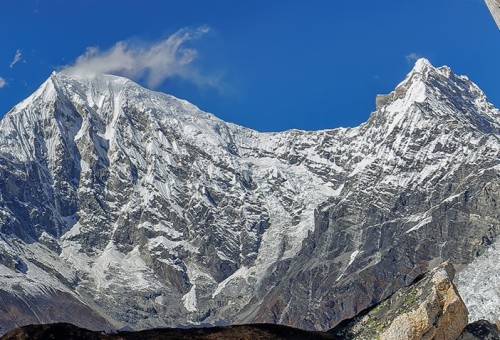
The trail lies near the Jugal Himal, with views toward spectacular peaks and mountain ranges including Dorje Lakpa, Madiya, Phurbi Chhyachu, Langtang Himal, Jugal Himal and Rolwaling Himal. The combination of natural beauty, spiritual significance, cultural encounters and wilderness makes this trek particularly attractive for adventure seekers looking for something different.
At Himalayan Adventure Intl Treks, we organize Panch Pokhari Trek packages for individual travelers, couples, private groups and group-joining trekkers. We can arrange experienced guides, porters, permits, transportation, accommodation, meals, camping equipment and other necessary trekking logistics according to your preferred itinerary.
Himalayan Adventure Intl Treks is currently accepting bookings for the Panch Pokhari Trek.
Whether you are an experienced trekker searching for a quieter Himalayan route, a first-time visitor wanting to experience Nepal beyond the major trekking regions, a couple looking for a private adventure, or a group interested in joining a fixed departure, we can customize the trek according to your requirements.
Our trekking arrangements can include:
Because Panch Pokhari is a comparatively remote destination, advance preparation is particularly important. Our team helps organize the necessary logistics before departure so that you can concentrate on enjoying the trail.
| Trek Feature | Details |
|---|---|
| Destination | Panch Pokhari, Sindhupalchok, Nepal |
| Maximum Lake Elevation | Approximately 4,100 m |
| Viewpoint/High Point | Approximately 4,300 m |
| Trek Duration | About 3–6 days depending on route and itinerary |
| Overall Difficulty | Moderate to challenging |
| Accommodation | Camping and basic accommodation on lower sections |
| Best Seasons | March–May and September–November |
| Main Culture | Tamang, Sherpa and other local communities |
| Main Attractions | Five Sacred Lakes, Jugal Himal, villages, forests and mountain views |
| Starting Area | Bhotang/Chautara side depending on itinerary |
| Suitable For | Adventure trekkers, nature lovers, cultural travelers and pilgrims |
The supplied source also notes that longer Panch Pokhari itineraries can range from 4 to 6 days, depending on the selected route and itinerary.
Panch Pokhari is located northeast of Kathmandu in Sindhupalchok District, near the base of the Jugal Himal. The destination sits at approximately 4,100 meters above sea level and has considerable cultural, religious and ecological importance.
The area is surrounded by beautiful Himalayan landscapes and remote mountain settlements. The trek provides opportunities to experience traditional communities while walking through forests, valleys, farmland and high-altitude terrain.
The region is also associated with the annual Janai Purnima festival, when Hindu pilgrims visit the sacred lakes. The religious importance of the five lakes makes Panch Pokhari much more than a trekking destination.
The Panch Pokhari trail can be approached through different routes. The source material identifies routes from Sano Okhareni via Chautara and from Bhotang via Melamchi, with Bhotang described as the easier and more preferred approach.
There are many reasons to choose Panch Pokhari instead of one of Nepal’s heavily visited trekking routes.
Panch Pokhari remains relatively unexplored compared with Everest Base Camp and Annapurna Base Camp. The quieter trails allow trekkers to enjoy nature without the constant flow of large trekking groups.
The five lakes are the centerpiece of the trek. Their spiritual importance attracts Hindu and Buddhist pilgrims, making the destination culturally fascinating as well as naturally beautiful.
From the higher sections, trekkers can enjoy views toward the Jugal Himal and surrounding mountain ranges. The source highlights peaks and ranges including Gauri Shankar, Dorje Lakpa, Jugal Himal, Rolwaling Himal and Langtang Himal.
The trail passes through rural settlements where you can observe traditional lifestyles, farming practices, architecture and local culture.
The remote character of the route makes camping an important part of the Panch Pokhari experience. The higher sections have limited accommodation facilities, so camping provides the opportunity to stay close to nature.
The trek passes through forests, rivers, streams, valleys, farmland and high-altitude landscapes. The diverse geography is one of the main attractions of the journey.
Panch Pokhari is also a cultural journey.
The trail passes through communities influenced by Tamang and Sherpa culture, while the broader region contains diverse Nepali communities. Trekkers can observe traditional houses, agricultural activities, Buddhist and Hindu traditions, local festivals and mountain lifestyles.
Walking through villages provides an opportunity to interact respectfully with local people and learn how communities have adapted to life in the Himalayan foothills.
The journey is particularly rewarding for travelers who want more than mountain scenery. Every village, forest and highland landscape contributes to the cultural character of the trek.
The five lakes are regarded as sacred ponds and are important pilgrimage destinations for Hindu and Buddhist devotees.
The area becomes particularly active during Janai Purnima, traditionally observed in August. During this festival, Hindu pilgrims visit Panch Pokhari, bathe in the sacred waters and perform religious rituals associated with changing the sacred thread, or Janai.
The supplied source also describes traditional religious associations involving several sacred lakes and references to Hindu and Buddhist spiritual traditions connected with the wider Himalayan region.
Trekkers should remember that Panch Pokhari is a sacred site. Visitors are encouraged to respect religious practices, local customs and the natural environment.
The Panch Pokhari Trek offers several memorable highlights:
The Panch Pokhari Trek is considered moderate to challenging.
Although the trekking distance is not comparable to some longer Himalayan expeditions, the route reaches more than 4,000 meters, and the combination of steep sections, remote terrain, changing weather and limited facilities can make the journey demanding.
The source specifically describes Panch Pokhari as a moderately difficult trek and highlights the limited accommodation facilities at higher elevations.
Trekkers should be physically prepared for several hours of walking each day. Regular walking, hiking, stair climbing and cardiovascular exercise before the trip can help improve endurance.
You do not need to be an expert mountaineer, but you should be comfortable walking on uneven mountain trails.
Altitude is one of the major considerations during the Panch Pokhari Trek.
The lakes are located at approximately 4,100 meters, while viewpoints in the area can reach approximately 4,300 meters.
Because the trek reaches high altitude, trekkers should understand the symptoms of Acute Mountain Sickness (AMS) and follow safe acclimatization practices.
Common symptoms may include:
If symptoms become serious or worsen, the trekker should stop ascending and inform the guide immediately.
At Himalayan Adventure Intl Treks, we emphasize responsible altitude management.
There is no benefit in rushing at high altitude. Maintain a comfortable walking pace and allow your body time to adapt.
Drink sufficient water throughout the day. Cold weather can sometimes reduce the sensation of thirst, but hydration remains important.
Alcohol can contribute to dehydration and may make altitude-related symptoms harder to manage.
If you develop symptoms of altitude sickness, tell your guide immediately.
A properly designed itinerary allows your body to adjust progressively to increasing altitude.
Some trekkers may be advised by a qualified medical professional to carry altitude medication such as acetazolamide (Diamox). Medication should be used according to appropriate medical advice rather than self-prescribed.
The best seasons for Panch Pokhari are generally spring and autumn.
Spring brings pleasant trekking conditions, relatively stable weather and beautiful vegetation.
April and May are particularly attractive because forests and hills can display colorful flowering vegetation, including rhododendrons in suitable areas.
The mountain atmosphere is generally excellent for trekking and photography.
Autumn is one of the best periods for Himalayan trekking.
After the monsoon, the atmosphere often becomes clearer, providing excellent mountain visibility. September, October and November are popular months for Panch Pokhari.
The source identifies April, May, September, October and November among the best months to visit.
Monsoon brings rainfall, wet trails and potentially difficult road and trekking conditions. Landslides and slippery paths can create additional challenges.
The source recommends avoiding the monsoon because of increased geographical risks and unfavorable trail conditions.
Winter can bring snow and very cold temperatures at higher elevations. Trails may become difficult to identify in snowy conditions.
Although experienced trekkers with appropriate equipment and local support may consider a winter journey, Himalayan Adventure Intl Treks generally recommends spring and autumn for a more comfortable and predictable experience.
The total cost depends on group size, transportation, accommodation style, guide requirements, itinerary length and whether you choose private or group-joining arrangements.
A group-joining trek is one of the most economical ways to explore Panch Pokhari.
Estimated cost: USD 550 per person
The final price depends on the number of trekkers and the exact services included.
Normally, we can organize groups of approximately 2–12 people.
Fixed departures can be arranged during the main trekking seasons, particularly:
Please contact Himalayan Adventure Intl Treks for current departure availability before making travel arrangements.
For travelers who prefer a private experience, we can organize an individual Panch Pokhari Trek with an experienced guide.
Estimated cost: USD 600 per person
The package can include guide services, permits, accommodation or camping arrangements, meals and transportation according to the selected itinerary.
A private trek provides greater flexibility in walking pace, photography stops and daily schedules.
Couples can enjoy a private Panch Pokhari adventure with an itinerary designed around their preferred travel dates and walking pace.
Estimated cost: USD 500 per person
The exact price depends on transportation, accommodation, guide services, meals, camping requirements and other arrangements.
The permit and entry-fee requirements depend on the selected route and current regulations.
The pricing information supplied for this package is:
Because permit regulations and fees can change, Himalayan Adventure Intl Treks will confirm the applicable permits and current charges when your trek is booked.
The road journey forms an important part of the Panch Pokhari adventure.
For a private vehicle:
Kathmandu to Chautara: approximately USD 120–150 one way.
For local transportation:
Local bus: approximately USD 10–15 per person.
The exact transportation arrangement depends on the selected trekking route. The Bhotang approach is one of the commonly preferred approaches described in the source material.
Hiring a local trekking professional is strongly recommended for Panch Pokhari because of the remote nature of the trail.
USD 30 per day
An experienced guide can assist with navigation, accommodation arrangements, communication with local communities, altitude awareness and emergency coordination.
USD 20 per day
A porter can carry your main trekking baggage, allowing you to walk more comfortably with a lighter daypack.
USD 25 per day
This can be an economical choice for travelers who want both basic guiding and luggage-carrying support.
USD 30 per day
Female guides can be arranged upon request, subject to availability.
Panch Pokhari is more remote than Nepal’s major commercial trekking routes, so facilities are basic in some sections.
Estimated meal cost:
USD 5–10 per meal
Meals can include traditional Nepali dishes such as dal bhat, noodles, rice, vegetables, soups, pasta and other available trekking foods.
Estimated accommodation cost:
USD 5–20 per night
Lower sections may have basic local accommodation, while higher areas may require camping.
Estimated drinking-water cost:
USD 1–3 per liter
Boiled or treated water may be available depending on location.
For environmental reasons, trekkers are encouraged to use refillable bottles and appropriate water purification methods instead of relying unnecessarily on disposable plastic bottles.
Panch Pokhari is particularly suited to trekkers who enjoy camping.
Basic accommodation can be available along lower sections of the trail. Tea-house facilities are simpler than those found on popular routes such as Everest or Annapurna.
Tea-house trekking is convenient where accommodation is available.
Camping is recommended for a more remote and authentic Panch Pokhari experience.
Camping allows the trekking team to establish accommodation in locations where no permanent lodge exists.
A camping arrangement can include:
The source emphasizes camping because higher sections of the Panch Pokhari route have limited accommodation facilities.
The following is a short itinerary based on the route information provided. Depending on road conditions, weather, trail conditions and the selected starting point, the itinerary can be adjusted.
Arrive in Kathmandu and meet the Himalayan Adventure Intl Treks team.
After airport pickup, transfer to your hotel. You can rest after your journey and meet your trekking guide for a briefing.
The briefing covers the trekking route, equipment, weather, altitude and general preparation.
Overnight in Kathmandu.
Today you begin the journey toward the Panch Pokhari region.
The drive takes you away from Kathmandu and into the countryside. Depending on the selected route and road conditions, the journey can take several hours.
The landscape gradually changes from urban areas to green hills, terraced farmland, villages and mountain valleys.
After reaching the trekking starting area, continue walking toward Deurali.
Overnight at a basic local accommodation or camp.
Today is one of the more demanding days.
The trail climbs through forests and highland terrain toward Nasempati and onward toward Laure Bhanjyang.
As you gain elevation, the landscape becomes increasingly alpine.
The views gradually open toward the surrounding Himalayan ranges.
Take your time and maintain a comfortable pace. Your guide will monitor your condition as you approach higher elevations.
Overnight at camp.
Today is the major highlight of the trek.
The trail continues toward the sacred Panch Pokhari lakes.
After reaching the lakes, you will have time to explore the area, observe the surrounding mountains and experience the peaceful spiritual atmosphere.
The area includes a temple and resting facilities for visitors, although there is no permanent settlement at the lake area according to the supplied source.
Take time to enjoy the mountain panorama and the unique five-lake landscape.
Overnight at camp.
After sunrise and breakfast, begin descending from the high-altitude lake region.
Descending is generally easier on breathing, but the trail can still be demanding because of uneven terrain.
Enjoy views of forests, valleys and mountain landscapes as you lose altitude.
Overnight at camp or local accommodation depending on the itinerary.
After breakfast, continue toward Bhotang.
From Bhotang, take transportation toward Melamchi and continue the journey back to Kathmandu.
The source describes the return route through Bhotang and Melamchi toward Kathmandu.
After reaching Kathmandu, transfer to your hotel.
Overnight in Kathmandu.
The supplied source also presents a compact four-day route:
Day 1: Kathmandu – Bhotang – Deurali
Day 2: Deurali – Nasempati – Laure Bhanjyang
Day 3: Laure Bhanjyang – Panch Pokhari – Tangu
Day 4: Tangu – Bhotang – Melamchi – Kathmandu
The exact trekking duration can vary considerably depending on the chosen route, road conditions, walking pace and camping arrangements.
For international travelers, Himalayan Adventure Intl Treks can also develop a longer itinerary with additional acclimatization or cultural days where appropriate.
Trekking itself is the main adventure.
The trail offers changing scenery from villages and farmland to forests and high-altitude landscapes. The quiet environment makes the trek especially enjoyable for travelers who prefer nature and solitude.
Panch Pokhari offers excellent opportunities for landscape photography.
Photographers can capture:
The peaceful environment makes Panch Pokhari suitable for yoga and meditation.
The combination of quiet surroundings, fresh mountain air, sacred landscapes and natural beauty can create an ideal environment for relaxation and reflection.
Camping under the Himalayan sky is one of the most memorable parts of the journey.
Away from busy towns and developed tourist areas, the nights can provide a peaceful connection with nature.
Interact respectfully with local communities and learn about traditional lifestyles, agriculture, festivals and religious practices.
Visitors interested in spirituality can explore the religious significance of the five lakes and learn about local pilgrimage traditions.
Because Panch Pokhari reaches more than 4,000 meters, packing correctly is essential.
Your guide can provide additional advice depending on the season and current trail conditions.
Safety is a priority during every Himalayan Adventure Intl Treks journey.
The main considerations include:
Mountain weather can change quickly. Your guide will monitor conditions and make practical decisions when necessary.
The trek reaches approximately 4,100 meters, so altitude awareness is essential.
Some areas have limited infrastructure. Trekking with an experienced guide and proper equipment is recommended.
The journey to and from the trekking area involves mountain roads. Travel times can change according to road and weather conditions.
Trekkers should have suitable travel insurance covering trekking activities and high-altitude evacuation where applicable.
Panch Pokhari is valuable because of its natural beauty, cultural importance and relatively untouched atmosphere.
Trekkers should help preserve the destination.
We encourage visitors to:
Responsible trekking helps ensure that future visitors can enjoy Panch Pokhari in the same peaceful environment.
Choosing the right trekking organizer is particularly important for less-developed trekking regions.
Himalayan Adventure Intl Treks provides personalized trekking services designed around your interests, budget and travel schedule.
We can organize:
Our team understands the importance of preparation, especially when traveling to remote Himalayan destinations.
Panch Pokhari is ideal for travelers who want:
It is particularly suitable for adventure travelers who are comfortable with basic facilities and several hours of walking each day.
Booking your Panch Pokhari Trek with Himalayan Adventure Intl Treks is straightforward.
Send us your preferred travel dates, number of trekkers and trekking requirements.
Select a group-joining, private, solo or couple trek.
We can modify the itinerary according to your available time, interests and fitness level.
Once the itinerary and services are agreed upon, we confirm your booking.
Our team provides information about packing, permits, transportation, trekking equipment, altitude and general preparation.
The Panch Pokhari Trek is a wonderful opportunity to discover one of Nepal’s quieter Himalayan destinations. The sacred five lakes, spectacular Jugal Himal scenery, traditional villages, forests, mountain valleys and remote camping environment create a trekking experience that is both adventurous and culturally meaningful.
At approximately 4,100 meters, the five lakes provide the centerpiece of the journey, while the trail itself reveals a different side of Nepal away from the major tourist routes.
Whether you are interested in nature, photography, culture, spirituality, camping or simply exploring a less-crowded Himalayan trail, Panch Pokhari offers a rewarding adventure.
Himalayan Adventure Intl Treks can arrange your Panch Pokhari journey with experienced guides, porters, transportation, permits, camping arrangements and customized itineraries.
Book your Panch Pokhari Trek with Himalayan Adventure Intl Treks and discover the sacred lakes, peaceful villages and spectacular Himalayan landscapes of Sindhupalchok.
Your Panch Pokhari adventure begins with your arrival in Kathmandu, the cultural and historical capital of Nepal. Upon arrival at Tribhuvan International Airport, a representative from Himalayan Adventure Intl Treks will welcome you and assist you with your transfer to the hotel.
After checking in, you can rest and recover from your journey. Depending on your arrival time, you may have the opportunity to explore some of Kathmandu’s nearby attractions, walk around the lively streets, or simply relax at your hotel.
Kathmandu is a fascinating city where ancient temples, historic courtyards, traditional architecture, and modern urban life exist side by side. It is also the starting point for many Himalayan adventures.
Later, your trekking team will provide a briefing about the Panch Pokhari Trek. Your guide can explain the route, walking conditions, accommodation, meals, altitude, weather, and important preparations for the trek. This is also an opportunity to check your trekking equipment and make sure you have everything necessary for the journey.
If any trekking equipment is missing, your guide or company representative can help you find suitable equipment in Kathmandu.
Accommodation: Hotel in Kathmandu
Meals: Welcome dinner
Altitude: 1,350m
After breakfast, your Panch Pokhari adventure officially begins with a scenic drive from Kathmandu toward the Sindhupalchok region.
The journey takes you away from the busy Kathmandu Valley and into the beautiful countryside of Nepal. As the road progresses, the scenery gradually changes from urban settlements to green hills, terraced farmland, forests, rivers, and traditional villages.
Depending on road conditions and local accessibility, today's overnight destination will be Chimti or Derali Village, situated at approximately 1,800 meters.
The drive itself becomes an important part of the experience because you get to observe rural Nepal and the lifestyle of communities living in the middle hills. You may see farmers working on terraced fields, local houses scattered across the hillsides, suspension bridges, streams, and small roadside settlements.
After reaching the village, you will check into your accommodation and have time to relax. You can take a short walk around the village and enjoy the surrounding hills.
The evening provides a wonderful opportunity to interact with local people and learn about their traditional lifestyle. Since this is a relatively remote region, the atmosphere is peaceful and authentic.
Your guide will also prepare you for the longer walking day ahead.
Accommodation: Local lodge/teahouse
Meals: Breakfast, lunch and dinner
Driving: Approximately 5 hours
Altitude: 1,800m
Our trek begins in earnest today as we ascend through verdant forests and terraced fields, steadily making our way to Nasimpati. The trail offers breathtaking views of the surrounding mountains and valleys. We’ll take breaks to rest and enjoy the natural beauty, with our guides providing insights into the flora and fauna we encounter. Arriving in Nasimpati, we set up camp and enjoyed a well-deserved dinner under the starry Himalayan sky.
Today is the highlight of your Panch Pokhari Trek.
After breakfast at Nasimpati, you begin a relatively shorter but important hike toward the sacred Panch Pokhari Lakes, situated at approximately 4,100 meters.
The trail continues through high-altitude landscapes, with vegetation becoming more sparse as you gain elevation. The surroundings become increasingly dramatic, with open mountain slopes, rugged terrain, and expansive Himalayan scenery.
After several hours of trekking, you reach the Panch Pokhari area. The first sight of the sacred lakes is a memorable moment. Panch Pokhari translates as “Five Lakes,” referring to the five interconnected sacred alpine lakes located in this remote Himalayan landscape.
The lakes are considered spiritually important by local communities and are also visited by Hindu and Buddhist pilgrims. The peaceful surroundings, high mountain environment, and clear alpine waters create a unique atmosphere.
After reaching the lake area, you will have time to explore the surroundings and enjoy the spectacular scenery. Weather permitting, the viewpoint above Panch Pokhari provides impressive panoramic views of the surrounding Himalayan ranges and hills.
This is an ideal place to photograph the landscape, but it is also worth taking time simply to appreciate the peaceful environment.
Because you are at a high altitude, your guide will recommend walking slowly and taking adequate rest. Spending the night in this remote environment provides an unforgettable Himalayan experience.
If weather conditions are clear, the evening can be particularly beautiful, with changing colors across the mountains as the sun begins to set.
Accommodation: Local lodge/teahouse or trekking accommodation
Meals: Breakfast, lunch and dinner
Walking: Approximately 4 hours
Altitude: 4,100m
After enjoying the magnificent Panch Pokhari area, today you begin your descent toward Tuppidanda, located at approximately 2,720 meters.
The trail initially descends through the high-altitude landscape before gradually entering more vegetation-covered areas. Compared with the previous days, the descent brings noticeable changes in scenery and vegetation.
Descending to a lower elevation is generally physically easier than climbing, but a seven-hour walking day still requires endurance. The trail can include uneven sections, rocky surfaces, steep downhill stretches, and forest paths, so your guide will advise you to maintain a controlled pace.
As you lose elevation, the air becomes warmer and vegetation becomes increasingly abundant. The landscape transforms from alpine terrain into green hills and forested slopes.
Along the way, you can enjoy views of surrounding mountains, valleys, forests, and rural settlements. The peaceful character of the Panch Pokhari region remains one of the most enjoyable aspects of this trek.
Upon arrival at Tuppidanda, you will check into your local accommodation and enjoy a well-earned rest.
The evening is a good time to reflect on the experience of reaching Panch Pokhari and to spend time with your trekking team.
Accommodation: Local lodge/teahouse
Meals: Breakfast, lunch and dinner
Walking: Approximately 7 hours
Altitude: 2,720m
Today is the final trekking and transportation day of the Panch Pokhari adventure.
After breakfast, you begin walking toward Durali. The trail continues through beautiful hill landscapes and forests, providing a final opportunity to enjoy the peaceful surroundings of the region.
As you approach Durali, the trekking portion of the journey gradually comes to an end. After reaching the roadhead, you will board your vehicle for the drive back to Kathmandu.
The return journey provides another opportunity to observe Nepal's rural landscape. You will pass through villages, terraced fields, forests, rivers, and winding mountain roads before gradually approaching the Kathmandu Valley.
Depending on road and traffic conditions, the journey may take several hours.
After arriving in Kathmandu, you will be transferred to your hotel. You can relax, enjoy a comfortable shower, and celebrate the successful completion of your Panch Pokhari adventure.
In the evening, Himalayan Adventure Intl Treks can organize a farewell dinner as an opportunity to celebrate the trek with your guide and trekking team.
Accommodation: Hotel in Kathmandu
Meals: Breakfast, lunch and dinner
Walking and driving: Approximately 6 hours, depending on road conditions
Altitude: 1,350m
Your Panch Pokhari Trek officially concludes today.
Depending on your flight schedule, you can enjoy breakfast at the hotel and have some free time in Kathmandu. If your departure is later in the day, you may have time to purchase souvenirs or explore nearby areas.
A representative from Himalayan Adventure Intl Treks will assist you with your transfer to Tribhuvan International Airport according to your flight schedule.
We hope your journey through the forests, villages, mountains, and sacred Panch Pokhari Lakes has created unforgettable memories.
Thank you for choosing Himalayan Adventure Intl Treks for your Nepal adventure. We look forward to welcoming you again for another Himalayan journey.
Accommodation: Not included unless an additional night is requested
Meals: Breakfast
Altitude: 1,350m
The Panch Pokhari Trek is a lesser-known trekking route in the Sindhupalchowk district of Nepal, leading to a group of five sacred lakes situated at an altitude of around 4,100 meters.
The Panch Pokhari Trek typically takes about 6-14 days, depending on the itinerary and pace of the trekker.
The best time to undertake the Panch Pokhari Trek is from March to June and September to December when the weather is clear and stable.
The Panch Pokhari Trek is considered a moderate to challenging trek, suitable for trekkers with some previous hiking experience and good physical fitness.
Yes, trekkers need to obtain a Langtang National Park permit and a TIMS (Trekkers' Information Management System) card to trek in the Panch Pokhari region.
While it is possible to trek independently, it is highly recommended to hire a guide or join a trekking group for safety, navigation, and cultural insights.
Accommodation is mostly in basic teahouses and lodges. In some remote areas, camping might be necessary.
The main attractions include the five sacred lakes, panoramic views of the Langtang Range, diverse flora and fauna, traditional Tamang and Sherpa villages, and the rich cultural heritage of the region.
The trek usually starts from Chautara, which is about a 5-6 hour drive from Kathmandu. Private jeeps or local buses can be used to reach Chautara.
Essential items include sturdy trekking boots, warm clothing, a sleeping bag, a backpack, water purification tablets, a first aid kit, trekking poles, and snacks. A detailed packing list will be provided upon booking.
Yes, there is a risk of altitude sickness as the trek reaches elevations above 4,000 meters. Proper acclimatization, hydration, and gradual ascent are crucial to minimize the risks.
Yes, drinking water is available at teahouses and villages along the route. It's recommended to use water purification tablets or a filtration system to ensure the water is safe to drink.
Teahouses offer a variety of meals, including traditional Nepali dishes like dal bhat, as well as some international options such as pasta, noodles, and pancakes. Vegetarian options are widely available.
Yes, travel insurance is essential and should cover high-altitude trekking, emergency evacuation, and medical expenses.
Regular cardiovascular exercise, strength training, and hiking practice are recommended to build stamina and endurance. It's also helpful to do some high-altitude trekking before this trek.
The Panch Pokhari Trek is one of Nepal’s most fascinating off-the-beaten-path trekking and pilgrimage experiences. Located in Sindhupalchok District, northeast of Kathmandu, Panch Pokhari is a sacred group of five glacial lakes situated at approximately 4,100 meters (13,450 feet) above sea level. Surrounded by dramatic Himalayan landscapes, alpine meadows, prayer flags, rugged ridges, and peaceful mountain wilderness, the destination offers a remarkable combination of spirituality, adventure, nature, and authentic Himalayan culture.
The name Panch Pokhari literally means “Five Lakes.” These five sacred lakes are revered by both Hindu and Buddhist communities, making the area an important pilgrimage destination in Nepal. Every year, particularly during the Janai Purnima festival in August, thousands of pilgrims undertake the demanding journey to the lakes to worship, perform religious rituals, and bathe in the sacred water.
For trekkers, however, Panch Pokhari offers much more than a pilgrimage. The journey passes through traditional villages, forests, mountain ridges, terraced landscapes, rhododendron forests, and high-altitude pastures. Along the trail, travelers can experience the traditional lifestyle and hospitality of Tamang and Sherpa communities while enjoying impressive views of the Jugal Himal, Langtang Himal, Dorje Lakpa, Rolwaling, and Gaurishankar ranges on clear days.
Unlike the heavily traveled Everest, Annapurna, and Langtang routes, Panch Pokhari remains comparatively peaceful and less commercialized. It is an excellent choice for travelers who want to discover a quieter side of Nepal and combine a Himalayan adventure with cultural and spiritual exploration.
Himalayan Adventure Intl Treks organizes customized Panch Pokhari Trek and pilgrimage journeys with experienced trekking guides, transportation arrangements, permits, accommodation, meals, trekking staff, and other necessary services according to the chosen itinerary.
The Panch Pokhari Trek is ideal for travelers who want to experience the Himalayas away from crowded trekking trails. The destination combines natural scenery, religious heritage, village culture, and high-altitude adventure in one journey.
The primary attraction is the cluster of five glacial lakes at approximately 4,100 meters. The lakes are surrounded by alpine landscapes and Himalayan ridges, creating an atmosphere that is both dramatic and peaceful.
The sacred significance of Panch Pokhari makes the destination particularly meaningful for Hindu and Buddhist visitors. During Janai Purnima, the area becomes a major pilgrimage gathering, while outside the festival season it remains much quieter.
One of the major advantages of Panch Pokhari is its relative solitude. Compared with Nepal’s better-known trekking destinations, the trail receives fewer visitors.
Trekkers can walk through forests, ridges, villages, and alpine landscapes without experiencing the heavy traffic found on popular routes. For travelers searching for a genuine wilderness experience, this is one of the most attractive features of the trek.
The higher sections of the trek provide opportunities to see impressive Himalayan landscapes. Depending on weather and visibility, trekkers may enjoy views toward the Jugal Himal, Dorje Lakpa, Langtang Himal, Rolwaling, and Gaurishankar regions.
The viewpoints around the upper trail, including areas near Nasimpati, become particularly rewarding as the landscape opens above the forest line.
Panch Pokhari is an important spiritual destination for both Hindus and Buddhists. Religious structures, prayer flags, shrines, mani walls, and other cultural features can be encountered along the route.
Near the lakes, a temple dedicated to Lord Shiva is an important pilgrimage feature. Visitors should maintain a respectful attitude because the lakes and surrounding area are considered sacred.
The Panch Pokhari region provides an opportunity to experience the traditional lifestyle of Tamang and Sherpa communities.
Stone houses, prayer flags, mani walls, chortens, monasteries, traditional villages, and local hospitality add an important cultural dimension to the trek. Rather than simply passing through a mountain landscape, travelers become part of a journey through communities whose lives remain closely connected to the Himalayas.
| Trek Feature | Information |
|---|---|
| Destination | Panch Pokhari, Sindhupalchok |
| Meaning | Five Sacred Lakes |
| Highest Point | Approximately 4,100 m |
| Difficulty | Moderate |
| Trek Type | Cultural, pilgrimage and adventure |
| Technical Climbing | Not required |
| Main Starting Areas | Bhotang/Chhimti or Chautara |
| Walking Time | Approximately 4–8 hours per day |
| Accommodation | Basic teahouses/homestays and camping where required |
| Main Communities | Tamang and Sherpa |
| Best Seasons | March–May and September–November |
| Pilgrimage Season | Janai Purnima, generally August |
| Main Attractions | Five Lakes, mountain views, villages, forests and pilgrimage sites |
| Recommended Support | Local guide and porter |
The supplied source describes several possible route durations, ranging from shorter approaches to longer traditional itineraries. Himalayan Adventure Intl Treks can customize the duration according to the selected trailhead, transportation, walking ability, and acclimatization requirements.
There are several approaches to Panch Pokhari. The route can be designed according to the number of days available and the type of experience the traveler wants.
The Bhotang approach through the Melamchi area is described in the supplied source as one of the more popular and accessible approaches. It provides a relatively shorter trekking experience and offers access to basic teahouse facilities along much of the trail.
Travelers can drive from Kathmandu toward Melamchi and continue by road toward Bhotang or the relevant trailhead. Private jeep transportation is particularly convenient because road conditions and trailhead accessibility can vary.
Chhimti provides another access point through the Melamchi valley system. This option can shorten the trekking duration but may involve faster altitude gain.
For this reason, the itinerary should be planned carefully, especially for travelers without previous experience at high altitude.
Chautara is the traditional gateway to the Panch Pokhari area. This route provides a longer approach and offers more opportunity to experience rural villages, forests, farmland, and traditional Himalayan communities.
Travelers with more time who prefer a longer cultural trekking experience may choose this approach.
The journey begins with transportation from Kathmandu toward Sindhupalchok.
Depending on the selected route, travelers may drive toward Melamchi, Bhotang, Chhimti, or Chautara.
A private jeep is generally the most convenient option for organized trekking because it provides flexibility and allows the group to reach the selected trailhead more efficiently.
The source indicates that driving times can vary according to the road and selected access point, with approximately 5–7 hours commonly required for the journey toward Bhotang and approximately 5–6 hours toward Chautara under suitable conditions. Road conditions can affect travel time considerably.
Himalayan Adventure Intl Treks can arrange private transportation from Kathmandu and coordinate the vehicle according to group size and itinerary.
The following is a sample itinerary for a guided Panch Pokhari Trek. The exact number of trekking days can be adjusted according to the selected trailhead and the traveler's preferences.
Arrive at Tribhuvan International Airport in Kathmandu.
A representative from Himalayan Adventure Intl Treks can welcome you at the airport and transfer you to your hotel.
After check-in, you can rest or explore Kathmandu. If required, the trekking team can organize a briefing covering the trekking route, equipment, permits, weather, altitude, and other preparations.
Overnight in Kathmandu.
After breakfast, begin the scenic drive toward Sindhupalchok.
The road gradually leaves the Kathmandu Valley and enters rural landscapes. Along the way, you can see rivers, terraced fields, villages, hills, and mountain scenery.
Depending on road conditions and the chosen itinerary, the group continues toward Melamchi and the selected trailhead.
Overnight at the designated village or trailhead area.
Begin walking through traditional settlements and forested landscapes.
The trail gradually climbs through rural surroundings, with opportunities to observe Tamang and Sherpa culture. Stone houses, prayer flags, agricultural fields, and local settlements provide a glimpse into mountain life.
The walking duration depends on the selected route and overnight stop.
Overnight at a basic teahouse or homestay.
Continue ascending through forests and mountain terrain.
As the elevation increases, the vegetation gradually changes. Rhododendron, oak, and pine forests dominate sections of the route, while the landscape becomes more alpine at higher elevations.
The trail may include steep uphill sections, so maintaining a slow and comfortable pace is important.
Overnight in a mountain settlement.
The trail continues toward the higher sections of the Panch Pokhari route.
As the forests become thinner, the surrounding Himalayan landscape becomes more visible. This is one of the most scenic parts of the trek.
Depending on the itinerary, overnight accommodation may become more basic, and camping may be necessary in the upper sections.
Overnight at the designated campsite or mountain accommodation.
Today is the main trekking day toward the sacred lakes.
The trail climbs toward the alpine basin where Panch Pokhari is located. After reaching the destination, you can explore the surrounding landscape, prayer flags, shrines, and sacred lake area.
The five lakes form the centerpiece of the journey and provide an unforgettable Himalayan setting.
Overnight near Panch Pokhari, generally using camping arrangements where required.
Wake early to experience the mountain atmosphere around the lakes.
On clear mornings, the surrounding ridges and Himalayan peaks can be beautifully illuminated by the first sunlight.
Visitors who come for pilgrimage can participate in appropriate religious activities while respecting local customs. Other travelers can explore the surrounding landscape and enjoy photography.
After breakfast, begin descending toward the lower section of the route.
Overnight at a mountain settlement.
Continue descending through forests and villages.
The lower altitude brings warmer temperatures and more vegetation. This is also an opportunity to interact with local residents and enjoy the peaceful rural atmosphere.
Overnight near the roadhead.
After breakfast, drive back toward Kathmandu.
The journey provides time to relax after the trek and observe the changing landscape from the Himalayan foothills toward the Kathmandu Valley.
Upon arrival in Kathmandu, transfer to your hotel.
Overnight in Kathmandu.
Depending on your flight schedule, enjoy breakfast and some free time in Kathmandu before being transferred to the airport for your onward journey.
Himalayan Adventure Intl Treks can also arrange additional sightseeing, hotel accommodation, or another Nepal adventure if you wish to extend your stay.
Note: The above is a sample itinerary rather than a fixed route. Panch Pokhari has several access options, and Himalayan Adventure Intl Treks can customize the itinerary according to road access, trekking duration, season, group fitness, and accommodation availability.
The Panch Pokhari Trek is generally considered a moderate trek. No technical climbing or mountaineering skills are required, but travelers should be prepared for sustained uphill walking and high-altitude conditions.
The highest point reaches approximately 4,100 meters, so altitude should be taken seriously.
Daily walking can generally range between four and eight hours depending on the section, route, weather, and group pace.
The main challenges include:
A reasonable level of physical fitness is recommended.
Altitude is one of the most important considerations on the Panch Pokhari Trek.
As you climb higher, the air becomes thinner. Some travelers may experience headache, tiredness, reduced appetite, or shortness of breath.
To help reduce altitude-related problems:
If symptoms become serious or worsen, descending to a lower altitude is important. Your guide should make decisions regarding route changes or descent when necessary.
The supplied source specifically recommends gradual ascent, hydration, avoiding alcohol, resting when symptoms appear, and descending if symptoms worsen.
The best seasons for the Panch Pokhari Trek are generally spring and autumn.
Spring brings pleasant trekking conditions and beautiful natural scenery.
The lower forests become especially attractive when rhododendrons bloom. Clear mornings can provide excellent views of the surrounding Himalayan ranges.
Spring is ideal for:
Autumn is considered one of the most reliable trekking seasons in Nepal.
After the monsoon, the skies generally become clearer, the mountain views improve, and the trails become more suitable for trekking.
Autumn is especially good for travelers whose priority is Himalayan mountain scenery and stable trekking conditions.
Janai Purnima offers a completely different Panch Pokhari experience.
During this important festival, thousands of Hindu and Buddhist pilgrims travel toward the sacred lakes. Religious ceremonies, prayer, bathing, and cultural activities create a unique atmosphere.
However, August falls within Nepal's monsoon period. Rain, slippery trails, and difficult road conditions can make the journey more challenging. Accommodation can also become limited because of the large number of pilgrims.
Travelers choosing this period should be prepared for changing weather and should plan transportation and accommodation carefully.
Winter trekking is possible for experienced trekkers, but temperatures can become very cold at higher elevations. Snow may cover portions of the upper trail and around the lakes.
Proper winter clothing and cold-weather equipment are essential.
The monsoon season is generally less favorable because of rainfall, muddy and slippery trails, leeches, and possible landslides on lower sections.
The major exception is the pilgrimage journey during Janai Purnima.
Accommodation on the Panch Pokhari route is generally basic and authentic.
Lower and middle sections may offer teahouses, homestays, and simple lodges. Facilities are considerably more limited than on popular trekking routes such as Everest or Annapurna.
At higher elevations near Panch Pokhari, accommodation options become very limited. Camping may be required for one or more nights depending on the itinerary and current local facilities.
Himalayan Adventure Intl Treks can organize tents, sleeping arrangements, kitchen equipment, trekking staff, and meals when camping is required.
Travelers should understand that Panch Pokhari is an off-the-beaten-path destination. The limited infrastructure is part of what makes the trek peaceful and authentic.
Food is simple, nutritious, and suited to the needs of trekkers.
Typical meals may include:
Dal bhat is one of the most common trekking meals because it provides carbohydrates, protein, and energy for long walking days.
Vegetarian food is generally available throughout the route and is particularly common in remote areas.
During camping sections, the trekking kitchen team can prepare meals according to the organized camping arrangement.
Adequate hydration is important throughout the trek.
Travelers should drink treated water rather than relying on untreated natural sources.
Recommended options include:
Carrying a reusable bottle or hydration system is also recommended.
A reusable bottle reduces plastic waste and is especially useful on a remote trekking route.
Because the trek passes through different climatic zones, packing should focus on layers and versatility.
The source emphasizes warm layers, waterproof clothing, sturdy boots, a cold-weather sleeping bag, headlamp, water purification equipment, trekking poles, and appropriate documentation.
According to the supplied source, the trek requires:
The source lists the following permit figures:
| Permit | SAARC | Foreigners |
| Langtang National Park Permit | NPR 1,500 | NPR 3,000 |
| TIMS Card | NPR 1,000 | NPR 2,000 |
Permit rules and fees can change, so Himalayan Adventure Intl Treks can confirm the current requirements when preparing your booking.
For organized trips, the trekking company can handle the permit process and necessary administrative arrangements.
The supplied source identifies the Nepal Tourism Board and registered trekking agencies as places through which the permits can be arranged.
The overall price of the Panch Pokhari Trek depends on the route, number of trekking days, transportation, group size, accommodation, guide and porter services, camping requirements, and other arrangements.
The supplied source provides estimated market ranges such as:
These figures are estimates and can vary according to season, itinerary, group size, and availability.
For a customized quotation, Himalayan Adventure Intl Treks can prepare the package based on the number of travelers, preferred route, accommodation category, transportation, guide and porter requirements, and number of trekking days.
A guided Panch Pokhari package can be designed to include the major logistical requirements of the journey.
Depending on your selected package, Himalayan Adventure Intl Treks can arrange:
Unless specifically included in your customized package, the following may be excluded:
A final service-included and service-excluded list should always be confirmed before booking.
Panch Pokhari is both a trekking destination and a sacred landscape. Travelers should therefore approach the region with cultural sensitivity.
The communities along the route include Tamang and Sherpa people, whose traditions are strongly influenced by Himalayan Buddhist culture.
You may encounter:
Please remember that these are part of local life and spiritual practice rather than simply tourist attractions.
Responsible trekking helps preserve Panch Pokhari's natural environment and cultural heritage for future generations.
Although independent trekking may be possible, hiring a local guide is strongly recommended.
Panch Pokhari is less developed than many major trekking routes. Trail signs may be limited, mobile coverage can become unreliable, and higher sections have fewer facilities.
An experienced guide can assist with:
A guide also allows travelers to learn more about the people, traditions, landscape, and spiritual importance of Panch Pokhari.
Connectivity becomes increasingly limited as the trek progresses into remote areas.
Lower villages may have some mobile network coverage, but service can become weak or unavailable in higher sections.
Electricity can also be limited, particularly around remote settlements and camping areas.
Travelers should therefore:
A charged power bank is particularly useful during camping nights and in areas without reliable electricity.
For pilgrims and cultural travelers, Janai Purnima is one of the most significant times to visit Panch Pokhari.
During this festival, the normally quiet mountain landscape becomes a major gathering place. Pilgrims travel from different parts of Nepal to worship at the sacred lakes, participate in religious activities, and bathe in the holy water.
The combination of high Himalayan scenery and traditional religious practice makes this period especially memorable.
However, travelers should understand that August is also part of the monsoon season. Rain, mud, slippery trails, and changing road conditions can affect the journey.
Himalayan Adventure Intl Treks can help organize transportation, trekking staff, accommodation, and logistics according to festival conditions.
Panch Pokhari is suitable for:
The trek may be less appropriate for travelers who expect luxury lodges, extensive road access, or highly developed trekking infrastructure.
Panch Pokhari offers a different experience from Nepal's famous trekking destinations.
Compared with Everest Base Camp, Panch Pokhari is less crowded and more focused on sacred lakes, local communities, and wilderness.
Compared with Annapurna, it has less developed infrastructure but provides a more remote atmosphere.
Compared with Langtang Valley, Panch Pokhari offers a distinctive pilgrimage experience centered around five sacred lakes.
Compared with Gosaikunda, both destinations have strong religious importance, but Panch Pokhari provides its own unique combination of five alpine lakes, remote villages, and solitude.
For travelers who want something different from the standard Nepal trekking routes, Panch Pokhari is an excellent option.
The remote trail, high altitude, changing landscapes, and limited infrastructure provide an authentic Himalayan adventure.
The sacred lakes and Janai Purnima pilgrimage make Panch Pokhari a meaningful spiritual destination.
Rhododendron forests, villages, prayer flags, alpine landscapes, lakes, and Himalayan panoramas provide excellent photographic subjects.
The Tamang and Sherpa settlements offer an opportunity to observe traditional Himalayan culture and mountain lifestyles.
The comparatively low number of trekkers makes Panch Pokhari particularly attractive for travelers seeking tranquility and solitude.
A successful Panch Pokhari Trek requires preparation and flexibility.
Before starting the trek:
Because road conditions can change, transportation schedules should remain flexible.
At high altitude, never ignore physical symptoms. Your trekking guide should be informed immediately if you experience unusual or worsening symptoms.
At Himalayan Adventure Intl Treks, we understand that Panch Pokhari is more than an ordinary trekking destination. It is a journey combining Himalayan wilderness, cultural heritage, and spiritual significance.
We can design your Panch Pokhari adventure according to your preferred duration, route, group size, accommodation, transportation, and trekking support.
Our services can include experienced local guides, porters, transportation, permits, accommodation, meals, camping logistics, and other necessary arrangements.
Whether you want to travel during the peaceful spring or autumn seasons, participate in the Janai Purnima pilgrimage, organize a private trekking group, or explore the region as part of a longer Nepal adventure, our team can help create a practical itinerary suited to your requirements.
The Panch Pokhari Trek and Tour is an unforgettable journey into one of Nepal's quieter Himalayan regions.
The five sacred lakes at approximately 4,100 meters are the ultimate destination, but the real experience begins long before reaching them. Traditional villages, rhododendron forests, mountain ridges, prayer flags, Buddhist cultural heritage, local hospitality, and dramatic Himalayan landscapes all form part of the journey.
For pilgrims, Panch Pokhari is a sacred destination. For trekkers, it is an off-the-beaten-path Himalayan adventure. For photographers, it is a landscape filled with natural and cultural beauty. For travelers seeking peace, it offers a rare opportunity to experience the Himalayas away from the crowds.
With proper preparation, suitable equipment, a well-planned itinerary, and experienced trekking support, Panch Pokhari can become one of the most rewarding journeys in Nepal.
Himalayan Adventure Intl Treks welcomes travelers from around the world to explore this sacred Himalayan destination responsibly, safely, and respectfully.
Panch Pokhari is located at approximately 4,100 meters (13,450 feet) above sea level.
The duration varies according to the selected route. A guided journey from Kathmandu can generally be arranged for approximately 7–10 days, while shorter approaches are possible from certain roadheads.
It is generally considered a moderate trek. No technical climbing is required, but the trek involves uphill walking and high-altitude terrain.
Panch Pokhari means “Five Lakes” and refers to the sacred cluster of five glacial lakes in the alpine basin.
Yes. The lakes are revered by both Hindu and Buddhist communities and are especially important during Janai Purnima.
March to May and September to November are generally the best trekking seasons. August is particularly significant for travelers interested in the Janai Purnima pilgrimage.
It is possible, particularly for the Janai Purnima pilgrimage, but monsoon conditions can make trails and roads more difficult.
Teahouses and homestays are available on lower and middle sections, but camping may be required near Panch Pokhari because facilities are limited at the higher elevation.
A guide is strongly recommended because the route is relatively remote and has less infrastructure than Nepal's major trekking trails.
On clear days, views can include Jugal Himal, Dorje Lakpa, Langtang Himal, Rolwaling, Gaurishankar, and surrounding Himalayan landscapes.
The supplied source identifies the Langtang National Park Entry Permit and TIMS Card as the required permits.
Yes. A private itinerary can be designed according to your preferred travel dates, number of people, trekking duration, route, transportation, guide, porter, accommodation, and camping requirements.
Trekkers with reasonable fitness can undertake the route, but beginners should prepare properly for long walking days and high altitude. A gradual itinerary with appropriate pacing is recommended.
Essential items include warm layered clothing, waterproof outerwear, sturdy trekking boots, sleeping equipment suitable for cold temperatures, trekking poles, water purification supplies, personal medication, sunscreen, a headlamp, and important travel documents.
Contact Himalayan Adventure Intl Treks with your preferred travel dates, number of travelers, number of available days, and whether you prefer a private or group journey. We can then prepare a customized itinerary and quotation.