
Have Questions? Talk to Expert (Binod)
The Tsum Valley Trek is one of Nepal’s most fascinating off-the-beaten-path Himalayan journeys, combining dramatic mountain scenery, ancient Tibetan Buddhist culture, remote villages, monasteries, sacred caves, suspension bridges, forests and the peaceful lifestyle of communities living close to the Tibetan border.
Located in the northern part of Gorkha District within the Manaslu region, Tsum Valley was opened to international trekkers only in 2008. Even today, it remains considerably quieter than famous trekking destinations such as Everest Base Camp and the Annapurna Circuit. The valley’s isolation has helped preserve its distinctive culture, architecture, religious traditions and natural environment. The region is also part of the Manaslu Conservation Area, an important protected Himalayan landscape.
For travelers looking for a trek that combines adventure with authentic Himalayan culture, the Tsum Valley is an excellent choice. The journey takes you through traditional villages, Buddhist monasteries, forests, river gorges and high mountain landscapes, while offering spectacular views of Manaslu, Ganesh Himal, Shringi Himal, Himalchuli and Boudha Himal.
At Himalayan Adventure Intl Treks, we organize private and customized Tsum Valley Trek programs with licensed guides, porters, transportation, permits and accommodation. Our goal is to provide a safe, comfortable and culturally respectful trekking experience while allowing travelers to experience one of Nepal’s most beautiful hidden valleys.
The Tsum Valley Trek offers a remarkable combination of natural and cultural attractions. Some of the major highlights include:
The route combines natural beauty with a strong spiritual atmosphere. Rivers, waterfalls and suspension bridges are accompanied by monasteries, mani walls, prayer flags and traditional settlements.
One of the first questions travelers ask is why special permission is required to enter Tsum Valley.
Tsum Valley is located in a sensitive Himalayan region close to the Tibetan border. It is also home to a distinctive culture that has been strongly influenced by Tibetan Buddhism for centuries. The local communities, monasteries, traditional houses, religious practices, artwork and festivals all reflect this heritage.
The valley is therefore not simply another trekking destination. It is a culturally and environmentally sensitive area where tourism is managed carefully.
The restricted-area system helps Nepal regulate the number and movement of visitors while protecting local traditions and the fragile mountain environment. Controlled tourism also helps maintain security in a border region and ensures that economic benefits from trekking reach local communities.
Tsum Valley remained a restricted and largely inaccessible area for foreign travelers until 2008. Because of this history, the valley has retained much of its traditional character. The stone houses, Buddhist monasteries, agricultural practices and village lifestyles remain important parts of the experience.
For visitors, the restricted status is not something to worry about. A registered trekking agency such as Himalayan Adventure Intl Treks can arrange the required documentation before the trek begins.
Tsum Valley is a restricted trekking region, so travelers need the appropriate permits before entering the area.
For a Tsum Valley trek, the principal permits normally include:
The exact permit requirements and fees can change according to government regulations, trekking dates and nationality. Himalayan Adventure Intl Treks handles the permit process for clients so they do not have to navigate the application procedure themselves.
The current official immigration schedule lists the Gorkha restricted villages of Chhekampar and Chumchet separately, with a seasonal fee structure. The Nepal Department of Immigration currently lists USD 35 per person for the first eight days during September–November and USD 25 per person for the first eight days during December–August.
Because restricted-area permit regulations can be revised, travelers should confirm the applicable rate for their exact trekking dates before departure.
For the Manaslu restricted area, the current Nepal Tourism Board and Department of Immigration information lists:
The Manaslu restricted area covers Chumnubri Rural Municipality in Gorkha.
This is important because many travelers confuse the Tsum Valley restricted permit with the Manaslu Restricted Area Permit. They are separate permits and the applicable charges depend on the exact route and dates.
In addition to the restricted-area permit, trekkers entering the Manaslu Conservation Area require an MCAP.
According to the current Nepal Tourism Board fee schedule, the Manaslu Conservation Area entry fee is:
| Nationality | MCAP Fee |
|---|---|
| Foreign tourists | NPR 3,000 per person |
| SAARC nationals | NPR 1,000 per person |
| Nepali citizens | NPR 100 per person |
The Nepal Tourism Board identifies Manaslu Conservation Area as a protected area containing diverse flora and fauna, including Himalayan wildlife and approximately 1,500–2,000 species of flowering plants.
These conservation fees contribute toward the management and protection of the area, helping conserve the forests, wildlife, landscapes and communities through which trekkers travel.
At Himalayan Adventure Intl Treks, we arrange the required permits before the trek begins and advise clients of any government fee changes applicable to their departure date.
The Tsum Valley Trek is generally considered moderately strenuous rather than an extreme mountaineering expedition.
You do not need previous high-altitude trekking experience to complete the trek, but you should have a reasonable level of fitness. Most trekking days involve approximately 5–7 hours of walking, depending on the route, altitude, weather, trail conditions and individual pace.
The trail includes:
The highest point commonly visited on the Tsum Valley itinerary is Mu Gompa at approximately 3,700 meters.
Although this altitude is considerably lower than Everest Base Camp, altitude sickness can still occur. Proper acclimatization, gradual ascent, hydration, adequate rest and communication with your guide are important.
You do not need to become an athlete before undertaking Tsum Valley Trek, but preparation will make the journey more enjoyable.
Start training several weeks before departure. Good preparation can include:
Try to gradually increase the duration of your walks. If possible, include some uphill walking because the Tsum Valley trail contains repeated ascents and descents.
Mental preparation is equally important. Himalayan trekking is different from walking on a city road. Weather can change quickly, accommodation is basic, roads can be rough and some days may be physically demanding.
The objective is not to walk as quickly as possible. A steady pace with regular breaks is usually much more comfortable and sustainable.
The best seasons for Tsum Valley Trek are generally spring and autumn, while the valley can also be an attractive option during parts of the summer/monsoon period because of its geographical setting.
Spring is one of the most beautiful periods for trekking in Nepal. Temperatures gradually become warmer, skies are often clear and forests begin to bloom.
Rhododendron forests can add impressive color to the lower sections of the trail, while mountain views can be excellent on clear mornings.
The Tsum Valley can be considered by experienced travelers during the monsoon season because parts of the Manaslu region can be comparatively sheltered from the heaviest monsoon conditions.
However, conditions can vary considerably. Rain can still affect lower sections, roads and trails, and landslides can occasionally disrupt transportation.
Autumn is traditionally one of the best seasons for trekking in Nepal. After the monsoon, the atmosphere can become clearer and the mountain scenery spectacular.
September, October and November are popular months, so advance booking of guides, accommodation and transportation is recommended.
Winter brings much colder temperatures and potential snowfall. Higher villages may experience freezing conditions, and some facilities can operate on a limited basis.
Winter Tsum Valley trekking is possible for experienced and well-equipped trekkers, but we recommend discussing the route and weather conditions with our trekking specialists before booking.
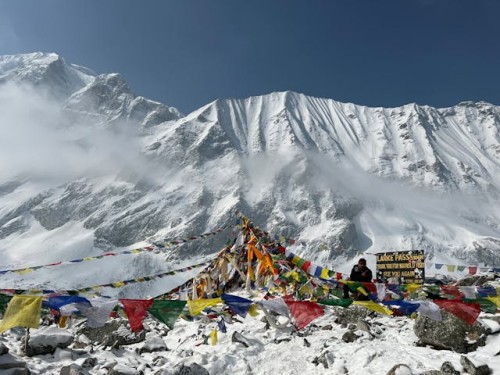
Tsum Valley is surrounded by spectacular Himalayan peaks.
Depending on weather and the exact itinerary, trekkers may see:
The combination of mountain walls, green valleys, alpine terrain and traditional settlements creates a distinctive landscape.
Some particularly memorable viewpoints are around Mu Gompa and the upper valley. The source material also identifies Mu Gompa, Piren Phu and the surrounding high landscapes as important locations for broad mountain views and sunrise or sunset experiences.
Culture is one of the main reasons to choose Tsum Valley.
The valley has a strong Tibetan Buddhist identity, and religion remains deeply connected with everyday life. Mani walls, prayer wheels, prayer flags, chortens and monasteries appear throughout the journey.
The major religious sites include Piren Phu, Rachen Gompa and Mu Gompa.
Piren Phu, also known as Pigeon Cave, is particularly significant and is associated with the meditation traditions of the Buddhist master Milarepa. Rachen Gompa is another important monastery, while Mu Gompa is one of the highest and most important monasteries in the valley.
Trekkers should remember that these are living religious places rather than tourist attractions alone. Visitors should behave respectfully, follow local instructions and avoid disturbing religious ceremonies.
Walking through Tsum Valley provides an opportunity to see a traditional Himalayan way of life.
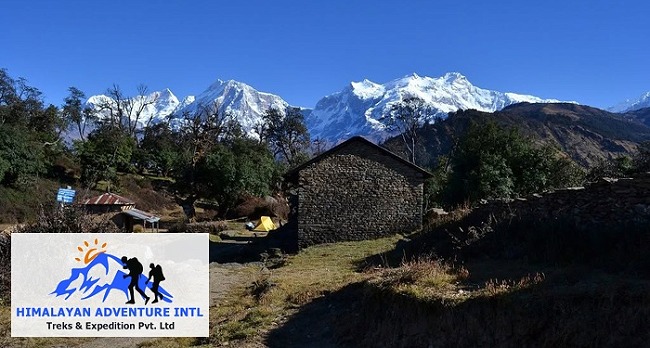
Many villages consist of stone houses, agricultural fields, monasteries and narrow paths connecting neighboring communities.
Because mass tourism has had less influence here than in more established trekking regions, visitors can experience a slower pace of life.
You may see villagers working in fields, tending animals, maintaining houses or participating in religious activities. Local people have preserved many traditions that have developed over generations.
For travelers interested in culture, this is one of the strongest reasons to trek Tsum Valley.
Tsum Valley lies within the Manaslu Conservation Area and contains a variety of ecosystems.
Lower sections include forests of:
As the trail rises, the landscape gradually changes toward alpine meadows and more exposed mountain terrain.
The conservation area supports wildlife including Himalayan tahr, blue sheep, marmots and numerous bird species.
Wildlife sightings are never guaranteed, but the possibility of seeing Himalayan animals adds another dimension to the trek.
The journey to Tsum Valley is also an adventure through dramatic river landscapes.
The Budhi Gandaki River and its tributaries have carved deep valleys and gorges through the mountains. Trekkers cross numerous suspension bridges, some decorated with prayer flags.
The bridges provide excellent views of the river below and the steep cliffs around the valley.
The combination of roaring water, high cliffs, forests and mountain peaks makes these sections some of the most memorable parts of the trek.
Yes. A licensed guide is strongly recommended, and restricted-area regulations require organized trekking arrangements.
Tsum Valley is not an ordinary independent trekking destination. Because it is a restricted region, travelers should arrange the trek through a registered trekking agency and travel according to the applicable government requirements.
A professional guide offers much more than route navigation.
Your guide can assist with:
At Himalayan Adventure Intl Treks, our standard licensed trekking guide cost is:
USD 30 per day per guide
The guide fee is calculated according to the number of trekking days and services required.
For travelers who specifically prefer a female trekking guide, we can arrange a qualified female guide at:
USD 30 per day
Availability should be confirmed before booking, particularly during the busiest trekking seasons.
If you require a guide who speaks a particular language in addition to English, we can arrange a language-speaking guide depending on availability.
Language-speaking guide cost: USD 50–70 per day.
The exact rate depends on the language, guide availability, experience and itinerary.
Yes. A porter is extremely useful if you want to trek comfortably without carrying your main luggage throughout the journey.
Our standard porter cost is:
USD 20 per day per porter.
A porter generally carries the main trekking luggage while you carry a smaller daypack containing items such as water, camera, snacks, rain gear and personal essentials.
We recommend packing thoughtfully and keeping your trekking bag within a reasonable weight.
For travelers who want a lower-cost option, we can also arrange a porter-guide.
The porter-guide combines basic guiding and luggage-carrying responsibilities and is particularly suitable for experienced trekkers who do not require a full professional guide service.
Porter-guide cost: USD 25 per day.
For restricted-area trekking, however, travelers should confirm that the person provided meets the current government requirements for the route. Himalayan Adventure Intl Treks can advise you on the appropriate arrangement.
Machha Khola is one of the principal road-access points for the Manaslu and Tsum Valley trekking region.
The journey from Kathmandu to Machha Khola is an important part of the adventure. The road passes through changing landscapes, rural settlements, rivers and mountain terrain.
Our approximate shared transportation cost is:
USD 15–20 per person, one way, Kathmandu to Machha Khola.
The final cost can depend on road conditions, season, vehicle availability and group size.
For travelers wanting greater comfort and flexibility, we can arrange a private vehicle.
Private vehicle: USD 280 for approximately 5–7 people, one way.
A private vehicle can be particularly useful for families, friends or small groups who want to control departure times and avoid sharing transportation with other travelers.
Food in Tsum Valley is simpler than what you might find in Kathmandu or Pokhara, but meals are generally designed to provide the energy needed for long trekking days.
Typical menu items include:
Dal Bhat remains one of the best choices for trekkers because it combines rice, lentils and vegetables and provides a filling source of carbohydrates and protein.
Food supplies become more limited as you move farther into the remote upper valley because many ingredients have to be transported from lower areas.
At Himalayan Adventure Intl Treks, we encourage travelers to eat sufficient food, remain hydrated and choose meals that provide sustained energy rather than relying heavily on snacks.
For independent budgeting, travelers should allow approximately:
USD 35–40 per person per day for food and accommodation.
The actual amount can vary depending on the season, lodge, meal choices, room type and itinerary.
At higher elevations, transportation of food and supplies becomes more difficult, which can make meals more expensive than in Kathmandu or lower-altitude towns.
Accommodation on the Tsum Valley Trek is primarily provided by locally operated tea houses and lodges.
Rooms are generally simple, often with:
In some lower villages, facilities may be more comfortable, while accommodation becomes increasingly basic in the upper valley.
Do not expect luxury hotels in remote Tsum Valley. The attraction is the opportunity to stay close to local communities and experience authentic Himalayan hospitality.
Hot showers, electricity, charging facilities and internet may not always be available, particularly in higher settlements.
We strongly recommend carrying a sleeping bag, especially during the colder months.
Although tea houses generally provide blankets and basic bedding, temperatures at night can become very cold.
A good four-season trekking sleeping bag provides an additional layer of warmth and personal comfort.
If you are traveling during spring or autumn, your guide can advise you on the appropriate sleeping-bag rating according to the expected conditions.
Staying hydrated is essential during the trek.
Bottled and mineral water may be available at lower settlements, but buying large quantities of plastic bottles every day is neither economical nor environmentally responsible.
A better option is to refill reusable bottles with treated water.
You can use:
Although streams and springs may appear clean, natural water should not automatically be considered safe to drink. Always treat untreated water before consumption.
Using refillable bottles and water purification also helps reduce plastic waste in the Himalayan environment.
Tsum Valley is a remote destination, so communication facilities are limited compared with Kathmandu or Pokhara.
Mobile coverage can be inconsistent, and internet access may only be available at selected lodges.
Some tea houses provide Wi-Fi for an additional charge, but travelers should not expect a continuous internet connection.
We recommend purchasing a local NTC or Ncell SIM card in Kathmandu if your phone is compatible.
However, network availability varies along the route. Your guide can help you identify locations where communication is possible.
The limited connectivity can actually be part of the appeal. Tsum Valley gives travelers an opportunity to temporarily disconnect from social media and concentrate on the mountains, culture and journey.
Himalayan Adventure Intl Treks can customize the itinerary according to your available time, fitness and interests.
A standard program can be designed around approximately 12–14 days, including Kathmandu preparation, transportation and trekking days. The source itinerary also identifies a 17-day program with preparation/sightseeing in Kathmandu and time for exploration and acclimatization around Mu Gompa.
A typical program may include:
Day 01: Arrival in Kathmandu
Day 02: Drive to Machha Khola
Day 03: Trek to Jagat
Day 04: Trek to Lokpa
Day 05: Trek to Chumling
Day 06: Trek to Chhokangparo
Day 07: Trek to Nile and Mu Gompa
Day 08: Trek back toward Chhokangparo
Day 09: Trek toward Lokpa
Day 10: Trek toward Machha Khola
Day 11: Drive Machha Khola to Kathmandu
Day 12: Departure or additional Kathmandu sightseeing
The itinerary can be extended or shortened depending on transportation conditions and the desired amount of exploration.
The total price depends on group size, trekking duration, guide requirements, transportation and accommodation preferences.
For budgeting purposes, our main service rates include:
| Service | Approximate Cost |
|---|---|
| Licensed trekking guide | USD 30/day |
| Female guide | USD 30/day |
| Language-speaking guide | USD 50–70/day |
| Porter | USD 20/day |
| Porter-guide | USD 25/day |
| Food & accommodation | USD 35–40/person/day |
| Shared Kathmandu–Machha Khola transport | USD 15–20/person one way |
| Private vehicle, 5–7 people | USD 280 one way |
| Manaslu Conservation Area Permit – foreigner | NPR 3,000/person |
| Manaslu Conservation Area Permit – SAARC | NPR 1,000/person |
Restricted-area permit costs are seasonal and should be calculated according to the exact route and trekking dates. The current official government information should always be checked before permit issuance.
Depending on the package selected, we can arrange:
We can also customize the package for private groups, families, couples, friends and solo travelers joining an organized group.
Unless specifically mentioned in your quotation, travelers should normally budget separately for:
Travel insurance covering trekking and emergency evacuation is highly recommended.
Tsum Valley is not simply a hiking destination. It is a journey through a remote cultural landscape where mountain adventure, Tibetan Buddhist traditions and Himalayan nature come together.
Choosing an experienced local trekking company can make a significant difference because the route involves restricted permits, remote accommodation, changing weather, transportation logistics and communication challenges.
At Himalayan Adventure Intl Treks, we focus on:
Our guides understand the trails, villages, weather patterns and local customs. They help make the journey safer while also explaining the cultural significance of the places you visit.
We provide clear information about guide, porter, transportation, accommodation and permit expenses so travelers can plan their budget confidently.
Not every traveler wants the same experience. We can modify trekking days, rest days, accommodation arrangements and transportation according to your preferences.
Private groups allow travelers to maintain a comfortable walking pace and enjoy greater flexibility.
Tsum Valley is culturally and environmentally sensitive. We encourage visitors to respect local customs, reduce plastic waste, avoid damaging natural areas and support locally operated tea houses and businesses.
Because Tsum Valley remained isolated for so long, responsible tourism is particularly important.
Travelers can help protect the region by:
The goal should be to leave the valley as beautiful as we found it.
Absolutely.
The Tsum Valley Trek is one of Nepal’s finest choices for travelers who want something beyond the busiest Himalayan routes. It combines dramatic landscapes with a living cultural heritage that has developed over centuries.
You walk beside powerful Himalayan rivers, cross suspension bridges, pass through forests and traditional villages, visit ancient Buddhist monasteries and gradually enter a landscape where the mountains dominate the horizon.
The journey to Rachen Gompa, Piren Phu and Mu Gompa offers cultural experiences that are difficult to find elsewhere. At the same time, views of Manaslu, Ganesh Himal, Shringi Himal, Himalchuli and Boudha Himal provide the spectacular mountain backdrop that makes trekking in Nepal so memorable.
The restricted status of Tsum Valley is part of what has helped preserve its character. Rather than seeing the permit system as an inconvenience, travelers can understand it as one of the mechanisms used to manage tourism in a culturally and environmentally sensitive region.
With appropriate preparation, a licensed guide, the correct permits, suitable equipment and a realistic itinerary, the Tsum Valley Trek can be an unforgettable Himalayan experience.
Himalayan Adventure Intl Treks is ready to arrange your Tsum Valley adventure with experienced guides, porters, transportation, accommodation and permit services. Whether you are traveling alone, as a couple, with friends or as a private group, we can create an itinerary around your preferred dates, walking pace, budget and interests.
Contact Himalayan Adventure Intl Treks to customize your Tsum Valley Trek and receive a detailed itinerary and current quotation based on your group size and travel dates.
Permit fees and government regulations can change. The restricted-area and conservation permit figures should therefore be reconfirmed at the time of booking. Current Nepal Tourism Board information lists the Manaslu Conservation Area fee at NPR 3,000 for foreign visitors and NPR 1,000 for SAARC nationals, while restricted-area fees are seasonal and route-specific.
Welcome to Kathmandu, the vibrant capital of Nepal and the gateway to the Himalayas. Upon arrival at Tribhuvan International Airport, a representative from Himalayan Adventure Intl Treks will meet you and transfer you to your hotel.
After checking in, you can rest and recover from your journey. Depending on your arrival time, there may be an opportunity to explore the nearby streets of Kathmandu or enjoy a traditional Nepali dinner.
Your trekking team will also arrange a briefing covering the route, permits, equipment, safety considerations, and general preparations for the trek.
Highlights:
Elevation: 1,350 m / 4,429 ft
Walking: No trekking
Meals: Welcome dinner
Accommodation: 3-star hotel in Kathmandu
Today begins with an early morning overland journey toward the Budhi Gandaki Valley. The road gradually leaves the Kathmandu Valley and heads west toward Dhading and Arughat.
From Arughat, the route continues through Soti Khola before reaching Machha Khola, the starting point of the main trekking section.
The drive passes through beautiful countryside, terraced hillsides, forests, rivers, waterfalls, and traditional villages. The road becomes increasingly rugged as you approach the remote Himalayan foothills.
Highlights:
Starting elevation: 1,350 m / 4,429 ft
Machha Khola elevation: 860 m / 2,822 ft
Approx. driving distance: 160–175 km, depending on road conditions
Driving time: Approximately 8–10 hours
Meals: Breakfast, lunch and dinner
Accommodation: Local teahouse/lodge in Machha Khola
After breakfast, your trek begins along the Budhi Gandaki River. The trail crosses suspension bridges and follows a dramatic river gorge through subtropical vegetation.
The route passes through small settlements and gradually climbs and descends along the rugged mountainside. You will encounter waterfalls, forested hills, rocky cliffs, and traditional Himalayan communities.
As the day progresses, the landscape becomes more mountainous and the temperature generally becomes cooler.
Eventually, the trail reaches Jagat, a historic settlement and an important checkpoint for the Manaslu and Tsum Valley trekking region.
Highlights:
Elevation: 860 m → 1,340 m
Approx. distance: 22 km
Trekking time: 7–8 hours
Terrain: River valley, rocky trails, ascents and descents
Meals: Breakfast, lunch and dinner
Accommodation: Teahouse/lodge in Jagat
Today is an important stage as the trail gradually climbs toward the entrance of the remote Tsum Valley.
Leaving Jagat, the trail follows the Budhi Gandaki through forests and steep-sided valleys. After passing through several traditional settlements, the landscape begins to change as you approach the junction leading toward Tsum Valley.
The route provides increasingly impressive views of the surrounding mountains and deep river valleys. The trail eventually reaches Lokpa, one of the first settlements associated with the Tsum Valley trekking route.
Lokpa is surrounded by forests and dramatic Himalayan scenery and provides a peaceful overnight stop.
Highlights:
Elevation: 1,340 m → 2,240 m
Approx. distance: 18–20 km
Trekking time: 6–7 hours
Meals: Breakfast, lunch and dinner
Accommodation: Local teahouse/lodge in Lokpa
Today the trail takes you deeper into the culturally fascinating Tsum Valley.
From Lokpa, the route follows a forested trail with several ups and downs. The path eventually opens toward the impressive mountain scenery of the Tsum Valley, with views of Ganesh Himal and surrounding Himalayan peaks.
The trail reaches Chumling, a traditional Tsumba village located on the southern side of the valley. Stone houses, prayer flags, mani walls, and traditional Buddhist architecture reflect the strong Tibetan influence of the region.
Chumling is an excellent place to experience the peaceful lifestyle of the local communities.
Highlights:
Elevation: 2,240 m → 2,386 m
Approx. distance: 8–9 km
Trekking time: 4–5 hours
Meals: Breakfast, lunch and dinner
Accommodation: Teahouse/lodge in Chumling
Today you continue deeper into the upper Tsum Valley. The trail follows the Shiar Khola and gradually gains altitude.
Along the way, you pass through traditional settlements and agricultural fields with increasingly spectacular views of the surrounding mountains. The cultural character of the valley becomes even more pronounced as you encounter prayer wheels, mani walls, chortens, and Buddhist monasteries.
The destination is Rachen Gompa, one of the most important monasteries in the Tsum Valley. The monastery is an important center of Tibetan Buddhist practice and provides an opportunity to learn about the spiritual heritage of the valley.
Highlights:
Elevation: 2,386 m → 3,240 m
Approx. distance: 10–12 km
Trekking time: 5–6 hours
Meals: Breakfast, lunch and dinner
Accommodation: Teahouse/lodge or local guesthouse near Rachen Gompa
Today is one of the most memorable days of the trek. After breakfast, the trail continues north through the upper Tsum Valley toward Nile, one of the last major settlements in the valley.
From Nile, you ascend further toward Mu Gompa, the highest and one of the most significant monasteries in the Tsum Valley.
Mu Gompa sits in a remote Himalayan setting surrounded by rugged mountains. The monastery offers an exceptional insight into the Buddhist traditions and spiritual life of the region.
After exploring the area, you retrace your route back to Nile for the night.
Highlights:
Elevation:
Rachen Gompa: 3,240 m
Nile: 3,361 m
Mu Gompa: approximately 3,700 m
Approx. distance: 12–14 km round trip
Trekking time: 6–7 hours
Meals: Breakfast, lunch and dinner
Accommodation: Teahouse/lodge in Nile
Today you leave the upper Tsum Valley and begin the journey toward Gumba Lungdang.
The route follows remote mountain trails through forests and rugged landscapes. You will notice the valley becoming increasingly isolated, with fewer settlements and a stronger sense of wilderness.
The trail eventually reaches Gumba Lungdang, a beautiful monastery settlement surrounded by impressive mountain scenery.
This is an excellent place to relax, enjoy the quiet surroundings, and experience the spiritual atmosphere of the Himalayas.
Highlights:
Elevation: 3,361 m → 3,200 m
Approx. distance: 12–14 km
Trekking time: 5–6 hours
Meals: Breakfast, lunch and dinner
Accommodation: Local teahouse/guesthouse at Gumba Lungdang
Today is the most challenging and rewarding day of the trek.
You begin early in the morning and ascend from Gumba Lungdang toward Ganesh Himal Base Camp. The trail passes through alpine landscapes, rugged terrain, and increasingly sparse vegetation.
As you gain altitude, the surrounding mountain scenery becomes extraordinary. The Ganesh Himal range dominates the horizon, while the remote setting provides an unforgettable Himalayan experience.
After spending time at the base camp area and enjoying the mountain views, you descend by the same trail to Gumba Lungdang.
Because this is a long high-altitude day, a steady pace and adequate hydration are important.
Highlights:
Elevation:
Gumba Lungdang: 3,200 m
Ganesh Himal Base Camp: approximately 4,200 m
Approx. distance: 14–16 km round trip
Trekking time: 7–9 hours
Maximum elevation: 4,200 m / 13,780 ft
Meals: Breakfast, packed lunch and dinner
Accommodation: Local guesthouse/teahouse at Gumba Lungdang
After the demanding previous day, today provides a substantial descent.
The trail winds through beautiful forests and remote mountain terrain before reconnecting with the route toward Lokpa. As you lose elevation, vegetation becomes thicker and the climate gradually becomes warmer.
The descent offers a different perspective of the landscapes you experienced earlier in the trek.
You arrive in Lokpa in the afternoon and have time to rest and enjoy the peaceful village environment.
Highlights:
Elevation: 3,200 m → 2,240 m
Approx. distance: 15–17 km
Trekking time: 6–7 hours
Meals: Breakfast, lunch and dinner
Accommodation: Teahouse/lodge in Lokpa
Today you continue your descent toward Jagat.
The trail follows the rugged valley through forests, suspension bridges, rocky paths, and riverside landscapes. The lower you travel, the warmer and greener the surroundings become.
The journey provides an opportunity to appreciate the dramatic contrast between the high Himalayan environment and the lush lower Budhi Gandaki Valley.
After several hours of trekking, you reach Jagat for your overnight stay.
Highlights:
Elevation: 2,240 m → 1,340 m
Approx. distance: 18–20 km
Trekking time: 6–7 hours
Meals: Breakfast, lunch and dinner
Accommodation: Teahouse/lodge in Jagat
Today marks the final walking section of your Himalayan adventure.
The trail descends through the Budhi Gandaki Valley, passing waterfalls, suspension bridges, forests, rocky cliffs, and riverside settlements.
The route eventually brings you back to Machha Khola, where you can celebrate the completion of your trek with your trekking crew.
After arriving at Machha Khola, enjoy a well-deserved rest and a final evening in the mountain region.
Highlights:
Elevation: 1,340 m → 860 m
Approx. distance: 22 km
Trekking time: 7–8 hours
Meals: Breakfast, lunch and dinner
Accommodation: Teahouse/lodge in Machha Khola
After breakfast, begin the scenic overland journey from Machha Khola back to Kathmandu.
The road follows the river valley before gradually leaving the Himalayan foothills. You will pass rural settlements, terraced farmland, forests, and hillside communities before continuing toward the Kathmandu Valley.
Upon arrival in Kathmandu, check into your hotel and enjoy a comfortable evening after completing your trek.
You can celebrate the successful journey with your guides and trekking team over a farewell dinner.
Highlights:
Elevation: 860 m → 1,350 m
Approx. driving distance: 160–175 km
Driving time: Approximately 8–10 hours, depending on road conditions
Meals: Breakfast, lunch and farewell dinner
Accommodation: 3-star hotel in Kathmandu
Your unforgettable Tsum Valley and Ganesh Himal Base Camp adventure comes to an end today.
Depending on your flight schedule, you may have free time to relax, shop for souvenirs, or explore Kathmandu before being transferred to Tribhuvan International Airport by a representative of Himalayan Adventure Intl Treks.
We sincerely hope that the mountains, people, culture, monasteries, and landscapes of Nepal have created memories that will remain with you for a lifetime.
Highlights:
Meals: Breakfast
Accommodation: Not included unless an additional night is required
Accommodation throughout the trekking portion is primarily in locally operated teahouses, lodges and guesthouses. Facilities are generally simple but comfortable, with twin-sharing rooms and common dining areas.
In Kathmandu, accommodation is arranged in a comfortable 3-star category hotel or equivalent.
At higher and more remote locations, accommodation facilities can be basic due to the isolated nature of the region. Travelers should be prepared for simple rooms and shared bathroom facilities where necessary.
During the trek, three meals are generally provided each day:
Breakfast: Tea/coffee, Tibetan bread, eggs, porridge, pancakes, noodles or similar local options.
Lunch: Dal bhat, noodles, pasta, soup, fried rice, momos, potatoes, vegetables or other available local dishes.
Dinner: Dal bhat, soup, noodles, pasta, rice, vegetables and other teahouse specialties.
Dal Bhat—rice, lentil soup, vegetables and pickles—is one of the most reliable and nutritious choices for trekking in Nepal.
Tea, coffee and other hot drinks are generally available at teahouses, although additional beverages may be charged separately.
The Tsum Valley and Ganesh Himal Base Camp Trek is considered a moderate to challenging Himalayan trek.
The most demanding section is the ascent to Ganesh Himal Base Camp at approximately 4,200 m, combined with the return to Gumba Lungdang on the same day.
Previous multi-day trekking experience is beneficial, although trekkers with good physical fitness and adequate preparation can undertake the route with proper guidance.
The itinerary includes gradual acclimatization, but altitude awareness, hydration, pacing, and listening to your trekking guide remain important throughout the journey.
This trek is especially suitable for travelers looking for an authentic Himalayan experience away from the busiest trekking routes. The combination of remote villages, Buddhist monasteries, traditional Tsumba culture, forests, dramatic river valleys, and high mountain landscapes makes this a highly rewarding adventure.
Himalayan Adventure Intl Treks is committed to providing a safe, responsible and memorable trekking experience while supporting local communities and respecting the unique cultural heritage of the Tsum Valley.
Note: Walking distances, trekking hours, driving times, elevations and accommodation can vary slightly depending on the final trail conditions, road conditions, weather, lodge availability and the exact route followed by the trekking team.
Airport Pick-Up and Drop-Off: We understand the importance of a smooth transition into your adventure. Therefore, we provide seamless airport transfers to and from your accommodation.
Ground Transportation: Say goodbye to transportation worries. All ground transportation as outlined in the program is included, allowing you to focus solely on soaking in the breathtaking landscapes.
Three Meals a Day: Fuel your trekking adventures with delicious and nourishing meals. Enjoy breakfast, lunch, and dinner, complete with a refreshing cup of tea or coffee to energize you for the trails ahead.
Accommodation: Rest assured in comfortable lodges or provided tents, meticulously chosen to complement your trekking experience. Your accommodation aligns with the specific requirements of your chosen trek type.
Hotel Accommodation in Kathmandu: Before and after your trek, unwind in the comfort of a cozy hotel room for three nights in Kathmandu, ensuring a well-deserved rest before and after your adventure.
English-Speaking Guide: Explore the wonders of the Himalayas with the guidance of our experienced English-speaking guides. Their expertise and knowledge enhance your trekking journey, providing valuable insights along the way.
Government and Local Taxes: We take care of all necessary government and local taxes, ensuring compliance and peace of mind throughout your trek.
National Park Fees: Entrust us with the hassle of park fees. The Manaslu National Park Fees (MCAP) are included in your package, allowing you to focus on the beauty surrounding you.
Trekkers Information Management System (TIMS): Leave the paperwork to us. We handle all aspects of the TIMS registration, streamlining the administrative process for you.
Porter Services: Our porter services ensure your belongings are taken care of during your trek. With a porter ratio of 1:2 (one porter for two guests), you can trek with ease, knowing your essentials are in good hands.
General Equipment for Porters: We equip our porters with the necessary gear to ensure their comfort and safety throughout the adventure trip.
Guide and Porter Salary: We value the hard work of our guides and porters. Their salaries are covered in your package, ensuring fair compensation for their dedicated service.
Insurance Coverage: Safety is paramount. Our guides and porters are comprehensively insured during the trekking journey, providing added peace of mind for you and your companions.
Additional Services: Have specific needs or requests? We're here to accommodate. Additional services are available upon guest demand, ensuring a personalized trekking experience tailored to your preferences.
Trekking Equipment: Personal trekking gear is not included in the package. However, we can provide recommendations and assistance in acquiring the necessary equipment for your journey.
Personal Expenses: Any personal expenses such as alcoholic beverages, phone usage, and laundry services are not included in the package.
Emergency Rescue and Travel Insurance: We highly recommend obtaining personal travel insurance to cover emergency rescue, trip cancellation costs, accidents, health issues, as well as loss, theft, or damage to personal effects. Your safety is our priority, and adequate insurance ensures you're prepared for any unforeseen circumstances.
Tips: While tipping is at your discretion, it's customary to show appreciation for exceptional service. Tips for guides, porters, and other staff are not included in the package but are greatly appreciated for their hard work and dedication.
Tsum Valley Trek is a mesmerizing journey through the remote Tsum Valley region of Nepal, renowned for its unspoiled natural beauty, rich cultural heritage, and spectacular mountain vistas.
The Tsum Valley Trek typically takes around 17 to 21 days to complete, depending on the specific itinerary and pace chosen.
The best time for Tsum Valley Trek is during the spring (March to May) and autumn (September to November) seasons when the weather is generally stable, and the skies are clear, offering stunning views of the surrounding Himalayan peaks.
Yes, a special restricted area permit known as the "Tsum Valley Restricted Area Permit" is required for Tsum Valley Trek, in addition to the standard trekking permits for Nepal.
Tsum Valley Trek is considered to be of moderate difficulty. While it does not involve any technical climbing, trekkers should be prepared for long days of walking at high altitudes and varying terrain.
The highest point reached during the Tsum Valley Trek is the Ngula Dhojhyang Pass, standing at an elevation of approximately 5,093 meters (16,710 feet).
Yes, there are basic teahouse lodges and guesthouses available along the trekking route in Tsum Valley, providing simple accommodation and meals to trekkers.
Highlights of the Tsum Valley Trek include exploring traditional Tibetan Buddhist monasteries, encountering unique cultural practices of the local Tsumba people, and enjoying panoramic views of towering Himalayan peaks such as Ganesh Himal and Sringi Himal.
While it's not mandatory, hiring a guide or porter for the Tsum Valley Trek is highly recommended, especially for those unfamiliar with the terrain, culture, and language of the region.
Altitude sickness is a potential risk during the Tsum Valley Trek due to the high elevations involved. It's essential for trekkers to acclimatize properly, stay hydrated, and be aware of the symptoms of altitude sickness.
Yes, the Tsum Valley Trek can be customized to accommodate varying trekking durations, route preferences, and specific interests, such as cultural experiences or wildlife sightings.
The Tsum Valley region is home to diverse wildlife, including Himalayan Thar, Musk Deer, Snow Leopard, and various species of birds such as Griffon Vultures and Himalayan Monal.
Yes, the Tsum Valley Trek can be combined with other treks in the nearby Manaslu region or with cultural tours in Kathmandu and Pokhara, offering a comprehensive Himalayan adventure experience.
What kind of packing list is recommended for the Tsum Valley Trek? A: A packing list for the Tsum Valley Trek typically includes essential trekking gear such as sturdy hiking boots, warm clothing, a sleeping bag, sunscreen, sunglasses, a first aid kit, and a water purification system.
Yes, trekkers should be respectful of local customs and traditions, including asking for permission before taking photographs of people or religious sites, removing shoes before entering monasteries or homes, and refraining from littering or disturbing the natural environment.
The Tsum Valley Trek is one of Nepal’s most remarkable off-the-beaten-path Himalayan journeys, offering a rare combination of dramatic mountain scenery, ancient Buddhist culture, traditional villages, peaceful monasteries, and authentic Himalayan hospitality. Organized by Himalayan Adventure Intl Treks, this trek takes you deep into the remote northern part of Gorkha District, where the landscape, culture, and lifestyle remain beautifully connected to centuries-old traditions.
Often described as a hidden or sacred valley of the Manaslu region, Tsum Valley lies between the impressive ranges of Manaslu and Ganesh Himal. The valley is shaped by the Syar Khola and surrounded by rugged Himalayan terrain, high ridges, forests, alpine landscapes, and snow-covered peaks. Far from the busy trekking routes of Nepal, Tsum offers a quieter and more immersive experience for travelers who want to explore a less-commercialized part of the Himalayas.
The trek is equally fascinating for its people. The indigenous Tsumba communities have preserved a distinctive Himalayan culture influenced strongly by Tibetan Buddhist traditions. Ancient monasteries, chortens, mani walls, prayer flags, traditional stone houses, and sacred caves appear throughout the valley. Walking through villages such as Chumling, Chhokang Paro, Nile, and Mu Gompa gives trekkers an opportunity to experience a way of life that has evolved over generations in close relationship with the mountains.
The journey begins with a scenic drive from Kathmandu toward the Budhi Gandaki Valley and continues on foot from Machha Khola. The trail initially follows the Budhi Gandaki River before branching toward Lokpa and entering the Tsum Valley along the Syar River. From there, the landscape becomes increasingly remote and spectacular as the trail climbs through traditional villages toward Mu Gompa, the highest point of the standard Tsum Valley route.
For travelers seeking cultural discovery, Himalayan scenery, peaceful surroundings, and a genuine wilderness experience, Tsum Valley is an outstanding choice.
The standard Tsum Valley Trek package offered by Himalayan Adventure Intl Treks starts from:
We provide flexible group pricing so that travelers can choose a package according to their group size.
| No. of Persons | Price Per Person |
|---|---|
| 1 person | USD 950 |
| 2–4 persons | USD 850 |
| 5–9 persons | USD 799 |
| 10+ persons | USD 749 |
Tsum Valley is a remote Himalayan valley located in the northern part of Gorkha District. It forms part of the wider Manaslu region and is positioned between impressive mountain ranges, including the Manaslu and Ganesh Himal massifs.
The valley is drained by the Syar River, which eventually joins the Budhi Gandaki River. The river systems have played an important role in shaping the landscape and supporting agriculture and settlement in this otherwise rugged Himalayan environment.
The word Tsum is associated with the local identity and cultural character of the valley. The region has historically remained relatively isolated from the outside world, which has helped local communities preserve traditional architecture, religious practices, festivals, and social customs.
For trekkers, this isolation is one of the greatest attractions. Rather than simply walking from one commercial trekking center to another, travelers experience small settlements, cultivated fields, forests, suspension bridges, mountain trails, monasteries, and quiet Himalayan landscapes.
The Tsum Valley Trek is particularly attractive to people who want to combine a Himalayan adventure with cultural exploration. Every day brings a different perspective of the valley, from the lower Budhi Gandaki gorge to high settlements surrounded by enormous mountains.
The Tsum Valley Trek begins in Kathmandu. From the capital, we travel west along the Prithvi Highway before turning north toward the Budhi Gandaki Valley. Depending on road conditions and the selected itinerary, the journey passes through settlements including Aabu Khaireni, Gorkha-area communities, and Machha Khola.
Machha Khola is generally the starting point of the trekking section.
From Machha Khola, the trail follows the Budhi Gandaki River through a changing landscape of green hills, waterfalls, suspension bridges, forests, rocky cliffs, and small villages. The trail gradually enters increasingly remote terrain.
Typical settlements along the approach include Machha Khola, Tatopani, Dovan, Jagat, Salleri, and Philim.
At Lokpa, the route toward Tsum Valley separates from the main Manaslu Circuit route. From this point, the trail follows the Syar River toward the heart of the valley.
The journey then continues through:
Depending on the itinerary, trekkers can also explore Rachen Nunnery, Milarepa Cave, Mu Gompa, and other nearby cultural sites.
After reaching the upper valley and visiting Mu Gompa, the standard route retraces the trail toward lower Tsum Valley before returning toward the Budhi Gandaki corridor and eventually driving back to Kathmandu.
There are many reasons to choose the Tsum Valley Trek, but the experience is particularly special because it combines several elements of Himalayan travel in one journey.
Tsum Valley remains considerably quieter than Nepal’s most popular trekking destinations. The trail passes through forests, deep river valleys, alpine terrain, and traditional settlements surrounded by mountains.
The valley has a strong Tibetan Buddhist cultural identity. Monasteries, prayer flags, mani walls, chortens, sacred caves, and religious artwork are common throughout the route.
The villages of Tsum retain traditional stone-and-mud houses and a distinctive Himalayan architectural style. Walking through these settlements provides an opportunity to observe local life at close range.
Mu Gompa and Rachen Nunnery are among the cultural highlights of the journey. These religious sites provide an important connection to the spiritual history of the valley.
The route offers views of the Manaslu and Ganesh Himal ranges, along with numerous surrounding peaks and ridges.
For travelers who prefer quieter trails and meaningful cultural encounters rather than crowded trekking centers, Tsum Valley is an excellent destination.
Mu Gompa is one of the most important cultural and spiritual attractions in upper Tsum Valley. Located at approximately 3,700 meters, it is the highest point of the standard Tsum Valley Trek.
The monastery is situated in an extraordinary mountain environment, with high peaks and rugged slopes surrounding the valley. The peaceful atmosphere makes Mu Gompa one of the most memorable destinations of the trek.
The monastery complex contains traditional Buddhist religious objects, artwork, statues, prayer areas, and architectural features characteristic of Himalayan monasteries. Visitors should remember that monasteries are active religious spaces, so respectful behavior, appropriate clothing, and permission for photography are important.
Reaching Mu Gompa is not simply about reaching the highest point of the trek. It represents the culmination of the cultural and geographical journey into the remote upper valley.
Rachen Nunnery, also known as Rachen Gompa, is another major cultural attraction in Tsum Valley.
The nunnery is associated with Buddhist religious practice and provides a fascinating insight into the spiritual traditions of the valley. Its architecture, religious artwork, prayer areas, murals, and traditional design reflect the region's strong Tibetan Buddhist heritage.
A visit to Rachen Nunnery allows trekkers to understand that Tsum Valley is more than a scenic trekking destination. It is a living cultural landscape in which monasteries and religious institutions remain part of everyday community life.
The Milarepa Cave, often referred to locally as Piren Phu, is another significant religious site in the valley.
The cave is associated with Milarepa, the renowned Tibetan yogi, poet, and spiritual figure. Local tradition connects the site with meditation and spiritual practice.
For visitors, the cave provides an opportunity to appreciate the historical depth of Tibetan Buddhist traditions in the region. The surrounding landscape also contributes to the experience, as the site is positioned amid the dramatic mountains and cliffs of Tsum Valley.
Chhokang Paro is one of the most picturesque traditional settlements on the Tsum Valley route.
The village provides an excellent example of Himalayan community architecture, with stone-built houses, agricultural terraces, mani walls, chortens, prayer flags, and narrow pathways.
Walking through Chhokang Paro offers a glimpse into the daily life of the Tsumba people. Depending on the season, trekkers may see residents working in fields, caring for livestock, preparing traditional food, or carrying out other activities associated with village life.
Gumba Lungdang is an optional cultural and trekking destination that can be incorporated into a customized Tsum Valley itinerary.
The monastery lies in a remote Himalayan setting with spectacular views toward the Ganesh Himal range. The journey to the area requires additional trekking time, so it is generally treated as a side trip rather than part of the shortest standard Tsum Valley itinerary.
For travelers interested in combining Tsum Valley with additional exploration around Ganesh Himal, this can be an excellent extension.
Himalayan Adventure Intl Treks can help design a customized itinerary according to your available time, fitness level, and interests.
One of the enjoyable stops on the lower section of the trek is Tatopani, a settlement associated with natural hot springs.
The hot spring is located near the Budhi Gandaki River and provides an opportunity to relax after trekking through the lower valley.
Many trekkers enjoy spending time in natural hot springs after several hours of walking. The warm water can be particularly pleasant during cooler weather.
Tatopani is located along the route between Machha Khola and Jagat, making it a convenient and memorable stop during the early stages of the journey.
One of the defining features of the Tsum Valley Trek is the opportunity to encounter the Tsumba people, the indigenous inhabitants of the valley.
The Tsumba communities have maintained strong cultural connections with Tibetan Himalayan traditions. Their language, customs, religious practices, architecture, festivals, and social traditions contribute to the unique character of the valley.
Historically, the region's geographical position contributed to cultural connections across the Himalayan borderlands. The valley has therefore developed a distinctive identity influenced by Tibetan Buddhist traditions.
During the trek, travelers may see:
Several important festivals are celebrated in the region, including Lhosar, Saga Dawa, and Dumje. Festival dates vary according to the traditional calendar, so travelers interested in experiencing a particular celebration should plan well in advance.
When visiting villages and monasteries, trekkers should respect local customs. Ask before photographing people, religious ceremonies, or monastery interiors, and avoid disturbing religious activities.
Travelers with additional time can consider extending their Tsum Valley adventure toward Ganesh Himal Base Camp.
The route toward the base camp branches from the Tsum Valley area and leads toward the spectacular Ganesh Himal range. The base camp area lies at high elevation and offers an impressive mountain environment.
The Ganesh Himal range includes several prominent peaks, and the landscape around the base camp is characterized by rugged ridges, glaciers, alpine terrain, and dramatic Himalayan scenery.
Ganesh Himal Base Camp is not normally included in the standard Tsum Valley itinerary, because it requires additional trekking days and appropriate planning.
If you want to include this side trip, Himalayan Adventure Intl Treks can prepare a customized itinerary.
The best seasons for the Tsum Valley Trek are generally spring and autumn.
Spring is one of the most beautiful periods for trekking in Nepal.
Temperatures gradually become warmer, the weather is generally favorable, and vegetation begins to flourish. Lower sections of the route may feature blooming rhododendrons and other Himalayan vegetation.
March, April, and May are excellent months for travelers who want a combination of comfortable trekking conditions and beautiful mountain landscapes.
The summer months coincide with Nepal's monsoon season.
Rain can affect the lower trekking trails and road journey. Clouds may obscure mountain views, and wet conditions can make sections of the trail slippery. Road travel can also be affected by rainfall and landslides.
However, Tsum Valley can still be explored with careful planning, suitable rain gear, and flexible travel arrangements.
Autumn is another excellent trekking season.
After the monsoon, the atmosphere often becomes clearer, landscapes are refreshed, and mountain visibility can be excellent. October and November are especially popular for trekking in Nepal.
The combination of clear skies, comfortable temperatures, and spectacular mountain views makes autumn an ideal period for Tsum Valley.
Winter brings cold temperatures and snowfall to higher parts of Tsum Valley.
Mu Gompa and other high settlements can become very cold, and snow may affect sections of the trail. Nevertheless, experienced trekkers with appropriate winter clothing and flexible arrangements can undertake the trek during this season.
Winter also provides a quieter trekking experience.
The duration of the Tsum Valley Trek depends on the itinerary, road conditions, acclimatization requirements, and optional side trips.
A typical journey can be arranged for approximately 11 to 15 days, although longer customized itineraries are possible.
The trekking section from Machha Khola to Mu Gompa and back covers a substantial distance, while the road journey between Kathmandu and the trailhead adds additional travel time.
Trekkers generally walk for approximately 5 to 7 hours per day, depending on the day's distance, terrain, altitude gain, trail conditions, and sightseeing stops.
The trek should not be viewed as a race. Walking at a comfortable pace is especially important in the higher sections, where altitude becomes an important consideration.
Himalayan Adventure Intl Treks can customize the itinerary for travelers who want a slower and more comfortable experience.
The Tsum Valley Trek is generally considered a moderate trekking adventure.
You do not need mountaineering experience or technical climbing skills for the standard route. However, you should be comfortable walking several hours a day on uneven Himalayan trails.
The highest point of the standard trek is around 3,700 meters at Mu Gompa.
The main challenges include:
Good preparation makes the trek significantly more comfortable.
We recommend beginning physical preparation approximately one month before departure. Regular walking, hiking, cardiovascular exercise, stair climbing, and endurance training can be particularly useful.
If you are new to trekking, gradually increase the length and elevation of your training hikes rather than attempting very long hikes immediately before departure.
Although Tsum Valley does not reach the extreme elevations of Nepal's highest trekking routes, altitude should still be taken seriously.
The route gradually climbs from the lower Budhi Gandaki Valley toward the upper settlements of Tsum Valley. A properly designed itinerary allows the body time to adjust.
Common symptoms of altitude-related illness can include headache, unusual fatigue, dizziness, loss of appetite, nausea, or disturbed sleep.
The most important principles are:
Our experienced trekking guides monitor the group throughout the journey and can help manage the pace and daily schedule.
Accommodation is primarily provided in local teahouses and mountain lodges.
These lodges are generally simple but provide the essential facilities required for a Himalayan trekking journey. Rooms commonly contain beds with mattresses, pillows, and blankets or quilts.
Most rooms are designed for two or more trekkers, depending on availability.
Facilities vary from village to village. Electricity is available in many settlements, allowing travelers to recharge electronic devices. Internet access may also be available in some lodges, although the quality and reliability can vary.
Hot showers may be available at selected lodges for an additional charge.
The accommodation becomes more basic as you travel deeper into remote parts of the valley. This is part of the authentic character of the Tsum Valley experience.
Meals are served primarily in teahouses and local lodges.
A typical trekking day includes breakfast before departure, lunch during the day's walk, and dinner at the lodge where you stay.
Common food options include:
Dal bhat is one of the most popular choices among trekkers because it is filling, nutritious, and provides a good combination of carbohydrates and protein.
Food choices become more limited in the upper valley because supplies have to be transported over difficult terrain. Travelers with specific dietary requirements should inform Himalayan Adventure Intl Treks in advance so appropriate arrangements can be made.
Communication facilities in the Tsum Valley have improved considerably compared with previous years.
Mobile network coverage is available in several sections of the route, although service can be inconsistent in remote locations.
Some teahouses offer Wi-Fi or other internet facilities, but connectivity should not be considered guaranteed throughout the trek. In some places, internet access may involve an additional charge.
Your trekking guide will also be an important communication resource during the journey.
Because the Tsum Valley remains a remote Himalayan destination, travelers should embrace the possibility of periods without reliable connectivity.
Tsum Valley is a restricted trekking area, so special permits are required.
The principal permits associated with the trek include the Tsum Valley Restricted Area Permit (RAP) and the Manaslu Conservation Area Permit (MCAP).
Permit requirements and government fees can change, so the applicable rates should always be confirmed before departure.
The restricted-area permit is generally charged according to the duration of stay within the restricted region, with different rates applicable during different periods of the year.
The permit process requires passport details and must be handled through an authorized trekking agency.
Because Tsum Valley is a restricted area, trekkers cannot treat it like an unrestricted independent trekking route.
A licensed trekking guide and the appropriate permits are required, and restricted-area trekking regulations apply.
Himalayan Adventure Intl Treks handles the necessary permit arrangements and provides a licensed guide for the journey.
Travelers should provide the required passport information and visa details sufficiently in advance to allow the permit process to be completed smoothly.
We recommend keeping an additional day in Kathmandu if your travel schedule allows, particularly when permit processing or other administrative arrangements need to be completed.
Because the highest point of the standard trek is approximately 3,700 meters, you do not need highly technical mountaineering equipment. However, good-quality trekking clothing and footwear are essential.
Packing should be kept practical. Avoid carrying unnecessary items, because you will be walking with your trekking equipment for several hours each day.
Nepal has many famous trekking routes, including Everest Base Camp, Annapurna Circuit, Langtang Valley, and Manaslu Circuit. Tsum Valley offers something different.
It is not primarily about reaching an iconic base camp. Instead, the trek focuses on the journey through a secluded Himalayan cultural landscape.
The trail combines:
Culture: Traditional Tsumba communities and Tibetan Buddhist heritage.
Nature: Forests, rivers, cliffs, alpine landscapes, and mountain panoramas.
History: Ancient monasteries, sacred caves, chortens, and traditional settlements.
Adventure: Remote trails, suspension bridges, changing terrain, and high-altitude trekking.
Peace: Fewer trekkers and a quieter atmosphere compared with Nepal's busiest trekking routes.
For travelers who value cultural immersion and authentic Himalayan experiences, this combination is one of Tsum Valley's greatest strengths.
Tsum Valley is a culturally and environmentally sensitive region. Responsible trekking is therefore extremely important.
Travelers should:
The goal should be to leave the valley as beautiful and peaceful as it was before our arrival.
Choosing the right trekking company is an important part of planning a journey into a restricted Himalayan region.
At Himalayan Adventure Intl Treks, we focus on providing safe, organized, and culturally respectful trekking experiences.
Our team assists travelers with:
We understand that every traveler has different expectations. Some guests want a challenging adventure, while others prefer a slower cultural journey with more time in villages and monasteries.
For this reason, we can customize the Tsum Valley Trek according to your available time, group size, fitness level, interests, and preferred trekking pace.
Tsum Valley is generally a moderate trek. It does not require technical climbing skills, but you should be comfortable walking approximately 5–7 hours a day over uneven and sometimes steep Himalayan terrain.
The standard route reaches approximately 3,700 meters at Mu Gompa.
Previous high-altitude trekking experience is helpful but not mandatory. Travelers with reasonable fitness and proper preparation can complete the standard route with the support of an experienced guide.
Tsum Valley is a restricted area and is subject to special trekking regulations. Independent solo trekking is not permitted under the applicable restricted-area requirements. Travelers need the appropriate permits and licensed guide support.
Spring and autumn are generally considered the best seasons. March to May and September to November usually provide favorable trekking conditions.
Yes, winter trekking can be possible, but temperatures are considerably colder and snow may affect higher sections of the route. Appropriate winter clothing and careful planning are essential.
Wi-Fi may be available at some teahouses, but coverage and reliability vary. Mobile network access is also available in parts of the route.
Teahouses generally serve dal bhat, noodles, pasta, rice, soups, momos, potatoes, eggs, Tibetan-style dishes, and other basic trekking meals.
Yes. A good sleeping bag is recommended, especially for higher and colder sections of the trek.
A typical Tsum Valley Trek can be arranged in approximately 11–15 days, depending on the itinerary. Longer customized programs are also possible.
Yes. Himalayan Adventure Intl Treks can customize the itinerary according to your preferred duration, pace, side trips, and trekking objectives.
Yes. Ganesh Himal Base Camp can be included as an optional extension for travelers with additional time and suitable fitness.
A well-designed itinerary normally begins with the drive from Kathmandu toward Machha Khola. The first trekking days follow the Budhi Gandaki River through lower Himalayan settlements.
After reaching Lokpa, the journey enters the more secluded Tsum Valley. The landscape gradually changes as the trail climbs toward Chumling and Chhokang Paro.
The following days provide opportunities to explore Rachen Nunnery, traditional villages, sacred sites, and the upper valley.
The journey eventually reaches Nile and Mu Gompa, where trekkers can explore one of the most important religious sites in the region.
After spending time in the upper valley, the route descends along the same general trail toward the lower settlements before continuing back toward the roadhead and Kathmandu.
The exact number of nights and walking hours can be adjusted according to group requirements.
The Tsum Valley Trek is particularly suitable for travelers who:
It is especially rewarding for travelers who believe that trekking is about more than reaching a destination. In Tsum Valley, the villages, monasteries, people, landscapes, and stories encountered along the trail are all part of the destination.
The exact inclusions depend on the selected package and itinerary, but a comprehensive Tsum Valley trekking package can be arranged to cover major trekking services such as:
Before booking, travelers should request the latest detailed inclusion and exclusion list from Himalayan Adventure Intl Treks so there is complete clarity about the package.
Expenses that are normally outside the standard package may include:
A detailed cost breakdown can be provided before booking.
The Tsum Valley Trek is an opportunity to travel beyond the familiar Himalayan routes and enter a valley where ancient culture, sacred landscapes, traditional communities, and spectacular mountains exist side by side.
From the river valleys around Machha Khola to the quiet villages of Chumling and Chhokang Paro, from the spiritual atmosphere of Rachen Nunnery to the high mountain setting of Mu Gompa, every stage of the trek offers a different experience.
The journey is not only a physical adventure. It is a cultural and spiritual exploration of one of Nepal's most fascinating Himalayan regions.
With Himalayan Adventure Intl Treks, you can explore Tsum Valley with experienced local trekking professionals who understand the route, permit requirements, accommodation options, local communities, and logistical challenges of restricted-area trekking.
Whether you are traveling alone as part of an organized group, with friends, as a family, or with a private trekking party, we can help create an itinerary suited to your schedule and expectations.
Step away from the crowded trails and discover a quieter side of the Himalayas. Walk through traditional stone villages, cross mountain rivers, visit ancient monasteries, explore sacred caves, meet local communities, and look toward the enormous peaks surrounding this hidden valley.
Book your Tsum Valley Trek with Himalayan Adventure Intl Treks and experience the culture, nature, spirituality, and adventure of one of Nepal's most extraordinary Himalayan destinations.
Starting Price: USD 950 per person
Note: Trekking permit fees, transportation conditions, accommodation availability, and government regulations may change. The latest applicable permit rates and itinerary details should be confirmed with Himalayan Adventure Intl Treks before departure.