

Have Questions? Talk to Expert (Binod)
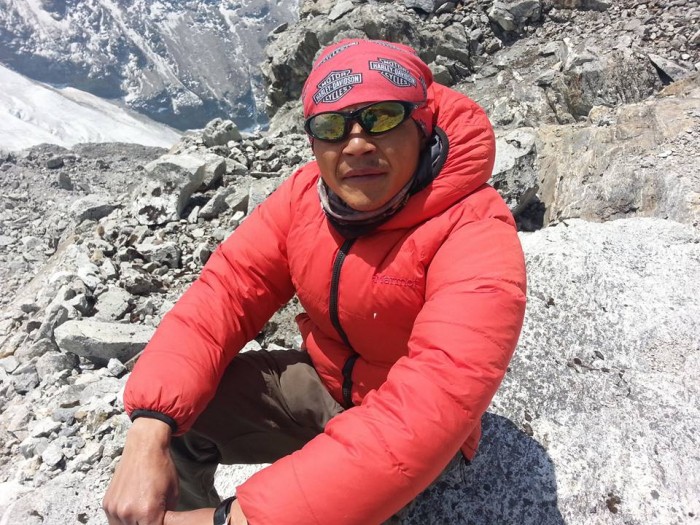
The Everest Botanical Trek is a remarkable journey through the spectacular landscapes of Nepal’s Khumbu region, combining Himalayan scenery, botanical diversity, wildlife, and authentic Sherpa culture. Organized by Himalayan Adventure Intl Treks, this unique trekking experience takes you beyond the traditional idea of mountain trekking and allows you to discover the natural treasures surrounding Mount Everest.
Located within and around Sagarmatha National Park, a UNESCO World Heritage Site, the Everest Botanical Trek follows trails surrounded by rhododendron forests, alpine vegetation, medicinal plants, mountain flowers, dramatic valleys, glaciers, and spectacular Himalayan peaks. Along the route, trekkers can experience the changing vegetation and ecosystems as the elevation increases from the lower valleys toward the high Himalayan landscape.
The journey commonly begins with an exciting flight from Kathmandu to Lukla, followed by trekking through beautiful Sherpa settlements such as Phakding and Namche Bazaar. The trail passes through forests, suspension bridges, rivers, Buddhist monasteries, mani walls, prayer flags, and traditional mountain villages. Depending on the itinerary, the trek can include exploration around Namche, Tengboche, Khumjung, Kunde, Thame, and other fascinating areas of the Everest region.
One of the most fascinating aspects of the Everest Botanical Trek is the dramatic change in vegetation with altitude. The lower sections of the trail are characterized by lush forests and relatively mild mountain conditions. As the trail climbs higher, the vegetation gradually becomes shorter and more adapted to cold, wind, snow, and reduced oxygen.
During spring, rhododendrons add vibrant color to the forests, while pine, fir, birch, juniper, and other Himalayan plants create an impressive natural environment. At higher elevations, trekkers can encounter alpine shrubs, grasses, mosses, lichens, and hardy flowering plants.
This changing vegetation makes the trek particularly interesting for nature lovers, photographers, students, botanists, and travelers who want to understand the relationship between altitude and Himalayan ecosystems.
The region is also known for medicinal and aromatic plants traditionally used by local communities. Sherpa communities have generations of knowledge about the surrounding environment, including plants used in traditional practices, food preparation, and household purposes.
A major part of the Everest Botanical Trek takes place in the spectacular environment of Sagarmatha National Park. The park protects an extraordinary Himalayan ecosystem containing forests, alpine meadows, glaciers, rivers, and high mountain habitats.
The landscape changes significantly as trekkers gain altitude. Lower valleys support forests and diverse plant life, while the upper regions contain sparse alpine vegetation. The park is also home to Himalayan wildlife and numerous bird species.
The natural environment is an important part of the trekking experience, so visitors should follow responsible trekking practices. Avoiding unnecessary disturbance to plants and wildlife, carrying waste back, using designated trails, and respecting local conservation rules help protect this fragile Himalayan environment for future generations.
The Everest Botanical Trek is not only a nature adventure. It is also a cultural journey through the homeland of the Sherpa people.
Villages such as Namche Bazaar, Khumjung, and surrounding settlements provide opportunities to experience traditional mountain life. Buddhist monasteries, prayer flags, mani walls, chortens, and prayer wheels can be found throughout the region.
The sound of Buddhist prayers and the sight of colorful prayer flags create a peaceful atmosphere along the trail. Local communities maintain traditions that have developed over generations in response to the demanding Himalayan environment.
Staying in traditional tea houses also allows trekkers to experience genuine mountain hospitality while enjoying warm meals and comfortable accommodation after a day on the trail.
Although botanical exploration is the central theme, the scenery is equally impressive. The route provides views of some of the world's most famous Himalayan peaks.
Depending on the itinerary and weather, trekkers can admire Mount Everest (8,848.86 m), Ama Dablam, Lhotse, Nuptse, Thamserku, Kongde, and other surrounding peaks.
The contrast between green forests, colorful mountain flowers, traditional villages, enormous mountains, and snow-covered landscapes makes the Everest Botanical Trek particularly rewarding for photographers and nature enthusiasts.
The difficulty of the Everest Botanical Trek depends on the selected itinerary, altitude, walking distance, and individual fitness. Some sections are moderate, while higher trails can become physically demanding because of steep terrain and reduced oxygen.
Proper acclimatization is essential when trekking in the Everest region. A well-designed itinerary allows sufficient time for the body to adapt gradually to increasing altitude. Trekkers should maintain a comfortable pace, stay hydrated, eat properly, and communicate with their guide if they feel unwell.
Himalayan Adventure Intl Treks emphasizes responsible pacing and professional guidance so that guests can enjoy the natural and cultural aspects of the trek without unnecessarily rushing.
The best seasons for the Everest Botanical Trek are generally spring and autumn.
Spring, particularly March to May, is excellent for observing flowering plants and rhododendron forests. The landscape becomes colorful, while mountain views are often spectacular.
Autumn, from September to November, generally provides clear mountain views, pleasant trekking conditions, and stable weather.
Winter can bring colder temperatures and snow at higher elevations, while the summer monsoon season can bring rain, clouds, and slippery trails. However, conditions vary from year to year, and experienced guides can help determine suitable routes and schedules.
Proper preparation is important for a comfortable Himalayan trek. Your packing list should include:
Pack according to the season and itinerary. Avoid carrying unnecessary equipment because a lighter backpack makes long days on the mountain trail much more comfortable.
The Everest region is environmentally sensitive, and responsible tourism is essential. During the Everest Botanical Trek, trekkers should avoid picking wild plants or flowers, disturbing animals, leaving plastic waste, or damaging natural habitats.
Himalayan Adventure Intl Treks encourages travelers to respect local communities, traditions, wildlife, and conservation regulations. Supporting local tea houses, guides, porters, and small businesses also contributes directly to the communities of the Everest region.
The Everest Botanical Trek offers a distinctive way to experience the Himalayas by combining botanical discovery, wildlife, mountain scenery, Sherpa culture, Buddhist heritage, and adventurous trekking.
Instead of simply focusing on reaching a destination, this journey encourages you to appreciate every part of the trail—from colorful rhododendron forests and alpine plants to traditional villages, monasteries, Himalayan wildlife, and spectacular mountain panoramas.
With experienced local guides, carefully planned itineraries, comfortable tea-house accommodation, and a strong focus on responsible trekking, Himalayan Adventure Intl Treks is ready to help you explore the natural and cultural wonders of the Everest region.
Book your Everest Botanical Trek with Himalayan Adventure Intl Treks and discover the extraordinary botanical, cultural, and Himalayan heritage of the Khumbu.
Welcome to Kathmandu! Upon your arrival at Tribhuvan International Airport (TIA), our dedicated Himalayan Adventure Intl Treks staff will warmly receive you. After a brief introduction and the necessary paperwork, we'll transfer you to your hotel. Enjoy the rest of the day at leisure, exploring the vibrant streets of Kathmandu or relaxing in your hotel room. Overnight stay with a bed and breakfast (BB) plan.
