
Have Questions? Talk to Expert (Binod)
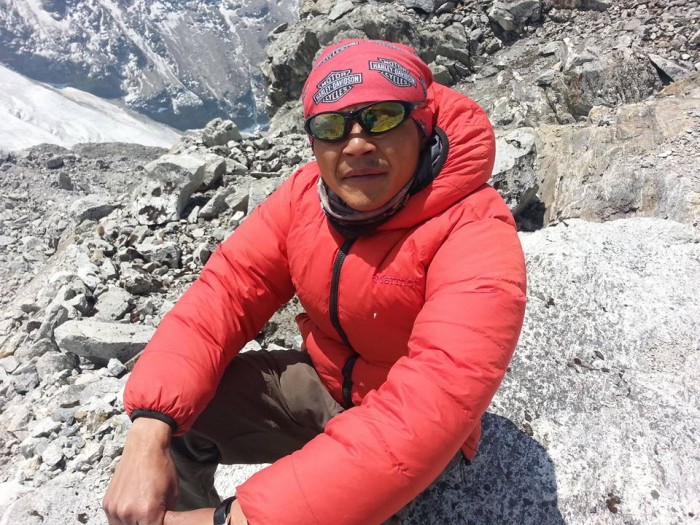
The Kaligandaki Valley Trek is a spectacular Himalayan journey through one of Nepal’s most fascinating mountain corridors. Located between the majestic Annapurna and Dhaulagiri mountain ranges, the trail follows the dramatic Kaligandaki River through landscapes that change from lush subtropical forests and terraced hillsides to dry, high-altitude valleys shaped by the Himalayan rain shadow.
This trek is an excellent choice for travelers who want to experience Nepal beyond the most crowded trekking routes. Along the way, trekkers encounter traditional mountain settlements, ancient monasteries, diverse ethnic communities, spectacular waterfalls, apple orchards, dramatic cliffs, and panoramic views of snow-covered Himalayan peaks.
One of the defining features of the journey is the Kaligandaki Gorge, a remarkable natural corridor carved by the Kaligandaki River between some of the highest mountains on Earth. The valley has historically served as an important route between the southern hills and the Tibetan-influenced highlands of Mustang. As a result, the trek combines extraordinary scenery with a fascinating mixture of Himalayan cultures and traditions.
For travelers looking for a trekking experience that blends mountain adventure, cultural discovery, peaceful villages, and spectacular Himalayan scenery, the Kaligandaki Valley Trek is an outstanding option.
Himalayan Adventure Intl Treks is pleased to welcome bookings for the Kaligandaki Valley Trek throughout the trekking seasons. We organize the trek for solo travelers, couples, families, and groups, with flexible arrangements designed around different travel schedules and budgets.
Our trekking packages can be arranged as private journeys or group-joining adventures. Experienced mountain guides, reliable transportation, carefully planned accommodation, and practical trekking support help make the journey comfortable and enjoyable.
A private itinerary is particularly suitable for travelers who want greater flexibility with walking pace, photography stops, accommodation preferences, and daily schedules. Travelers who prefer a more economical option can join a group departure and enjoy the social atmosphere of trekking with fellow adventurers.
Advance booking is recommended, especially during the popular spring and autumn seasons.
Joining a group is one of the best ways to experience the Kaligandaki Valley Trek at a lower cost while meeting other travelers from different countries and backgrounds.
Himalayan Adventure Intl Treks organizes group departures depending on demand and traveler requirements. Group trekking allows participants to share guide and transportation expenses, making it a practical choice for budget-conscious adventurers.
Group schedules can be coordinated according to the season and availability. If you are traveling alone but would like to join other trekkers, contact our team for the latest available departure arrangements.
A private trek provides greater control over the overall experience. You can travel with your partner, family, friends, or a privately organized group without depending on a larger group’s walking pace.
Couples looking for a quieter Himalayan experience can choose a private trekking package designed specifically for two people.
A private couple trek is ideal for travelers celebrating a special occasion, enjoying a honeymoon adventure, or simply looking for a more personal mountain experience.
Families, friends, and small private groups can also arrange the Kaligandaki Valley Trek.
Private groups benefit from greater flexibility and can coordinate walking times, rest periods, photography stops, and transportation according to their preferences.
Permits and trekking documentation are important parts of preparing for the journey. Depending on the exact route and current regulations, trekkers may require conservation-area and trekking registration permits.
The estimated permit costs provided for this itinerary are:
Permit rules and fees can change, so our team confirms the applicable requirements before departure and assists trekkers with the necessary documentation.
Transportation forms an important part of the itinerary because the trek combines road journeys, mountain flights, and walking sections.
Travelers can reach Pokhara from Kathmandu by tourist bus or flight.
The tourist bus journey offers an opportunity to see Nepal’s changing landscapes, including rivers, hills, villages, farmland, and mountain scenery. A flight is faster and more convenient for travelers with limited time.
For itineraries beginning around Jomsom and the Kali Gandaki region, flights from Pokhara provide a spectacular introduction to the mountains.
Flight schedules are highly dependent on weather conditions, particularly in the mountainous region.
Depending on the itinerary and transportation conditions, travelers may return by road or flight.
Our team can advise you on the most practical transportation option according to the season, weather, road conditions, and available services.
A knowledgeable guide can significantly improve the trekking experience. Local guides understand the trails, mountain environment, villages, culture, weather patterns, and practical challenges of trekking in remote areas.
Estimated daily rates include:
A female guide can be arranged upon request. Many travelers appreciate having a guide who can provide cultural information and practical assistance throughout the journey.
Porters are especially helpful for trekkers carrying larger backpacks. Hiring a porter allows you to walk with a lighter daypack and enjoy the trail more comfortably.
Accommodation along the trekking route generally consists of locally operated teahouses and mountain lodges. Facilities become simpler as you move farther into remote areas, but the hospitality is an important part of the Himalayan experience.
Rooms are generally simple and may include twin beds and basic furnishings. Bathrooms can be shared, particularly in remote settlements.
Food is an essential part of maintaining energy during a high-altitude trek. Typical trekking meals include dal bhat, noodles, rice, soups, potatoes, Tibetan-style bread, momos, pasta, eggs, vegetables, and other locally available dishes.
Dal bhat is particularly popular because it provides carbohydrates, vegetables, and protein and can be replenished in many trekking lodges.
Boiled and filtered water may be available at many lodges. Trekkers should carry a reusable bottle or hydration system and use appropriate water-purification methods when necessary.
Choosing the right season can make a major difference to your Himalayan trekking experience.
Spring is one of the best seasons for trekking in Nepal. Temperatures are generally pleasant, the mountain trails become vibrant with blooming rhododendrons, and visibility is often excellent.
The lower sections of the route can be particularly colorful during this season, while the higher landscapes provide impressive views of snow-covered peaks.
Autumn is traditionally regarded as one of the most favorable trekking seasons. Following the monsoon, the atmosphere is often clear, mountain visibility is excellent, and daytime temperatures are comfortable for walking.
September, October, and November are especially popular among international trekkers.
Winter brings colder temperatures, particularly at higher elevations. Snow and freezing conditions may affect some sections of the route.
However, experienced trekkers who are properly equipped can enjoy peaceful trails, fewer travelers, and beautiful winter landscapes.
The monsoon season is generally less favorable for this trek because of heavy rainfall, slippery trails, cloudy mountain views, and possible transportation disruptions.
Travelers considering a monsoon departure should discuss current trail and road conditions with a local trekking company before confirming their plans.
Altitude is one of the most important considerations on any Himalayan trek. As the Kaligandaki Valley Trek reaches elevations above 4,000 meters, trekkers should understand the risks associated with rapid ascent.
Acute Mountain Sickness (AMS) can affect travelers regardless of age or fitness level. Common symptoms may include headache, tiredness, dizziness, nausea, and difficulty sleeping.
If serious altitude-related symptoms develop, descending to a lower elevation is an important safety measure. Our guides monitor trekkers throughout the journey and can assist with appropriate decisions when necessary.
The following itinerary provides a carefully arranged journey through the Annapurna and Kaligandaki region. Walking hours can vary according to trail conditions, weather, individual fitness, and group pace.
Your Himalayan adventure begins with your arrival at Tribhuvan International Airport in Kathmandu at approximately 1,350 meters.
A representative from Himalayan Adventure Intl Treks welcomes you at the airport and assists with your transfer to the hotel. After check-in, you can rest and recover from your journey.
Depending on your arrival time, our trekking team can provide a briefing about the route, permits, equipment, safety considerations, and upcoming transportation.
Today you travel from Kathmandu to Pokhara, situated at approximately 827 meters.
The journey passes through Nepal’s scenic countryside, following winding mountain roads alongside rivers and green hills. You will see villages, terraced farmland, forests, and rural communities along the way.
Upon reaching Pokhara, you check into your accommodation and have time to relax. The lakeside city is a wonderful place to enjoy an evening before heading deeper into the mountains.
The journey continues toward Ulleri at approximately 1,960 meters. From Ulleri, the trekking section begins.
The trail passes through forested terrain and traditional settlements. The surrounding landscape gradually becomes more mountainous as you climb toward Banthanti.
The walking distance is manageable, allowing trekkers to become accustomed to the changing altitude and terrain.
Today’s trail leads toward Ghorepani, located at approximately 2,850 meters.
The route passes through beautiful rhododendron and mixed forests. During spring, blooming flowers add spectacular color to the trail.
Ghorepani is a famous mountain settlement and an important stop for trekkers visiting Poon Hill. After arriving, you can enjoy the mountain atmosphere and prepare for an early start the following morning.
An early morning hike takes you toward Poon Hill at approximately 3,210 meters, one of the region’s famous viewpoints.
At sunrise, the surrounding Himalayan peaks can glow with golden and pink light. The panoramic scenery may include impressive views toward the Annapurna and Dhaulagiri ranges.
After returning to Ghorepani for breakfast, you continue toward Tatopani at approximately 1,190 meters.
The descent takes you through forests, villages, and changing vegetation. Tatopani is famous for its natural hot springs, providing an excellent opportunity to relax after several days of trekking.
Leaving Tatopani, the trail continues deeper into the mountain environment toward Hum Khola at approximately 2,200 meters.
The landscape becomes increasingly remote, with fewer large settlements and a stronger sense of wilderness.
The trail follows the contours of the valley and passes through forested areas and mountain terrain. Your guide will help maintain a comfortable pace while ensuring adequate rest along the way.
Today’s trek takes you toward Sandhikharka at approximately 3,160 meters.
The walk takes around six hours, depending on the group’s pace and trail conditions. As you gain elevation, the vegetation changes and the surrounding mountains become more prominent.
Sandhikharka provides a peaceful setting for an overnight stay and an important opportunity to rest before continuing toward the higher Annapurna North Base Camp area.
Today is one of the major highlights of the trek.
The trail climbs toward Annapurna North Base Camp at approximately 4,190 meters. The higher elevation brings dramatic changes in the landscape, with rugged mountain terrain, open valleys, and increasingly spectacular views.
The walk takes approximately five hours, although the actual duration can vary according to weather and trail conditions.
Upon reaching base camp, take time to appreciate the extraordinary Himalayan surroundings and the sense of achievement that comes with reaching this remote destination.
Today is dedicated to acclimatization and exploration around Annapurna North Base Camp.
Rather than immediately descending, spending additional time at altitude gives your body an opportunity to adjust to the thinner air.
You can explore the surrounding landscape, photograph the mountains, enjoy the peaceful environment, and learn more about the geography and culture of the region from your guide.
Your guide will recommend appropriate activities according to weather, trail conditions, and your physical condition.
After enjoying the high Himalayan environment, you begin the return journey.
The trail descends toward Hum Khola at approximately 2,200 meters. Descending is generally easier on the lungs, although trekkers should continue walking carefully because downhill sections can place additional strain on the knees.
The changing landscapes provide a different perspective on the route you experienced during the ascent.
Today you leave the trekking trail and travel by road toward Pokhara.
The journey takes approximately six hours, depending on road conditions and traffic. After days in remote mountain surroundings, returning to Pokhara provides an opportunity to enjoy comfortable accommodation, restaurants, and the relaxing atmosphere of the lakeside city.
After breakfast, you travel back from Pokhara to Kathmandu.
The approximately seven-hour road journey provides another opportunity to observe Nepal’s countryside, rivers, hills, and villages.
Once you arrive in Kathmandu, you can relax at your hotel and enjoy a final evening in Nepal.
Your Kaligandaki Valley adventure officially concludes today.
Depending on your flight schedule, our representative can assist with your transfer to Tribhuvan International Airport for your onward journey.
If you have additional time in Nepal, we can also arrange sightseeing, cultural tours, additional trekking, or other adventure activities according to your interests.
Packing correctly is essential for a comfortable and safe Himalayan trek. Your exact equipment requirements depend on the season, itinerary, and personal preferences.
Recommended items include:
A warm sleeping bag suitable for temperatures around -10°C can be useful during colder periods, particularly for higher elevations.
One of the most rewarding aspects of the trek is the opportunity to interact with Himalayan communities.
The wider Kaligandaki region is home to communities including Thakali and Gurung people, among others. Their traditional lifestyles have developed in close connection with the mountains, agriculture, livestock, trade, and tourism.
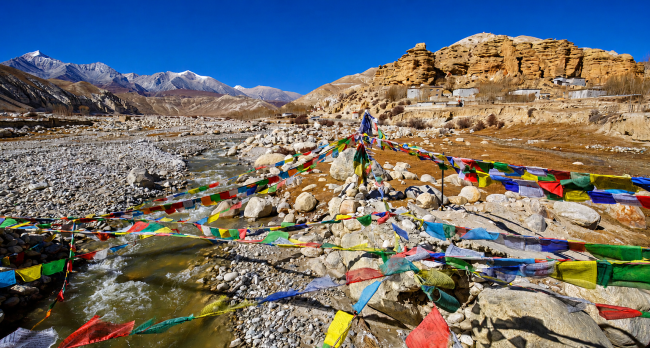
The region also displays strong Tibetan cultural influences, particularly as the valley approaches Mustang and higher Himalayan settlements. Buddhist monasteries, prayer flags, mani walls, traditional houses, and religious practices provide a fascinating cultural dimension to the journey.
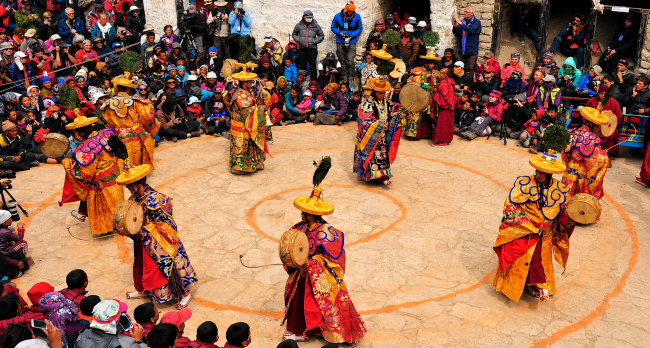
Festivals such as Lhosar and Yartung are important cultural celebrations in parts of the region. Travelers fortunate enough to visit during local festivals may witness traditional music, dances, ceremonies, horse-related activities, and community gatherings.
The valley is also known for its apple-growing areas. Local apple products and traditional Thakali cuisine are popular highlights for visitors.
If you are interested in exploring more of the Annapurna and Mustang region, Himalayan Adventure Intl Treks also offers several challenging and culturally rewarding trekking experiences.
Upper Mustang is famous for its desert-like landscapes, ancient settlements, monasteries, caves, and distinctive Tibetan-influenced culture.
This is a challenging high-altitude adventure combining the spectacular Tilicho Lake region with the demanding Mesokanto La Pass.
The Tiji Festival Trek combines the extraordinary landscapes of Upper Mustang with the colorful cultural experience of the traditional Tiji Festival.
Permit fees and package costs can change according to government regulations, transportation, accommodation, season, and itinerary design.
Choosing the right trekking company can make a significant difference to your Himalayan experience. Himalayan Adventure Intl Treks focuses on providing carefully organized trekking services with experienced local guides and practical support from arrival to departure.
We understand that every traveler has different expectations. Some prefer comfortable private journeys, while others enjoy the energy and affordability of group departures. Our team can customize itineraries according to walking ability, available time, budget, preferred accommodation, and travel interests.
Our services can include airport transfers, accommodation arrangements, transportation, trekking permits, professional guides, porters, meals, and other logistical support depending on the selected package.
We also emphasize responsible trekking practices and encourage visitors to respect local communities, traditions, wildlife, and the fragile Himalayan environment.
The Kaligandaki Valley Trek offers much more than spectacular mountain views. It is a journey through changing landscapes, traditional Himalayan communities, ancient cultural routes, dramatic river valleys, and some of Nepal’s most impressive mountain scenery.
From the lush forests around the lower foothills to the rugged landscapes surrounding the higher valleys, every section of the journey offers something different. Sunrise from Poon Hill, the peaceful environment of the Kaligandaki region, traditional villages, hot springs at Tatopani, and the challenge of reaching Annapurna North Base Camp combine to create a memorable Himalayan adventure.
Whether you are a solo traveler looking for a group departure, a couple seeking a private mountain holiday, or a family or group of friends wanting a customized itinerary, Himalayan Adventure Intl Treks can help organize your journey.
Contact our trekking specialists to discuss your preferred dates, group size, transportation options, trekking style, and budget. We will help you prepare the necessary arrangements and create a practical itinerary for your adventure.
Book your Kaligandaki Valley Trek with Himalayan Adventure Intl Treks and discover the remarkable landscapes, cultures, and Himalayan spirit of the Kaligandaki Valley.
Your Himalayan adventure begins with your arrival in Kathmandu, the vibrant capital city of Nepal and the gateway to the Himalayas. After completing immigration, collecting your luggage, and exiting Tribhuvan International Airport, you will be warmly welcomed by a representative of Himalayan Adventure Intl Treks. Our team will assist you with your transfer to your hotel in the heart of Kathmandu.
The drive from the airport introduces you to the lively character of Nepal, with busy streets, traditional architecture, colorful shops, temples, and everyday local life. Once at the hotel, check in and take some time to rest after your journey.
Depending on your arrival time and energy level, you may explore nearby streets, visit a local market, or simply relax at the hotel. In the evening, your trekking team can provide a briefing about the journey ahead, including the route, trekking conditions, accommodation, meals, equipment, and important safety considerations.
This is also a good opportunity to meet your guide and fellow trekkers and make any final preparations before heading toward the Annapurna region. Enjoy a comfortable overnight stay in Kathmandu and prepare for an unforgettable Himalayan experience.
Overnight: Hotel in Kathmandu
Meals: Welcome dinner
After breakfast, your journey continues westward from Kathmandu toward Pokhara, one of Nepal’s most attractive and peaceful cities. The scenic drive takes you away from the busy capital and into the countryside, where the landscape gradually changes to rolling green hills, terraced fields, traditional villages, and river valleys.
The road follows sections of the Trishuli and other Himalayan river systems, creating beautiful views along the way. You will pass through roadside settlements where local people go about their daily lives, while farmers work on carefully cultivated terraces carved into the hillsides.
Although the journey takes several hours, the constantly changing scenery makes the drive an interesting part of the adventure. Depending on road and traffic conditions, there may be stops along the route for refreshments and rest.
Upon reaching Pokhara, the atmosphere becomes noticeably more relaxed. The city is famous for its tranquil lakes, mountain views, pleasant climate, and spectacular backdrop of the Annapurna range. After checking into your hotel, you can enjoy some free time around Phewa Lake, explore the lakeside area, or simply rest before the trek begins.
Overnight: Hotel in Pokhara
Meals: Breakfast
Today marks the beginning of your trekking adventure. After breakfast, leave Pokhara by road and travel toward Ulleri, following a scenic route through the foothills of the Annapurna region. The drive passes through small settlements, cultivated hillsides, forests, and mountain valleys, offering glimpses of rural life and changing Himalayan landscapes.
After reaching Ulleri, prepare for your first substantial walk. The trail leads through beautiful forested surroundings and along traditional stone-paved paths. Depending on the season, you may encounter blooming rhododendrons, Nepal’s national flower, together with oak and other Himalayan vegetation.
The gradual ascent provides your first true experience of walking through the mountain environment. Along the route, you may encounter local villagers, mule trains, trekkers, and traditional teahouses serving refreshments.
Continue toward Banthanti, a peaceful mountain settlement surrounded by dense woodland. The sounds of birds, flowing streams, and rustling forest create a wonderfully calm atmosphere. After reaching the village, settle into your teahouse and enjoy a warm meal.
Your first trekking day is an opportunity to establish a comfortable walking rhythm while appreciating the natural beauty of the Annapurna foothills.
Overnight: Teahouse in Banthanti
Meals: Breakfast, lunch, and dinner4
Today, the trail takes you deeper into the Annapurna mountain region as you trek from Banthanti toward the famous village of Ghorepani. The route continues through enchanting forests, with sections of the trail shaded by rhododendron, oak, and other native trees.
Spring is particularly beautiful along this section when the rhododendron forests burst into bloom, transforming the hillsides with vibrant natural colors. Throughout the walk, you will encounter mountain streams, stone stairways, forest clearings, and traditional settlements.
As you gain elevation, the vegetation gradually changes and the mountain environment becomes cooler. The trail occasionally opens onto viewpoints where you can appreciate surrounding hills and distant Himalayan peaks.
Ghorepani is an important stop on the classic Annapurna trekking routes and has long welcomed travelers heading toward Poon Hill and the surrounding mountains. Its elevated position offers impressive mountain scenery, particularly during clear weather.
Upon arrival, check into your teahouse and enjoy a well-earned rest. Your guide will also explain the early morning schedule for tomorrow, when you will hike to Poon Hill for one of the most memorable sunrise experiences in the region.
Overnight: Teahouse in Ghorepani
Meals: Breakfast, lunch, and dinner
Wake before dawn today for one of the highlights of the trek. With your headlamp illuminating the trail, hike from Ghorepani toward the renowned Poon Hill viewpoint at 3,210 meters.
As darkness gives way to the first light of morning, the surrounding Himalayan peaks gradually emerge from the shadows. On a clear day, you can see an extraordinary panorama encompassing the Annapurna and Dhaulagiri mountain ranges. Watching the first rays of sunlight illuminate the snow-covered summits is an unforgettable Himalayan experience.
After spending time at the viewpoint taking photographs and enjoying the scenery, return to Ghorepani for breakfast. Once refreshed, begin the long descent toward Tatopani.
The trail passes through forests, villages, cultivated hillsides, and rugged mountain terrain. As you lose altitude, the climate becomes warmer and the vegetation increasingly lush. The changing landscape gives you an interesting perspective on the dramatic variation in Nepal’s mountain environments.
Eventually, arrive at Tatopani, a popular resting point known for its natural hot springs. After checking into your accommodation, you can relax and soothe tired muscles in the warm spring water.
Overnight: Teahouse in Tatopani
Meals: Breakfast, lunch, and dinner
After breakfast, leave the familiar trekking routes around Tatopani and continue toward the more remote section of your Annapurna North Base Camp adventure.
The trail gradually takes you farther from established tourist settlements and into a quieter mountain environment. You will walk through forests, traditional villages, rocky terrain, and secluded valleys where the pace of daily life remains closely connected to the natural surroundings.
The landscape becomes increasingly rugged as you progress. Depending on the season, streams and waterfalls may accompany sections of the trail, while the surrounding hills rise dramatically on either side of the valley.
As you approach Hum Khola, the atmosphere becomes distinctly more remote. This section of the journey provides a sense of exploration that differs from the busier classic Annapurna trails.
Upon reaching Hum Khola, settle into your teahouse or camping accommodation. Your guide and support team will ensure that you have time to rest, enjoy dinner, and prepare for the higher elevations ahead.
The night at Hum Khola is an excellent opportunity to appreciate the quietness of the Himalayan wilderness and the remarkable contrast between the populated lower valleys and the remote landscapes ahead.
Overnight: Teahouse/camp at Hum Khola
Meals: Breakfast, lunch, and dinner
Today, the trek becomes more adventurous as you continue toward Sandhikharka. After breakfast, begin walking through increasingly rugged Himalayan terrain. The route gradually climbs through forests and remote mountain landscapes, requiring steady effort as you gain altitude.
The trail may include uneven sections, rocky paths, natural steps, and forested slopes. Take your time and maintain a comfortable pace, especially as the elevation increases. Your guide will help you choose an appropriate rhythm and provide regular opportunities to rest.
Along the way, the surrounding environment becomes quieter and more dramatic. Far fewer settlements are encountered, allowing you to experience a genuine sense of wilderness. Mountain ridges rise above the valley while forests provide shelter and shade along portions of the route.
After approximately six hours of trekking, arrive at Sandhikharka at around 3,160 meters. This remote location provides a peaceful setting for the evening and an important stopping point before your ascent toward Annapurna North Base Camp.
Enjoy a warm meal and rest well. Staying hydrated and allowing your body to adjust gradually to the increasing elevation are important as you prepare for tomorrow’s journey.
Overnight: Teahouse/camp in Sandhikharka
Meals: Breakfast, lunch, and dinner
Today is a major milestone of your Himalayan adventure as you make your way toward Annapurna North Base Camp. After breakfast, begin trekking through increasingly high-altitude and rugged terrain.
As you climb higher, the landscape gradually changes. Dense vegetation gives way to more open alpine surroundings, while towering mountain walls begin to dominate the horizon. The sense of remoteness becomes stronger with every step.
The approximately five-hour journey requires careful pacing because of the increasing elevation. Walk steadily, drink plenty of water, and take breaks whenever necessary. Your experienced guide will monitor the group and help ensure that everyone progresses safely.
As the trail approaches the base camp area, the surrounding peaks become increasingly impressive. Snow-covered mountains and dramatic rock faces create a magnificent Himalayan setting.
Eventually, you reach Annapurna North Base Camp at approximately 4,190 meters. Arriving here is a rewarding achievement after days of trekking through remote terrain.
Take time to absorb the spectacular surroundings, capture photographs, and appreciate the extraordinary scale of the mountains around you. As evening arrives, enjoy dinner at camp and settle in for a peaceful night beneath the Himalayan sky.
Overnight: Camp at Annapurna North Base Camp
Meals: Breakfast, lunch, and dinner
Today is dedicated to exploration, relaxation, and acclimatization at Annapurna North Base Camp. Rather than immediately descending, you have valuable time to experience the remarkable environment around the camp.
After breakfast, take a short exploration walk with your guide. The exact activity will depend on weather, trail conditions, and group fitness. You can explore nearby viewpoints, photograph the surrounding mountains, or simply spend time appreciating the dramatic alpine landscape.
The base camp provides a spectacular setting, surrounded by massive Himalayan peaks and rugged terrain. The relative solitude makes this an especially rewarding part of the journey for travelers seeking a more remote mountain experience.
The acclimatization day also allows your body additional time to adjust to the elevation before beginning the descent. Keep your activities comfortable, remain well hydrated, and follow your guide’s advice regarding movement and rest.
As the day progresses, enjoy the changing light across the mountains. Sunset can create beautiful colors on the surrounding peaks, while clear evenings may reveal an impressive display of stars.
After dinner, enjoy another peaceful night at base camp and prepare for tomorrow’s descent toward Hum Khola.
Overnight: Camp at Annapurna North Base Camp
Meals: Breakfast, lunch, and dinner
After breakfast, begin your descent from Annapurna North Base Camp toward Hum Khola. Having reached the highest point of your journey, today offers a welcome opportunity to lose elevation and enjoy a more relaxed walking pace.
The trail follows the same general route back through the rugged mountain landscape. However, descending provides a different perspective, with valleys, ridges, forests, and surrounding peaks appearing from new angles.
Take care on steeper and rocky sections, as descending can place additional strain on the knees and legs. Walking steadily and using trekking poles where appropriate can make the journey more comfortable.
As you lose altitude, vegetation becomes increasingly abundant and the air gradually feels warmer. The return to greener landscapes provides a noticeable contrast with the sparse environment around base camp.
Eventually, arrive back at Hum Khola. After several days of demanding trekking, enjoy the opportunity to relax and share stories with your trekking companions and support team.
A warm meal and a comfortable rest will prepare you for tomorrow’s drive toward Pokhara, where you can enjoy the comforts of the lakeside city once again.
Overnight: Teahouse/camp at Hum Khola
Meals: Breakfast, lunch, and dinner
Today marks the conclusion of the remote trekking section of your journey. After breakfast, board your vehicle for the drive toward Pokhara.
The approximately six-hour journey takes you through changing landscapes as you leave the high mountain environment behind. The road passes through rural communities, forested hills, river valleys, agricultural land, and traditional settlements.
After several days surrounded by remote Himalayan wilderness, seeing villages and everyday local life again offers an interesting change of pace. Depending on road conditions, stops may be made along the journey for refreshments and rest.
As you approach Pokhara, the landscape becomes greener and the atmosphere more relaxed. Upon arrival, check into your hotel and take time to refresh after the journey.
The remainder of the day is free for you to enjoy according to your interests. You might stroll beside Phewa Lake, relax at a lakeside café, explore local shops, or simply enjoy the comfort of your hotel.
Tonight provides a chance to celebrate the successful completion of the mountain section of your adventure.
Overnight: Hotel in Pokhara
Meals: Breakfast and lunch
After breakfast, begin the return journey to Kathmandu. The approximately seven-hour drive retraces the scenic route through Nepal’s middle hills and river valleys.
As you travel eastward, enjoy views of terraced farmland, forested slopes, traditional villages, suspension bridges, rivers, and winding mountain roads. The journey provides one final opportunity to observe the diverse landscapes of central Nepal.
Depending on traffic and road conditions, there will be opportunities to stop along the way for refreshments and short breaks. Your trekking memories will likely provide plenty to discuss as you travel back toward the capital.
Upon arrival in Kathmandu, check into your hotel and enjoy some well-earned relaxation. If you have enough time and energy, you can explore the surrounding neighborhood or purchase souvenirs and traditional handicrafts as reminders of your Nepal adventure.
Your final evening in Kathmandu is yours to enjoy. You may choose to have a farewell dinner and reflect on the remarkable journey from the lower hills to Annapurna North Base Camp.
Overnight: Hotel in Kathmandu
Meals: Breakfast and farewell dinner
Your Himalayan adventure officially comes to an end today. Depending on your international flight schedule, enjoy a relaxed morning at the hotel or use your remaining time for last-minute shopping and sightseeing in Kathmandu.
Before departure, make sure you have collected your belongings, travel documents, and souvenirs. Our team at Himalayan Adventure Intl Treks will coordinate your airport transfer according to your flight time.
A representative will meet you at your hotel and accompany you to Tribhuvan International Airport, allowing sufficient time for check-in and other departure procedures.
As you leave Nepal, you will carry memories of scenic Himalayan trails, traditional mountain villages, magnificent snow-covered peaks, peaceful forests, and the rewarding experience of reaching Annapurna North Base Camp.
We sincerely thank you for choosing Himalayan Adventure Intl Treks for your Himalayan journey. We hope your time in Nepal has been inspiring and memorable, and we look forward to welcoming you again for another adventure in the mountains.
Meals: Breakfast
Trip Ends
The Kaligandaki Valley Trek is an extraordinary journey through one of Nepal’s most fascinating Himalayan landscapes. Following the ancient course of the Kaligandaki River, this trek brings together dramatic mountain scenery, centuries-old trading routes, sacred pilgrimage sites, traditional villages, Buddhist monasteries, fertile river valleys, and the striking arid landscapes of the Mustang region.
Organized by Himalayan Adventure Intl Treks, the Kaligandaki Valley Trek is an excellent choice for travelers who want more than spectacular mountain views. The route provides an opportunity to experience the everyday life, culture, spirituality, architecture, food, and traditions of communities living along one of Nepal’s most important Himalayan corridors.
The journey begins in the lower hills, where lush forests, terraced farmland, waterfalls, and rhododendron-covered slopes create a completely different atmosphere from the dry landscapes encountered farther north. As you continue toward the upper Kaligandaki Valley, the scenery gradually changes. Green hills give way to rocky cliffs, barren mountains, windswept valleys, and Tibetan-influenced settlements.
One of the great attractions of this trek is the contrast between the different environments encountered along the trail. Within a single journey, trekkers can walk through subtropical forests, cross suspension bridges, pass waterfalls and agricultural villages, relax in natural hot springs, explore traditional Thakali settlements, and eventually reach the high-altitude pilgrimage destination of Muktinath.
The valley is also famous for Shaligram fossils, sacred ammonite fossils traditionally associated with Lord Vishnu in Hinduism. These fossils are found along the Kaligandaki River and hold enormous religious significance for Hindu pilgrims. At the same time, the region has a strong Buddhist heritage, particularly around Kagbeni, Muktinath, and the villages of Mustang.
With its combination of natural beauty and cultural depth, the Kaligandaki Valley Trek is suitable for travelers looking for a moderate Himalayan adventure without committing to one of Nepal’s most technically demanding high-altitude trekking routes.
The Kaligandaki Valley is one of the most historically important corridors in the Nepal Himalayas. For centuries, the river valley served as a natural passage connecting the southern parts of Nepal with the Tibetan Plateau. Traders, pilgrims, monks, farmers, and travelers have used these routes for generations.
Today, the same landscapes provide an exceptional trekking experience.
The Kaligandaki River flows between the Annapurna and Dhaulagiri mountain ranges, creating a dramatic valley surrounded by some of the highest mountains on Earth. The river is considered sacred, and its banks are particularly renowned for Shaligram fossils.
The trek typically incorporates well-known destinations such as Ghorepani, Poon Hill, Tatopani, Ghasa, Marpha, Jomsom, Kagbeni, and Muktinath. Each location offers a different experience.
Ghorepani is famous for its rhododendron forests and access to Poon Hill. Tatopani is known for its natural hot springs. Marpha is celebrated for its traditional stone-and-whitewashed architecture and apple orchards. Jomsom is a major administrative and transportation center of the Mustang region, while Kagbeni introduces trekkers to an ancient Himalayan settlement with strong Tibetan cultural influences. Muktinath is one of the most important pilgrimage destinations in the Himalayas.
This variety makes the trek particularly attractive for travelers who want to combine mountain scenery, cultural discovery, and moderate trekking.
There are many reasons to choose the Kaligandaki Valley Trek for your Nepal adventure.
The route offers magnificent views of Annapurna, Dhaulagiri, Nilgiri, Tukuche Peak, and surrounding Himalayan summits. The scenery changes constantly as you gain elevation.
The trail passes through communities with long-standing traditions. Gurung and Thakali cultures are particularly prominent along different sections of the journey.
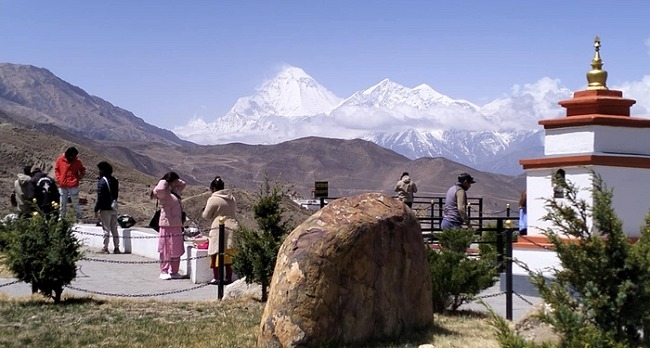
Muktinath is revered by both Hindus and Buddhists. Visiting this sacred destination adds a spiritual dimension to the trek.
The Kaligandaki River is famous for Shaligrams, sacred fossils that are especially important in Hindu tradition.
The trek transitions from green foothills and dense forests to high-altitude valleys and semi-arid Himalayan terrain.
Walking through the valley means following an ancient route that historically connected Nepal with Tibet.
Most of the trail has established villages and teahouses, allowing trekkers to travel without camping and carrying extensive expedition equipment.
Some of the major attractions of the journey include:
The following 13-day itinerary is a popular option for travelers wanting to experience the major attractions of the Kaligandaki corridor. The exact transportation arrangements and walking times can be adjusted according to road conditions, weather, fitness, and individual preferences.
Your Himalayan journey begins with your arrival in Kathmandu, Nepal’s vibrant capital city. A representative from Himalayan Adventure Intl Treks can meet you at the airport and assist with your transfer to the hotel.
After check-in, you can relax after your journey or explore the surrounding area. Depending on your arrival time, our trekking team can organize a briefing covering the itinerary, transportation, packing requirements, permits, safety considerations, and other important preparations.
Overnight in Kathmandu.
After breakfast, travel from Kathmandu toward Pokhara. Depending on your preferred package, this journey can be arranged by tourist vehicle or domestic flight.
The overland journey provides an opportunity to observe Nepal’s changing landscapes, including river valleys, terraced hills, villages, and agricultural communities.
Pokhara is one of Nepal’s most popular tourist destinations and serves as the gateway to several major trekking regions.
Upon arrival, you can explore the lakeside area, enjoy views of the surrounding hills, or prepare for the trek.
Overnight in Pokhara.
Your trekking adventure begins after traveling toward the trailhead. From the lower foothills, the walking route gradually enters traditional villages and cultivated landscapes.
The trail passes through forests, small settlements, streams, and terraced farmland. As you walk farther into the hills, you begin to experience the atmosphere of the Annapurna trekking region.
Tikhedhunga provides a pleasant overnight stop before the following day's ascent toward Ghorepani.
Overnight at a local teahouse.
Today is one of the more active days of the trek. The route climbs through forests and traditional mountain settlements toward Ghorepani.
The landscape becomes increasingly dramatic as the trail gains elevation. During spring, rhododendrons add vibrant colors to the forest, while clear autumn days often provide excellent mountain visibility.
Ghorepani is one of the most popular settlements in the region and an important overnight destination before the early-morning excursion to Poon Hill.
Overnight in Ghorepani.
An early morning walk to Poon Hill provides one of the major highlights of the journey.
From the viewpoint, trekkers can enjoy panoramic Himalayan scenery as the first sunlight reaches the surrounding peaks. On clear mornings, the views may include Dhaulagiri, Annapurna South, Machhapuchhre, Nilgiri, and other prominent mountains.
After returning to Ghorepani for breakfast, continue toward Tatopani.
Tatopani means “hot water” in Nepali and is famous for its natural hot springs. After several days of walking, soaking in the warm water can be a relaxing experience.
Overnight in Tatopani.
Leaving Tatopani, the trail follows the Kali Gandaki corridor toward Ghasa.
The environment begins to change as you move deeper into the valley. Forests, waterfalls, cliffs, and river landscapes create a constantly changing backdrop.
The Kali Gandaki River becomes an increasingly important feature of the route, and the surrounding mountains become more imposing.
Ghasa is a traditional settlement and an important stopping point for trekkers traveling north.
Overnight in Ghasa.
Today you continue north toward Marpha, one of the most attractive villages in the valley.
The scenery gradually becomes drier as you approach the rain-shadow area of the Annapurna and Dhaulagiri ranges. Along the route, you can observe traditional houses, cultivated fields, mountain cliffs, and the powerful river below.
Marpha is famous for its neatly arranged stone-paved lanes, whitewashed houses, apple orchards, and distinctive Thakali culture.
The village is an excellent place to slow down, explore the local streets, and experience Himalayan hospitality.
Overnight in Marpha.
Today's journey takes you farther into the upper Kaligandaki Valley.
The trail passes through Jomsom, an important town and transportation center in the Mustang region. From Jomsom, continue toward Kagbeni.
The surrounding environment is dramatically different from the lush lower valley. Dry hills, rocky cliffs, windswept landscapes, and wide riverbeds dominate the scenery.
Kagbeni is one of the most historically fascinating settlements in the region. Its narrow lanes, traditional buildings, monasteries, prayer flags, and Tibetan-influenced culture create an atmosphere unlike the lower trekking villages.
Overnight in Kagbeni.
Today you head toward the sacred destination of Muktinath.
The trail gradually climbs through the high-altitude landscape, with increasingly impressive views of the surrounding mountains. The architecture and cultural character of the villages become strongly influenced by Tibetan Buddhist traditions.
Muktinath is an important pilgrimage site for both Hindus and Buddhists.
For Hindu pilgrims, the temple complex is associated with Lord Vishnu and liberation. Buddhist traditions also regard the area as spiritually significant.
The combination of natural scenery and religious importance makes Muktinath one of the most memorable destinations on the trek.
Overnight in Muktinath.
After exploring Muktinath, begin the return journey toward Jomsom.
The descent provides opportunities to appreciate the landscape from a different perspective. Depending on the itinerary and transportation arrangements, parts of this section can also be completed by road.
Jomsom offers a convenient overnight stop before the journey back toward Pokhara.
Overnight in Jomsom.
The return to Pokhara can be arranged by domestic flight or road, depending on weather, transportation availability, and the selected package.
The flight option can provide spectacular views of the Himalayan terrain, while the overland journey offers a closer look at the changing landscapes and settlements.
Once you arrive in Pokhara, enjoy a comfortable evening beside Phewa Lake or explore the city's restaurants and markets.
Overnight in Pokhara.
After breakfast, travel back to Kathmandu by road or flight.
Once in Kathmandu, you can spend the remaining time shopping for souvenirs, exploring cultural attractions, or simply relaxing at your hotel.
If you have additional time, Himalayan Adventure Intl Treks can also arrange sightseeing or extra activities according to your interests.
Overnight in Kathmandu.
Your Kaligandaki Valley adventure concludes today.
Depending on your flight schedule, our representative can assist with your transfer to Tribhuvan International Airport.
If you plan to stay longer in Nepal, we can also arrange additional trekking, cultural tours, wildlife experiences, mountain flights, or other Himalayan adventures.
The Kaligandaki Valley Trek is generally considered a moderate trekking adventure, although difficulty varies depending on the itinerary, transportation arrangements, walking hours, altitude, and individual fitness.
Trekkers should be prepared for several hours of walking on consecutive days. The route includes uphill and downhill sections, uneven terrain, stone steps, suspension bridges, and changing weather conditions.
Although Muktinath is not among Nepal's highest trekking destinations, it is located at approximately 3,800 meters, so altitude should still be taken seriously.
Previous trekking experience is helpful but not essential. A reasonably fit first-time trekker can complete the route with appropriate preparation and a sensible pace.
Yes, many beginners can successfully complete this trek.
However, beginner-friendly does not mean effortless. Participants should prepare through regular walking, hiking, stair climbing, or cardiovascular exercise before arriving in Nepal.
The trek can be particularly appealing to:
A customized itinerary can also reduce daily walking distances when necessary.
The total Kaligandaki Valley Trek cost depends on several factors, including group size, accommodation category, transportation, guide and porter services, permits, meals, season, and the level of customization.
For planning purposes, a typical package may fall into the following approximate ranges:
| Trekking Option | Approx. Duration | Estimated Cost |
|---|---|---|
| Group Join Trek | 10–13 days | USD 700–850 |
| Solo/Private Trek | 10–13 days | USD 900–1,100 |
| Couple Trek | 10–13 days | USD 750–950 per person |
| Family Trek | 10–13 days | USD 600–800 per person |
| Premium Private Trek | 10–13 days | USD 1,300–1,800 |
These are planning estimates rather than fixed prices. Transportation arrangements, accommodation standards, seasonal demand, and itinerary changes can affect the final quotation.
Himalayan Adventure Intl Treks can provide a customized quotation based on your preferred dates, group size, transportation, accommodation, and services.
Indian travelers can choose from budget, group, private, family, and customized trekking packages.
A typical package may range around INR 45,000–60,000 per person, depending on the selected services and current transportation and permit requirements.
Vegetarian food is widely available throughout the trekking region, making the route convenient for Indian travelers. Dal bhat, roti, vegetable curry, noodles, momos, thukpa, rice dishes, and other familiar options are generally available in trekking lodges.
Indian nationals should always confirm current permit, entry, transportation, and identification requirements before traveling, as regulations can change.
For Nepali citizens, trekking packages can be significantly more affordable because of differences in transportation, accommodation, and permit requirements.
A customized Nepali package may generally range around NPR 25,000–40,000, depending on the number of days, transportation, accommodation, meals, and guide or porter services.
Nepali travelers can also request shorter versions of the itinerary if they have limited vacation time.
A group joining Kaligandaki Valley Trek is an excellent option for travelers who want to reduce costs while meeting fellow adventurers.
Shared guide services, transportation, and other operational expenses can make group travel more economical than a private trip.
Group sizes can be arranged according to departure availability. Travelers who prefer more flexibility can choose a private trek instead.
Permit requirements depend on the exact route and current government regulations.
For the commonly used Annapurna-side route, trekkers may need the applicable Annapurna Conservation Area Permit (ACAP) and TIMS-related registration or documentation, depending on current rules.
Permit fees and requirements can change, so travelers should not rely on old fixed prices published online.
When you book with Himalayan Adventure Intl Treks, our team can assist with the necessary permit arrangements and explain which documents apply to your specific itinerary.
Hiring a professional guide is strongly recommended for a more comfortable and informative experience.
An experienced guide can assist with:
Porters can also significantly improve the trekking experience by carrying luggage, allowing trekkers to walk with lighter daypacks.
Typical planning rates may be approximately:
| Service | Approx. Daily Rate |
|---|---|
| Trekking Guide | USD 25–30 |
| Porter | USD 20–25 |
| Guide-Porter | USD 28–32 |
Rates can vary depending on experience, season, itinerary, responsibilities, and company policies.
Himalayan Adventure Intl Treks works with experienced local trekking professionals who understand the terrain and communities along the route.
Food is an important part of the Himalayan trekking experience.
Most teahouses offer a variety of meals, with dal bhat being one of the most popular and dependable choices. Other options can include:
As you move into remote areas, food choices may become more limited and prices may increase because supplies have to be transported considerable distances.
Vegetarian travelers generally have plenty of options, and special dietary requirements should be communicated to the trekking company before departure.
Accommodation is generally provided in local teahouses and lodges.
Rooms are usually simple but comfortable, often featuring twin beds and basic furnishings. Bathrooms may be shared, particularly in smaller settlements.
Hot showers may be available for an additional fee in many places, although availability can vary.
Travelers seeking greater comfort can request upgraded accommodation wherever suitable facilities are available.
The best approach is to view teahouse accommodation as part of the Himalayan experience rather than expecting city-hotel facilities in remote mountain villages.
Choosing the right season can make a major difference to your trekking experience.
Spring is one of the most attractive seasons for trekking in Nepal.
The lower hills become colorful with blooming rhododendrons, temperatures are generally pleasant, and mountain views are often excellent.
Spring is especially appealing to photographers and nature lovers.
Autumn is traditionally regarded as one of the best trekking periods.
The monsoon season has usually cleared the atmosphere, producing excellent visibility. Temperatures are generally comfortable for walking, particularly during the daytime.
Because this is a popular trekking period, accommodation and transportation can be busier than during quieter months.
Winter brings colder temperatures, particularly at higher elevations.
Snow and freezing conditions may occur in the upper sections, but winter also provides beautiful mountain scenery and fewer trekkers.
Travelers choosing a winter departure should bring appropriate cold-weather equipment.
The lower sections can experience substantial rainfall, muddy trails, landslides, and transportation disruptions during the monsoon.
However, the upper Mustang side of the broader region lies within a rain-shadow area and can remain comparatively dry.
For this reason, experienced travelers sometimes choose routes toward Mustang during the summer months.
The section between Jomsom and Kagbeni is among the most memorable portions of the trek.
Jomsom is a major settlement in the upper Kali Gandaki region and an important transportation center. From here, the landscape becomes increasingly dry and dramatic.
Strong winds commonly develop in the valley during the afternoon, so trekkers often prefer starting early in the morning.
The journey toward Kagbeni offers views of barren mountains, riverbeds, traditional houses, and striking Himalayan landscapes.
Marpha is one of the most charming villages on the Kaligandaki route.
The settlement is renowned for its clean stone-paved lanes, traditional architecture, apple orchards, and Thakali hospitality.
Walking through Marpha provides an opportunity to observe how Himalayan communities have adapted to challenging mountain environments.
The village is also known for apple-based products and traditional foods.
For many trekkers, spending an evening in Marpha is one of the cultural highlights of the journey.
Kagbeni has a distinctly ancient atmosphere.
Located near the confluence of mountain routes leading toward Muktinath and Upper Mustang, the village historically served as an important trading and cultural point.
Its narrow lanes, old buildings, prayer wheels, monasteries, and dramatic surroundings make it a fascinating destination for photographers and cultural travelers.
Kagbeni is also associated with the spiritual traditions of the upper Kaligandaki region.
Muktinath is one of the principal attractions of the trek.
For Hindus, the site is associated with Lord Vishnu and pilgrimage traditions. Buddhists also consider the area sacred, and the region contains important Buddhist religious sites.
Pilgrims travel to Muktinath from Nepal, India, Tibet, and other parts of the world.
The journey to Muktinath is therefore not simply a trek through beautiful mountains. It can also be a deeply meaningful spiritual experience.
One of the most distinctive features of the Kaligandaki Valley is the presence of Shaligrams.
Shaligrams are fossilized ammonites found in the river system. In Hindu tradition, they are regarded as sacred manifestations associated with Lord Vishnu.
Their religious importance has made the Kaligandaki River a significant pilgrimage destination for generations.
Trekkers should treat the river, fossils, religious sites, monasteries, and local customs with respect.
The Himalayas are environmentally fragile, and responsible tourism is essential.
During the trek, travelers should:
Responsible trekking helps protect the region for future generations while ensuring that local communities benefit from tourism.
A suitable packing list includes:
The exact packing list should be adjusted according to the season.
Although the Kaligandaki Valley Trek is moderate, trekkers should prepare physically.
Walking regularly before the trip can improve endurance. A combination of hiking, stair climbing, walking, and cardiovascular exercise is useful.
At higher elevations, listen to your body and communicate immediately with your guide if you develop symptoms such as persistent headache, unusual fatigue, dizziness, nausea, or breathing difficulty.
A sensible itinerary with gradual elevation gain is one of the best ways to reduce altitude-related problems.
Travel insurance covering trekking activities and emergency evacuation is strongly recommended.
Families can enjoy the trek when the itinerary is designed around the age, fitness, and experience of the participants.
Private family departures allow greater flexibility with walking hours, rest days, accommodation, and transportation.
For families traveling with children or older members, some sections can be shortened by using available road transportation where appropriate.
Himalayan Adventure Intl Treks can design a family-friendly itinerary based on the group's needs.
Solo travelers can enjoy the route with the support of a professional guide and porter.
A private trek provides maximum flexibility and allows the itinerary to be adjusted according to walking speed, weather, fitness, and personal interests.
Solo trekkers can also choose group-joining departures when available if they prefer to share the experience with other travelers.
Choosing the right trekking company can make a significant difference to your Himalayan experience.
Himalayan Adventure Intl Treks specializes in organizing trekking and adventure experiences throughout Nepal.
Our approach focuses on combining professional organization with authentic local experiences.
We understand that every traveler has different expectations. Some guests want an affordable trekking experience, while others prefer private transportation, upgraded accommodation, shorter walking days, or a more comfortable itinerary.
Our team can tailor the journey accordingly.
We believe trekking should benefit both travelers and mountain communities.
By working with local guides, porters, teahouses, transportation providers, and community businesses, we help ensure that tourism income reaches people living in the trekking region.
Our guests are also encouraged to travel respectfully and responsibly.
A trekking journey becomes much more meaningful when travelers take time to understand the communities through which they walk.
A standard itinerary can take around 10–13 days, although the duration can be customized according to transportation, walking pace, and additional sightseeing.
It is generally a moderate trek. The route includes uphill and downhill walking and reaches approximately 3,800 meters at Muktinath.
No. Previous experience is helpful but not essential. Good physical preparation and an appropriate itinerary are important.
Spring and autumn are generally excellent. However, the best month depends on your priorities, weather tolerance, and preferred route.
Yes. Indian travelers are welcome and can arrange private or group trekking packages.
Yes. Nepali citizens can arrange customized and budget-friendly trekking packages.
Yes, but hiring a professional guide is recommended for navigation, logistics, cultural interpretation, and safety.
A porter is not essential for every traveler, but having one allows you to carry a lighter daypack and enjoy the trek more comfortably.
Yes. Vegetarian meals are widely available along the established trekking route.
Yes. Himalayan Adventure Intl Treks can adjust the itinerary based on your available time, fitness level, transportation preference, and desired comfort level.
Yes. Depending on your schedule, the Kaligandaki Valley journey can be combined with Pokhara sightseeing, additional Annapurna trekking, Upper Mustang, Tilicho Lake, or other Nepal experiences.
The Kaligandaki Valley Trek is a journey of remarkable contrasts.
It begins among the green hills and forests of the lower Annapurna region and gradually enters the dramatic landscapes of the upper Kali Gandaki. Along the way, trekkers encounter ancient villages, sacred pilgrimage sites, Buddhist monasteries, traditional Thakali communities, natural hot springs, apple orchards, powerful rivers, and spectacular mountain scenery.
The experience becomes particularly memorable because the valley is not simply a destination for mountain views. It is a living cultural landscape shaped by centuries of trade, religion, agriculture, migration, and Himalayan traditions.
From the sunrise at Poon Hill to the warm springs of Tatopani, the traditional streets of Marpha, the ancient atmosphere of Kagbeni, and the sacred landscape of Muktinath, every stage offers something different.
For travelers searching for an affordable, culturally rich, and moderately challenging Himalayan adventure, the Kaligandaki Valley Trek is an excellent choice.
Whether you are a first-time trekker, solo adventurer, couple, family, Indian traveler, Nepali traveler, or experienced mountain enthusiast, Himalayan Adventure Intl Treks can create a trekking experience around your needs.
Contact our team to discuss your preferred travel dates, group size, budget, transportation, accommodation, and trekking style. We will help you design a memorable journey through the sacred and spectacular Kaligandaki Valley of Nepal.