
Have Questions? Talk to Expert (Binod)
The Short Manaslu Circuit Trek is one of Nepal’s most rewarding Himalayan adventures for trekkers who want to experience dramatic mountain scenery, authentic mountain villages, Tibetan-influenced culture, high-altitude landscapes, and a challenging Himalayan pass within a limited number of trekking days.
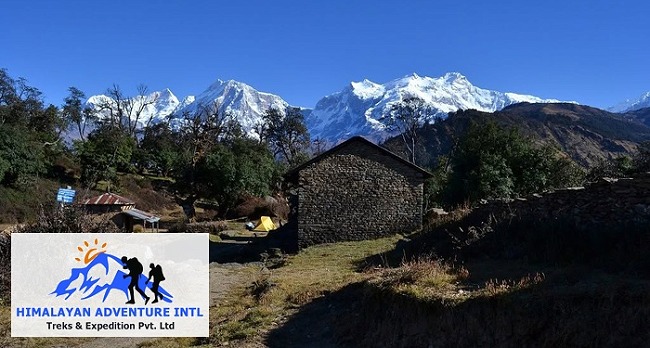
Although Nepal is famous for destinations such as Everest, Annapurna, and Langtang, the Manaslu region has developed into one of the most sought-after trekking areas for travelers searching for a quieter and more authentic Himalayan experience. The trail around Mt. Manaslu (8,163 m) takes you through deep river valleys, subtropical forests, terraced farmland, waterfalls, alpine meadows, glacial landscapes, traditional villages, and remote settlements where ancient Himalayan culture remains an important part of everyday life.
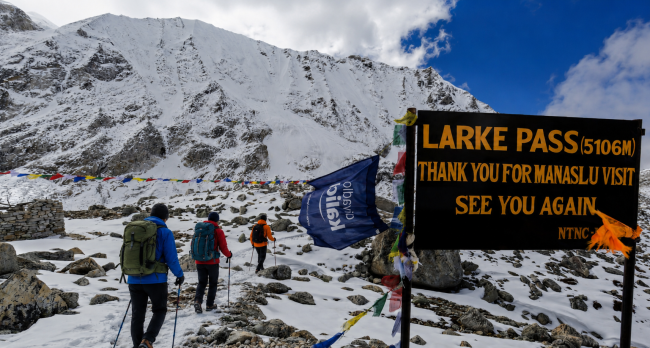
The major attraction of this journey is the spectacular crossing of Larke La Pass, at an elevation of around 5,106 m. From the pass, trekkers can admire an extraordinary panorama of Manaslu, Himlung Himal, Cheo Himal, Kang Guru, Annapurna ranges, and surrounding peaks before descending toward Bimthang and Dharapani.
The Short Manaslu Circuit Trek is designed for travelers who have limited time but do not want to miss the essential highlights of the classic Manaslu Circuit. With careful acclimatization, efficient transportation, experienced guides, and a well-planned itinerary, it is possible to complete the main circuit in approximately 12 days, depending on the selected route and current trail conditions.
Himalayan Adventure Intl Treks organizes the Short Manaslu Circuit Trek with experienced trekking professionals, carefully planned logistics, local knowledge, and personalized support. Whether you are traveling as a couple, a small group, or a larger private team, we can customize the itinerary according to your available time, interests, and trekking ability.
The Manaslu Circuit is special because it combines many different Himalayan experiences in a single journey.
During the trek, the landscape changes dramatically. The lower Budhi Gandaki Valley is surrounded by green forests and terraced hills, while higher sections reveal rocky cliffs, alpine pastures, glaciers, and snow-covered peaks.
You will encounter traditional villages, suspension bridges, waterfalls, Buddhist monasteries, mani walls, prayer flags, cultivated fields, and remote mountain communities. The journey also provides opportunities to observe the gradual transition from Hindu-influenced communities in the lower valleys to Tibetan Buddhist culture at higher elevations.
The Short Manaslu Circuit Trek is particularly attractive to trekkers who want:
The journey is packed with memorable experiences from the first day to the final descent.
The trek circles the world's eighth-highest mountain, Mt. Manaslu. The mountain and its surrounding peaks become increasingly impressive as you move deeper into the Manaslu Conservation Area.
Crossing Larke La is the biggest challenge and one of the greatest achievements of the trek. The long ascent begins before sunrise from the Dharamsala area, and the rewards include spectacular high-altitude scenery.
Samagaon is one of the most important villages on the Manaslu Circuit. Surrounded by enormous Himalayan peaks, it is an ideal place to experience Tibetan Buddhist culture and prepare for the higher section of the trek.
An acclimatization excursion from Samagaon can take you toward Manaslu Base Camp. The route provides magnificent views of glaciers, Birendra Lake, mountain slopes, and the Manaslu massif.
Villages such as Lho, Samagaon, and Samdo provide a fascinating glimpse into the traditional lifestyle and Buddhist culture of the high Himalayas.
After crossing Larke La, the landscape changes dramatically. The descent toward Bimthang reveals forests, glaciers, dramatic mountain walls, and some of the finest scenery of the entire circuit.
Trekking in Manaslu is not only about mountains. It is also about people, culture, food, architecture, traditions, and village life.
Travelers who have an additional day can consider adding a village experience before starting the main trek. Depending on the location and arrangement, this can include visiting a traditional settlement, staying with a local family, observing agricultural activities, tasting local food, and participating in cultural activities.
A village stay is especially valuable for travelers who want to understand how communities in rural Nepal live and adapt to the Himalayan environment.
It can also provide a relaxed beginning to the adventure before entering the more demanding sections of the Manaslu Circuit.
A major part of the Manaslu Circuit lies within the Manaslu Conservation Area, and sections of the route are designated as a restricted trekking area.
Because of its protected status and remote location, trekkers cannot approach the Manaslu Circuit in exactly the same way as unrestricted trekking destinations. A registered trekking agency and a licensed guide are required, and trekkers need the appropriate permits for the route.
International visitors should generally prepare for:
Permit fees can vary according to the season, trekking section, and current government regulations. Himalayan Adventure Intl Treks handles the required permit arrangements as part of the trekking preparation.
Because regulations can change, we recommend confirming the latest permit requirements with your trekking agency before departure.
The Manaslu Circuit is not a trek where professional guidance should be considered optional. The terrain is remote, weather conditions can change rapidly, and the trail reaches more than 5,000 meters.
An experienced guide provides much more than navigation.
Your guide can help with:
At Himalayan Adventure Intl Treks, we focus on providing experienced, licensed trekking guides who understand Himalayan trekking conditions and are familiar with the Manaslu region.
Our aim is to make your trek safer, smoother, and more enjoyable while allowing you to focus on the spectacular environment around you.
For trekkers interested in going beyond the standard route, Kal Tal can be considered as an additional side trip.
Located in a remote mountain environment, the lake provides a peaceful alternative to the more frequently visited sections of the circuit. The journey involves a demanding uphill walk through forest and mountain terrain.
Because this side trip requires additional time and energy, it is better suited to trekkers who have a flexible itinerary and sufficient acclimatization.
Adding Kal Tal can transform a standard Manaslu journey into a more exploratory Himalayan adventure.
Trekkers with additional time may consider an excursion toward the Tibetan border from the Samdo area.
The Samdo region has historically been connected with trans-Himalayan trade routes, and the landscape reflects the close cultural relationship between the communities of northern Nepal and Tibet.
A high-altitude excursion toward the Rui La area can be demanding and weather-dependent. The route reaches approximately 5,000 meters and should only be attempted with proper acclimatization, suitable weather, and an experienced guide.
This excursion is not necessary for completing the Manaslu Circuit, but it can be an excellent addition for experienced trekkers interested in remote Himalayan landscapes and historical trade routes.
Travelers interested in Buddhist culture can add a visit or overnight experience at Serang Gompa, a historic monastery associated with the Tibetan Buddhist traditions of the Manaslu region.
A monastery stay provides a very different experience from staying in a standard tea house. Instead of simply passing through a village, travelers can spend more time observing the peaceful surroundings and learning about Himalayan Buddhist traditions.
Because this requires additional walking and itinerary changes, the Short Manaslu Circuit would need to be extended.
Himalayan Adventure Intl Treks can customize the itinerary for travelers who want to include cultural and spiritual experiences beyond the standard circuit.
Another fascinating side trip is Hinang Gompa, located above the village settlements of the Manaslu region.
The monastery and surrounding landscape offer spectacular views toward Himal Chuli and nearby mountain terrain. The area is particularly appealing to trekkers who enjoy quiet trails, monasteries, mountain photography, and cultural exploration.
A side trip to Hinang Gompa can be incorporated into a customized Manaslu itinerary depending on available time, local conditions, and accommodation arrangements.
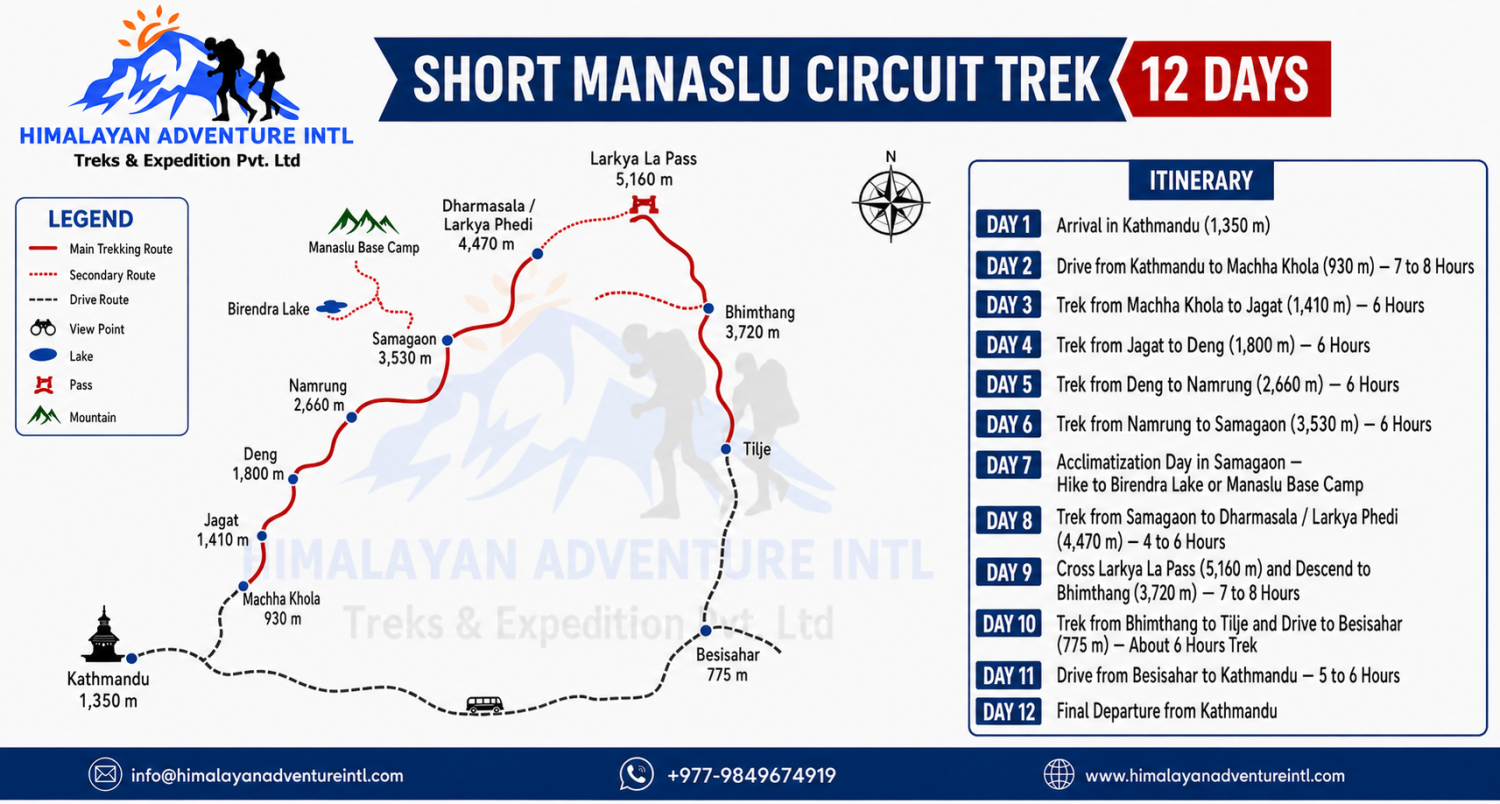
A typical Short Manaslu Circuit itinerary takes around 12 days, including arrival, preparation, trekking, and departure. The exact route may be adjusted according to road conditions, accommodation availability, weather, acclimatization requirements, and group fitness.
Arrive in Kathmandu and meet the Himalayan Adventure Intl Treks team. After airport reception, transfer to your hotel and complete the initial trek briefing.
Use the day to prepare your trekking equipment and complete necessary documentation. Depending on the schedule, you can also enjoy a short sightseeing experience around Kathmandu.
Travel toward Machha Khola, the usual starting point for the modern Manaslu Circuit. The journey passes through hills, rivers, villages, and increasingly rugged terrain.
The trail follows the Budhi Gandaki River through forests, suspension bridges, waterfalls, and narrow valleys before reaching Jagat.
The trail gradually enters a more mountainous environment. You will encounter traditional villages, cultivated terraces, forests, and spectacular river scenery.
The landscape becomes increasingly alpine as you move toward Namrung. Mountain views become more prominent, and Tibetan cultural influences become stronger.
Trek through Lho and surrounding Himalayan settlements toward Samagaon. The views of Manaslu and neighboring peaks become increasingly dramatic.
Spend the day acclimatizing. A hike toward Birendra Lake and, depending on fitness and conditions, Manaslu Base Camp can provide an excellent high-altitude experience.
Continue toward Samdo through an increasingly barren alpine landscape. The surrounding mountains and traditional Tibetan-style settlements create an unforgettable atmosphere.
Trek toward Dharamsala, also known as Larke Phedi. This is a crucial preparation day before crossing Larke La Pass.
Begin early for the major pass-crossing day. Ascend gradually toward Larke La, reach the high point of approximately 5,106 meters, and then descend toward Bimthang.
Descend through forests and mountain landscapes toward Besisahar. From here, transportation can be arranged toward Kathmandu, or another destination according to your travel plan.
Note: Trekking itineraries may change because of road construction, weather, landslides, snowfall, trail conditions, health concerns, or local regulations.
Yes. The Tsum Valley Trek can be combined with the Manaslu Circuit Trek, but it requires several additional days.
Tsum Valley is renowned for its isolated villages, ancient Buddhist monasteries, traditional Tibetan culture, and peaceful mountain environment.
Major attractions include Mu Gompa and Rachen Gompa, along with remote villages such as Chhule and Nile.
If you want to explore both regions, we recommend choosing a longer itinerary rather than trying to squeeze everything into the Short Manaslu Circuit. A combined Manaslu and Tsum Valley adventure can take approximately three weeks or more depending on the route.
Yes, a properly planned hike toward Manaslu Base Camp can be an excellent acclimatization activity.
From Samagaon, trekkers can explore the high-altitude surroundings and return to the village for overnight accommodation. The journey provides an opportunity to gain elevation during the day while sleeping at a lower altitude.
This follows an important acclimatization principle: climb higher during the day and sleep lower whenever practical.
However, every trekker responds differently to altitude. There is no single hike that guarantees protection from altitude sickness. Our guides monitor symptoms and recommend appropriate decisions based on individual conditions.
The Manaslu Circuit does not end entirely within the Manaslu Conservation Area.
After crossing Larke La, the trail descends toward Bimthang and continues toward Dharapani, where the route connects with the Annapurna region.
Therefore, trekkers may need both MCAP and ACAP permits, in addition to the restricted-area permit required for the Manaslu section.
Himalayan Adventure Intl Treks manages the necessary documentation so travelers do not have to navigate the permit process alone.
Standing at Larke La is one of the defining moments of the trek.
The pass provides panoramic views of the surrounding Himalayan wilderness. Depending on weather and visibility, trekkers may see:
The scenery changes throughout the day, and clear morning conditions generally offer the best visibility.
The descent toward Bimthang is equally spectacular, with glaciers, rocky slopes, snow-covered mountains, and deep valleys creating an unforgettable Himalayan panorama.
Machha Khola is approximately 160 kilometers from Kathmandu by road, although the actual journey duration depends heavily on traffic, road conditions, weather, and construction.
The road becomes progressively rougher after leaving the main highways and entering the remote Budhi Gandaki corridor.
Travelers should be prepared for a long and sometimes bumpy journey.
Private Jeep transportation is an excellent option for travelers who prefer greater comfort and flexibility. Shared transportation is generally more economical.
After completing the pass crossing and reaching Dharapani, trekkers can continue by road toward Besisahar.
The road can be rough in sections, particularly during or after periods of heavy rainfall. From Besisahar, travelers can continue toward Kathmandu or Pokhara by road.
If you want additional relaxation after the trek, Himalayan Adventure Intl Treks can also arrange a Pokhara extension, city tour, wildlife experience, or private transportation.
Yes. One of the advantages of the Manaslu Circuit is that it naturally connects with the Annapurna trekking area.
After completing the Manaslu section and reaching Dharapani, trekkers can continue toward Chame and follow the Annapurna Circuit route.
Combining both circuits creates a much longer Himalayan adventure and is ideal for travelers who have several weeks available.
The Short Manaslu Circuit Trek is considered a challenging trek because of its length, rugged terrain, remote environment, and high altitude.
The most demanding section is the crossing of Larke La Pass at approximately 5,106 meters.
You should be prepared for:
Previous high-altitude trekking experience is beneficial but not mandatory for physically fit travelers who prepare properly.
Autumn is one of the most popular trekking seasons. After the monsoon, the atmosphere often becomes clearer, and mountain visibility can be excellent.
October and November are especially popular because of generally stable conditions.
Spring offers comfortable trekking temperatures, longer daylight hours, blooming rhododendrons at lower elevations, and impressive mountain scenery.
March, April, and May are excellent months for trekkers who enjoy a combination of favorable weather and vibrant landscapes.
Winter brings freezing temperatures and significant snowfall at higher elevations. Larke La can become difficult or temporarily impassable.
Winter trekking is possible only when conditions are suitable and should be arranged with an experienced local trekking agency.
Rainfall can make the lower trail muddy and slippery, while landslides and road disruptions can affect transportation.
Nevertheless, some experienced trekkers choose Manaslu during the monsoon because of its quieter trails. Proper preparation and flexible scheduling are essential.
A guide is an essential part of the Manaslu Circuit experience and is required for restricted-area trekking under applicable regulations.
A professional guide assists with navigation, altitude awareness, accommodation, local communication, first aid, and emergency coordination.
Porter service is optional depending on your package and personal preference. Hiring a porter allows you to walk with a lighter daypack and also provides valuable employment to local communities.
Typically, one porter may carry the luggage of two trekkers within an appropriate weight limit.
Tea houses provide a surprisingly wide variety of meals along the Manaslu route.
Common options include:
Our trekking packages can include breakfast, lunch, and dinner during the mountain portion of the journey.
Vegetarian and vegan meals can generally be arranged. Travelers with specific dietary restrictions should inform us before departure.
Drinking water is available along the trekking route, but trekkers should use a reliable purification method.
You can use:
Avoid relying exclusively on untreated natural water sources.
Hot showers may be available at tea houses for an additional fee, especially at lower elevations. Facilities become more limited as you ascend.
Internet access has improved considerably in many trekking areas, although it remains less reliable than in Kathmandu.
Some tea houses provide Wi-Fi for an additional charge. Mobile network coverage also varies significantly according to location and weather.
We recommend informing family members that communication may occasionally be unavailable.
A local SIM card or suitable data package can be useful during the trek.
Most tea houses provide charging facilities, although electricity can become limited at higher elevations.
Solar power and alternative systems are commonly used in remote mountain areas.
Bring:
Keeping your electronics warm can also help preserve battery life in freezing conditions.
Travel insurance is strongly recommended—and should be suitable for high-altitude trekking.
Your policy should ideally cover:
Check the altitude limit and exclusions carefully before purchasing insurance.
Pack light but prepare for both warm and freezing conditions.
The cost of the Short Manaslu Circuit Trek depends on the number of trekkers, season, transportation, accommodation, permit fees, guide and porter arrangements, and additional services.
A typical professionally organized package may fall approximately within the USD 900–1,300 per person range, depending on group size and inclusions.
Larger groups can often receive a lower per-person rate because transportation and guide costs are shared.
A customized private itinerary, additional side trips, private Jeep transportation, upgraded hotels, porter service, or extensions can increase the overall cost.
Before booking, travelers should request a detailed quotation showing exactly what is included and excluded.
Depending on the selected package, Himalayan Adventure Intl Treks can provide:
The exact inclusions depend on the package selected.
Common personal expenses include:
Always check the latest package quotation before making your final booking.
Booking your trek with Himalayan Adventure Intl Treks is straightforward.
You can contact our team through our website, email, or WhatsApp. After confirming your preferred dates, number of trekkers, itinerary, and services, we will provide the necessary booking information.
A deposit may be required to confirm the trip, while the remaining balance can be settled according to the agreed payment schedule.
We recommend booking ahead during spring and autumn because accommodation, transportation, guides, and permits can become busy during peak trekking periods.
Choosing the right trekking company is an important part of a successful Manaslu adventure.
At Himalayan Adventure Intl Treks, we focus on combining professional organization with genuine Himalayan hospitality.
Our trekking team understands the challenges of high-altitude travel and works to maintain safe and practical itineraries.
Local knowledge provides valuable insight into mountain communities, culture, weather, trails, accommodation, and changing conditions.
We aim to provide clear quotations so travelers understand the services they are paying for.
We can customize the Short Manaslu Circuit according to your available time, fitness, interests, and preferred transportation.
Altitude awareness, proper acclimatization, weather monitoring, and emergency planning are essential parts of our trekking approach.
We encourage environmentally responsible trekking and support local communities by using local accommodation, guides, porters, and services whenever possible.
Whether you are traveling alone under the applicable restricted-area arrangements, as a couple, with friends, or as a larger group, our team can help develop a suitable itinerary.
The Short Manaslu Circuit does not have to be the end of your Himalayan journey.
You can extend the adventure with:
Tell our travel planners what kind of experience you want, and we can build a customized Nepal itinerary around your available time.
The Short Manaslu Circuit Trek is an exceptional choice for trekkers who want to explore one of Nepal's most spectacular and culturally fascinating Himalayan regions without committing to an extremely long itinerary.
From the rushing Budhi Gandaki River and lush lower valleys to the Tibetan-style villages of the high Himalayas, every section of the trail reveals something different. The journey becomes increasingly dramatic as you approach Samagaon, Samdo, and Dharamsala before taking on the challenging Larke La Pass at approximately 5,106 meters.
The reward for crossing the pass is enormous: magnificent Himalayan panoramas, glacier-filled valleys, dramatic mountain walls, and the unforgettable descent toward Bimthang and Dharapani.
Beyond the scenery, the Manaslu Circuit offers something equally valuable—the opportunity to connect with remote Himalayan communities and experience traditions that have developed over generations.
If you are looking for an adventure that combines mountains, culture, wilderness, challenge, and authentic Himalayan experiences, the Short Manaslu Circuit Trek deserves a place at the top of your Nepal trekking list.
Himalayan Adventure Intl Treks is ready to organize your journey with experienced guides, carefully planned logistics, appropriate permits, comfortable mountain accommodation, and personalized trekking support.
Contact us today to plan your Short Manaslu Circuit Trek in Nepal and discover the hidden Himalayan world surrounding Mt. Manaslu.
Welcome to Nepal! Today marks the beginning of your exciting Manaslu Circuit Trek with Himalayan Adventure Intl Treks. After your arrival at Tribhuvan International Airport in Kathmandu, our representative will meet you outside the terminal and transfer you comfortably to your hotel. You can relax after your journey and enjoy some free time in Kathmandu.
Kathmandu, situated at an elevation of approximately 1,350 meters, is Nepal’s vibrant capital and a fascinating introduction to the country. The city combines ancient traditions, historic architecture, colorful markets, and modern amenities. Depending on your arrival time, you may take a short walk around the nearby streets or simply rest at the hotel.
Later, your trekking guide will meet you and provide important information about the Manaslu Circuit Trek. This briefing covers the trekking route, daily walking schedule, altitude considerations, weather conditions, permits, equipment, and safety guidelines. You can also check your trekking gear and purchase or rent any equipment you may still need.
The Manaslu region is a restricted trekking area, so the necessary permits and documentation are arranged in advance by our team. Our staff will make sure everything is ready before you begin the journey toward the Himalayas.
In the evening, you may enjoy a traditional Nepali dinner and experience the welcoming atmosphere of Kathmandu. Get a good night's sleep because the adventure toward the remote Manaslu region begins tomorrow.
Accommodation: Hotel in Kathmandu
Meals: Welcome dinner
Altitude: 1,350 m
Activity: Arrival, trek briefing, and preparation
Today, your Manaslu adventure officially begins with a scenic drive from Kathmandu toward Machha Khola. After breakfast, you will leave the capital and travel westward through the changing landscapes of central Nepal.
The journey follows winding mountain roads, passing through busy towns, traditional villages, terraced farmland, green hills, and river valleys. As you move farther from Kathmandu, the surroundings become increasingly rural and peaceful. Along the way, you can enjoy views of hills, forests, waterfalls, and the Budhi Gandaki River.
The road gradually enters the beautiful Gorkha region, which is historically important in Nepal. You will pass through settlements where local people continue their traditional agricultural lifestyle. The drive can be long and, depending on road and weather conditions, somewhat bumpy, but it offers an excellent introduction to the remote landscapes you will explore on foot.
After several hours of travel, you reach Machha Khola, a small settlement beside the Budhi Gandaki River. This village serves as the starting point for the main trekking section of the Manaslu Circuit.
Once you arrive, check into your teahouse and take time to relax. Your guide will make sure you are comfortable and prepared for tomorrow’s first full day of trekking.
Machha Khola has a peaceful riverside atmosphere, and you may spend the evening observing the surrounding hills and enjoying a warm local meal.
Accommodation: Teahouse
Meals: Breakfast, lunch, and dinner
Driving: 7–8 hours
Altitude: 930 m
After breakfast, your first major day of trekking begins. You will follow the Budhi Gandaki River through a spectacular landscape of steep hills, forests, waterfalls, and traditional settlements.
The trail initially passes through narrow paths and riverbank areas before gradually entering a more rugged Himalayan environment. You will cross several suspension bridges and walk through small villages where local residents depend mainly on farming and livestock.
The trail includes some ups and downs, making today an enjoyable but active introduction to the Manaslu region. You may encounter mule trains carrying supplies to higher villages, adding a traditional mountain atmosphere to the journey.
As you continue toward Jagat, the valley becomes narrower and the surrounding cliffs rise dramatically above the river. The sound of flowing water accompanies much of the walk.
Eventually, you reach Jagat, an attractive traditional settlement situated at around 1,410 meters. Jagat is also an important checkpoint for trekkers entering the Manaslu Conservation Area. Your permits and trekking documents may be checked here.
After reaching the village, settle into your teahouse and relax. You can explore the stone-paved paths and observe the traditional architecture of the settlement.
Today is also an important day for gradually adapting to the increasing altitude. Drink plenty of water, eat well, and follow your guide’s recommendations.
Accommodation: Teahouse
Meals: Breakfast, lunch, and dinner
Trekking: About 6 hours
Altitude: 1,410 m
Today’s trek takes you deeper into the remote Manaslu region. After breakfast, you leave Jagat and continue following the Budhi Gandaki Valley toward Deng.
The trail climbs and descends through forests and hillside paths, offering changing views of the surrounding mountains and river gorge. Along the way, you pass through several traditional settlements and cross suspension bridges spanning the Budhi Gandaki River and its tributaries.
The landscape gradually becomes more rugged as you gain elevation. Pine, bamboo, rhododendron, and other vegetation line sections of the trail. Depending on the season, the forest can be especially beautiful, with blooming rhododendrons adding color to the hillsides.
You will pass through villages such as Philim, a larger settlement surrounded by agricultural terraces and forested hills. From here, the trail continues through increasingly narrow sections of the valley.
As you approach Deng, the atmosphere begins to change from the lower subtropical environment toward a cooler Himalayan landscape. You may notice differences in architecture, clothing, agriculture, and local culture.
After approximately six hours of trekking, you arrive at Deng at an elevation of about 1,800 meters. This small mountain settlement provides a peaceful place to spend the night.
Take some time to rest and enjoy the mountain surroundings. Your guide will also discuss the following days, when you will begin gaining altitude more noticeably.
Accommodation: Teahouse
Meals: Breakfast, lunch, and dinner
Trekking: About 6 hours
Altitude: 1,800 m
Today, the Manaslu landscape becomes increasingly dramatic as you continue from Deng to Namrung. After breakfast, you follow the trail along the Budhi Gandaki Valley, crossing forests, bridges, and hillside paths.
The route gradually gains elevation, and the surrounding scenery changes noticeably. Dense forests give way to more open mountain landscapes, while the villages begin to show stronger Tibetan cultural influences.
As you trek higher, you can enjoy impressive views of snow-covered Himalayan peaks appearing between the valleys. The trail passes through several small settlements and traditional cultivated areas.
One of the highlights of this section is the changing cultural atmosphere. Prayer flags, mani walls, stone houses, and Buddhist influences become increasingly common as you move toward the upper Manaslu region.
The trail eventually reaches Namrung, a picturesque village at approximately 2,660 meters. Namrung is one of the most beautiful settlements along the Manaslu Circuit and is surrounded by magnificent mountain scenery.
From Namrung, views of the Manaslu range become more impressive. On clear days, you may see several prominent Himalayan peaks rising above the surrounding valleys.
After reaching the village, check into your teahouse and rest. Because you are now above 2,600 meters, proper hydration and a relaxed pace become increasingly important.
Spend the evening enjoying a warm meal and the peaceful mountain environment. Your guide will monitor your condition and make sure you are ready for tomorrow’s longer high-altitude trek toward Samagaon.
Accommodation: Teahouse
Meals: Breakfast, lunch, and dinner
Trekking: About 6 hours
Altitude: 2,660 m
Today is one of the most scenic days of the Manaslu Circuit Trek. After breakfast, you leave Namrung and continue toward Samagaon, one of the most important villages in the upper Manaslu region.
The trail climbs gradually through alpine forests and open mountain landscapes. As you gain altitude, the views become increasingly spectacular. The massive Manaslu range dominates the horizon, creating an unforgettable backdrop throughout the journey.
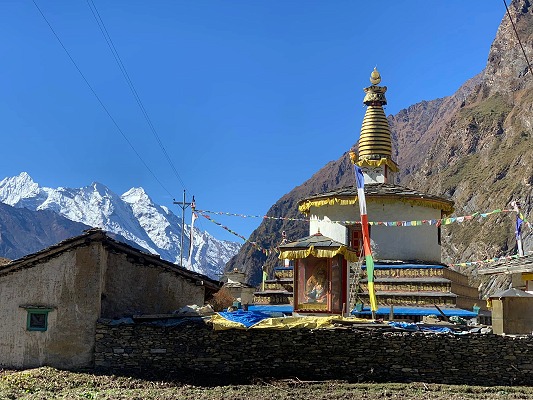
The trail passes through traditional villages such as Lihi, Lho, and other smaller settlements. These communities reflect the strong Tibetan Buddhist heritage of the region. You will see stone houses, prayer flags, mani walls, chortens, and monasteries along the route.
Lho is particularly impressive, with beautiful views toward Manaslu and surrounding peaks. You may take a short break here before continuing toward Samagaon.
As the trail climbs higher, the vegetation becomes thinner and the air noticeably cooler. The landscape opens into broad alpine valleys surrounded by towering Himalayan peaks.
After several hours of walking, you reach Samagaon at approximately 3,530 meters. This traditional mountain village is one of the main settlements of the Manaslu Circuit and an important acclimatization point.
The evening is a perfect time to relax, explore the village, and enjoy views of the surrounding mountains. Since tomorrow is an acclimatization day, you can recover from today’s trek while preparing your body for the higher elevations ahead.
Accommodation: Teahouse
Meals: Breakfast, lunch, and dinner
Trekking: About 6 hours
Altitude: 3,530 m
Today is an important acclimatization day in Samagaon. Rather than remaining inactive throughout the day, you will take a short excursion to help your body adapt to the altitude.
Depending on weather, trail conditions, and your physical condition, your guide may recommend hiking toward Birendra Lake or Manaslu Base Camp.
Birendra Lake is a beautiful glacial lake located beneath the impressive Manaslu mountain range. The hike provides spectacular views and gives you an opportunity to experience the high-altitude environment without moving to a new sleeping elevation.
For stronger trekkers and suitable conditions, the hike toward Manaslu Base Camp can provide an even more dramatic experience. The route offers impressive views of glaciers, rugged mountain slopes, and the towering Manaslu massif.
Your guide will determine the most suitable option based on safety, weather, and your group's condition. The objective is not to complete a difficult hike but to gain elevation during the day and return to Samagaon to sleep.
After returning to the village, you can explore the local monastery, walk around the traditional settlement, or simply relax at the teahouse.
This day is particularly valuable because tomorrow you will trek above 4,000 meters. Staying hydrated, eating nutritious food, and getting sufficient rest are essential.
In the evening, your guide will explain the route to Larkya Phedi and discuss the challenging Larkya La Pass crossing ahead.
Accommodation: Teahouse
Meals: Breakfast, lunch, and dinner
Activity: Acclimatization hike
Altitude: 3,530 m
After breakfast, you leave Samagaon and begin one of the most important stages of the Manaslu Circuit Trek. Today’s destination is Dharmasala, also known as Larkya Phedi, the final overnight stop before crossing the famous Larkya La Pass.
The trail gradually climbs through a remote and increasingly rugged Himalayan landscape. As you leave the larger settlement of Samagaon behind, the surroundings become quieter and more alpine.
You will follow the Budhi Gandaki Valley toward its upper reaches, passing glaciers, rocky slopes, and high mountain terrain. The massive peaks surrounding the trail create an impressive sense of remoteness.
The walking distance today is relatively short compared with earlier trekking days, but the altitude makes the journey physically demanding. At more than 4,000 meters, you should maintain a slow and steady pace.
After several hours, you reach Dharmasala at approximately 4,470 meters. The accommodation here is basic, reflecting the remote high-altitude environment.
This is an important resting point because tomorrow will be the most challenging day of the trek. Your guide will check the weather forecast and explain the early-morning departure schedule.
Try to eat a nutritious dinner and drink enough fluids. Keep your warm clothing, headlamp, water, snacks, and other essentials ready for an early start.
The night at Larkya Phedi can be cold, but the anticipation of crossing Larkya La Pass makes it one of the most memorable nights of the trek.
Accommodation: Teahouse/basic lodge
Meals: Breakfast, lunch, and dinner
Trekking: 4–6 hours
Altitude: 4,470 m
Today is the most challenging and rewarding day of the Manaslu Circuit Trek. You will cross Larkya La Pass at approximately 5,160 meters, the highest point of the trek.
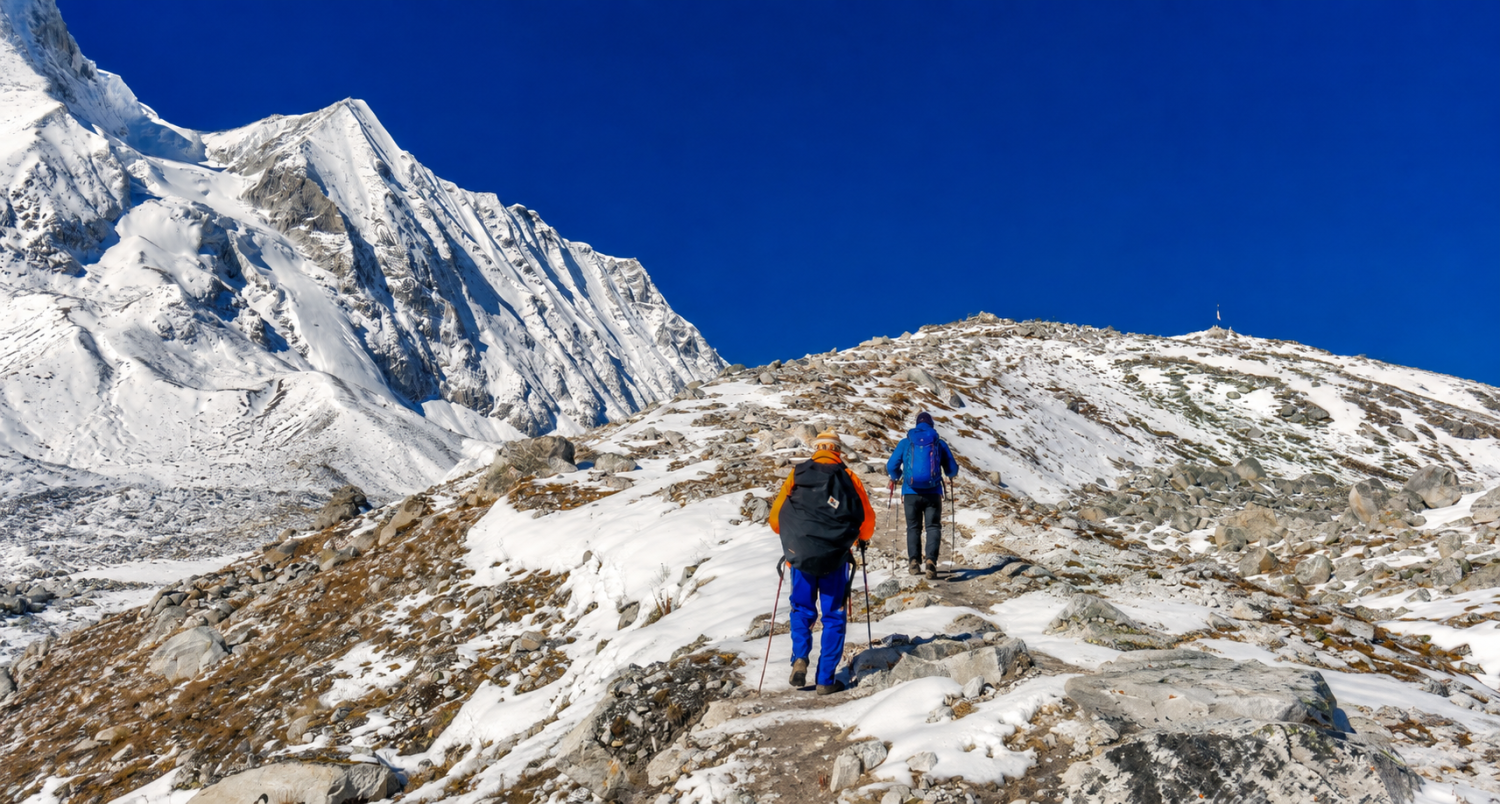
You will begin very early in the morning, usually before sunrise, after a light breakfast. The trail initially climbs gradually over rocky and sometimes snowy terrain. The cold morning air and high altitude require a slow and careful pace.
As you ascend, the landscape becomes increasingly dramatic. Snow-covered peaks, glaciers, frozen slopes, and wide Himalayan valleys surround you.
The final climb to Larkya La can be physically demanding because of the altitude. Your experienced guide will maintain a comfortable pace and provide assistance whenever necessary.
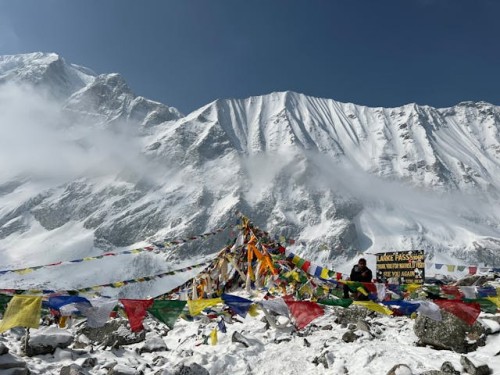
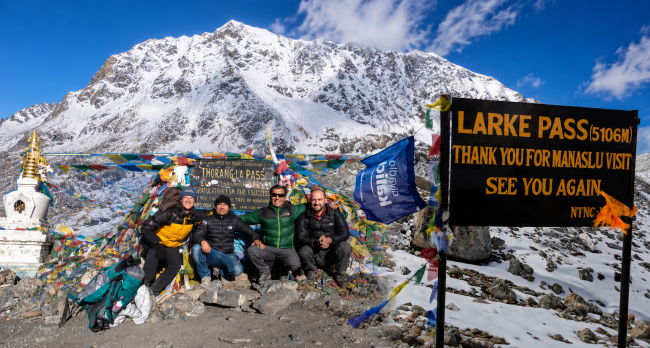
Reaching the top of Larkya La Pass is a major achievement. From the summit, you can enjoy magnificent panoramic views of the surrounding Himalayan ranges. Prayer flags often decorate the pass, creating a memorable scene against the snow-covered mountains.
After celebrating the achievement and taking photographs, you begin the long descent toward Bhimthang. The downhill section can be steep and rocky at first, requiring careful footing.
As you descend, the landscape gradually changes. Snow and barren terrain give way to greener slopes and alpine vegetation.
Eventually, you reach Bhimthang at approximately 3,720 meters. After such a demanding day, arriving at the village provides a tremendous sense of accomplishment.
Enjoy a warm meal and a well-deserved rest. The hardest part of the trek is now behind you.
Accommodation: Teahouse
Meals: Breakfast, lunch, and dinner
Trekking: 7–8 hours
Highest point: Larkya La Pass, 5,160 m
After crossing Larkya La Pass, today begins with a beautiful descent through forests and mountain villages. The trail from Bhimthang to Tilje provides a refreshing change from the high-altitude landscapes of the previous days.
After breakfast, you leave Bhimthang and follow a descending trail through pine and rhododendron forests. The vegetation becomes denser as you lose elevation, and the warmer climate is noticeable.
Along the route, you can enjoy spectacular views of the surrounding mountains while walking through peaceful forested areas. The trail eventually reaches lower-elevation settlements where traditional farming and village life become more prominent.
Continuing toward Tilje, you pass through several small communities and cross streams and bridges. Tilje is a traditional mountain village with stone houses and a pleasant atmosphere.
After completing the trekking section, you will meet the vehicle for the drive toward Besisahar. The road conditions can vary, and the journey may be bumpy in sections, but it offers another opportunity to observe the changing landscapes of the region.
As you travel toward Besisahar, the Himalayan environment gradually transforms into greener hills and river valleys.
Besisahar, situated at approximately 775 meters, is a major gateway town for the Annapurna and Manaslu regions. After reaching the town, check into your accommodation and enjoy a comfortable evening.
You can celebrate the successful completion of the major Manaslu Circuit section with your trekking team.
Accommodation: Hotel/teahouse
Meals: Breakfast, lunch, and dinner
Trekking: About 6 hours
Driving: Depending on road conditions
Altitude: 775 m
Today, you leave the mountain region and return to Kathmandu. After breakfast, your private or tourist vehicle begins the drive along the Prithvi Highway and associated road routes toward the capital.
The journey provides a final opportunity to enjoy Nepal’s beautiful countryside. You will travel through green hills, rivers, terraced fields, villages, and bustling roadside communities.
Compared with the remote mountain trails you have recently experienced, the lower valleys feel much warmer and busier. During the journey, you can reflect on the highlights of your Manaslu Circuit adventure, from the Budhi Gandaki Valley and Tibetan-style villages to the dramatic crossing of Larkya La Pass.
Depending on traffic and road conditions, the drive generally takes around five to six hours, although travel time can vary.
After arriving in Kathmandu, you will be transferred to your hotel. The rest of the day is free for relaxation.
You may choose to explore the city, visit local shops, enjoy a traditional Nepali meal, or simply rest after the long journey.
This evening can also be a wonderful opportunity to celebrate the successful completion of your Manaslu Circuit Trek with your guide and trekking team.
Accommodation: Hotel in Kathmandu
Meals: Breakfast and farewell dinner
Driving: 5–6 hours
Altitude: 1,350 m
Today marks the end of your Manaslu Circuit Trek with Himalayan Adventure Intl Treks. Depending on your flight schedule, our representative will transfer you from your hotel to Tribhuvan International Airport.
Please make sure you have all your personal belongings, travel documents, passport, and other important items before leaving the hotel.
As you travel toward the airport, you will have time to look back on your Himalayan adventure. The trek has taken you through remote villages, dramatic river valleys, beautiful forests, high alpine landscapes, Buddhist communities, and across the spectacular Larkya La Pass.
Our team will assist you with your airport transfer and wish you a safe and pleasant journey home.
We hope the memories of the Manaslu Circuit Trek remain with you for many years. Nepal’s mountains, culture, people, and landscapes will always welcome you back for another Himalayan adventure.
Thank you for choosing Himalayan Adventure Intl Treks. We look forward to welcoming you again for your next trekking, tour, or mountain expedition in Nepal.
Accommodation: Not included
Meals: Breakfast
Activity: Airport transfer and final departure
Altitude: Kathmandu, 1,350 m
The 12 Days Short Manaslu Circuit Trek with Himalayan Adventure Intl Treks is an extraordinary journey around Mount Manaslu, the eighth-highest mountain in the world at 8,163 meters. This spectacular trek combines dramatic Himalayan scenery, remote mountain villages, Tibetan-influenced Buddhist culture, challenging high-altitude trails, and the unforgettable crossing of Larkya La Pass at approximately 5,106 meters.
Unlike Nepal's more crowded Everest and Annapurna trekking routes, the Manaslu region offers a quieter and more authentic Himalayan experience. The trail travels through the beautiful Budhi Gandaki Valley, from warm lower hills and subtropical forests to alpine landscapes, glacial valleys, and high mountain passes.
The 12-day itinerary is designed for trekkers who have limited time but still want to experience the essential highlights of the Manaslu Circuit. The route begins with a scenic drive from Kathmandu to Machha Khola and continues through Jagat, Deng, Namrung, Lho, Samagaun, Samdo, Dharamsala, and across Larkya La before descending to Bhimtang and Dharapani.
Along the way, you will encounter traditional Gurung and Tibetan-influenced communities, ancient Buddhist monasteries, prayer wheels, mani walls, chortens, suspension bridges, waterfalls, forests, and some of the most impressive mountain scenery in central Nepal.
At Himalayan Adventure Intl Treks, we provide flexible trekking services for international travelers, SAARC visitors, families, private groups, and adventure trekkers. You can choose a professional guide, porter, porter-guide, female guide, or language-speaking guide according to your requirements.
The Manaslu Circuit Trek is a high-altitude trekking route that circles Mount Manaslu in the Gorkha region of Nepal. Mount Manaslu stands at 8,163 meters and is one of the world's great Himalayan peaks.
The route follows the Budhi Gandaki River through a remarkable variety of landscapes. At lower elevations, trekkers walk through green forests, terraced farmland, waterfalls, suspension bridges, and traditional villages. As the altitude increases, the scenery changes dramatically into pine forests, alpine meadows, Tibetan-style settlements, rocky mountain valleys, glaciers, and snow-covered peaks.
The cultural experience is equally impressive. Lower sections of the trail are influenced by Gurung and other Himalayan communities, while higher villages have a strong Tibetan Buddhist character. Places such as Lho, Samagaun, and Samdo provide opportunities to see traditional houses, monasteries, prayer flags, mani walls, chortens, and mountain lifestyles that have developed over generations.
The major physical challenge is the crossing of Larkya La Pass. The pass is the highest point of the journey and requires an early start, good fitness, proper acclimatization, and favorable weather.
Because the Manaslu region contains a restricted trekking area, trekkers need special permits and must follow the regulations established by the Government of Nepal. This is one reason why the region has maintained a more remote atmosphere than many other major trekking destinations.
The standard Manaslu Circuit can be extended with additional acclimatization days, side trips, or alternative walking stages. However, trekkers with good fitness and limited time can complete a carefully organized shorter itinerary.
Our 12-day Manaslu Circuit Trek focuses on the major attractions of the route while maintaining an appropriate acclimatization stop at Samagaun.
This trek is especially suitable for travelers who want:
The trek is not simply about reaching a high pass. It is a journey through changing landscapes and cultures. Every day offers a different environment, from river valleys and forests to high mountain settlements and glaciers.
The principal attraction is Mount Manaslu, rising dramatically above the surrounding Mansiri Himal range.
As the trek progresses toward Namrung, Lho, and Samagaun, the mountain views become increasingly impressive. The enormous walls of Manaslu and surrounding peaks create a spectacular Himalayan backdrop.
For photographers, sunrise and sunset around the upper Manaslu villages provide some of the most memorable views of the journey.
Crossing Larkya La is the biggest achievement of the Manaslu Circuit Trek.
At approximately 5,106 meters, the pass connects the Manaslu region with the Marsyangdi Valley. The approach is challenging because of altitude, cold weather, snow, rocky terrain, and the long walking day.
From the pass, trekkers can enjoy dramatic views of Himlung Himal, Cheo Himal, Kang Guru and other Himalayan peaks.
The trail follows the Budhi Gandaki River for much of the journey.
The river creates spectacular gorges, waterfalls, rocky cliffs, forests, and narrow valleys. Suspension bridges add adventure to the lower and middle sections of the trek.
Samagaun is one of the most important villages on the Manaslu Circuit.
Surrounded by dramatic mountains, the village provides a cultural and acclimatization experience. Depending on the group's schedule and weather, trekkers can explore the village, visit monasteries, walk toward Birendra Lake, or take an optional excursion toward Manaslu Base Camp.
Samdo is a traditional high-altitude village near the Tibetan border region.
The stone houses, grazing animals, prayer flags, and mountain surroundings give the village a distinctive Himalayan character. Spending time here provides a deeper understanding of high-altitude life.
The route passes through the Manaslu Conservation Area, which protects important Himalayan ecosystems.
The region contains forests, alpine meadows, mountain habitats, and wildlife. Depending on the season and location, trekkers may see Himalayan birds, marmots, blue sheep, Himalayan tahr, and other wildlife.
Snow leopards also inhabit the wider region, although sightings are extremely rare.
The upper Manaslu region has a strong Tibetan Buddhist influence.
Prayer wheels, mani walls, chortens, monasteries, prayer flags, and traditional Buddhist practices are visible throughout the upper valleys.
Trekking through these communities gives visitors an opportunity to learn about local customs while respecting the spiritual importance of the region.
Altitude: Approximately 850–900 m
Driving Time: 7–9 hours
Distance: Approximately 160 km
Accommodation: Teahouse
Your Manaslu adventure begins with an early morning departure from Kathmandu.
The road travels westward through scenic hills, river valleys, terraced farmland, and small settlements. After passing Dhading Besi and Arughat, the landscape becomes increasingly rugged.
The road follows the Budhi Gandaki Valley toward Soti Khola and eventually Machha Khola.
Machha Khola is a riverside settlement surrounded by green hills. After arriving, you check into a local teahouse and prepare for the first trekking day.
Transportation options: Public bus costs approximately NPR 1,500–2,000 per person. A private jeep costs approximately USD 280 for 5–7 people.
Altitude: Approximately 1,300 m
Walking Time: 6–7 hours
Accommodation: Teahouse
After breakfast, the trek follows the Budhi Gandaki River.
The trail crosses suspension bridges and passes through forests, small settlements, waterfalls, and rocky sections. The landscape gradually changes as you gain altitude.
You eventually reach Jagat, an important settlement and checkpoint along the Manaslu route.
Jagat has traditional stone houses and a distinctive mountain atmosphere. Overnight at a local teahouse.
Altitude: Approximately 1,860 m
Walking Time: 5–7 hours
Accommodation: Teahouse
The trail continues north through the Budhi Gandaki Valley.
You pass through forests and several traditional settlements. The valley becomes narrower and the mountains begin to dominate the landscape.
The trail crosses bridges and follows rocky paths before reaching Deng.
Deng marks another important transition in the Manaslu landscape. Tibetan cultural influence becomes increasingly noticeable as you move farther into the mountains.
Altitude: Approximately 2,660 m
Walking Time: 6–7 hours
Accommodation: Teahouse
Today the landscape becomes more mountainous.
The trail passes through forests, waterfalls, bridges, and traditional settlements. As you climb, views of the surrounding peaks become more impressive.
Namrung is one of the most beautiful villages on the route and is known for its mountain scenery and Tibetan-influenced architecture.
This is an important stage because altitude begins to increase significantly.
Altitude: Approximately 3,180 m
Walking Time: 4–5 hours
Accommodation: Teahouse
The trail continues through forests and alpine landscapes.
Mountain views become more dramatic as you approach Lho. You can see impressive peaks of the Manaslu range, and the traditional village atmosphere becomes increasingly Tibetan.
Lho is home to Buddhist cultural sites and traditional mountain houses. It is an excellent location to relax, photograph the mountains, and experience local culture.
Altitude: Approximately 3,520 m
Walking Time: 5–6 hours
Accommodation: Teahouse
Today is one of the most scenic days of the trek.
The trail continues through alpine landscapes with impressive views of Manaslu. You pass through areas such as Shyala before reaching Samagaun.
Samagaun is one of the most important settlements in the Manaslu region.
The village is surrounded by enormous Himalayan peaks and has a strong Tibetan Buddhist cultural identity.
Altitude: Approximately 3,520 m
Accommodation: Teahouse
Acclimatization is essential before moving toward the higher elevations.
Rather than spending the entire day doing nothing, you can take a gentle hike around Samagaun.
Possible activities include:
The exact activity depends on weather, group fitness, and guide recommendations.
Altitude: Approximately 3,875 m
Walking Time: 4–5 hours
Accommodation: Teahouse
The trail follows the upper Budhi Gandaki Valley toward Samdo.
The vegetation becomes increasingly sparse as you climb. You will see open mountain landscapes, rocky slopes, glaciers, and spectacular views.
Samdo is a traditional high-altitude settlement with stone houses and strong Tibetan cultural connections.
The shorter walking day allows you to rest and prepare for the higher sections.
Altitude: Approximately 4,450–4,480 m
Walking Time: 4–5 hours
Accommodation: Teahouse
Today you enter the highest section of the trek.
The trail climbs gradually through an increasingly barren Himalayan environment.
Dharamsala, also known as Larkya Phedi, is the final overnight stop before crossing Larkya La Pass.
Because the altitude is high, the afternoon should be spent resting, hydrating, checking equipment, and preparing for the following day's early start.
Highest Point: Approximately 5,106 m
Walking Time: 8–10 hours
Accommodation: Teahouse
This is the most challenging and rewarding day of the trek.
You start very early, usually before sunrise, to maximize the chance of favorable weather and sufficient daylight.
The trail climbs gradually toward Larkya La Pass. The higher you climb, the thinner the air becomes. Snow and strong winds may occur depending on the season.
After reaching the pass, take time to celebrate and enjoy the panoramic Himalayan views.
You then begin a long descent toward Bhimtang.
The landscape changes dramatically again, with alpine terrain gradually giving way to forests.
Bhimtang is a beautiful settlement surrounded by mountains and provides a welcome place to rest after the demanding pass-crossing day.
Altitude: Approximately 1,860–1,910 m
Walking Time: 6–8 hours
Accommodation: Teahouse
The descent continues through forests and mountain villages.
The vegetation becomes greener as you lose altitude. You cross through beautiful woodland and follow the trail toward Dharapani.
Dharapani is connected to the Annapurna region and marks the end of the most remote portion of the Manaslu Circuit.
Celebrate the successful completion of the main trekking section with your guide and porter team.
Transportation: Sharing Jeep and Bus
Duration: Approximately 8–12 hours depending on road and connections
After breakfast, you drive from Dharapani toward Besisahar.
A sharing jeep from Tilje/Besisahar section costs approximately USD 25 per person, depending on availability and local transportation conditions.
From Besisahar, continue toward Kathmandu by public bus. The approximate bus cost is USD 10–12 per person.
The journey concludes in Kathmandu after completing your Short Manaslu Circuit adventure.
Because the Manaslu region includes a restricted area, foreign trekkers require a Manaslu Restricted Area Permit (RAP). The permit is arranged through an authorized trekking agency. Current official Nepal Immigration information gives the following seasonal rates:
These rates are for the restricted-area portion and are separate from conservation-area and other applicable local fees.
Permit regulations and fees can change, so Himalayan Adventure Intl Treks confirms the applicable rate before issuing the final booking quotation.
For the permit and local fee structure used in our trekking quotations, the following rates apply:
The final permit calculation depends on nationality, itinerary, season, and the applicable regulations at the time of trekking.
At Himalayan Adventure Intl Treks, we offer several support options depending on your budget and preferred trekking style.
Our standard guide service costs USD 30 per day.
A professional guide can assist with:
Hiring a guide is particularly valuable on a remote high-altitude trek such as Manaslu.
A porter costs approximately USD 20 per day.
A porter helps carry your main trekking luggage, allowing you to walk with a lighter daypack and concentrate on enjoying the trail.
We encourage trekkers to respect porter weight limits and the wellbeing of trekking staff.
A porter-guide costs approximately USD 25 per day.
This option is useful for trekkers who want both basic guiding support and luggage-carrying assistance at a lower cost than hiring a separate guide and porter.
A female trekking guide is available for approximately USD 30 per day.
Female guides can be an excellent option for women travelers, families, private groups, and trekkers who prefer female-led trekking support.
If you require a guide who speaks a specific language in addition to English or Nepali, we can arrange a language-speaking guide.
The approximate rate is USD 50–70 per day, depending on the language, guide availability, and itinerary.
Transportation is an important part of the total trekking budget.
The approximate public bus fare is:
NPR 1,500–2,000 per person
Prices can vary according to transportation conditions, season, vehicle type, and road conditions.
For travelers who prefer greater comfort and flexibility, we can arrange a private jeep.
Approximate cost:
USD 280 per jeep for 5–7 people
A private jeep is particularly convenient for groups because the cost can be divided among passengers.
After completing the trek, travelers normally use a local/shared jeep.
Approximate cost:
USD 25 per person
The public bus from Besisahar to Kathmandu generally costs approximately:
USD 10–12 per person
Road conditions can affect travel time, particularly during the monsoon and periods of road construction.
Accommodation is primarily in locally operated teahouses and mountain lodges.
At lower elevations, rooms are generally simple but comfortable, often with twin beds and shared bathroom facilities.
As you move higher, facilities become more basic.
At Samagaun and Samdo, teahouses provide simple rooms, meals, and common dining areas. At Dharamsala, accommodation is particularly basic because of the remote high-altitude environment.
A warm sleeping bag is strongly recommended, especially for the higher sections.
Hot showers, Wi-Fi, charging, and other services may involve additional fees.
Meals are an important part of trekking in the Himalayas.
Common foods include:
Dal bhat remains one of the most popular choices because it provides carbohydrates, protein, and energy for long trekking days.
At higher elevations, food choices can become more limited due to transportation difficulties.
We recommend eating enough, staying hydrated, and avoiding excessive alcohol during the high-altitude portion.
The Manaslu Circuit Trek is considered a challenging high-altitude trek.
The difficulty comes from several factors rather than simply the number of walking hours.
The trek reaches approximately 5,106 meters at Larkya La Pass.
At these elevations, the body receives less oxygen, making physical activity more demanding.
Several days involve approximately 6–8 hours of walking. The Larkya La crossing can take 8–10 hours depending on weather, trail conditions, fitness, and group pace.
The trail includes rocky paths, steep climbs, descents, suspension bridges, uneven ground, and sometimes snow.
Facilities are limited compared with city areas. Travelers should be comfortable with basic accommodation and changing conditions.
Cold, snow, rain, wind, and rapidly changing mountain weather can affect the trekking experience.
Good physical preparation and a sensible pace are essential.
Altitude is one of the most important considerations on the Manaslu Circuit.
The itinerary includes an acclimatization day at Samagaun before moving toward Samdo and Dharamsala.
Trekkers should:
Possible symptoms of altitude sickness include headache, nausea, dizziness, unusual tiredness, and loss of appetite.
Severe symptoms require immediate attention and descent.
Our guides monitor the group throughout the trek and can recommend changes to the itinerary when necessary.
The two principal trekking seasons are spring and autumn.
Spring offers generally favorable trekking conditions.
March can still be cold at high elevations, while April and May usually provide warmer conditions.
Rhododendron forests can also be particularly attractive during spring.
Autumn is one of the most popular seasons for the Manaslu Circuit.
After the monsoon, the air is often clearer and mountain visibility can be excellent.
October is particularly popular because of stable weather and impressive Himalayan views.
Winter brings cold temperatures and increased snowfall at high elevations.
The Larkya La crossing can become more difficult, and high-altitude accommodation may have limited services.
Experienced winter trekkers may consider this season with appropriate planning and current trail conditions.
The lower Manaslu region receives significant rainfall during the monsoon.
Road conditions can be difficult, trails may become muddy, and landslides can occur.
For most international trekkers, spring and autumn are preferable.
April and October are especially attractive months for the Manaslu Circuit.
In April, the weather is generally comfortable for trekking, forests become colorful, and mountain views can be excellent.
October follows the monsoon period and often provides dry trails and clear Himalayan visibility.
Both months are suitable for trekkers looking for a combination of good weather, mountain scenery, and favorable trail conditions.
A suitable packing list is essential for a successful trek.
Pack according to the season and your personal requirements.
The Manaslu restricted area does not permit independent solo trekking. Foreign trekkers must follow the applicable restricted-area regulations and obtain permits through an authorized trekking agency. Nepal's Department of Immigration specifically states that individual restricted-area trekking permits are not issued and that solo trekking is not permitted in these areas.
Himalayan Adventure Intl Treks can organize a private trek for two or more trekkers with a licensed guide and the necessary permits.
For travelers seeking more independence while keeping costs manageable, the porter-guide option can also be considered.
Travelers staying in Pokhara can also arrange transportation toward the Manaslu region.
However, Kathmandu is generally the more convenient starting point for a Manaslu Circuit itinerary because permit arrangements, guides, equipment, and transportation can be organized together in Kathmandu.
If you are already in Pokhara, Himalayan Adventure Intl Treks can customize transportation arrangements according to your schedule.
The Manaslu region is an excellent destination for travelers from India and other SAARC countries.
SAARC travelers may benefit from different permit and local fee structures compared with foreign tourists.
For example, the rates used in our current quotation structure include:
The applicable Manaslu Restricted Area Permit should always be confirmed according to the traveler's nationality, trekking dates, and current government regulations.
Both Manaslu and Everest Base Camp offer exceptional Himalayan experiences, but they are quite different.
Manaslu is ideal for travelers seeking:
Everest Base Camp is better suited to travelers whose primary goal is to visit the world's highest mountain and experience the famous Khumbu region.
Manaslu provides a broader journey through changing landscapes and cultures, while Everest offers a stronger focus on Mount Everest and Sherpa heritage.
A typical trekking day begins early.
You usually wake around 6:00–7:00 AM and have breakfast before beginning the day's walk.
The walking schedule depends on the destination and weather. Most trekking days involve several hours of walking with regular breaks.
Lunch is normally served at a local teahouse along the route.
After reaching the destination, you check into the teahouse and have time to rest, explore the village, or photograph the surrounding mountains.
Dinner is generally served in the early evening.
At higher elevations, an early bedtime is recommended because the next day may involve another long trekking stage.
The rhythm of walking, eating, resting, and exploring creates the unique atmosphere of Himalayan trekking.
At Himalayan Adventure Intl Treks, we focus on creating safe, flexible, and authentic Himalayan experiences.
Our Manaslu trekking service includes professional local support and customizable options.
Our guides understand the Manaslu trail, local culture, mountain conditions, and trekking logistics.
Choose from:
We can arrange public transportation for budget-conscious trekkers or private jeeps for travelers seeking greater comfort.
Our team handles the necessary restricted-area and conservation permits and advises travelers about current regulations.
We work with local communities and understand the importance of responsible tourism in the Manaslu region.
If 12 days is too short or you want additional acclimatization or side trips, we can extend the itinerary.
The total cost depends on several factors, including group size, accommodation preferences, transportation, guide/porter arrangements, permit fees, and personal expenses.
For travelers arranging services individually, the main service rates are:
| Service | Approximate Cost |
|---|---|
| Trekking Guide | USD 30/day |
| Porter | USD 20/day |
| Porter-Guide | USD 25/day |
| Female Guide | USD 30/day |
| Language-Speaking Guide | USD 50–70/day |
| Kathmandu–Machha Khola Public Bus | NPR 1,500–2,000/person |
| Private Jeep, 5–7 people | USD 280/jeep |
| Tilje–Besisahar Sharing Jeep | USD 25/person |
| Besisahar–Kathmandu Bus | USD 10–12/person |
| MCAP – Foreign Tourist | NPR 3,000 |
| MCAP – SAARC Tourist | NPR 1,000 |
| ACAP – Foreign Tourist | NPR 3,000 |
| ACAP – SAARC Tourist | NPR 1,000 |
| Tsum Nubri Municipal Fee | NPR 1,500/person |
The Manaslu Restricted Area Permit is seasonal: USD 100/week plus USD 15/day beyond one week from September to November, and USD 75/week plus USD 10/day beyond one week from December to August, according to current Nepal Immigration information.
A complete package quotation can be prepared according to your group size and preferred services.
A full package can be customized to include:
Typical exclusions may include:
A detailed inclusion and exclusion list will be provided with your final quotation.
The Manaslu region is environmentally and culturally sensitive.
Trekkers should help protect this special area by:
Responsible trekking helps ensure that future generations can continue to enjoy the Manaslu Himalayas.
The 12 Days Short Manaslu Circuit Trek is much more than a mountain hike. It is an adventure through one of Nepal's most remarkable Himalayan landscapes.
From the flowing Budhi Gandaki River and lush forests to the Tibetan-influenced villages of Samagaun and Samdo, every section of the journey offers something different.
The dramatic views of Mount Manaslu provide the backdrop, while the people, monasteries, traditional villages, wildlife, forests, and high mountain landscapes create the character of the trek.
The ultimate challenge is crossing Larkya La Pass at approximately 5,106 meters. Reaching the top after a demanding climb is an achievement that remains one of the defining memories of the Manaslu Circuit.
With Himalayan Adventure Intl Treks, you can choose the level of support that best fits your travel style. Hire a professional guide for USD 30 per day, a porter for USD 20 per day, a porter-guide for USD 25 per day, a female guide for USD 30 per day, or a specialized language-speaking guide for USD 50–70 per day.
We can also arrange public buses or private jeeps, organize the required permits, and customize the trek according to your group size, budget, and available time.
If you are looking for a Himalayan journey that combines adventure, culture, wilderness, high-altitude trekking, and authentic local experiences, the Short Manaslu Circuit Trek is an excellent choice.
Contact Himalayan Adventure Intl Treks to plan your 12-day Manaslu Circuit Trek and begin your journey around one of the world's most spectacular 8,000-meter peaks.
The Manaslu Circuit Trek is a high-altitude trekking route around Mount Manaslu, the world's eighth-highest mountain at 8,163 meters. The route passes through remote villages, Buddhist cultural areas, forests, alpine landscapes, and Larkya La Pass.
Our short itinerary takes 12 days, including transportation from Kathmandu to Machha Khola and the return journey after reaching Dharapani.
The highest point is Larkya La Pass, approximately 5,106 meters above sea level.
Yes. It is considered a challenging high-altitude trek because of long walking days, rugged terrain, altitude, and the Larkya La Pass crossing.
Yes. Because the Manaslu region is restricted, trekking arrangements must comply with government regulations. A licensed guide and authorized trekking agency are required for the restricted area.
Our standard trekking guide costs approximately USD 30 per day.
A porter costs approximately USD 20 per day.
Our porter-guide service costs approximately USD 25 per day.
Yes. A female guide is available at approximately USD 30 per day, subject to availability.
Yes. Language-speaking guides can generally be arranged for approximately USD 50–70 per day, depending on the language.
From September to November, the current official fee is USD 100 for the first seven days and USD 15 per additional day. From December to August, it is USD 75 for the first seven days and USD 10 per additional day.
Our current quotation structure lists MCAP at NPR 3,000 for foreign tourists and NPR 1,000 for SAARC tourists.
Our current quotation structure lists ACAP at NPR 3,000 for foreign tourists and NPR 1,000 for SAARC tourists.
The local Tsum Nubri Rural Municipality fee is approximately NPR 1,500 per person under the stated fee structure.
The public bus generally costs approximately NPR 1,500–2,000 per person.
A private jeep costs approximately USD 280 for 5–7 passengers.
The approximate sharing jeep fare is USD 25 per person.
The approximate public bus fare is USD 10–12 per person.
April and October are among the most favorable months because of generally stable weather, good visibility, and pleasant trekking conditions.
Winter trekking is possible in suitable conditions, but the high pass can become more challenging because of snow, freezing temperatures, and changing weather.
June to August is generally less favorable because of rain, muddy trails, landslides, road problems, and reduced mountain visibility.
Yes. Our 12-day itinerary includes an acclimatization day at Samagaun before continuing toward the higher elevations.
Yes. An optional side trip toward Manaslu Base Camp can be arranged depending on the group's fitness, weather, available time, and itinerary.
Yes. Birendra Lake is one of the popular side excursions from Samagaun.
The trek uses locally operated teahouses and lodges. Facilities become increasingly basic at higher elevations.
Dal bhat, noodles, pasta, momos, soup, potatoes, eggs, Tibetan bread, porridge, tsampa, tea, and other basic meals are commonly available.
Yes. Comprehensive travel insurance covering high-altitude trekking and emergency evacuation is strongly recommended.
Helicopter rescue may be possible depending on weather, location, insurance authorization, and operational conditions. Trekkers should have appropriate insurance coverage.
You should have good cardiovascular fitness, leg strength, stamina, and the ability to walk approximately 5–8 hours on trekking days.
Previous high-altitude trekking experience is helpful but not always mandatory. Good physical preparation and proper acclimatization are essential.
Temperatures can fall below freezing, particularly in the early morning and during poor weather. Warm layers, gloves, a hat, and a suitable sleeping bag are essential.
Wi-Fi may be available in some teahouses, but connections become less reliable at higher elevations. Do not depend on internet access throughout the trek.
Coverage varies considerably. Some villages have mobile service, while remote sections may have weak or no connectivity.
Charging facilities are available in some teahouses, usually for an additional fee. A power bank is recommended.
Yes. Himalayan Adventure Intl Treks can organize private Manaslu Circuit trips for your own group.
Fit beginners may be able to complete the trek with proper preparation and professional support, but the route is challenging and should not be underestimated.
Manaslu offers a quieter, more remote circuit with Tibetan-influenced culture and Larkya La Pass, while Everest Base Camp is more established and focuses primarily on the Everest region and Sherpa culture.
Himalayan Adventure Intl Treks provides experienced local guides, porters, flexible transportation, permit assistance, customized itineraries, and local knowledge to help you experience the Manaslu region safely and comfortably.