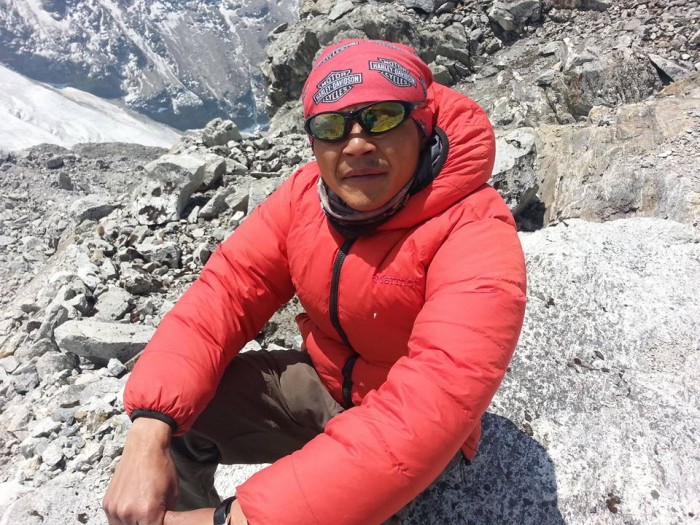
Have Questions? Talk to Expert (Binod)

The Lower Dolpa Circuit Monsoon Trek in Nepal is one of the most fascinating wilderness journeys in the Himalayas, combining high mountain passes, ancient Himalayan culture, turquoise Phoksundo Lake, remote villages, dramatic valleys, Buddhist and Bon traditions, and the extraordinary landscapes of western Nepal.
Unlike many popular trekking regions of Nepal, Dolpa lies partly within the Himalayan rain-shadow. This makes the region particularly attractive during the monsoon months of June to August, when many other trekking destinations receive heavy rainfall. Dolpo can remain comparatively dry, although the lower approach routes and domestic flights can still be affected by monsoon weather.
The Lower Dolpa Circuit is a remote and physically demanding camping trek. Trekkers cross high mountain terrain including Numa La and Baga La, reach elevations above 5,000 meters, walk through the legendary Tarap Valley, visit the beautiful Phoksundo region, and experience a part of Nepal where traditional lifestyles remain remarkably strong.
With Himalayan Adventure Intl Treks, travelers can arrange the necessary permits, transportation, guides, porters, camping logistics, domestic flights, trekking staff, and other essential services for a safe and organized journey.
Lower Dolpa is located in the Dolpa District of western Nepal and is closely associated with the spectacular Shey Phoksundo National Park. The region is famous for its remote valleys, high passes, barren mountain slopes, pine and juniper forests, traditional settlements, Buddhist monasteries, Bon traditions, and the spectacular blue waters of Phoksundo Lake.
The trek begins with the journey from Kathmandu to Nepalgunj, followed by a flight toward Juphal, the principal air gateway to Dolpa. From Juphal, the trail continues toward Dunai and into increasingly remote mountain landscapes.
The classic circuit passes through:
Kathmandu → Nepalgunj → Juphal → Dunai → Tarakot → Laini Odar → Nawarpani → Dho Tarap → Numa La Base Camp → Pelung Tang → Baga La → Dajok Tang → Ringmo/Phoksundo → Chhepka → Jharana Hotel/nearby → Juphal → Nepalgunj → Kathmandu
The journey is not simply a trek. It is an opportunity to experience a Himalayan region where geography, religion, culture, wildlife, and traditional livelihoods are closely connected.
Lower Dolpa is ideal for travelers looking beyond Nepal's crowded trekking routes. There are no continuous chains of commercial teahouses like those found on the Everest or Annapurna trails. Instead, this is primarily a fully organized camping trek, requiring careful planning of food, tents, staff, equipment, transportation, permits, and logistics.
The remoteness is one of its greatest attractions.
Trekkers can enjoy:
The route also offers an exceptional contrast of landscapes. Lower valleys may contain forests and rivers, while higher elevations become increasingly dry, rocky, and Tibetan in character.
Dolpa is one of Nepal's most isolated Himalayan regions. The long journey required to reach the trailhead has helped preserve its traditional atmosphere.
Dho Tarap is one of the most culturally fascinating settlements in Dolpa. Surrounded by dramatic mountains, the valley has long been associated with trans-Himalayan trade, agriculture, animal husbandry, Tibetan Buddhist traditions, and Bon beliefs.
The crossing of Numa La, approximately 5,170 meters, is one of the major challenges of the circuit. The pass provides an extraordinary high-mountain experience and requires good acclimatization and appropriate preparation.
The route continues toward Baga La, another major high pass of approximately 5,170 meters. Crossing the high passes is physically demanding but provides some of the most memorable views of the trek.
Phoksundo Lake is the spectacular centerpiece of the Lower Dolpa region. Its striking blue-green water contrasts dramatically with the surrounding cliffs and mountains.
Near Phoksundo Lake, Ringmo provides an opportunity to see traditional Himalayan architecture, cultivated fields, mani walls, chortens, and religious traditions.
The trekking route passes through one of Nepal's most important protected areas. The park is known for diverse Himalayan ecosystems and species such as blue sheep, Himalayan tahr, musk deer, Himalayan monal, and the elusive snow leopard.
Lower Dolpa is especially suitable for travelers who want a genuine wilderness camping experience. Our team organizes the camping infrastructure required for the journey.
Dolpa has a long history shaped by geography, trade, religion, and migration across the Himalayas. The region historically formed part of a wider cultural and trading network linking the Himalayan valleys with Tibet and the lower regions of Nepal.
For centuries, people in Dolpa adapted their lives to a difficult environment. The short agricultural season encouraged communities to combine farming with livestock herding, seasonal movement, trade, and the collection of local resources.
The region's geographical isolation also allowed traditional customs and religious practices to survive for generations.
Dolpa became internationally recognized beyond Nepal after the publication and filming associated with the famous book and film “Himalaya: The Caravan”, which helped introduce the landscapes and traditional lifestyle of the region to a wider audience.
Today, conservation and carefully managed tourism are important parts of Dolpa's future. Shey Phoksundo National Park protects a large area of exceptional ecological and cultural importance.
Dolpo culture has strong Tibetan-Himalayan influences. Local communities have traditionally depended on agriculture, animal husbandry, seasonal movement, and trade.
Barley, buckwheat, potatoes, and other hardy crops are important in high-altitude settlements. Yaks, sheep, goats, and other livestock have historically been essential to household economies.
Traditional houses are adapted to the cold mountain environment, while stone walls, prayer flags, mani stones, chortens, and monasteries provide evidence of the region's deep religious heritage.
Visitors should remember that Dolpa is not simply a tourism destination. It is a living cultural landscape. Respect for local customs, religious sites, photography practices, private homes, and community traditions is essential.
Religion is an important part of everyday life in Dolpa.
Tibetan Buddhism is widely practiced, particularly in villages influenced by Tibetan culture. Monasteries, prayer wheels, mani walls, chortens, and prayer flags can be encountered throughout the region.
The ancient Bon tradition also has deep roots in Dolpo. In some communities, Buddhist and Bon practices coexist within the broader cultural landscape.
Religious sites are not merely historic monuments. They continue to function as places of worship and community life.
Trekkers should walk around religious monuments in the appropriate direction, avoid disturbing prayer objects, and ask permission before photographing religious ceremonies or local people.
Festivals provide an important connection between religion, family, community, agriculture, and seasonal life.
Local Buddhist communities observe festivals associated with the Tibetan lunar calendar, including Losar, the Tibetan New Year. Religious ceremonies, prayers, community gatherings, traditional clothing, music, and dances may form part of festival celebrations.
The wider Dolpo region is also famous for the religious and cultural traditions associated with monasteries such as Shey. Major festivals can follow lunar calendars and therefore do not occur on the same Gregorian date every year.
Because festival dates and local celebrations can vary, travelers interested in experiencing a particular festival should confirm the current local calendar before departure.
Nepal's monsoon normally affects much of the country from approximately June through September. Heavy rain can make many trekking routes muddy, slippery, cloudy, and difficult.
Dolpa is different.
Because parts of Dolpo lie behind the Himalayan rain-shadow, the region can remain significantly drier than southern-facing Himalayan trekking areas during the monsoon. This is why Dolpo is considered one of Nepal's important monsoon trekking alternatives.
However, monsoon does not mean that every part of the journey is guaranteed to be dry. The journey to and from Dolpa can still experience cloud, rainfall, road disruption, and flight delays. Flexible scheduling and contingency planning are therefore important.
For adventurous trekkers, the combination of fewer visitors, green lower valleys, active mountain landscapes, and relatively dry inner-Dolpo conditions makes monsoon particularly attractive.
Recommended
Monsoon is one of the best and most distinctive seasons for Lower Dolpa. While much of Nepal is wet, the Dolpo rain-shadow landscape can remain relatively dry.
Advantages include:
The main concern is access. Flights and lower-elevation roads can be affected by monsoon weather, so buffer time is strongly recommended.
Highly recommended
Spring is another excellent season. Temperatures gradually become more comfortable, flowers begin appearing at lower elevations, and high-pass conditions generally improve as the season progresses.
April and May are particularly attractive for travelers seeking a balance between clear mountain views and pleasant trekking conditions.
Excellent
Autumn traditionally provides stable weather, clearer skies, and excellent mountain visibility. September can still experience some residual monsoon influence, while October and November are generally much more stable.
Himalayan Adventure Intl Treks also organizes Lower Dolpa Circuit trips during autumn.
For experienced trekkers
Winter can transform Dolpa into an exceptionally cold and snowy environment. High passes may become difficult or inaccessible, and camping conditions can be severe.
Winter trips should therefore be considered only with appropriate equipment, experienced staff, flexible route planning, and suitable weather conditions.
The following is the principal route arranged by Himalayan Adventure Intl Treks:
Kathmandu (1,350m) → Nepalgunj (150m) → Juphal (2,475m) → Dunai → Tarakot (2,530m) → Laini Odar (approximately 3,160m) → Nawarpani (approximately 3,575m) → Dho Tarap (4,040m) → Numa La Base Camp (approximately 4,460m) → Pelung Tang (approximately 4,465m) → Baga La (approximately 5,170m) → Dajok Tang → Ringmo/Phoksundo (3,610m) → Chhepka (2,670m) → Jharana Hotel/nearby (approximately 3,110m) → Juphal (2,475m) → Nepalgunj → Kathmandu.
The journey begins in Kathmandu at approximately 1,350 meters. From Kathmandu, travelers fly to Nepalgunj in the western Terai.
Nepalgunj is considerably lower and warmer than Kathmandu and provides the gateway toward Dolpa.
The next flight is from Nepalgunj toward Juphal, located at approximately 2,475 meters.
Flight schedules can be affected by weather, particularly during monsoon, so travelers should maintain flexibility.
After reaching Juphal, the trek begins toward Dunai, the administrative center of Dolpa.
The landscape gradually changes as the route follows river valleys and moves deeper into the mountains.
The trail continues toward Tarakot at approximately 2,530 meters.
Tarakot historically had importance as a settlement along the traditional route through the region.
The route continues toward Laini Odar at approximately 3,160 meters.
This section begins the gradual transition into higher-altitude terrain.
The trail climbs toward Nawarpani, approximately 3,575 meters.
As elevation increases, the landscape becomes more alpine, and trekkers need to pay closer attention to hydration, pace, rest, and acclimatization.
The trek continues toward Dho Tarap at approximately 4,040 meters.
Dho Tarap is one of the cultural highlights of the journey, surrounded by dramatic mountains and traditional settlements.
The route heads toward Numa La Base Camp at approximately 4,460 meters.
This is an important preparation section before crossing the high pass.
The trail continues toward Pelung Tang at approximately 4,465 meters.
The environment becomes increasingly rugged, remote, and alpine.
The route then crosses the high Baga La Pass at approximately 5,170 meters, followed by descent toward Dajok Tang.
High-pass crossings are among the most physically demanding sections of the Lower Dolpa Circuit. Weather can change quickly, and the route should always be assessed by the trekking guide according to current conditions.
The trail eventually descends toward the famous Phoksundo region and Ringmo, at approximately 3,610 meters.
This is one of the most rewarding stages of the trek because of the dramatic transition from high barren mountains to the spectacular Phoksundo landscape.
The trail continues toward Chhepka at approximately 2,670 meters, entering more forested and lower-altitude surroundings.
The journey continues toward Jharana Hotel or a nearby camping location at approximately 3,110 meters, depending on trail conditions and the final logistical arrangement.
The final trekking section leads back toward Juphal at approximately 2,475 meters.
From Juphal, the team arranges the return journey to Nepalgunj and then Kathmandu.
Transportation infrastructure in Dolpa continues to develop. There is now a road connection toward the Nepalgunj–Sulighat direction, which has changed access and logistics in parts of the region.
Nevertheless, the classic Lower Dolpa Circuit remains fundamentally a wilderness trekking journey. Road access does not eliminate the need for trekking staff, camping equipment, permits, high-altitude planning, and proper logistics.
Road conditions can also vary significantly according to weather and local construction.
Himalayan Adventure Intl Treks provides several ways to organize the Lower Dolpa Circuit according to the traveler's needs.
Our advertised full broad service package is USD 2,600 per person for a group of 2 to 5 people.
Because Dolpa is a remote camping destination, the final quotation should always be confirmed according to the selected departure date, current domestic airfare, permits, group size, route conditions, and requested services.
Professional guide: USD 35 per day
A qualified guide is especially valuable in Dolpa because of the remoteness, high passes, changing weather, navigation requirements, cultural considerations, and limited infrastructure.
Female guide: USD 35 per day on request
Female travelers or groups who prefer a female trekking leader can request this service in advance, subject to availability.
Language-speaking guide: USD 50–70 per day
Special language requirements can be arranged depending on availability and language.
Porter: USD 25 per day
Porters are an essential part of a camping expedition because they help transport personal equipment and group camping supplies.
Porter-guide: USD 25 per day
A porter-guide option can be considered for travelers seeking a more economical arrangement, depending on group size, route requirements, and the amount of equipment being transported.
Guide and porter insurance arrangement: USD 50
Staff welfare and insurance are important parts of responsible Himalayan trekking operations.
The principal flight arrangements are:
Return airfare should be calculated according to the applicable itinerary and current airline rates.
Domestic flights in western Nepal can be affected by weather, so travelers should allow flexibility in their international travel schedule.
Lower Dolpa includes areas classified as restricted areas, and a special permit is required for applicable sections.
Current published government-related information lists the Lower Dolpa Restricted Area Permit at USD 20 per person per week, with USD 5 per person per day beyond one week.
Permit rules and fees can change, so Himalayan Adventure Intl Treks checks the applicable regulations when processing the trek.
This permit is separate from the national park entry permit.
For foreign travelers, the company-arranged rate provided for this trek is:
The national park permit supports conservation and management of the protected area.
Because government fees can change, the final quotation should be confirmed at the time of booking.
Himalayan Adventure Intl Treks provides several trekking formats.
Travelers can join a scheduled group departure. This is a practical option for solo travelers who want to share expedition logistics and costs.
Travelers who prefer to manage some of their own arrangements can choose a package focused on:
A private guide can be arranged for travelers who prefer an individual trekking experience.
Couples can arrange a private expedition with a dedicated guide and camping team.
Dolpa is highly suitable for research groups studying Himalayan ecology, anthropology, geography, culture, wildlife, religion, or environmental subjects. We can coordinate appropriate logistics for research-oriented groups.
Small private groups can receive a more flexible itinerary and personalized support.
Student groups can request specially designed arrangements, subject to the nature of the trip, group size, permits, and safety requirements.
Larger groups can also be organized with additional guides, porters, cooks, camping staff, and logistical support as required.
Because this is a fully camping trek, proper packing is essential.
Lightweight trekking shirts
Thermal base layers
Fleece jacket
Warm down or insulated jacket
Waterproof jacket
Waterproof trekking trousers
Trekking trousers
Warm hat
Sun hat
Gloves
Warm socks
Extra underwear
Comfortable camp clothing
Strong trekking boots
Lightweight camp shoes or sandals
Spare socks
Gaiters if conditions require them
The expedition team organizes the main camping infrastructure, but trekkers should bring appropriate personal sleeping equipment where requested.
Warm sleeping bag suitable for high altitude
Sleeping bag liner
Headlamp with spare batteries
Personal water bottle
Water purification method
Trekking poles
Backpack
Duffel bag
Daypack
Sunglasses with strong UV protection
Sunscreen
Lip balm
Personal toiletries
Quick-drying towel
Personal first-aid supplies
Personal medications
Power bank
Camera
Passport and permit documents
Waterproof document pouch
Even though Dolpa lies in a rain-shadow region, the approach and lower sections can still encounter wet conditions.
Waterproof backpack cover
Dry bags
Waterproof clothing
Rain protection for electronics
Extra socks
Quick-drying clothing
Lower Dolpa reaches more than 5,000 meters, particularly during the high-pass crossings. Altitude awareness is therefore one of the most important parts of trek preparation.
Acute Mountain Sickness, or AMS, can occur when a person ascends too quickly and the body does not have enough time to adapt to reduced oxygen availability.
Common symptoms can include:
The most important prevention strategy is gradual acclimatization.
Trekkers should:
Serious altitude illness can become a medical emergency. A trekker should never try to hide symptoms from the guide or continue simply to maintain the itinerary.
Our guides monitor the group and can recommend rest, route adjustment, or descent when conditions require it.
Lower Dolpa is a fully camping trek, so food preparation requires a dedicated team.
A typical camping operation may include:
Meals should provide sufficient carbohydrates, protein, and calories for long trekking days.
Fresh food availability becomes increasingly limited as the route moves deeper into the wilderness, so expedition food logistics must be planned before departure.
Dolpa is environmentally and culturally sensitive. Responsible tourism is therefore extremely important.
Trekkers should:
A remote destination can remain beautiful only if visitors, local communities, trekking companies, and conservation authorities work together.
Organizing a Lower Dolpa Circuit Trek independently can be complicated because of the remote geography and the amount of logistical preparation required.
With Himalayan Adventure Intl Treks, we can arrange:
Our goal is to make the logistics easier so trekkers can concentrate on the landscapes, culture, mountains, wildlife, and unique experience of Dolpa.
The Lower Dolpa Circuit Monsoon Trek Nepal is an adventure for travelers who want to experience a less-developed, culturally rich, and spectacular Himalayan wilderness.
The route combines the remote settlements of Dolpa with the dramatic Tarap Valley, high mountain passes, traditional Himalayan culture, protected landscapes, and the unforgettable beauty of Phoksundo Lake.
The monsoon and spring seasons are our recommended periods, with monsoon offering the special advantage of trekking in a Himalayan rain-shadow region while much of Nepal experiences heavy rainfall. Spring offers another excellent combination of improving weather and beautiful landscapes. Autumn is also organized for travelers who prefer traditionally stable Himalayan conditions.
At the same time, this is not an ordinary lodge-to-lodge trek. It is a fully camping expedition, involving long trekking days, high passes, remote terrain, limited infrastructure, and careful logistical planning.
With professional guides, porters, camping staff, permits, flights, transportation, and other arrangements handled by Himalayan Adventure Intl Treks, travelers can explore one of Nepal's most extraordinary hidden regions with a carefully planned expedition.
For travelers seeking solitude, traditional culture, high Himalayan passes, remote villages, ancient religious traditions, and the remarkable blue waters of Phoksundo Lake, the Lower Dolpa Circuit is a journey that goes far beyond ordinary trekking.
Overnight Altitude: 1350m/4429 ft
Accommodation: Hotel
Your Lower Dolpa Circuit Monsoon Trek begins with your arrival in Kathmandu, the cultural and administrative gateway to Nepal’s Himalayan adventures. After your flight lands at Tribhuvan International Airport, a representative from Himalayan Adventure Intl Treks will welcome you and assist with your transfer to the hotel.
Once you arrive at your 3-star hotel, you can settle into your room and take some time to recover from your journey. Kathmandu offers an exciting introduction to Nepal, with a fascinating mixture of ancient heritage, busy streets, temples, courtyards, markets, and modern cafés.
If you still have energy after your arrival, you may take a relaxed walk around the surrounding area. Thamel is particularly popular with trekkers and provides opportunities to browse trekking shops, restaurants, cafés, and local stores.
This first day is intentionally relaxed. The objective is to give you enough time to rest before the detailed preparations for the remote Dolpo journey begin.
Himalayan Adventure Intl Treks will remain available to assist with any questions, luggage arrangements, or final preparations.
Meals: Not specified
Accommodation: 3-Star Hotel
Overnight Altitude: 158 m / 518 ft
Meals: Breakfast, Lunch and Dinner
Accommodation: Hotel
After breakfast, you will complete your final preparations in Kathmandu before traveling toward Nepalgunj in southwestern Nepal.
You may use the morning for last-minute shopping, equipment checks, or organizing your luggage. Once everything is ready, you will travel to Tribhuvan International Airport for the domestic flight to Nepalgunj.
The flight generally takes around 50 to 60 minutes and provides an impressive transition from the Kathmandu Valley toward the broad plains of southern Nepal.
During clear weather, views of the Himalayan ranges may be visible from the aircraft. The landscape gradually changes from hills and mountains to the flatter Terai region.
Nepalgunj has a completely different atmosphere from Kathmandu. The climate is warmer, the landscape is lower, and the town lies close to Nepal’s southern border. After landing, you will transfer to your hotel and settle in.
The warmer temperature can be noticeable after Kathmandu. During the monsoon season, Nepalgunj may also feel humid, so keeping hydrated and protecting yourself from insects is advisable.
This overnight stop also positions you for the early mountain flight to Juphal the following morning.
Overnight Altitude: 2,140 m / 7,021 ft
Meals: Breakfast, Lunch and Dinner
Accommodation: Hotel Murmur
Today you leave the lowlands behind and fly toward the mountains.
An early morning flight takes you from Nepalgunj to Juphal Airport. The flight is short, generally around 35 to 40 minutes, but it is one of the memorable parts of the entire journey.
The aircraft heads north toward the Himalayan foothills, and the scenery changes rapidly. Terraced hillsides, deep valleys, rugged ridges, and distant mountains appear as you approach Juphal.
Landing at Juphal immediately changes the character of the expedition. The air is cooler, the surroundings quieter, and the mountains feel much closer.
From Juphal, you continue toward Dunai, the administrative center of the Dolpo region. Depending on local conditions and arrangements, the journey may involve walking or a short jeep transfer.
For trekkers choosing to walk, the route follows the valley and passes through settlements, cultivated terraces, mountain landscapes, and sections beside the Thuli Bheri River.
The route provides a gentle introduction to the geography of Dolpo. Suspension bridges, river valleys, hillsides, and traditional settlements begin to replace the urban environments of Kathmandu and Nepalgunj.
After reaching Dunai, you can relax and explore the town. A short walk across one of the suspension bridges provides an excellent introduction to the local landscape. You may also visit a monastery and stupa overlooking the settlement.
From the viewpoint, the Thuli Bheri River and surrounding hills create a beautiful panorama, particularly toward evening.
Dunai marks the real beginning of your Lower Dolpo wilderness adventure.
Overnight Altitude: 2,537 m / 8,323 ft
Meals: Breakfast, Lunch and Dinner
Accommodation: Homestay
Today your first full day of trekking begins as you leave Dunai and follow the Thuli Bheri River toward Tarakot.
The walking distance is approximately 16 kilometers, with an expected walking time of around five to six hours. The trail provides a gradual introduction to the terrain and rhythm of Dolpo trekking.
You will cross suspension bridges and follow river-side paths as the valley gradually narrows. Compared with more developed trekking regions, the route feels quiet and peaceful, with fewer travelers and limited road traffic.
The landscape includes terraced fields, pine-covered hills, scattered settlements, and traditional agricultural areas. Local communities continue to practice mountain farming, and you may see livestock grazing along the route.
Small teahouses and local stops provide opportunities for refreshments.
The vegetation includes pine, juniper, wild roses, and alpine shrubs. Birdlife can also be seen in the surrounding cliffs and forested slopes.
As the trail approaches Tarakot, the landscape becomes more dramatic. Across the valley, the remains of the historic Tarakot fortress can be seen on a prominent hillside. The location reflects the historical importance of this region along ancient Himalayan routes.
A suspension bridge over the Thuli Bheri River leads toward the settlement of Tarakot.
The village has a remote character, with traditional stone houses surrounded by steep mountains and rugged terrain.
After settling into your accommodation, you can rest and prepare for the increasingly demanding trail ahead.
Overnight Altitude: 3,370 m / 11,056 ft
Meals: Breakfast, Lunch and Dinner
Accommodation: Tent/Camping
The landscape becomes increasingly wild as you travel farther into the Lower Dolpo wilderness.
From Tarakot, the trail follows the narrowing valley of the Thuli Bheri River. The route gradually climbs and crosses suspension bridges while passing through forested slopes and small settlements.
Compared with the previous day, the trail becomes more rugged. Rocky paths, narrow sections, steep slopes, and occasional landslide-prone terrain require careful walking.
Pine forests, juniper bushes, and alpine vegetation accompany you as the elevation increases.
The remote character of the valley becomes more noticeable. Settlements become less frequent, and the sound of the river becomes one of the main companions throughout the day.
You may encounter mule caravans carrying supplies through the valley, along with mountain birds and other wildlife.
As the route continues upward, the valley becomes narrower and the surrounding cliffs more imposing.
Eventually, you reach Laina Odar, a quiet camping location surrounded by mountain slopes and forest.
Your support crew will establish the campsite, allowing you to relax after the day’s walk.
Camping in this remote landscape is one of the defining experiences of the Lower Dolpo Circuit.
Overnight Altitude: 3,523 m / 11,558 ft
Meals: Breakfast, Lunch and Dinner
Accommodation: Tent/Camping
Today the trail becomes steeper and more rugged.
The route climbs along rocky mountain paths, sometimes following steep slopes and cliff-side sections. Good footwear, steady pacing, and careful attention to the trail are particularly important.
As you gain altitude, the landscape changes. Dense vegetation gradually gives way to dry grasses, juniper shrubs, exposed rock, and alpine terrain.
The valley begins to resemble a deep Himalayan canyon. Powerful river currents flow below, while the trail crosses wooden bridges and suspension bridges connecting isolated sections of the valley.
The remote nature of Dolpo becomes even more apparent. Human settlements are few, and you may encounter herders moving livestock between seasonal grazing areas.
Yaks and goats can sometimes be seen in higher pastures.
The trail eventually opens into a broader river bend near Toltol.
Here you establish camp for the night. Surrounded by cliffs and mountain wilderness, Toltol provides a peaceful place to rest before the route continues toward the high-altitude landscapes of Dho Tarap.
Overnight Altitude: 4,097 m / 13,441 ft
Meals: Breakfast, Lunch and Dinner
Accommodation: Tea House
Today is a major transition day as you move into the high valley of Dho Tarap.
The trail begins with a gradual climb, becoming more open as you gain elevation. The dense forests and narrow river valleys of the earlier stages gradually disappear.
The landscape transforms into a broad trans-Himalayan environment characterized by dry slopes, open plateaus, rugged ridges, and limited vegetation.
The atmosphere feels distinctly Tibetan in character.
Along the route, you may encounter yak caravans, shepherds, and local traders. Prayer flags, mani walls, chortens, and other Buddhist cultural features become increasingly visible.
Dho Tarap is one of the most remarkable settlements on the route. Its stone houses and cultivated fields appear almost unexpectedly within the barren high-altitude valley.
The settlement preserves strong Buddhist and Bon traditions. The architecture, monasteries, religious structures, and traditional lifestyle offer a fascinating insight into the history and culture of Dolpo.
After arriving, you will settle into your tea-house accommodation and have time to relax.
At this elevation, it is important to maintain a comfortable pace and allow your body to adjust.
Overnight Altitude: 4,097 m / 13,441 ft
Meals: Breakfast, Lunch and Dinner
Accommodation: Tea House
Today is an important acclimatization day in Dho Tarap.
Rather than immediately continuing to higher elevations, you spend an additional night here, giving your body more time to adapt to the altitude.
A short acclimatization hike can be arranged around the village and nearby hills. The higher viewpoints offer broad views over the Dho Tarap Valley and surrounding mountain ridges.
This is also one of the best opportunities during the trek to experience local culture.
Dho Tarap is strongly influenced by both Buddhist and Bon traditions. Ancient monasteries, prayer walls, chortens, traditional stone houses, and agricultural fields form an integral part of the settlement.
The community's lifestyle has evolved around the difficult high-altitude environment. Seasonal movement, agriculture, animal husbandry, and spiritual traditions remain important parts of local life.
The surrounding hills may also provide opportunities to observe high-altitude wildlife, including blue sheep and musk deer.
Take the day slowly, enjoy the scenery, meet local residents respectfully, and prepare mentally and physically for the high passes ahead.
Overnight Altitude: 4,440 m / 14,567 ft
Meals: Breakfast, Lunch and Dinner
Accommodation: Camping/Tents
Leaving Dho Tarap, the route enters a higher and more isolated alpine environment.
The comfortable settlement and cultivated fields gradually disappear as the trail climbs through barren slopes and rocky terrain.
Your destination is the Numa La Base Camp area, and the trail becomes progressively more demanding as you gain elevation.
The air is noticeably thinner, temperatures can drop, and exposed sections may be affected by strong mountain winds.
The landscape is dominated by rock, gravel, alpine tundra, and enormous open spaces. During clear weather, distant Himalayan peaks provide dramatic backdrops.
The sense of isolation becomes especially powerful here. There are few permanent settlements, and the landscape seems almost untouched.
This section of the trek requires careful pacing. Rather than rushing toward the campsite, your guide will encourage a steady rhythm that conserves energy for the high-pass crossing ahead.
By evening, the camping crew establishes your tents at the remote base-camp area.
A warm meal and adequate rest are particularly valuable before the demanding Numa La Pass crossing.
Overnight Altitude: 4,631 m / 15,194 ft
Meals: Breakfast, Lunch and Dinner
Accommodation: Camping/Tents
Today is one of the most challenging stages of the Lower Dolpa Circuit.
You begin early for the ascent toward Numa La Pass, approximately 5,309 meters above sea level.
The climb is steep and may involve rocky or snowy terrain depending on seasonal conditions. During the monsoon period, weather conditions at high elevation can change quickly, so the day's timing and route management are important.
As you climb higher, the landscape becomes increasingly dramatic.
Eventually, you reach the top of Numa La Pass. From this extraordinary viewpoint, broad Himalayan panoramas unfold across the surrounding valleys and mountain ranges.
The views toward Dhaulagiri and the surrounding Himalayan landscape provide a spectacular reward for the effort required to reach the pass.
After spending time at the summit, the trail begins a substantial descent.
Descending requires careful attention, particularly after the physical effort of the ascent. The path passes through alpine slopes and rugged terrain before gradually moving toward areas where vegetation begins to return.
The contrast between the barren high pass and the greener lower valley is striking.
By the end of the day, you reach the Danigar area and establish camp.
This is a demanding day, but it is also one of the defining experiences of the entire trek.
Overnight Altitude: 3,995 m / 13,107 ft
Meals: Breakfast, Lunch and Dinner
Accommodation: Camping/Tents
Another major Himalayan pass awaits today.
After breakfast, the route climbs toward Baga La Pass at approximately 5,214 meters.
The ascent is steep, and the combination of altitude, exposed terrain, wind, and uneven ground makes this another physically demanding stage.
The surrounding scenery, however, provides constant motivation.
As you climb, the landscape opens into huge mountain panoramas. Deep valleys and distant ridges stretch in every direction, creating a powerful feeling of wilderness.
After reaching the pass, you begin the long descent toward Yak Kharka.
The downhill route passes through rocky gullies and alpine meadows. Gradually, vegetation returns, and the landscape becomes greener.
The change is dramatic. The barren high-altitude world gives way to pine-covered slopes and grazing areas.
By evening, you arrive at Yak Kharka, a quiet mountain grazing area surrounded by rugged peaks and open landscapes.
After two consecutive high-pass days, this overnight stop provides an important opportunity to recover.
Overnight Altitude: 3,733 m / 12,247 ft
Meals: Breakfast, Lunch and Dinner
Accommodation: Homestay
Today the trek moves toward one of the most anticipated destinations of the entire journey: the Shey Phoksundo region.
The trail gradually descends through increasingly lush terrain.
Forests, waterfalls, streams, and narrow mountain paths replace the barren landscapes encountered around the high passes.
The sound of flowing water accompanies much of the journey, while pine and birch forests create welcome shade and shelter.
Wildlife activity may also increase as the elevation decreases. Birds, deer, and mountain animals can sometimes be observed along forest edges.
The improvement in oxygen levels is noticeable after the previous days spent at high elevation.
Eventually, you reach the traditional settlement of Ringmo.
Stone houses, prayer flags, agricultural fields, and religious features reflect the area's Tibetan-influenced culture.
The village has a peaceful atmosphere and provides a wonderful introduction to the surroundings of Shey Phoksundo Lake.
After settling into your homestay, take time to rest and enjoy the extraordinary mountain environment.
Overnight Altitude: 3,733 m / 12,247 ft
Meals: Breakfast, Lunch and Dinner
Accommodation: Homestay
Today is dedicated to exploring Shey Phoksundo Lake, one of the most spectacular natural highlights of the Lower Dolpo Circuit.
The lake is renowned for its striking turquoise color and dramatic setting among steep mountain cliffs.
After many days of trekking through remote valleys and high passes, the sight of the lake provides a memorable reward.
You can explore viewpoints overlooking the water and enjoy the changing colors of the lake as light moves across the surrounding mountains.
The area has an unmistakably spiritual atmosphere.
During your exploration, you may also visit Tshowa Bon Monastery, an important religious site connected with the Bon tradition. The monastery provides an opportunity to learn more about one of the ancient spiritual traditions associated with the Himalayan region.
The landscape around the lake combines alpine forest, rocky cliffs, high mountains, and deep blue-green water.
This is an ideal day to slow down, appreciate the scenery, photograph the landscape, and experience the peaceful atmosphere of Dolpo.
The surrounding area is also rich in biodiversity, making the lake region one of the most rewarding parts of the trek.
Overnight Altitude: 2,838 m / 9,311 ft
Meals: Breakfast, Lunch and Dinner
Accommodation: Tea House
Today you begin the descent away from the high-altitude lake region.
The trail drops through dense forests, with pine and birch trees replacing the sparse alpine vegetation of the upper valleys.
Waterfalls descend from the surrounding cliffs, and the sound of running water becomes a constant companion.
The route follows the river downstream and crosses suspension bridges along the way.
As you descend, the warmer temperature and improved oxygen levels make the walking feel noticeably different from the high-pass sections of the trek.
The landscape becomes greener and more enclosed.
You pass through forested hills and small resting areas before eventually reaching Chhepka, a peaceful riverside settlement.
The change from the barren landscapes of Numa La and Baga La to the lush surroundings of Chhepka illustrates the remarkable ecological diversity of the Lower Dolpo region.
After reaching your tea-house accommodation, you can relax and enjoy the evening.
Overnight Altitude: 2,475 m / 8,120 ft
Meals: Breakfast
Accommodation: Not specified
Your final trekking stage gradually takes you out of the remote wilderness.
The trail continues through forested valleys, traditional villages, agricultural landscapes, and river corridors.
Settlements such as Shyanta and Kageni provide glimpses of rural mountain life. Suspension bridges continue to connect different sections of the valley.
As the route approaches Juphal, road access becomes available.
Depending on local conditions and arrangements, a jeep may be used for part of the journey.
The transition from remote trekking trails to road transportation marks the end of the main walking section of your Lower Dolpa Circuit adventure.
When you reach Juphal, it may feel surprisingly different from the isolated valleys and high passes you have experienced over the previous weeks.
Take time to rest and reflect on the journey.
You have crossed remote valleys, high Himalayan passes, traditional settlements, alpine wilderness, and the spectacular Shey Phoksundo region.
Overnight Altitude: 1350m /4429 ft
Meals: Breakfast
Accommodation: Hotel
Today you begin your journey back to Kathmandu.
A morning flight takes you from Juphal to Nepalgunj. From Nepalgunj, you connect with the flight toward Kathmandu.
The aerial journey offers a final opportunity to observe the landscapes you have traveled through from a different perspective.
The rugged mountains, deep valleys, forests, rivers, and plains gradually unfold beneath the aircraft.
The contrast between Dolpo's remote wilderness and the busy Kathmandu Valley is striking.
Upon arrival in Kathmandu, you will transfer back to your hotel.
After the long journey, the remainder of the day can be spent resting or enjoying a comfortable evening in the city.
This is also a good opportunity to celebrate the successful completion of your Lower Dolpa Circuit adventure with your trekking team.
Meals: Breakfast
Your Lower Dolpa Circuit Monsoon Trek officially concludes today.
After breakfast, you will be transferred to the airport according to your flight schedule.
As you leave Nepal, you take with you memories of a remarkable Himalayan journey through one of the country's most remote regions.
The experience goes far beyond simply reaching a destination. The route combines high-altitude trekking, dramatic mountain scenery, traditional settlements, ancient religious traditions, remote camping, challenging Himalayan passes, and the extraordinary beauty of Shey Phoksundo Lake.
For travelers seeking an authentic adventure away from Nepal's busiest trekking corridors, the Lower Dolpo Circuit offers an unforgettable combination of wilderness and culture.
The Lower Dolpa Circuit is particularly appealing to adventurous trekkers who want to explore a less-developed Himalayan destination.
During the monsoon season, much of Nepal experiences heavy rainfall, but Dolpo's geographical position creates a comparatively sheltered environment. This makes the region an attractive alternative for travelers who want a high-altitude trekking experience during Nepal's summer monsoon.
The trek also provides enormous geographical diversity.
You begin among the warmer landscapes of Kathmandu and Nepalgunj, move into the mountain valleys around Juphal and Dunai, follow the Thuli Bheri River, enter the dry landscapes around Dho Tarap, cross high Himalayan passes, and finally descend into the forests surrounding Shey Phoksundo.
The cultural diversity is equally impressive.
Buddhist and Bon traditions remain deeply connected to communities throughout the region. Prayer flags, mani walls, chortens, monasteries, traditional stone houses, and local agricultural practices provide an authentic cultural dimension to the journey.
The trek is also an opportunity to experience wilderness without the crowds found on some of Nepal's more famous trekking routes.
One of the major attractions of the Lower Dolpa Circuit is its collection of high-altitude landscapes.
The journey gradually prepares trekkers for increasingly challenging terrain before reaching the major passes.
Dho Tarap, at around 4,097 meters, provides an important acclimatization stage before the high-pass section.
Numa La Pass rises to approximately 5,309 meters, offering extraordinary Himalayan views and a major physical challenge.
Baga La Pass reaches approximately 5,214 meters and provides another dramatic crossing between remote valleys.
These passes are not simply geographical points on a map. They represent some of the most memorable moments of the expedition.
The combination of thin air, steep climbs, rugged ground, powerful mountain scenery, and enormous open landscapes creates a true Himalayan adventure.
Dolpo is renowned for its distinctive Himalayan culture.
Traditional communities have adapted to challenging high-altitude conditions through agriculture, livestock herding, seasonal movement, and strong religious traditions.
Dho Tarap is particularly important culturally, with both Buddhist and Bon influences visible throughout the settlement.
The presence of monasteries, prayer walls, chortens, traditional houses, and agricultural fields illustrates the close relationship between people, landscape, and spirituality.
The visit to Tshowa Bon Monastery near Shey Phoksundo adds another important cultural dimension to the trek.
Travelers should approach villages, religious sites, local people, and monasteries respectfully. Photography should always be undertaken sensitively, especially around religious ceremonies and private homes.
For many trekkers, Shey Phoksundo Lake becomes the visual centerpiece of the Lower Dolpo Circuit.
Its striking turquoise water contrasts dramatically with the surrounding cliffs and mountain landscape.
After crossing high passes and traveling through barren trans-Himalayan terrain, arriving at the lake creates a remarkable sense of discovery.
The surrounding forests, cliffs, traditional Ringmo settlement, and religious sites make the lake area particularly rewarding to explore.
Allowing a dedicated exploration day gives trekkers the opportunity to appreciate the landscape without the pressure of immediately moving onward.
The Lower Dolpa Circuit Monsoon Trek offers a different experience from trekking in Nepal's more heavily affected monsoon regions, but monsoon does not mean completely predictable weather.
Rain can still affect lower valleys and travel schedules. Mountain flights may be influenced by cloud, visibility, wind, or operational conditions. Trails can also become slippery, and river crossings or landslide-prone sections require additional care.
At high elevations, conditions can change rapidly.
For this reason, Himalayan Adventure Intl Treks maintains flexibility in the itinerary where necessary. Flight schedules, trail conditions, weather, and local circumstances may require adjustments.
Travelers should be prepared for a combination of sunshine, clouds, rain in lower areas, cold temperatures at high elevations, and changing mountain conditions.
A good waterproof system, suitable trekking footwear, warm layers, and protection for personal equipment are important for a monsoon expedition.
The Lower Dolpa Circuit is a demanding Himalayan trek and should not be approached as an easy walking holiday.
The route includes long trekking days, significant elevation changes, rugged trails, high-altitude camps, and major pass crossings.
The crossings of Numa La and Baga La are particularly challenging.
Preparation should focus on developing general cardiovascular fitness, leg strength, walking endurance, and the ability to trek for several consecutive days.
Because altitude is a major factor, physical fitness alone does not eliminate the possibility of altitude-related difficulties. A gradual pace, adequate hydration, appropriate acclimatization, and communication with the trekking guide are important.
The itinerary includes an acclimatization day at Dho Tarap to help the body adjust before the highest sections.
The Lower Dolpa Circuit is more than a route through mountains.
It is a journey through changing landscapes and living Himalayan culture.
You begin with the energy of Kathmandu, travel through the warmth of Nepalgunj, fly into the mountains at Juphal, and gradually enter a world of deep valleys, traditional villages, forests, rivers, alpine plateaus, high passes, monasteries, and remote communities.
The route's character changes almost every few days.
The forests around Tarakot create a completely different atmosphere from the barren slopes of Dho Tarap. The high passes provide another dramatic transformation, while the forests and turquoise waters surrounding Shey Phoksundo offer a beautiful final chapter before the descent toward Juphal.
For adventurous travelers, this variety is one of the trek's greatest strengths.
Himalayan Adventure Intl Treks organizes trekking experiences designed around safety, comfort, local knowledge, and authentic Himalayan exploration.
For a remote trek such as Lower Dolpo, professional organization is particularly valuable. The journey involves domestic mountain flights, remote settlements, camping sections, high-altitude passes, changing weather conditions, and limited infrastructure.
Our trekking team coordinates the necessary logistics and supports travelers throughout the route.
We understand that every traveler has different interests and experience levels, so the trek can be discussed and prepared according to individual requirements, subject to route conditions and operational feasibility.
Our objective is to provide not simply transportation through the mountains, but a meaningful experience of the landscapes, communities, culture, and wilderness of Dolpo.
The Lower Dolpa Circuit Monsoon Trek is an expedition for travelers who want to go beyond Nepal's well-known trekking routes and experience a quieter, more remote Himalayan world.
From the first welcome in Kathmandu to the final flight home, the journey combines adventure, cultural discovery, physical challenge, and extraordinary natural beauty.
The Thuli Bheri River leads you deeper into Dolpo. Tarakot introduces the region's remote settlements and historic character. Dho Tarap reveals the high-altitude culture of the trans-Himalayan landscape. Numa La and Baga La test your endurance while rewarding you with magnificent mountain panoramas. Finally, Shey Phoksundo Lake provides one of the most unforgettable natural landscapes of the entire adventure.
The monsoon season adds its own character to the expedition, making Dolpo an appealing destination when many other Himalayan trekking regions are affected by seasonal rainfall.
With careful preparation, appropriate equipment, experienced local support, and flexibility for mountain weather, the Lower Dolpa Circuit can become one of the most rewarding adventures in Nepal.
For those willing to travel farther, walk deeper, and experience a Himalayan culture that remains closely connected to its traditional landscape, Lower Dolpo offers an unforgettable journey into the heart of Nepal's remote western mountains.
Himalayan Adventure Intl Treks invites you to discover this extraordinary region through a carefully organized Lower Dolpa Circuit Monsoon Trek—where ancient culture, high Himalayan passes, remote villages, alpine wilderness, and the magnificent waters of Shey Phoksundo Lake come together in one remarkable adventure.