Find Your Tour

Any Question? Email Us

info@himalayanadventureintl.com

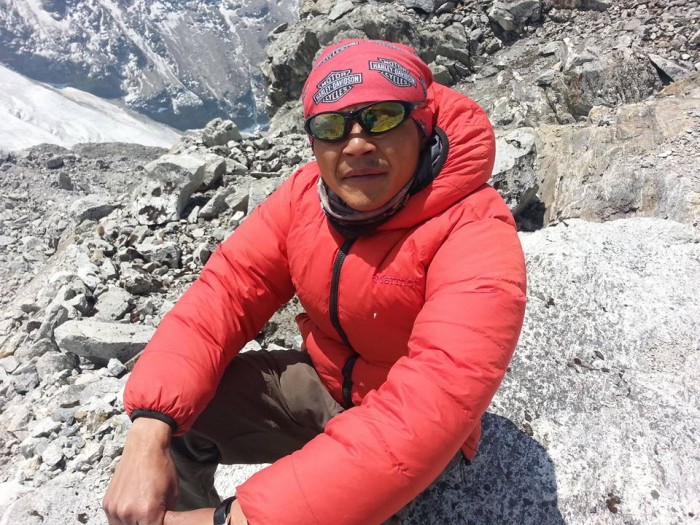
Have Questions? Talk to Expert (Binod)

Binod Karki

Dhampus Peak Climbing

Dhampus Peak Climbing

Dhampus Peak Climbing Overview

Key Information

Duration

19 Days

Grade

Moderate

Best Season

March to May and September to November

Maximum altitude

6012

Accommodation

Lodge

Transportation

Car / Flight

Dhampus Peak, also known as Thapa Peak, is one of Nepal's finest trekking peaks, rising to an elevation of 6,012 meters (19,724 feet) in the spectacular Dhaulagiri region. This magnificent Himalayan summit is an excellent choice for trekkers wishing to experience their first Himalayan climb without facing highly technical mountaineering challenges. Combining breathtaking mountain scenery, remote wilderness, authentic villages, glacial landscapes, and rewarding summit views, Dhampus Peak offers an unforgettable adventure in the heart of Nepal.

Himalayan Adventure Intl Treks specializes in professionally organized Dhampus Peak climbing expeditions with experienced government-licensed trekking guides, certified climbing guides, helpful porters, comfortable accommodation, delicious meals, reliable transportation, and complete permit arrangements. Our experienced team ensures every climber enjoys a safe, enjoyable, and successful Himalayan expedition from arrival in Kathmandu until departure.

Whether you are an experienced trekker looking for your first Himalayan summit or an adventurous traveler seeking a rewarding high-altitude challenge, Dhampus Peak is an ideal destination that combines trekking, mountaineering, culture, and spectacular alpine scenery.

Why Choose Dhampus Peak (Thapa Peak)?

Unlike many technical Himalayan expeditions requiring advanced climbing skills, Dhampus Peak is classified as a Peu Difficile (PD) trekking peak. Although physically demanding because of the altitude and long trekking days, the climb requires only basic mountaineering techniques, making it suitable for beginners with good physical fitness and previous trekking experience.

The journey crosses dramatic valleys, glacier moraines, alpine meadows, traditional villages, and high mountain passes while offering magnificent panoramic views of some of Nepal's highest mountains.

During the expedition, climbers enjoy spectacular views of:

  • Dhaulagiri I (8,167 m)
  • Annapurna I (8,091 m)
  • Nilgiri
  • Tukuche Peak
  • Tilicho Peak
  • Annapurna South
  • Hiunchuli
  • Machhapuchhre (Fishtail)
  • Gurja Himal
  • Churen Himal
  • More than 30 snow-covered Himalayan peaks

Every day presents a completely different landscape—from lush forests and terraced farms to glaciers and snow-covered summits.

About Himalayan Adventure Intl Treks

Himalayan Adventure Intl Treks is one of Nepal's trusted adventure travel companies, specializing in trekking, peak climbing, mountaineering, cultural tours, and expeditions throughout the Himalayas.

Our experienced local team provides complete logistics so you can focus entirely on enjoying your adventure.

Our Services Include

  • Government licensed trekking guide
  • Professional climbing guide
  • Friendly and experienced porter
  • Dhampus Peak climbing permit arrangement
  • Annapurna Conservation Area Permit (ACAP)
  • Accommodation throughout the trek
  • Three nutritious meals daily during trekking
  • Camping equipment where required
  • Transportation arrangements
  • Airport transfers (on request)
  • Emergency support
  • Trip briefing
  • Safety equipment
  • Route planning
  • Local cultural experiences

Our mission is to deliver safe, responsible, affordable, and memorable Himalayan adventures.

Dhampus Peak Climbing – Key Trip Facts

Trip InformationDetails
DestinationDhampus Peak (Thapa Peak)
RegionDhaulagiri, Nepal
Elevation6,012 meters
Trip Duration14–20 Days
Climbing GradePD (Peu Difficile)
Maximum Altitude6,012 m
AccommodationTea Houses & Camping
MealsBreakfast, Lunch & Dinner
Best SeasonSpring & Autumn
TransportationBus or Flight
Trek StyleLodge & Camping
Group Size2–15 People
Starting PointKathmandu
Ending PointKathmandu

Trip Highlights

  • Summit the beautiful 6,012-meter Dhampus Peak.
  • Witness spectacular sunrise over the Himalayas.
  • Cross the famous Dhampus Pass (5,244m).
  • Explore remote valleys of the Dhaulagiri region.
  • Trek through traditional Gurung, Magar, and Thakali villages.
  • Experience alpine forests, glaciers, rivers, and waterfalls.
  • Enjoy panoramic views of Dhaulagiri, Annapurna, Nilgiri, and Tukuche Peak.
  • Professional climbing guidance from Himalayan Adventure Intl Treks.
  • Perfect first Himalayan climbing experience.

Best Time for Dhampus Peak Climbing

Choosing the right season is essential for a successful climb.

Spring (March–May)

Spring is considered the best climbing season. Stable weather, moderate temperatures, blooming rhododendron forests, and clear mountain views make this period ideal.

Advantages include:

  • Warm daytime temperatures
  • Excellent visibility
  • Stable climbing conditions
  • Beautiful wildflowers
  • Snow conditions suitable for climbing

Autumn (September–November)

Autumn offers crystal-clear skies after the monsoon season.

Highlights include:

  • Dry trails
  • Excellent mountain views
  • Comfortable temperatures
  • Stable weather
  • Ideal photography conditions

Winter (December–February)

Winter climbing is possible for experienced trekkers. Snowfall increases the challenge but rewards climbers with peaceful trails and pristine alpine scenery.

Summer/Monsoon (June–August)

Although climbing is still possible, heavy rainfall, slippery trails, and cloud cover make this the least popular season.

Dhampus Peak Climbing Permit Cost

All climbers require an official climbing permit issued by the Nepal Mountaineering Association along with conservation permits.

Dhampus Peak Climbing Permit

SeasonPermit Fee (USD)
SpringUSD 350
AutumnUSD 175
SummerUSD 175
WinterUSD 175

Annapurna Conservation Area Permit (ACAP)

Every trekker entering the Annapurna Conservation Area must obtain an ACAP permit.

NationalityCost
Foreign NationalsNPR 3,000 (approximately USD 30)
SAARC NationalsNPR 1,000

Himalayan Adventure Intl Treks arranges all required permits before the expedition, ensuring a smooth and hassle-free experience.

Transportation Options

We offer flexible transportation based on your budget and travel preference.

Kathmandu to Pokhara by Tourist Bus

  • Cost: USD 15–20 per person
  • Travel Time: Approximately 7–8 hours
  • Comfortable tourist coaches with scenic mountain and river views.

Kathmandu to Pokhara by Public Bus

  • Cost: USD 10–15 per person
  • Budget-friendly option
  • Travel Time: Around 8–10 hours depending on road conditions.

Kathmandu to Pokhara by Flight

  • Cost: USD 125 per person (one way)
  • Flight Duration: Approximately 25 minutes
  • Spectacular aerial views of the Himalayas.

Jomsom to Pokhara Flight

  • Cost: USD 185 per person
  • Duration: Around 20 minutes
  • Saves considerable travel time after completing the trek.

Food and Accommodation

Throughout the journey, Himalayan Adventure Intl Treks provides carefully selected accommodation and nutritious meals to keep climbers energized.

In the lower elevations, accommodation is provided in comfortable tea houses and mountain lodges with twin-sharing rooms. At higher elevations, where lodges are unavailable, fully equipped camping arrangements are organized by our experienced expedition staff.

The estimated cost for food and accommodation ranges from USD 40–45 per person per day, depending on the itinerary and services included. Meals typically include breakfast, lunch, and dinner with a variety of Nepali, Tibetan, and international dishes designed to support high-altitude trekking.

Our kitchen team ensures hygienic meal preparation, while our guides help manage hydration and nutrition throughout the expedition to maximize comfort and safety.

Dhampus Peak (Thapa Peak) Climbing Itinerary 

The itinerary below is one of the most popular routes for Dhampus Peak (Thapa Peak) Climbing. Himalayan Adventure Intl Treks can also customize the itinerary according to your available time, fitness level, and travel preferences.

Day 1: Arrival in Kathmandu (1,350m)

Upon your arrival at Tribhuvan International Airport, our representative from Himalayan Adventure Intl Treks will welcome you and transfer you to your hotel. In the evening, meet your climbing guide for a detailed trip briefing, equipment inspection, and final preparation for your Himalayan adventure.

Accommodation: Hotel in Kathmandu

Day 2: Travel from Kathmandu to Pokhara (827m)

Choose one of the following transportation options:

  • Tourist Bus: USD 15–20 per person
  • Public Bus: USD 10–15 per person
  • Domestic Flight: USD 125 per person (one way)

Pokhara is Nepal's adventure capital, famous for the beautiful Phewa Lake and breathtaking views of Machhapuchhre, Annapurna, and Dhaulagiri.

Accommodation: Hotel in Pokhara

Day 3: Trek to Boghara

Continue through peaceful forests and remote settlements while gradually gaining altitude. This section introduces the untouched beauty of the Dhaulagiri region.

Day 4: Trek to Dobang

Today's trail follows the Myagdi River through rhododendron and bamboo forests. The dramatic landscape becomes increasingly alpine.

Day 5: Trek to Sallaghari or Choriban Khola (3,110m) 5 hours overnight

Navigate through the stunning landscapes to reach Sallaghari or Choriban Khola at 3,110m. Enjoy a well-deserved rest in a local homestay.

Day 6: Trek to Italian Base Camp (3,660m)

Italian Base Camp is one of the highlights of the expedition. Surrounded by glaciers and towering Himalayan peaks, this campsite provides unforgettable scenery.

You will enjoy spectacular views of:

  • Dhaulagiri I
  • Dhaulagiri II
  • Dhaulagiri III
  • Tukuche Peak
  • Nilgiri
  • Annapurna South

Day 7: Acclimatization Day

A full acclimatization day is essential for adapting to the increasing altitude.

Activities include:

  • Short acclimatization hikes
  • Hydration and rest
  • Glacier exploration
  • Climbing technique review
  • Equipment check

Proper acclimatization significantly increases the chance of a successful summit while reducing the risk of altitude sickness.

Day 8: Trek to Glacier Camp

Today's route crosses rocky moraines and glacier terrain. The landscape becomes increasingly dramatic as massive ice formations dominate the surroundings.

Our experienced climbing guides carefully lead the group across challenging sections while monitoring everyone's health and pace.

Day 9: Cross French Pass (5,360m)

One of the most exciting days of the expedition.

French Pass offers extraordinary panoramic views of:

  • Dhaulagiri
  • Hidden Valley
  • Mukut Himal
  • Sita Chuchura
  • Tashi Kang

After crossing the pass, descend into the magnificent Hidden Valley.

Day 10: Trek to Dhampus Pass and Climbing Dhampus Peak (Thapa Peak) and trek to Yak Kharka

Today's trek continues through high alpine terrain toward the base camp beneath Dhampus Peak.

Your climbing guide will provide a complete summit briefing covering:

  • Rope procedures
  • Ice axe techniques
  • Crampon use
  • Safety instructions
  • Weather updates
  • Summit timing

Early dinner and adequate rest prepare everyone for summit day.

Summit Day – Dhampus Peak (6,012m)

The summit day begins before sunrise.

After breakfast and final equipment checks, the climbing team starts ascending slowly under the guidance of experienced climbing leaders.

Although Dhampus Peak is considered a non-technical trekking peak, climbers may need to use:

  • Crampons
  • Ice axe
  • Climbing harness
  • Helmet
  • Fixed rope (when required)

The gradual ascent rewards every step with increasingly spectacular Himalayan panoramas.

Upon reaching the summit at 6,012 meters, climbers are rewarded with one of Nepal's finest mountain viewpoints.

The summit panorama includes:

  • Dhaulagiri I (8,167m)
  • Annapurna I (8,091m)
  • Annapurna South
  • Nilgiri North
  • Nilgiri Central
  • Tukuche Peak
  • Tilicho Peak
  • Hiunchuli
  • Machhapuchhre (Fishtail)
  • Gurja Himal
  • Churen Himal
  • More than thirty snow-covered Himalayan peaks stretching across western Nepal.

After celebrating the achievement and taking photographs, descend carefully to base camp for an overnight stay.

Day 11: Trek to Marpha

Marpha is one of the most picturesque villages in Mustang, renowned for its whitewashed houses, apple orchards, monasteries, and warm Thakali hospitality.

Visitors can also sample locally produced apple products during the stay.

Day 12: Drive or Flight to Pokhara

Depending on weather conditions and personal preference:

  • Flight from Jomsom to Pokhara: USD 185 per person
  • Drive via Beni to Pokhara

Enjoy a relaxing evening beside Phewa Lake after completing the expedition.

Day 13: Return to Kathmandu

Travel back to Kathmandu by tourist bus, public bus, or domestic flight.

The evening is free for shopping, sightseeing, or celebrating your successful Himalayan summit.

Difficulty Level

Dhampus Peak is officially graded Peu Difficile (PD), meaning it is mildly challenging.

While technical climbing experience is not essential, climbers should be prepared for:

  • High altitude above 6,000 meters
  • Long trekking days
  • Glacier crossings
  • Snow-covered terrain
  • Cold temperatures
  • Basic mountaineering techniques

The greatest challenge is altitude rather than technical difficulty. A steady pace, proper acclimatization, and guidance from experienced professionals are the keys to success.

Guide and Porter Services

Himalayan Adventure Intl Treks provides experienced, government-licensed trekking and climbing guides who are trained in mountain safety, first aid, and high-altitude rescue procedures.

Our porters carry the heavier expedition equipment, allowing you to trek with a lighter daypack and conserve energy for the climb.

Our team services include:

  • Licensed trekking guide
  • Professional climbing guide
  • Strong and reliable porter support
  • Route planning and navigation
  • Permit management
  • Accommodation arrangements
  • Meal organization
  • Safety briefings
  • High-altitude assistance
  • Emergency communication support

With our experienced mountain team, you can focus on enjoying the journey while we take care of the logistics.

Essential Equipment for Dhampus Peak (Thapa Peak) Climbing

Proper equipment is one of the most important factors for a safe and successful climb. Himalayan Adventure Intl Treks provides group climbing equipment and experienced climbing guides, while each climber should bring suitable personal gear.

Clothing

  • Waterproof trekking jacket and pants
  • Down jacket for high altitude
  • Thermal base layers
  • Fleece jacket
  • Trekking trousers
  • Warm hat and sun hat
  • Balaclava or neck gaiter
  • Waterproof gloves and inner gloves
  • Warm trekking socks

Footwear

  • Mountaineering boots suitable for crampons
  • Comfortable trekking boots
  • Camp shoes or sandals
  • Gaiters

Climbing Equipment

  • Crampons
  • Ice axe
  • Climbing harness
  • Climbing helmet
  • Locking carabiners
  • Ascender and descender (if required)
  • Trekking poles

Sleeping Gear

  • Sleeping bag rated to -20°C
  • Sleeping bag liner
  • Inflatable pillow (optional)

Personal Items

  • Headlamp with spare batteries
  • Sunglasses with UV protection
  • Sunscreen (SPF 50+)
  • Lip balm
  • Water bottles or hydration bladder
  • Personal first-aid kit
  • Toiletries
  • Passport and passport-size photos
  • Personal medications

Our guides will inspect climbing equipment before the summit push to ensure everything is safe and ready for use.

Physical Fitness and Training

Although Dhampus Peak is considered a non-technical trekking peak, reaching 6,012 meters demands excellent physical fitness, endurance, and determination.

We recommend beginning your training at least 8–12 weeks before the expedition.

Your preparation should include:

  • Cardiovascular exercises such as running, cycling, or swimming
  • Long-distance hiking with a backpack
  • Stair climbing
  • Leg strengthening exercises
  • Core strength workouts
  • Flexibility and stretching
  • Regular weekend hikes

Good physical preparation not only increases your chances of reaching the summit but also makes the entire journey more enjoyable.

Altitude Acclimatization and Safety

The biggest challenge on Dhampus Peak is the high altitude. Above 3,500 meters, the oxygen level decreases significantly, making acclimatization essential.

Himalayan Adventure Intl Treks follows a carefully planned itinerary that allows your body to adapt gradually. Our experienced guides monitor every participant for signs of Acute Mountain Sickness (AMS) and adjust the pace when necessary.

To reduce the risk of altitude sickness:

  • Walk slowly and maintain a steady pace.
  • Drink plenty of water throughout the day.
  • Avoid alcohol and smoking during the trek.
  • Eat nutritious meals.
  • Get enough rest each night.
  • Inform your guide immediately if you experience headache, nausea, dizziness, or unusual fatigue.

Your safety is our highest priority, and our guides are trained in high-altitude first aid and emergency procedures.

Accommodation and Meals

Accommodation varies according to the altitude.

In the lower villages, trekkers stay in comfortable tea houses and mountain lodges with basic but welcoming facilities. At higher elevations, fully equipped camping is arranged by Himalayan Adventure Intl Treks, including tents, kitchen equipment, and dining tents where required.

Meals are freshly prepared to provide the energy needed for trekking and climbing. Typical options include:

  • Nepali Dal Bhat
  • Fried rice
  • Noodles
  • Soups
  • Pasta
  • Potatoes
  • Pancakes
  • Eggs
  • Seasonal vegetables
  • Tea and coffee

The estimated cost of food and accommodation is USD 40–45 per person per day, depending on the itinerary and services included.

Cultural Experience

The Dhampus Peak route is more than a climbing adventure. It is also an opportunity to experience the traditions and hospitality of Nepal's mountain communities.

Along the trail, you will pass through villages inhabited by:

  • Magar
  • Gurung
  • Thakali

Visitors can explore ancient monasteries, prayer flags, traditional stone houses, terraced fields, apple orchards, and local customs that have been preserved for generations.

The warm hospitality of local people adds a memorable cultural dimension to the expedition.

Why Choose Himalayan Adventure Intl Treks?

Himalayan Adventure Intl Treks is committed to providing safe, reliable, and memorable Himalayan adventures.

We Provide

  • Professional government-licensed trekking guides
  • Experienced climbing guides
  • Friendly and hardworking porters
  • All necessary climbing permit arrangements
  • Annapurna Conservation Area Permit (ACAP) assistance
  • Comfortable accommodation
  • Nutritious meals throughout the trek
  • Transportation arrangements
  • Complete logistical support
  • Flexible itineraries
  • Competitive prices
  • Personalized service
  • High safety standards

Our knowledgeable local team has years of experience leading trekkers and climbers throughout Nepal, ensuring that every expedition is professionally managed from beginning to end.

Trip Cost Information

The total cost of a Dhampus Peak expedition depends on the group size, duration, transportation, and services selected.

Typical expenses include Dhampus Peak Climbing Permit;

  • Spring: USD 350
  • Autumn: USD 175
  • Winter: USD 175
  • Summer: USD 175

Annapurna Conservation Area Permit (ACAP)

  • Foreigners: NPR 3,000
  • SAARC Nationals: NPR 1,000
  • Tourist Bus (Kathmandu–Pokhara): USD 15–20
  • Public Bus: USD 10–15
  • Kathmandu–Pokhara Flight: USD 125
  • Jomsom–Pokhara Flight: USD 185
  • Food and Accommodation: USD 40–45 per person per day

Himalayan Adventure Intl Treks can also arrange customized packages that include guides, porters, permits, meals, accommodation, and transportation for a seamless climbing experience.

Frequently Asked Questions (FAQs)

Is Dhampus Peak suitable for beginners?

Yes. It is an excellent first Himalayan climbing peak for trekkers with good fitness and some previous trekking experience.

How high is Dhampus Peak?

Dhampus Peak, also known as Thapa Peak, stands at 6,012 meters (19,724 feet).

What is the best season?

Spring (March–May) and autumn (September–November) offer the most stable weather and the best mountain views.

How difficult is the climb?

The climb is graded PD (Peu Difficile). It is physically demanding because of the altitude but requires only basic mountaineering skills.

How long does the expedition take?

Most itineraries range from 14 to 20 days, depending on the chosen route and acclimatization schedule.

Are guides required?

Hiring an experienced guide is strongly recommended for safety, navigation, permit management, and summit success.

What mountains can I see from the summit?

You can enjoy spectacular views of Dhaulagiri I, Annapurna I, Nilgiri, Tukuche Peak, Tilicho Peak, Annapurna South, Hiunchuli, Machhapuchhre, and many other Himalayan peaks.

What accommodation is available?

Tea houses are used in the lower elevations, while camping is arranged at higher camps where necessary.

How fit should I be?

Participants should have good cardiovascular fitness and experience with multi-day trekking at higher elevations.

Why travel with Himalayan Adventure Intl Treks?

Our experienced guides, reliable logistics, personalized service, and commitment to safety ensure an enjoyable and successful Himalayan adventure.

Final tips

Dhampus Peak (Thapa Peak) Climbing is one of Nepal's most rewarding trekking peak adventures, combining spectacular Himalayan scenery, high mountain passes, remote villages, glacier travel, and the unforgettable achievement of standing on a 6,012-meter summit. With breathtaking views of Dhaulagiri, Annapurna, Nilgiri, Tukuche Peak, Tilicho Peak, and dozens of other snow-covered giants, this expedition offers an ideal introduction to Himalayan mountaineering.

Choosing Himalayan Adventure Intl Treks means traveling with an experienced local team that takes care of every aspect of your journey—from permits and transportation to guides, porters, accommodation, meals, and climbing logistics. Whether you are planning your first Himalayan summit or looking for a new high-altitude challenge, our professional support allows you to focus on the adventure while we handle the details.

Join Himalayan Adventure Intl Treks for an unforgettable Dhampus Peak (Thapa Peak) climbing experience and create memories that will last a lifetime in the heart of the Nepal Himalayas.

Dhampus Peak Climbing Itinerary

Expand All
Food

Breakfast

Accomodation

Hotel

Elevation

1350 m.

Walking Duration

25 Minute

Starts From

TIA

Ends At

Kathmandu Thamel

Your unforgettable Himalayan journey begins upon your arrival at Tribhuvan International Airport in Kathmandu. A representative from Himalayan Adventure Intl Treks warmly welcomes you with a traditional Nepali greeting and transfers you to your comfortable hotel.

During the drive through Kathmandu, you'll witness the vibrant atmosphere of Nepal's capital city, where ancient temples, bustling markets, colorful prayer flags, and lively streets create an exciting first impression.

After checking into your hotel, you have time to relax following your international flight. In the evening, your climbing guide conducts a detailed expedition briefing. You'll receive information about the trekking route, climbing schedule, safety procedures, weather conditions, required equipment, and altitude awareness.

Any missing climbing gear can be rented or purchased in Kathmandu's famous trekking district, Thamel.

A welcome dinner at an authentic Nepali restaurant introduces you to traditional cuisine and offers the opportunity to meet your climbing team.

Meals: Welcome Dinner

Accommodation: Hotel

Food

BLD

Accomodation

Hotel

Elevation

827 m.

Walking Duration

6-7 hour

Starts From

Kathmandu

Ends At

Pokhara

After breakfast, begin a scenic drive along Nepal's Prithvi Highway toward Pokhara.

The journey offers spectacular views of terraced hillsides, fast-flowing rivers, green valleys, traditional villages, and distant snow-capped mountains. Along the route, you'll pass numerous small towns where local people continue their daily agricultural lifestyle.

As you approach Pokhara, the magnificent Annapurna Range gradually appears, creating one of Nepal's most memorable landscapes.

Pokhara is Nepal's adventure capital and sits beside the peaceful Phewa Lake. After hotel check-in, you may enjoy an evening stroll around Lakeside, explore local cafés, or admire reflections of Machhapuchhre (Fishtail Mountain) in the lake.

Your guide performs a final equipment inspection before entering the remote Dhaulagiri region.

Driving Time: 6–7 hours

Accommodation: Hotel

Meals: Breakfast

Food

BLD

Accomodation

Homestay

Elevation

2630 m.

Walking Duration

7-8 hour

Starts From

Pokhara

Ends At

Dhoban

Today's adventurous jeep drive leaves Pokhara and heads deep into western Nepal.

Following the Kali Gandaki River, the route passes Beni before continuing through Tatopani, Ghasa, and Lete. Along the way, you'll witness dramatic changes in vegetation as subtropical forests gradually transform into alpine landscapes.

Snow-covered peaks become increasingly prominent as the road climbs higher into the Dhaulagiri region.

Dhoban is a small settlement serving trekkers and local traders. Here, you'll enjoy your first overnight stay in the mountains.

The cool mountain air and peaceful surroundings prepare you for the trekking adventure beginning tomorrow.

Driving Time: 7–8 hours

Accommodation: Lodge

Meals: Breakfast, Lunch, Dinner

Food

BLD

Accomodation

Homestay

Elevation

3110 m.

Walking Duration

5 Hours

Starts From

Dhoban

Ends At

Sallaghari (Choriban Khola)

Your trekking adventure officially begins today.

The trail follows forested paths through beautiful pine, rhododendron, and oak forests while gradually ascending beside mountain streams.

You'll cross suspension bridges, enjoy frequent views of waterfalls, and observe Himalayan birds and wildlife.

The peaceful trail provides an excellent introduction to trekking at higher elevations.

After approximately five hours of walking, you arrive at Sallaghari (also called Choriban Khola), where your campsite or lodge awaits.

Surrounded by dense forest and towering cliffs, this campsite offers a tranquil overnight experience.

Walking Time: 5 Hours

Accommodation: Lodge or Tent

Meals: Breakfast, Lunch, Dinner

Food

BLD

Accomodation

Homestay

Elevation

3630 m.

Walking Duration

4 Hours

Starts From

Sallaghari

Ends At

Italian Base Camp

Today's relatively short trek leads to one of Nepal's most beautiful alpine camps.

Leaving the forest behind, the landscape opens dramatically into glacial valleys with spectacular panoramic mountain views.

Italian Base Camp is surrounded by enormous Himalayan giants including Dhaulagiri, Churen Himal, Gurja Himal, and several unnamed peaks.

Massive glaciers descend from the surrounding mountains, creating one of the finest camping locations in the Himalayas.

The afternoon is free to rest, enjoy photography, and prepare for higher elevations.

The peaceful environment and breathtaking scenery make Italian Base Camp a favorite destination among trekkers.

Walking Time: 4 Hours

Accommodation: Tent Camp

Meals: Breakfast, Lunch, Dinner

Food

BLD

Accomodation

Homestay

Elevation

4000 m.

Starts From

Italian Base Camp

Ends At

View point

Proper acclimatization greatly increases the chances of a safe and successful summit.

Rather than remaining inactive, you'll take a short hike to higher viewpoints before returning to camp.

This "climb high, sleep low" strategy allows your body to adjust naturally to decreasing oxygen levels.

Your guide monitors everyone's health, checking oxygen saturation, hydration, and overall physical condition.

The rest of the day is spent relaxing, enjoying mountain photography, reading, or simply appreciating the extraordinary Himalayan surroundings.

The panoramic views include Dhaulagiri, Gurja Himal, Churen Himal, and glaciers stretching across the valley.

Accommodation: Tent Camp

Meals: Breakfast, Lunch, Dinner

Food

BLD

Accomodation

Tent

Elevation

4250 m.

Walking Duration

5 Hours

Starts From

Italian Camp

Ends At

Glacier Camp

Today's trail becomes more adventurous as you leave vegetation behind and enter rugged glacial terrain.

Walking across rocky moraines and glacier debris, you'll witness the raw power of Himalayan geology.

The surrounding peaks appear much closer, creating dramatic scenery unlike any previous day.

Careful footing is essential while crossing loose rocks and glacial sections.

Upon arrival at Glacier Camp, tents are established in a sheltered location overlooking glaciers and towering cliffs.

Temperatures become considerably colder, especially after sunset.

Your support team prepares a warm dinner while everyone enjoys spectacular sunset views across the mountains.

Walking Time: 5 Hours

Accommodation: Tent

Meals: Breakfast, Lunch, Dinner

Food

BLD

Accomodation

Tent

Elevation

4748 m.

Walking Duration

5 hours

Starts From

Glacier Camp

Ends At

Dhaulagiri Base Camp

One of the expedition's highlights arrives today.

The route follows glaciers toward the magnificent Dhaulagiri Base Camp, situated beneath the massive south face of Dhaulagiri I (8,167m).

This enormous mountain dominates the landscape, while surrounding peaks create an incredible natural amphitheater.

Base Camp offers unforgettable panoramic views of Dhaulagiri I, II, III, IV, V, Tukuche Peak, and surrounding glaciers.

You'll have time to explore the area and observe mountaineering expeditions preparing for their summit attempts.

The evening sky often produces spectacular alpenglow across the snow-covered peaks.

Walking Time: 5 Hours

Accommodation: Tent

Meals: Breakfast, Lunch, Dinner

Food

BLD

Accomodation

Tent

Elevation

5100 m.

Walking Duration

7 Hours

Starts From

Dhaulagiri Base Camp

Ends At

Hidden Valley Camp

Today is one of the most exciting trekking days.

An early morning departure allows safe crossing of the famous French Pass.

The climb is gradual but demanding due to increasing altitude.

Upon reaching French Pass, breathtaking panoramic views unfold in every direction.

The scenery includes Dhaulagiri I, Hidden Valley, Mukut Himal, Tashi Kang, Sita Chuchura, and numerous surrounding peaks.

After enjoying the spectacular mountain panorama, the trail descends gently into Hidden Valley.

This isolated alpine valley is among Nepal's most beautiful wilderness areas.

The campsite offers magnificent sunset and sunrise photography opportunities.

Walking Time: 7 Hours

Accommodation: Tent

Meals: Breakfast, Lunch, Dinner

Food

BLD

Accomodation

Tent

Elevation

2900 m.

Walking Duration

9–10 Hours

Starts From

Hidden Valley

Ends At

Yak Kharka

Today marks the ultimate goal of your expedition.

Before dawn, your climbing team prepares breakfast while guides organize ropes and technical climbing equipment.

Wearing crampons, helmets, harnesses, and carrying ice axes, you begin the gradual ascent toward Dhampus Peak.

The climb includes snow slopes, glacial terrain, and sections requiring fixed ropes depending on seasonal conditions.

Your experienced Sherpa guides ensure maximum safety throughout the climb.

After several hours, you finally stand on the summit of Dhampus Peak (6,012m).

The reward is one of Nepal's finest Himalayan panoramas.

The summit provides breathtaking views of:

  • Dhaulagiri I (8,167m)
  • Annapurna I (8,091m)
  • Nilgiri North
  • Tukuche Peak
  • Dhampus Pass
  • Mukut Himal
  • Gurja Himal
  • Churen Himal
  • Hidden Valley
  • Kali Gandaki Valley

After celebrating your successful summit with photographs and unforgettable memories, you carefully descend to Hidden Valley before continuing to Yak Kharka for overnight camping.

Today's achievement represents months of preparation and lifelong memories.

Walking Time: 9–10 Hours

Accommodation: Tent

Meals: Breakfast, Lunch, Dinner

Food

BLD

Accomodation

Lodge

Elevation

2670 m.

Walking Duration

4 Hours

Starts From

Yak Kharka

Ends At

Marpha

After the excitement of summit day, today's descent is more relaxed.

The trail gradually descends toward the famous apple-growing village of Marpha.

As altitude decreases, vegetation returns and oxygen levels increase, making walking considerably easier.

Marpha is renowned throughout Nepal for its apple orchards, traditional whitewashed houses, narrow stone-paved streets, monasteries, apple brandy, cider, and warm hospitality.

Enjoy a comfortable lodge after several nights of camping.

A hot shower and delicious local meal provide a well-deserved reward following your successful climb.

Walking Time: 4 Hours

Accommodation: Lodge

Meals: Breakfast, Lunch, Dinner

Food

Breakfast

Accomodation

Hotel

Elevation

827 m.

Walking Duration

6 hours

Starts From

Marpha

Ends At

Pokhara

After breakfast, begin the scenic drive back to Pokhara through the beautiful Kali Gandaki Valley.

The journey follows the world's deepest river gorge between the Annapurna and Dhaulagiri mountain ranges.

Passing charming villages, waterfalls, and terraced farmland, you'll gradually return to warmer temperatures.

Upon arrival in Pokhara, check into your hotel and enjoy a relaxing evening by Phewa Lake.

Many climbers celebrate their successful expedition with a farewell dinner overlooking the Annapurna range.

Driving Time: 6 Hours

Accommodation: Hotel

Meals: Breakfast

Food

Breakfast

Accomodation

Hotel

Elevation

1350 m.

Walking Duration

7 hours

Starts From

Pokhara

Ends At

Kathmandu

Following breakfast, drive back to Kathmandu along the scenic Prithvi Highway.

The return journey offers another opportunity to appreciate Nepal's beautiful countryside, rivers, forests, and traditional villages.

After checking into your hotel, the remainder of the day is free for souvenir shopping, visiting UNESCO World Heritage Sites, or relaxing in Thamel.

In the evening, Himalayan Adventure Intl Treks hosts a special farewell dinner celebrating your successful Dhampus Peak expedition. Summit certificates are presented, and memories of the journey are shared with your guides and fellow climbers.

Driving Time: 6–7 Hours

Accommodation: Hotel

Meals: Breakfast, Farewell Dinner

Food

Breakfast

Your incredible Dhampus Peak climbing adventure concludes today.

Depending on your international flight schedule, a representative from Himalayan Adventure Intl Treks transfers you to Tribhuvan International Airport at least three hours before departure.

As you leave Nepal, you carry unforgettable memories of towering Himalayan peaks, remote alpine valleys, successful summit achievements, and the warm hospitality of the Nepalese people.

Whether you plan another trekking peak, an 8,000-meter expedition, or a cultural tour, the experienced team at Himalayan Adventure Intl Treks looks forward to welcoming you back for your next Himalayan adventure.

Meals: Breakfast

Why Choose Himalayan Adventure Intl Treks for Dhampus Peak Climbing?

Himalayan Adventure Intl Treks offers professionally organized Dhampus Peak expeditions with experienced government-licensed trekking and climbing guides, certified Sherpa climbers, reliable camping crews, quality climbing equipment, and carefully planned acclimatization schedules. The company prioritizes safety, personalized service, environmentally responsible travel, and authentic Himalayan experiences. From airport arrival to final departure, every logistical detail—including permits, transportation, accommodation, meals, and climbing support—is managed efficiently, allowing you to focus on enjoying one of Nepal's most rewarding trekking peak adventures. Whether you are an experienced mountaineer or attempting your first Himalayan trekking peak, Himalayan Adventure Intl Treks ensures a safe, memorable, and successful ascent of the magnificent Dhampus Peak (Thapa Peak).

Dhampus Peak Climbing Cost Includes & Excludes

Regular Package Includes

  • Airport Pick Up and Drops: Seamless transfers from the airport to your accommodation and back, ensuring a hassle-free beginning and end to your adventure.

  • Accommodation: Enjoy 2 nights of comfortable lodging in Kathmandu and 1 night in Pokhara, ensuring you're well-rested before and after your climb.

  • Permits: All necessary permits, including the Dhampus Peak Climbing permit and ACAP entry Permit, are taken care of by us.

  • Logistics: From local transportation to flights, we cover all land transportation needs, including a local bus from Kathmandu to Beni and a flight back from Jomsom to Pokhara.

  • Meals: Indulge in three delicious meals a day (Breakfast, Lunch, and Dinner), accompanied by a refreshing cup of tea or coffee at each meal, throughout your journey.

  • Guidance: Benefit from the expertise of experienced and qualified Mountain guides and porters who will accompany you throughout the trek.

  • Equipment: We provide trekking camping equipment as necessary, ensuring you're equipped for the journey ahead.

  • Safety Measures: Your safety is paramount. We include fixed ropes for climbing and a garbage deposit fee to ensure environmental preservation.

  • Administrative Support: All official paperwork and government taxes are handled by us, leaving you free to focus on the adventure.

  • Convenience: We take care of all airport transfers, ensuring a seamless transition from arrival to departure.

Regular Package Excludes

  • Meals in Kathmandu/Pokhara: While we cover meals during the trek, lunch and dinner in Kathmandu and Pokhara are not included.

  • Insurance: We highly recommend clients to have their insurance for added peace of mind during the journey.

  • Personal Expenses: Any personal expenses, such as phone bills or laundry, are not included in the package.

  • Additional Expenses: Expenses not mentioned in the inclusion section, such as bar bills, are to be borne by the client.

  • Cancellation and Incidentals: Trip cancellation costs, accidents, health issues, or loss/damage to personal effects are not covered under the package.

  • Gratuities: Tips for guides and porters are at the discretion of the client and are not included in the package.

Altitude Graph

Trip Map

Dhampus Peak Climbing FAQs

Dhampus Peak Climbing is an adventure trek that involves scaling Dhampus Peak (6,012 meters) in the Annapurna region of Nepal. It offers stunning views of the Annapurna and Dhaulagiri ranges.

Dhampus Peak is located in the Annapurna region of Nepal, close to the popular Annapurna Circuit trek route.

Dhampus Peak Climbing is considered a moderate to challenging trek. It requires basic mountaineering skills and physical fitness due to its high altitude and technical sections.

The best time to climb Dhampus Peak is from September to November and March to May when the weather conditions are favorable.

Previous climbing experience is not mandatory, but it is beneficial to have some basic mountaineering skills and high-altitude trekking experience.

Essential equipment includes an ice axe, crampons, harnesses, climbing boots, helmets, ropes, and appropriate clothing for cold weather.

Yes, climbing gear can be rented in Kathmandu or Pokhara before starting the trek.

The expedition typically takes around 18 to 22 days, including trek, acclimatization, and climbing days.

Highlights include panoramic views of Annapurna, Dhaulagiri, Machapuchare, and the unique cultural experience of interacting with local communities.

While there is no strict age limit, climbers should be in good health and physical condition. Generally, ages between 18 and 60 are ideal.

Meals consist of a mix of local Nepali and international dishes, including rice, dal, vegetables, and meat options.

Yes, altitude sickness is a risk. Proper acclimatization is crucial to minimize this risk.

Acclimatize properly by ascending slowly, staying hydrated, and taking the necessary medication as advised by your guide.

Permits include the Dhampus Peak climbing permit and the Annapurna Conservation Area Permit (ACAP).

Costs can vary but typically range from $3,000 to $4,500, including permits, guide, porter, and other logistics.

Yes, hiring an experienced guide is highly recommended for safety and navigation.

It is not advisable to trek without a guide due to the technical nature of the climb and safety concerns.

Pack warm clothing, climbing gear, trekking boots, a sleeping bag, a first aid kit, and personal essentials.

Medical facilities are limited in remote areas. It’s advisable to carry a basic first aid kit and consult your guide for medical needs.

Success rates are generally high, but they depend on weather conditions, acclimatization, and individual fitness levels.

You can reach the starting point, usually from Pokhara, via a domestic flight or road transportation.

The trek to the base camp typically takes about 10 to 12 days.

With proper preparation, acclimatization, and experienced guides, Dhampus Peak Climbing is generally safe.

Comprehensive travel insurance that covers trekking and climbing at high altitudes is essential.

Respect local customs and traditions. Dress modestly and seek permission before taking photos of people.

Yes, many trekkers choose to explore other areas of the Annapurna region or visit Pokhara.

Weather can be cold and unpredictable, with temperatures dropping below freezing at high altitudes.

You can book through Himalayan Adventure Intl Treks by contacting them directly via their website or email.

Accommodations range from teahouses to camping setups near the base camp.

The actual climbing of Dhampus Peak usually takes 2 to 3 days, depending on the weather and the climber's condition.

Challenges include high altitude, unpredictable weather, and technical climbing sections.

Yes, acclimatization days are included in the itinerary to help climbers adjust to high altitudes.

Drone use may be restricted in some areas. Check local regulations and seek permission if needed.

Mobile networks are available in some areas, but connectivity may be limited. Satellite phones are an alternative.

You may see various species of birds, mountain goats, and possibly even snow leopards in the higher regions.

Essentials include trekking poles, climbing gear, waterproof clothing, high-energy snacks, and a headlamp.

Follow the guidance of your guide, and use emergency communication devices to contact rescue services if needed.

A good level of physical fitness and stamina is required, including endurance for long trekking days and climbing.

Cancellation policies vary. Check with Himalayan Adventure Intl Treks for specific terms and conditions.

No specific age restrictions, but climbers should be in good health and physically fit.

Follow the principles of “Leave No Trace,” respect wildlife, and dispose of waste properly.

Engage in regular cardiovascular exercises, strength training, and high-altitude trekking practice.

Insurance should cover high-altitude trekking, climbing, medical evacuation, and trip cancellations.

Climbing in winter is possible but highly challenging due to severe weather conditions and extreme cold.

Ensure you are in good health, consult with a doctor, and get vaccinated as needed before the climb.

Food is nutritious and includes a variety of options to keep you energized during the trek.

Yes, private climbs can be arranged with specific itineraries and requirements.

Yes, you need an Annapurna Conservation Area Permit (ACAP) and a Dhampus Peak climbing permit.

Your team will include experienced guides, porters, and possibly climbing sherpas for assistance.

Descend immediately, hydrate, and rest. Use medication as prescribed and follow your guide's advice.

Yes, a detailed packing list is provided by Himalayan Adventure Intl Treks to ensure you have all the necessary gear.

The standard route involves a base camp setup followed by a technical ascent to the summit.

Group sizes vary, but typically consist of 4 to 12 climbers.

Expect cold temperatures, snow, and potential storms at high altitudes.

Yes, you can book online through the Himalayan Adventure Intl

Dhampus Peak Climbing Additional Information

Standing proudly at 6,012 meters (19,724 feet), Dhampus Peak, also known locally as Thapa Peak, is one of Nepal's most rewarding trekking peaks. Nestled in the spectacular Dhaulagiri region, this beautiful summit offers an exciting combination of trekking, mountaineering, breathtaking Himalayan scenery, and authentic cultural experiences. Unlike many technical Himalayan expeditions, Dhampus Peak is considered a non-technical trekking peak, making it an excellent choice for adventurous beginners as well as experienced trekkers seeking their first Himalayan summit.

Himalayan Adventure Intl Treks proudly organizes professionally guided Dhampus Peak expeditions with experienced climbing Sherpas, carefully planned itineraries, quality camping services, and personalized support throughout your journey. Whether you dream of standing above 6,000 meters for the first time or wish to explore one of Nepal's hidden alpine treasures, our experienced team ensures a safe, enjoyable, and unforgettable adventure.

Overview of Dhampus Peak (Thapa Peak)

Dhampus Peak lies within the magnificent Dhaulagiri massif, close to the famous French Pass and Dhampus Pass. Although its name sometimes causes confusion with the popular Dhampus village near Pokhara, this peak is located far deeper in the remote western Himalayas, surrounded by towering snow-covered mountains, glaciers, and pristine alpine valleys.

The summit rewards climbers with extraordinary panoramic views of some of Nepal's highest mountains, including:

  • Dhaulagiri I (8,167 m)
  • Annapurna I (8,091 m)
  • Nilgiri
  • Tukuche Peak
  • Tilicho Peak
  • Hiunchuli
  • Fang Peak
  • Gurja Himal
  • Sita Chuchura
  • Churen Himal
  • Several peaks of the Annapurna and Dhaulagiri ranges

Watching the sunrise illuminate these giant Himalayan peaks from the summit is an experience that remains unforgettable for a lifetime.

Why Choose Dhampus Peak?

Many climbers searching for their first Himalayan expedition choose Dhampus Peak because it offers an ideal balance between adventure and accessibility. While reaching over 6,000 meters is physically demanding, the climbing itself is relatively straightforward and does not require advanced technical mountaineering skills.

Some of the reasons why Dhampus Peak has become increasingly popular include:

  • Excellent introduction to Himalayan climbing
  • Non-technical climbing route
  • Stunning mountain panoramas
  • Less crowded than Island Peak and Mera Peak
  • Beautiful glacier landscapes
  • Crossing the spectacular Dhampus Pass (5,240 m)
  • Opportunity to visit Dhaulagiri Base Camp
  • Relaxing natural hot springs at Tatopani
  • Rich Magar and Gurung culture
  • Diverse landscapes ranging from forests to glaciers

The expedition perfectly combines trekking, camping, glacier travel, and summit climbing into one remarkable Himalayan adventure.

Why Climb with Himalayan Adventure Intl Treks?

Choosing the right expedition operator plays a vital role in the success of any Himalayan climb. Himalayan Adventure Intl Treks has earned an excellent reputation for organizing safe, reliable, and professionally managed trekking and climbing expeditions throughout Nepal.

Our experienced team focuses on your safety, comfort, and overall experience from your arrival in Kathmandu until your departure.

Our Services Include

  • Government-licensed trekking and climbing guides
  • Highly experienced climbing Sherpas
  • Airport pick-up and drop-off
  • Comfortable hotel accommodation in Kathmandu and Pokhara
  • All required climbing permits
  • Annapurna Conservation Area Permit (ACAP)
  • TIMS Card
  • Base camp camping facilities
  • Three nutritious meals daily during the trek
  • Professional cooks and kitchen staff
  • Porter services
  • Emergency oxygen backup at base camp
  • Medical kit
  • Walkie-talkie communication
  • Summit certificate
  • Domestic transportation
  • Comprehensive logistical support

Our experienced guides carefully monitor your health and acclimatization throughout the expedition to maximize safety and summit success.

Dhampus Peak Expedition Highlights

Every day on this expedition offers something unique. From lush subtropical forests to alpine glaciers and high mountain passes, the changing landscapes create one of Nepal's most scenic trekking and climbing experiences.

Some unforgettable highlights include:

  • Summiting Dhampus Peak (6,012 m)
  • Crossing the spectacular Dhampus Pass
  • Trekking through remote villages
  • Visiting Dhaulagiri Base Camp
  • Walking beside massive glaciers
  • Exploring untouched alpine valleys
  • Camping beneath towering Himalayan peaks
  • Stunning sunrise from the summit
  • Experiencing authentic Nepali mountain culture
  • Relaxing in the natural hot springs at Tatopani after the trek

Climbing Difficulty

Dhampus Peak is officially graded PD (Peu Difficile) under the Alpine grading system, meaning it is considered moderately easy for mountaineering.

This grading indicates that climbers should have:

  • Good physical fitness
  • Strong determination
  • Previous trekking experience (recommended)
  • Ability to walk 5–7 hours daily
  • Basic knowledge of using crampons and an ice axe (training provided if necessary)

Unlike more technical Himalayan peaks, there are no long sections requiring advanced rock climbing or steep ice climbing. The final summit ascent usually involves walking on snow, glaciers, and moderate slopes while using basic mountaineering equipment.

Although technically straightforward, the altitude remains the biggest challenge. Proper acclimatization, hydration, and guidance from experienced Sherpas are essential for a successful summit.

One of the biggest attractions of the Dhampus Peak (Thapa Peak) Expedition is the journey itself. The trek takes you through picturesque villages, dense forests, alpine meadows, glacial valleys, and high mountain passes before reaching the summit. Every day presents new landscapes and unforgettable Himalayan scenery, making this expedition one of Nepal's most rewarding trekking peak adventures.

At Himalayan Adventure Intl Treks, we carefully design our itinerary to allow proper acclimatization while giving climbers enough time to enjoy the spectacular surroundings. A well-paced itinerary significantly increases the chances of reaching the summit safely and comfortably.

Accommodation During the Expedition

Accommodation varies according to altitude.

Kathmandu

Guests stay in a comfortable tourist-standard hotel with breakfast included.

Pokhara

Enjoy comfortable accommodation near Phewa Lake with easy access to restaurants, cafés, and local attractions.

During the Trek

Lower elevations offer traditional tea houses and mountain lodges with twin-sharing rooms.

Facilities generally include:

  • Comfortable beds
  • Blankets
  • Shared bathrooms
  • Dining halls
  • Charging facilities (in many villages)
  • Wi-Fi in some locations (additional charges may apply)

Base Camp

Above the villages, fully equipped camping accommodation is provided. Each climber receives a quality personal tent, while shared facilities include:

  • Dining tent
  • Kitchen tent
  • Toilet tent
  • Cooking equipment
  • Tables and chairs
  • Lighting
  • Experienced cooks and kitchen staff

Our base camp is designed to provide comfort and safety even in harsh alpine conditions.

Food During the Expedition

Nutritious meals are essential for maintaining energy at high altitude.

Himalayan Adventure Intl Treks provides three freshly prepared meals daily during the trek and climbing period.

Typical menu includes:

Breakfast

  • Eggs
  • Tibetan bread
  • Pancakes
  • Porridge
  • Toast
  • Tea
  • Coffee

Lunch

  • Dal Bhat
  • Fried rice
  • Noodles
  • Vegetable curry
  • Pasta
  • Soup

Dinner

  • Rice
  • Lentil soup
  • Seasonal vegetables
  • Chicken (where available)
  • Potatoes
  • Momos
  • Desserts at selected lodges

At higher camps, meals become simpler but remain nutritious and energy-rich.

Best Time to Climb Dhampus Peak

Choosing the right season significantly improves your summit chances.

Spring (March–May)

Spring is considered the best climbing season.

Advantages include:

  • Stable weather
  • Blooming rhododendron forests
  • Comfortable temperatures
  • Excellent mountain visibility
  • Longer daylight hours

Autumn (September–November)

Autumn offers equally outstanding climbing conditions.

Benefits include:

  • Crystal-clear skies
  • Dry weather
  • Stable snow conditions
  • Outstanding photography opportunities
  • Pleasant trekking temperatures

Winter (December–February)

Winter climbing is possible but involves colder temperatures, heavier snowfall, and shorter days. It is recommended only for experienced mountaineers.

Monsoon (June–August)

Heavy rainfall, slippery trails, landslides, and poor mountain visibility make this the least favorable season.

Required Permits

All climbers must obtain the necessary permits before beginning the expedition.

Nepal Mountaineering Association (NMA) Climbing Permit

The climbing permit fee varies according to the season:

  • Spring (March–May): USD 350 per person
  • Autumn (September–November): USD 175 per person
  • Summer (June–August): USD 175 per person
  • Winter (December–February): USD 175 per person

Annapurna Conservation Area Permit (ACAP)

An ACAP permit is mandatory for all trekkers entering the Annapurna Conservation Area.

  • Foreign nationals: NPR 3,000 per person
  • SAARC nationals: NPR 1,000 per person

TIMS Card

Depending on the latest trekking regulations and itinerary, a TIMS (Trekkers' Information Management System) card may also be required.

Himalayan Adventure Intl Treks arranges all required permits on your behalf, allowing you to focus entirely on your adventure.

Transportation

We offer flexible transportation options based on your budget and preferences.

Kathmandu – Pokhara

  • Tourist Bus: USD 15–20 per person
  • Public Bus: USD 10–15 per person
  • Domestic Flight: Approximately USD 125 per person (one way)

Pokhara – Trek Starting Point

Private jeep or local vehicle, depending on road conditions and group size.

Return Journey

Many itineraries finish at Marpha or Jomsom.

  • Jomsom – Pokhara Flight: Approximately USD 185 per person
  • Pokhara – Kathmandu by flight or tourist bus

Our team manages all transportation logistics to ensure a smooth and hassle-free experience from arrival to departure.

Planning a Himalayan climbing expedition requires more than choosing a destination. A successful climb depends on experienced guides, quality logistics, reliable equipment, and a professional support team. At Himalayan Adventure Intl Treks, we provide a complete expedition package that allows you to focus on enjoying the adventure while we take care of every detail.

What Is Included in the Dhampus Peak Expedition Package?

Our expedition package is designed to provide comfort, safety, and excellent value from the moment you arrive in Nepal until your departure.

Airport Transfers

  • Airport pick-up on arrival in Kathmandu
  • Airport transfer on departure
  • Private tourist vehicle for all airport transfers

Hotel Accommodation

Your package includes comfortable accommodation before and after the expedition.

Kathmandu

  • Four nights in a quality tourist-standard hotel
  • Twin-sharing room
  • Daily breakfast

Pokhara

  • Three nights in a comfortable hotel near Lakeside
  • Twin-sharing room
  • Daily breakfast

Welcome Dinner

To introduce you to Nepalese hospitality, we host a welcome dinner in a traditional restaurant in Kathmandu where you will meet your guide and fellow climbers.

All Required Permits

We arrange all official documentation, including:

  • Nepal Mountaineering Association (NMA) climbing permit
  • Annapurna Conservation Area Permit (ACAP)
  • TIMS Card (if required under current regulations)
  • Government expedition paperwork and administration

Transportation

All transportation during the expedition is arranged by Himalayan Adventure Intl Treks.

This includes:

  • Kathmandu–Pokhara flight or ground transportation (according to the selected package)
  • Road transport between Pokhara and the trailhead
  • Return transportation after completing the expedition
  • Vehicle arrangements for staff and expedition equipment

Porter Services

Your comfort on the trail is important. Porters transport your main luggage, allowing you to trek with only a light daypack.

Each climber is generally allowed up to 30 kg of personal baggage, carried by porters or pack animals where appropriate.

Accommodation During the Trek

As the trail climbs into the mountains, accommodation changes according to altitude.

Lower elevations include:

  • Tea houses
  • Mountain lodges
  • Twin-sharing rooms

Higher elevations include:

  • Fully equipped expedition camps
  • Individual sleeping tents
  • Dining tent
  • Kitchen tent
  • Toilet tent

Meals Throughout the Expedition

During the trek and climbing period, we provide three nutritious meals every day, including:

  • Breakfast
  • Lunch
  • Dinner

Tea and coffee are also provided during meals.

Our experienced cooks prepare hygienic, freshly cooked meals using locally available ingredients whenever possible.

Professional Base Camp Services

A well-organized base camp is essential for a successful summit.

Our base camp facilities include:

  • Personal sleeping tent for each climber
  • Comfortable dining tent
  • Kitchen tent
  • Tables and chairs
  • Cooking equipment
  • Lighting system
  • Kitchen helpers
  • Base camp cook
  • Storage facilities
  • Drinking water management

These services help ensure you remain comfortable while preparing for summit day.

Experienced Climbing Sherpas

Every expedition is led by highly experienced, government-licensed climbing Sherpas.

Their responsibilities include:

  • Route planning
  • Safety management
  • Rope fixing where necessary
  • Climbing instruction
  • Altitude monitoring
  • Emergency assistance
  • Summit support

Our Sherpas have extensive experience climbing peaks throughout Nepal and are committed to helping you achieve a safe and successful summit.

Camping Equipment

All essential camping equipment is provided, including:

  • High-quality expedition tents
  • Sleeping tents
  • Dining tent
  • Kitchen tent
  • Toilet tent
  • Cooking stoves
  • Gas cylinders
  • Tables
  • Chairs
  • Kitchen utensils

This allows climbers to travel without investing in expensive camping equipment.

High Camp Support

If weather or expedition conditions require establishing a high camp, Himalayan Adventure Intl Treks provides:

  • High-altitude tents
  • Cooking equipment
  • Fuel
  • High-energy meals
  • Fixed ropes
  • Group climbing equipment
  • Support staff

Communication and Emergency Support

Safety remains our highest priority.

Our expeditions include:

  • Walkie-talkie communication
  • Base camp communication system
  • Comprehensive first aid kit
  • Emergency oxygen available at base camp
  • Experienced guides trained in high-altitude first aid

If required, helicopter evacuation can be arranged through your travel insurance provider.

Staff Insurance

We provide medical and emergency rescue insurance for all Nepalese staff involved in the expedition, including:

  • Trekking guides
  • Climbing Sherpas
  • Porters
  • Kitchen staff

This reflects our commitment to responsible tourism and fair treatment of our team.

Sightseeing Included

Before or after your expedition, enjoy guided sightseeing tours.

Kathmandu

Visit UNESCO World Heritage Sites such as:

  • Swayambhunath (Monkey Temple)
  • Kathmandu Durbar Square

Pokhara

Explore the city's major attractions, including:

  • Phewa Lake
  • World Peace Pagoda
  • Davis Falls
  • Lakeside area
  • Optional boating on Phewa Lake

These tours provide an excellent introduction to Nepal's culture and natural beauty.

Summit Certificate

Upon successfully climbing Dhampus Peak, each participant receives an official summit certificate commemorating their achievement.

What Is Not Included?

To help you plan your budget, the following expenses are not included in the expedition package:

  • International airfare to and from Nepal
  • Nepal entry visa fees
  • Lunch and dinner in Kathmandu and Pokhara (unless specified)
  • Additional hotel nights due to early arrival, delayed departure, or itinerary changes
  • Personal travel and high-altitude rescue insurance (mandatory)
  • Helicopter rescue and medical evacuation costs
  • Personal climbing and trekking equipment
  • Sleeping bag and down jacket (unless rented)
  • Laundry services
  • Telephone charges
  • Internet access during the trek
  • Battery charging fees at tea houses
  • Hot showers during the trek
  • Personal medications
  • Toiletries
  • Alcoholic beverages
  • Soft drinks outside the expedition package
  • Camera, drone, or special filming permits
  • Extra porter services (available upon request at additional cost)
  • Summit bonus for climbing Sherpas
  • Tips for guides, porters, cooks, and support staff
  • Any services not specifically listed under "Cost Includes"

Essential Personal Equipment

Although we provide group climbing gear, every climber should bring personal clothing and equipment suitable for high-altitude conditions.

Recommended items include:

Clothing

  • Down jacket
  • Waterproof shell jacket
  • Waterproof trousers
  • Thermal base layers
  • Fleece jacket
  • Trekking pants
  • Warm gloves
  • Inner gloves
  • Wool hat
  • Sun hat
  • Neck gaiter
  • Hiking socks
  • Gaiters

Footwear

  • Mountaineering boots
  • Trekking boots
  • Camp shoes

Personal Gear

  • Backpack
  • Duffel bag
  • Sleeping bag (rated to at least -20°C)
  • Headlamp with spare batteries
  • Sunglasses with UV protection
  • Water bottles or hydration system
  • Trekking poles
  • Sunscreen
  • Lip balm
  • Personal first aid kit

Climbing Equipment

If you do not own technical climbing gear, Himalayan Adventure Intl Treks can assist with rental arrangements for:

  • Harness
  • Crampons
  • Ice axe
  • Helmet
  • Carabiners
  • Ascender
  • Descender

Physical Fitness and Training

Although Dhampus Peak (6,012 m) is considered a non-technical trekking peak, it should never be underestimated. Reaching over 6,000 meters requires good cardiovascular fitness, endurance, and mental determination. The higher altitude means lower oxygen levels, making even moderate slopes feel more demanding than at sea level.

We recommend beginning your training at least 8–12 weeks before your expedition. A balanced program should include:

  • Hiking with a loaded backpack
  • Stair climbing
  • Running, cycling, or swimming for cardiovascular endurance
  • Strength training for your legs and core
  • Flexibility and stretching exercises
  • Practice hikes on uneven terrain

Previous trekking experience above 4,000 meters is beneficial but not mandatory. Our experienced guides provide climbing instruction and support throughout the expedition, making Dhampus Peak an excellent first Himalayan summit for physically fit adventurers.

Altitude and Acclimatization

Altitude is the greatest challenge on any Himalayan expedition. As you climb higher, the air becomes thinner and your body requires time to adapt.

To reduce the risk of Acute Mountain Sickness (AMS), Himalayan Adventure Intl Treks follows carefully planned acclimatization schedules. Our guides monitor each climber daily and encourage:

  • Slow, steady ascent
  • Proper hydration
  • Nutritious meals
  • Adequate rest
  • Immediate reporting of any symptoms

Common symptoms of altitude sickness include headaches, nausea, dizziness, fatigue, and loss of appetite. If necessary, our guides will adjust the itinerary or arrange emergency assistance to prioritize your safety.

Responsible and Sustainable Tourism

At Himalayan Adventure Intl Treks, we believe that every expedition should respect the mountains and the communities that make these journeys possible. We are committed to sustainable tourism by:

  • Supporting local lodges, guides, and porters
  • Minimizing plastic waste
  • Following Leave No Trace principles
  • Respecting local customs and traditions
  • Properly managing campsite waste
  • Promoting environmentally responsible trekking practices

By choosing our company, you contribute to local employment and the preservation of Nepal’s unique mountain environment.

Why Choose Himalayan Adventure Intl Treks?

With years of experience organizing trekking, peak climbing, and mountaineering expeditions across Nepal, Himalayan Adventure Intl Treks is dedicated to delivering safe, memorable, and professionally managed adventures.

Our Advantages

  • Government-registered trekking and climbing company
  • Experienced, licensed climbing Sherpas and trekking guides
  • Customized itineraries for individuals and groups
  • High summit success rate
  • Transparent pricing with no hidden costs
  • High-quality camping equipment
  • Reliable logistics and transportation
  • Comprehensive safety procedures
  • Excellent customer service from arrival to departure
  • Competitive prices without compromising quality

Whether you are a first-time climber or an experienced mountaineer, our team is committed to helping you achieve your Himalayan dream.

Frequently Asked Questions (FAQs)

How difficult is Dhampus Peak?

Dhampus Peak is graded PD (Peu Difficile), making it one of Nepal’s more accessible trekking peaks. It requires good physical fitness but only basic mountaineering skills.

Do I need previous climbing experience?

No technical climbing experience is required, although previous high-altitude trekking experience is helpful.

What is the best time to climb?

The best seasons are spring (March–May) and autumn (September–November), when weather conditions are generally stable and mountain views are at their best.

How long is the expedition?

Most Dhampus Peak expeditions last 14–16 days, including travel, trekking, acclimatization, summit day, and return.

What permits are required?

Climbers need:

  • Nepal Mountaineering Association (NMA) climbing permit
  • Annapurna Conservation Area Permit (ACAP)
  • TIMS Card (if required under current regulations)

Is travel insurance mandatory?

Yes. Comprehensive travel insurance covering high-altitude trekking, emergency medical treatment, and helicopter evacuation is mandatory.

What accommodation is provided?

Accommodation includes hotels in Kathmandu and Pokhara, tea houses during the trek, and fully equipped camping facilities at higher elevations and base camp.

Will porters carry my luggage?

Yes. Porters or pack animals transport your main duffel bag, allowing you to trek comfortably with only a daypack.

Is emergency oxygen available?

Yes. Emergency oxygen is kept at base camp and used only if required under the guidance of the expedition leader.

Can I rent climbing equipment in Nepal?

Yes. Harnesses, crampons, helmets, ice axes, and other technical gear can be rented in Kathmandu before the expedition.

Tips

Dhampus Peak (Thapa Peak) is an outstanding Himalayan adventure that combines scenic trekking, glacier travel, and the thrill of summiting a 6,012-meter peak. From lush forests and traditional mountain villages to dramatic glaciers and breathtaking panoramic views, the expedition offers an unforgettable experience for both aspiring and experienced climbers.

With its relatively straightforward climbing route, professional Sherpa support, and spectacular setting in the Dhaulagiri region, Dhampus Peak is one of Nepal’s finest trekking peaks for those seeking their first Himalayan summit.

At Himalayan Adventure Intl Treks, we are dedicated to providing exceptional service, experienced leadership, and carefully organized expeditions that prioritize safety, comfort, and unforgettable memories. Our knowledgeable guides, reliable logistics, and personalized approach ensure that every climber enjoys a rewarding and successful journey.

If you are ready to stand on the summit of Dhampus Peak (Thapa Peak) and witness the breathtaking beauty of the Annapurna and Dhaulagiri ranges, let Himalayan Adventure Intl Treks be your trusted partner for this remarkable Himalayan adventure.

Tripadvisor Reviews

Similar Packages

Island Peak Climbing

Island Peak Climbing

Pisang Peak Climbing

Pisang Peak Climbing

Chulu East Peak Climbing

Chulu East Peak Climbing

Chulu West Peak Climbing

Chulu West Peak Climbing

Tent Peak Climbing

Tent Peak Climbing

Thorong Peak Climbing

Thorong Peak Climbing