

Mount Everest view sightseeing flight information
15th Sep, 2022
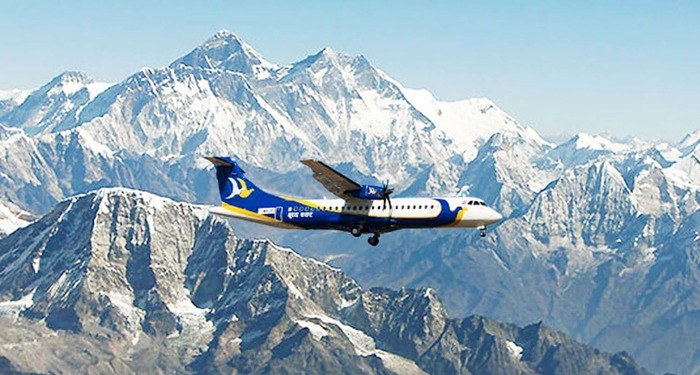
Discover the world's highest mountain with the Mt. Everest View Sightseeing Tour offered by Himalayan Adventure Intl Treks. Experience the spectacular beauty of the Himalayan mountain range from above as you fly from Kathmandu toward Mount Everest, the highest peak on Earth. This unforgettable sightseeing experience is an excellent choice for travelers who want to witness the grandeur of the Himalayas without undertaking a demanding high-altitude trek.
Nepal is a country of extraordinary natural beauty, ancient cultural traditions, welcoming communities, and some of the most magnificent mountains in the world. Among its many attractions, Mount Everest holds a special place in the hearts of travelers, photographers, mountain lovers, and adventure enthusiasts. Standing at an elevation of 8,848.86 meters (29,031.7 feet), Mount Everest represents the ultimate symbol of Himalayan adventure.
However, you do not need to spend weeks trekking through remote mountain villages to appreciate its breathtaking beauty. A scenic mountain flight from Kathmandu provides an opportunity to observe Everest and other remarkable Himalayan peaks from the comfort of an aircraft. With Himalayan Adventure Intl Treks, you can arrange a convenient sightseeing experience that brings the extraordinary landscape of the Himalayas within reach.
Whether you are visiting Nepal for the first time, enjoying a holiday in Kathmandu, traveling with family, celebrating a special occasion, or preparing for a longer trekking adventure, the Mt. Everest View Sightseeing Tour offers a memorable way to discover Nepal's mountain scenery.
From the moment you leave Kathmandu to the time you return to your hotel, the experience combines beautiful aerial views, a fascinating perspective on Himalayan geography, and the excitement of seeing some of the world's most celebrated mountains.
Join Himalayan Adventure Intl Treks for an unforgettable opportunity to experience the magnificent Himalayan panorama and create lasting memories of your visit to Nepal.
Experience the Magic of Mount Everest from the Sky
Imagine watching the first light of morning spread across a spectacular Himalayan landscape. Snow-covered summits rise above deep valleys, glaciers reflect the morning sunlight, and distant mountain ridges stretch toward the horizon. Somewhere among these extraordinary peaks stands Mount Everest, the highest mountain in the world.
The Mt. Everest View Sightseeing Tour offers an opportunity to experience this remarkable scenery without the physical demands of high-altitude trekking. Instead of following a mountain trail for several days, you can enjoy panoramic views from an aircraft operating on a scheduled mountain-flight route.
As your flight leaves Kathmandu Valley, the landscape gradually changes from the city's busy streets and surrounding hills to the immense mountain ranges of eastern Nepal. On clear days, the Himalayas appear in extraordinary detail, revealing snow-covered ridgelines, dramatic summits, and distant valleys shaped by centuries of natural forces.
Depending on the flight route and visibility, passengers may see several famous Himalayan peaks, including Mount Everest, Lhotse, Makalu, Cho Oyu, and other mountains in the greater Himalayan region. The exact mountains visible vary with the aircraft's route, weather conditions, and cloud cover.
Seeing Everest from the air provides a different perspective from viewing it during a trek. From above, the surrounding mountains appear as an immense landscape of interconnected ridges, glaciers, and high-altitude valleys. The experience helps visitors appreciate the scale of the Himalayan range and the extraordinary natural environment of Nepal.
Himalayan Adventure Intl Treks helps travelers organize this scenic experience with practical information about airport transfers, flight arrangements, departure procedures, and weather-related considerations. Our goal is to make your sightseeing tour convenient, informative, and enjoyable.
Why Choose the Mt. Everest View Sightseeing Tour?
The Mt. Everest View Sightseeing Tour is designed for travelers who want to enjoy Himalayan scenery within a limited time. It is particularly suitable for visitors who cannot undertake a long trek but still want to experience the beauty of Mount Everest.
There are many reasons to include an Everest sightseeing flight in your Nepal travel itinerary.
1. See Mount Everest Without Trekking
Reaching Everest Base Camp on foot requires several days of trekking, proper acclimatization, physical preparation, and suitable equipment. A mountain sightseeing flight offers an alternative for visitors who have limited time or prefer not to hike at high altitude.
You can enjoy aerial views of the Himalayan landscape while remaining comfortably seated inside the aircraft. This makes the experience suitable for many travelers who want to appreciate Nepal's mountains without committing to a strenuous adventure.
Although the flight offers impressive mountain views, it is not a substitute for visiting Everest Base Camp on foot. Rather, it provides its own distinctive experience of the Himalayas.
2. Enjoy Panoramic Himalayan Views
The Himalayan mountain range contains some of the world's most spectacular natural scenery. During a mountain flight, passengers may observe multiple mountain peaks, long snow-covered ridges, deep valleys, and glacial landscapes.
The views depend on the selected flight route and the day's weather conditions. On a clear morning, the mountain panorama can be particularly impressive, with sunlight illuminating the snowy summits against the blue sky.
3. Ideal for Travelers with Limited Time
A fixed-wing Everest sightseeing flight generally takes around 50 minutes to one hour, although the complete experience takes longer when airport transfers, check-in, boarding, and possible weather delays are included.
This makes the tour a practical addition to a short stay in Kathmandu. Travelers can arrange a morning flight and use the remaining day to explore Kathmandu's cultural attractions, visit local markets, or relax at their hotel, depending on the actual flight schedule.
4. A Memorable Photography Opportunity
The Himalayan landscape offers remarkable photographic opportunities. From the aircraft, travelers can photograph snow-covered peaks, mountain ridges, glaciers, and the distant silhouette of Everest when visibility permits.
A camera or smartphone can help capture the experience, although reflections on aircraft windows and changing light conditions may affect photographs. Keeping the lens close to the window without pressing against it can help reduce reflections.
Passengers should follow the crew's instructions throughout the flight and remain seated with their seat belts fastened whenever required.
5. Suitable for Different Types of Travelers
The sightseeing flight can appeal to solo travelers, couples, families, older visitors, photography enthusiasts, and people interested in Nepal's natural landscape.
It is also a useful option for travelers who want to experience the Himalayas before or after a trekking holiday. If you are planning an Everest Base Camp Trek, Annapurna Circuit Trek, Manaslu Circuit Trek, or another Himalayan adventure, an aerial sightseeing experience can provide a complementary perspective on the mountains.
Mt. Everest View Sightseeing Tour Highlights
Scenic mountain flight departing from Kathmandu, Nepal.
Aerial views of Mount Everest, weather and route permitting.
Opportunities to see other famous Himalayan peaks.
Spectacular views of snow-covered mountains and rugged ridgelines.
A convenient experience for travelers with limited holiday time.
No trekking or high-altitude hiking required.
A memorable sightseeing option for couples, families, and solo travelers.
Assistance with flight arrangements through Himalayan Adventure Intl Treks.
Optional hotel pickup and drop-off when included in the selected package.
Opportunities for mountain photography from the aircraft.
A convenient addition to a Kathmandu sightseeing itinerary.
An unforgettable way to appreciate Nepal's Himalayan landscape.
Mt. Everest View Sightseeing Tour Itinerary
The following itinerary describes a typical morning mountain sightseeing flight from Kathmandu. The exact departure time, transfer arrangements, airline, flight route, and return schedule depend on the booking confirmation and operating conditions.
Early Morning: Hotel Pickup in Kathmandu
Your experience may begin early in the morning, when mountain sightseeing flights are commonly scheduled. If your selected package includes hotel transportation, a driver from the arranged transport service will meet you at your hotel at the confirmed pickup time.
For planning purposes, an early pickup around 5:00–5:30 AM may be appropriate for some departures, but the actual time will be confirmed according to the airline's schedule and airport requirements.
We recommend being ready in your hotel lobby several minutes before the scheduled pickup. Because flight schedules can change, please check your final travel instructions before the tour.
An early departure allows you to reach the airport with sufficient time for check-in and boarding procedures. Mountain visibility is often favorable during the morning, although no time of day can guarantee clear weather.
Transfer to Tribhuvan International Airport
You will travel to Tribhuvan International Airport, Kathmandu, Nepal's principal international airport and the departure point for many domestic mountain sightseeing flights.
If hotel transportation is included in your package, your driver will take you directly to the airport. The transfer time depends on your hotel's location, traffic conditions, and the time of departure.
At the airport, you will follow the airline's instructions for check-in, boarding-pass collection, security procedures, and departure-gate arrangements.
Our team can provide practical guidance before your flight so you understand where to go and what to expect. Airline staff are responsible for the official check-in and boarding process.
Check-In and Flight Preparation
After arriving at the airport, complete the required airline check-in procedures. Keep your passport or other required identification and booking confirmation accessible.
Your boarding pass will provide the information needed for boarding. Please listen carefully to airport announcements and follow the instructions given by airline personnel.
Depending on the airline and package, you may receive information about the flight route and the mountains expected to be visible. Some operators provide a mountain identification chart or a briefing to help passengers recognize notable peaks.
Before boarding, make sure your camera or phone is ready, while respecting all airport and airline safety instructions.
Begin Your Himalayan Mountain Flight
Once boarding is complete and the aircraft is cleared for departure, your sightseeing journey begins.
As the aircraft leaves Kathmandu, you will see the city and its surrounding hills from a new perspective. The landscape gradually opens toward the distant Himalayan range.
As the aircraft follows its designated route, the mountains become increasingly prominent. On a clear day, the contrast between green hills, deep valleys, rocky ridges, and snow-covered summits creates a remarkable panorama.
The precise flight path varies by airline and operational requirements. Your flight may pass within viewing distance of numerous Himalayan peaks, depending on the route and conditions.
Discover the Himalayan Mountain Range
During the flight, you may have the opportunity to see several notable Himalayan peaks. The mountains visible on your journey depend on the airline's route, visibility, and weather.
Mount Everest (8,848.86 m): The world's highest mountain above sea level and the principal attraction of the tour. Everest rises above the surrounding Himalayan landscape, creating an unforgettable sight when weather conditions allow a clear view.
Lhotse (8,516 m): The world's fourth-highest mountain, located close to Everest. Its immense ridges and steep mountain faces form part of the dramatic landscape surrounding the Everest massif.
Makalu (8,485 m): A magnificent Himalayan peak recognized for its distinctive shape and rugged mountain terrain. It is among the highest mountains in the world.
Cho Oyu (8,188 m): One of the world's highest mountains, situated in the Himalayas near the Nepal–Tibet border.
Shishapangma (8,027 m): A major Himalayan summit located in Tibet. Its visibility depends on the flight route and atmospheric conditions.
Nuptse: A prominent mountain near Everest, forming part of the impressive high-altitude landscape surrounding the Khumbu region.
Ama Dablam: A celebrated mountain in the Everest region, admired for its distinctive ridges and striking appearance. Whether it is visible from your flight depends on the route and viewing conditions.
Langtang Lirung (7,227 m): A major summit in the Langtang Himal, north of Kathmandu. Its visibility depends on the route and weather.
These descriptions introduce some of the mountains associated with Nepal's wider Himalayan region. They are not a guarantee that every peak will be visible during an individual sightseeing flight.
Enjoy Aerial Views of Everest
The highlight of the tour is the opportunity to see Mount Everest from the air. From the aircraft, the mountain forms part of an expansive panorama of surrounding Himalayan peaks and ridges.
The view differs from the perspective experienced on the Everest Base Camp Trek. Instead of standing on a trail surrounded by mountain scenery, you observe the Himalayan landscape from above.
This perspective makes it possible to appreciate the size and complexity of the mountain range. Snow-covered ridges, deep valleys, and neighboring summits demonstrate why the Himalayas remain a source of fascination for travelers from around the world.
Please remember that an Everest sightseeing flight does not land on the mountain or at Everest Base Camp. It is an aerial sightseeing experience, and the distance from Everest varies according to the designated flight route.
Return Flight to Kathmandu
After completing the scheduled mountain sightseeing route, the aircraft returns to Kathmandu.
The return journey provides additional opportunities to appreciate the Himalayan panorama, depending on the flight path and visibility. Follow the crew's instructions regarding seat belts, movement inside the cabin, photography, and other safety requirements.
The duration of the flight is generally around 50 minutes to one hour, subject to the airline's schedule and operational conditions.
Airport Arrival and Hotel Transfer
After landing at Tribhuvan International Airport, you will disembark according to the crew's instructions.
If your package includes a return transfer, your driver will meet you at the agreed location and take you back to your hotel in Kathmandu.
Your Mt. Everest View Sightseeing Tour concludes after the return transfer, leaving you with photographs and memories of your Himalayan experience.
If you have another activity planned for the same day, allow extra time in your schedule for possible weather delays, waiting periods, or changes to the flight timetable.
What Makes the Everest Sightseeing Flight Special?
Mount Everest has inspired explorers, climbers, photographers, scientists, and travelers for generations. Its immense elevation and dramatic setting have made it one of the world's most recognizable natural landmarks.
A mountain sightseeing flight offers an accessible way to appreciate this extraordinary region. It combines the convenience of air travel with the beauty of the Himalayan landscape, making it particularly attractive to visitors who have limited time in Nepal.
For some travelers, the flight is the main highlight of their Kathmandu visit. For others, it is a memorable addition to a longer holiday that includes cultural sightseeing, wildlife experiences, or mountain trekking.
The experience also offers an introduction to the geography of Nepal. Observing the transition from Kathmandu Valley toward the high Himalayas provides a useful perspective on the country's varied landscapes and remarkable changes in elevation.
Himalayan Adventure Intl Treks can help you arrange the experience according to your travel plans, preferred date, available flight services, and transportation requirements.
Best Time for the Mt. Everest View Sightseeing Tour
Mountain visibility depends heavily on weather conditions. Nepal experiences seasonal changes that influence cloud cover, rainfall, atmospheric clarity, and the appearance of the Himalayan landscape.
Autumn: September to November
Autumn is one of the most popular periods for visiting Nepal. Following the summer monsoon, weather conditions often become more favorable for mountain views.
October and November can offer excellent opportunities for Himalayan sightseeing, although cloud cover, wind, and other weather conditions may still affect flights.
This season is also popular for trekking in the Everest, Annapurna, Langtang, and Manaslu regions. Travelers planning a mountain holiday may find it convenient to include an Everest sightseeing flight in their itinerary.
Winter: December to February
Winter can provide crisp mountain views when skies are clear. Snow-covered summits may appear especially striking against a deep blue sky.
However, winter mornings can be cold, and visibility is not guaranteed. Flights may be delayed or canceled when weather or operating conditions are unsuitable.
If you plan to travel during winter, keep your schedule flexible and confirm the airline's arrangements before departure.
Spring: March to May
Spring is another popular season for visiting Nepal. The days gradually become warmer, and the Himalayan region attracts trekkers and climbers preparing for expeditions.
Mountain sightseeing flights can provide beautiful views during suitable weather conditions. However, haze, clouds, and changing atmospheric conditions can affect visibility.
Spring is also a convenient time to combine a mountain flight with cultural tours in Kathmandu or visits to other parts of Nepal.
Monsoon: June to August
The summer monsoon brings increased rainfall and cloud cover to many parts of Nepal. These conditions can make Himalayan visibility less predictable.
Mountain sightseeing flights may operate when conditions permit, but travelers should be prepared for changes or cancellations.
If your travel dates fall during the monsoon, we recommend checking flight availability and allowing flexibility in your itinerary.
Our recommendation: September through November and March through April are useful periods to consider for an Everest sightseeing flight. Nevertheless, mountain visibility depends on actual weather conditions rather than the season alone.
How Far Is Mount Everest from Kathmandu?
Kathmandu is the main gateway for travelers visiting Nepal's Himalayan region. Mount Everest lies to the northeast of Kathmandu, within the Himalayan range along the Nepal–Tibet border.
The distance between Kathmandu and Everest depends on the exact points being measured. A sightseeing flight follows a designated route designed around the airline's operating procedures and the geography of the mountains.
Passengers should not expect to fly directly over the summit or land near Everest during a standard fixed-wing sightseeing flight. The aircraft provides aerial views from its approved route, allowing travelers to see Everest and other peaks when visibility permits.
The experience is designed to offer a broad view of the Himalayan landscape rather than a landing at a particular mountain location.
Everest Mountain Flight: Fixed-Wing Aircraft Experience
A fixed-wing mountain sightseeing flight is one of the most convenient ways to view Mount Everest during a short stay in Kathmandu.
Flights are operated by airlines offering scheduled mountain sightseeing services. Aircraft types and passenger capacities vary by operator, so the exact aircraft used for your departure should be confirmed at booking.
Window Seating
Window seating is particularly important for a scenic mountain flight. It allows passengers to look directly toward the landscape and take photographs through the aircraft windows.
Some operators arrange window seats for all passengers on their mountain sightseeing flights. However, seating policies vary, and the airline's current arrangements should be confirmed rather than assumed.
When booking through Himalayan Adventure Intl Treks, ask us to confirm the seating