

Maha Shivaratri Tour Information
14th Mar, 2026
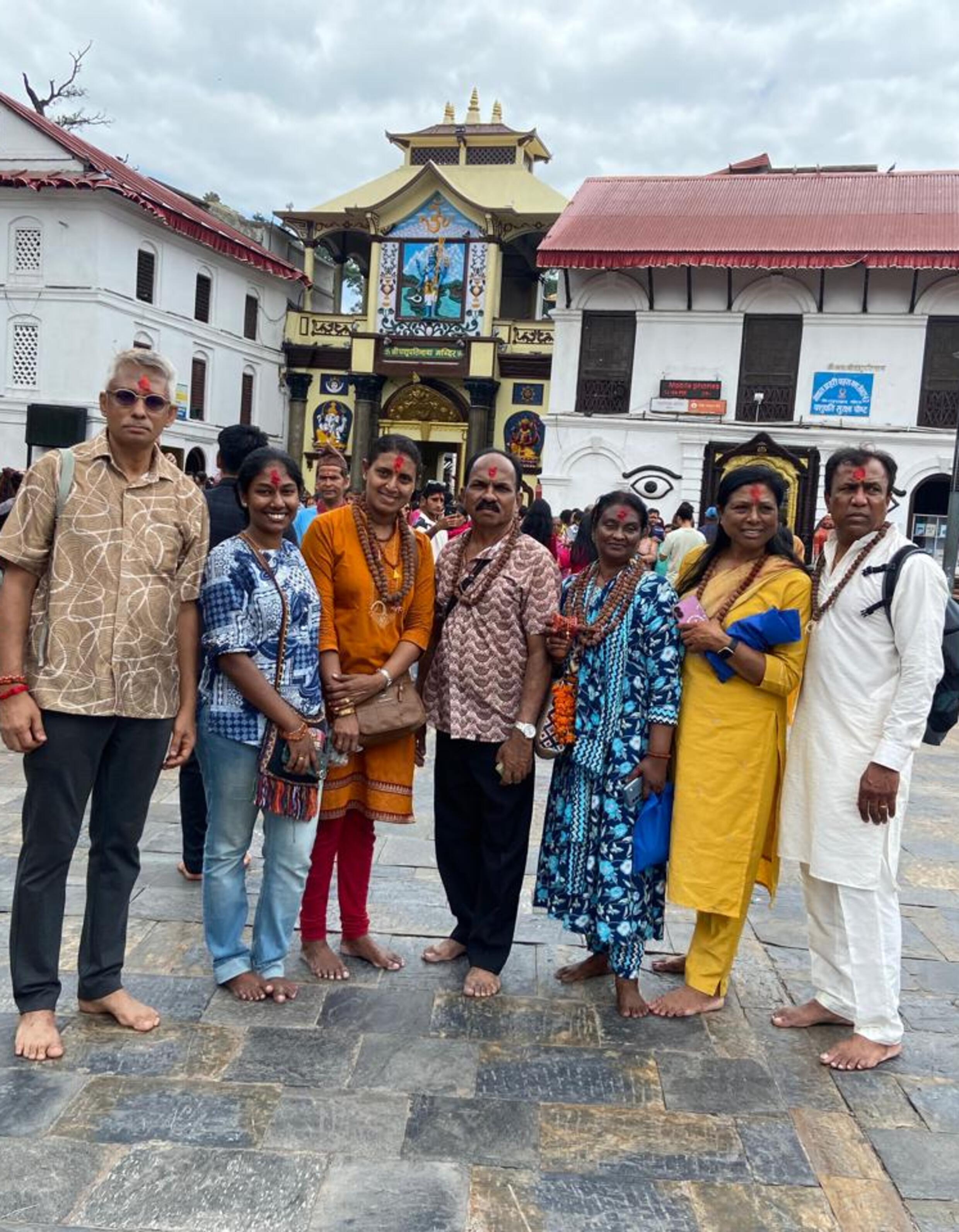
The Maha Shivaratri Festival Tour in Nepal is a unique cultural and spiritual journey designed for travelers who want to experience one of the most important Hindu festivals in an authentic Himalayan setting. Celebrated in honor of Lord Shiva, Maha Shivaratri brings together pilgrims, devotees, ascetics, spiritual seekers, photographers, culture enthusiasts, and visitors from Nepal and around the world. The heart of the celebration is the sacred Pashupatinath Temple in Kathmandu, where the atmosphere becomes especially vibrant with religious ceremonies, devotional music, chanting, traditional rituals, temple visits, and gatherings of holy men.
Hand-picked itineraries
Recommended Trips
Related journeys you may want to explore after reading this article.

At Himalayan Adventure Intl Treks, we organize the Maha Shivaratri Festival Tour to provide travelers with an opportunity to experience Nepal beyond its mountains and trekking trails. The festival offers an exceptional introduction to Nepalese religious traditions, Hindu philosophy, sacred architecture, living culture, and the spiritual importance of the Kathmandu Valley.
Maha Shivaratri is commonly translated as the “Great Night of Shiva.” It is observed according to the Hindu lunar calendar and generally falls during February or March. Devotees observe fasting, prayers, meditation, temple visits, devotional singing, and night-long worship. At Pashupatinath, special ceremonies continue throughout the day and into the night, creating an extraordinary atmosphere around the Bagmati River and the ancient temple complex.
The festival is particularly significant at Pashupatinath because the temple is regarded as one of the most important sacred centers dedicated to Lord Shiva. During Shivaratri, large numbers of pilgrims arrive in Kathmandu to receive blessings, participate in religious activities, and observe special worship. The source itinerary emphasizes night vigils, worship of the Shiva Lingam, offerings such as water, milk, and Bael leaves, devotional chanting, and the presence of Sadhus and Rishis.
Our carefully arranged festival tour combines the major Shivaratri experience with sightseeing around the Kathmandu Valley. Depending on the selected package, guests can visit Pashupatinath, Boudhanath, Swayambhunath, Budhanilkantha, Doleshwar Mahadev, and the Kailashnath Mahadev statue area at Sanga. This combination allows travelers to understand both the religious significance of Shivaratri and the broader cultural heritage of Nepal.
Why Experience Maha Shivaratri in Nepal?
Maha Shivaratri is celebrated in many parts of the Hindu world, but experiencing the festival at Pashupatinath offers a distinctive cultural setting. Kathmandu becomes a meeting point for devotees and spiritual practitioners, and the area surrounding the temple takes on a festive and devotional character.
Visitors can observe traditional pujas, devotional songs, temple ceremonies, religious processions, meditation, prayer, and evening Arati. The festival also provides an opportunity to learn about the different traditions associated with Lord Shiva and the long history of Shaiva worship in South Asia.
For international travelers, the festival is more than a sightseeing experience. It is a chance to observe a living religious tradition in its authentic environment. Guests should remember that Pashupatinath is an active place of worship, so respectful behavior, appropriate clothing, patience, and sensitivity toward pilgrims are essential.
Himalayan Adventure Intl Treks provides local guidance throughout the tour so that visitors can better understand the ceremonies and cultural practices they encounter. Our guides can explain the significance of important temples, shrines, statues, religious symbols, and rituals while helping guests navigate the busy festival environment.
Pashupatinath Temple – The Spiritual Center of Shivaratri
The principal destination of the Maha Shivaratri Festival Tour is Pashupatinath Temple, situated on the banks of the sacred Bagmati River in Kathmandu. It is one of Nepal's most important Hindu pilgrimage sites and a major destination for devotees of Lord Shiva.
During Maha Shivaratri, the temple area becomes exceptionally active. Pilgrims arrive from different parts of Nepal and neighboring countries, while Sadhus and other spiritual practitioners gather around the temple. Religious ceremonies, prayers, chanting, music, and traditional observances continue throughout the festival.
The central focus of worship is the Shiva Lingam. Devotees offer sacred substances according to their traditions and pray for spiritual blessings. Many devotees observe fasting and remain awake during the night as part of their religious observance.
The source material describes Pashupatinath as the main location of the celebration and highlights devotional singing, rituals, fasting, Tandav-related cultural performances, and the presence of ash-covered Sadhus.
Our tour does not simply take visitors to the temple and leave them to navigate the crowds. The aim is to provide organized transportation, local assistance, cultural interpretation, and practical guidance so that travelers can experience the festival more comfortably.
Religious Meaning of Maha Shivaratri
Maha Shivaratri carries several meanings within Hindu traditions. It is traditionally associated with Lord Shiva and is interpreted in different ways by different communities and schools of Hindu thought.
One widely known tradition connects Shivaratri with the divine union of Shiva and Goddess Parvati. Another tradition associates the occasion with the cosmic significance of Shiva and his role in overcoming darkness and ignorance. Some traditions connect the festival with Shiva's cosmic dance, known as the Tandava.
The diversity of these stories is part of what makes Maha Shivaratri culturally fascinating. Rather than being defined by only one interpretation, the festival incorporates several layers of mythology, devotion, philosophy, and ritual.
For devotees, the festival can be a time of prayer, discipline, reflection, purification, and spiritual renewal. Fasting and night-long worship are important observances for many followers. Others focus on meditation, chanting, temple worship, or listening to religious teachings.
Visitors do not need to be Hindu to appreciate the cultural importance of the festival. However, guests should approach the event as observers of a living religious tradition and respect the practices of those who are participating for spiritual reasons.
Maha Shivaratri at Pashupatinath
The Pashupatinath area becomes particularly lively during the festival. Devotees gather for worship, prayers, chanting, and other religious activities. Special arrangements are generally made by local authorities because of the exceptionally large number of visitors.
The source material notes that roads around the temple can become restricted and that a substantial area surrounding Pashupatinath may operate as a no-driving zone during the busiest period. As a result, visitors may need to walk part of the route or use designated local transportation.
This is an important practical aspect of the festival. Travelers should expect crowds, queues, security arrangements, temporary traffic restrictions, and longer walking distances than on an ordinary sightseeing day.
At Himalayan Adventure Intl Treks, we plan the day's movement around these conditions. Our local staff can advise guests about the most practical meeting points and walking routes while allowing sufficient time to experience the ceremonies.
Sadhus and Spiritual Traditions
One of the most distinctive features of Shivaratri in Kathmandu is the gathering of Sadhus, Hindu ascetics who follow different spiritual traditions. Many come to Pashupatinath specifically for the festival.
Visitors may see Sadhus wearing traditional religious clothing, applying sacred ash, carrying rudraksha beads, practicing meditation, or participating in rituals. Their appearance and practices can vary considerably because Hindu ascetic traditions include numerous groups and lineages.
The presence of Sadhus provides an opportunity to learn about India's and Nepal's long-standing traditions of pilgrimage, renunciation, meditation, and spiritual discipline. However, visitors should always ask permission before photographing individuals, particularly during private religious activities.
Our guides help guests understand the cultural context rather than treating religious practitioners simply as photographic subjects.
The Bagmati River and Evening Arati
The Bagmati River is closely connected with the religious life of Pashupatinath. The river flows beside the temple complex and holds important spiritual significance for Hindu devotees.
During festival periods, the riverfront becomes an important area for religious observance. Evening Arati ceremonies can create a deeply atmospheric experience, with lamps, chanting, devotional music, and prayers forming part of the ceremony.
Arati is a Hindu ritual involving the offering of light as part of worship. At Pashupatinath, the combination of the river, temple architecture, lamps, music, and evening surroundings creates a memorable cultural experience.
Guests on our Maha Shivaratri Tour can observe these traditions respectfully while our guide explains the basic cultural meaning of the ceremony.
Kathmandu Valley Cultural Experience
The Maha Shivaratri Festival Tour is not limited to Pashupatinath. Kathmandu Valley contains an extraordinary concentration of historic temples, stupas, shrines, statues, courtyards, and traditional settlements.
During the tour, we can include several important cultural destinations. These may include Boudhanath Stupa, Swayambhunath, Budhanilkantha, Doleshwar Mahadev, and Kailashnath Mahadev at Sanga according to the itinerary and local conditions.
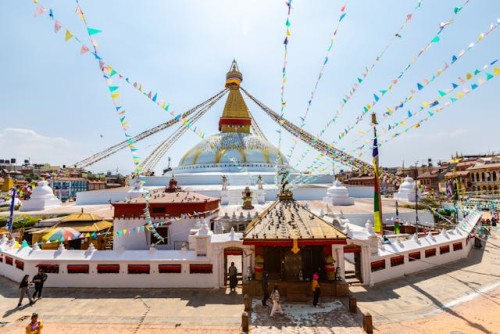
Boudhanath provides a contrasting cultural experience because of its strong Tibetan Buddhist heritage. Swayambhunath, commonly known as the Monkey Temple, combines Buddhist and Hindu traditions and provides extensive views across Kathmandu when weather permits.
Budhanilkantha is known for its large reclining image of Lord Vishnu situated in a water-filled setting. Doleshwar Mahadev is another important Shiva-related pilgrimage destination, while the Kailashnath Mahadev statue area at Sanga provides another opportunity to experience Nepal's religious landscape.
Together, these visits help travelers understand the religious diversity of the Kathmandu Valley.
Maha Shivaratri Festival Tour Highlights
- Experience Maha Shivaratri in Kathmandu, Nepal.
- Visit sacred Pashupatinath Temple during the major Shiva festival.
- Observe traditional pujas, chanting, devotional music, and religious ceremonies.
- Experience evening Arati near the Bagmati River.
- Learn about the traditions associated with Lord Shiva and Goddess Parvati.
- Observe the cultural presence of Sadhus and spiritual practitioners.
- Explore historic temples and religious sites throughout Kathmandu Valley.
- Visit Boudhanath Stupa and Swayambhunath.
- Explore Doleshwar Mahadev and Budhanilkantha.
- Visit the Kailashnath Mahadev statue area at Sanga.
- Enjoy guided cultural interpretation throughout the journey.
- Experience Nepalese hospitality and traditional cuisine.
- Enjoy a farewell dinner accompanied by Nepali cultural performances.
- Combine spirituality, culture, heritage, and sightseeing in one carefully organized tour.
Maha Shivaratri Festival Tour Itinerary
Day 01: Arrival in Kathmandu
Elevation: Approximately 1,350 meters
Accommodation: Hotel in Kathmandu
Meals: Breakfast, depending on arrival and package arrangement
Welcome to Kathmandu, the cultural and spiritual gateway to the Himalayas. Upon your arrival at Tribhuvan International Airport, a representative from Himalayan Adventure Intl Treks will meet you and transfer you to your hotel.
After check-in and some time to rest, your guide can provide an introduction to the upcoming Maha Shivaratri program. Depending on the festival schedule, traffic conditions, and temple access arrangements, you may have an opportunity to visit the Pashupatinath area in the evening and observe Arati Darshan.
The evening visit provides a gentle introduction to the spiritual atmosphere of Kathmandu. The Bagmati River, temple complex, devotional sounds, and evening lamps create a memorable first impression of Nepal's religious heritage.
Your guide will explain the basic customs to follow when visiting the temple area. Since Pashupatinath is an active religious site, guests should dress respectfully and follow local instructions.
After the evening experience, return to the hotel for overnight accommodation.
Day 01 Highlights: Airport welcome, Kathmandu introduction, Pashupatinath area, evening Arati experience, cultural briefing.
Day 02: Kathmandu Valley Sightseeing and Sacred Shiva Sites
Elevation: Approximately 1,350–1,500 meters
Accommodation: Hotel in Kathmandu
Meals: Breakfast and meals according to package
After breakfast, begin a guided sightseeing tour of Kathmandu Valley. An English- or Hindi-speaking guide will accompany you and explain the historical, cultural, and religious significance of the places visited.
Depending on the final schedule, today's program includes important destinations associated with Nepal's religious heritage. You may visit Kailashnath Mahadev at Sanga, Doleshwar Mahadev, and Boudhanath Stupa.
The Kailashnath Mahadev statue provides a striking introduction to the representation of Lord Shiva in Nepalese religious culture. At Doleshwar Mahadev, travelers can experience another important Shiva pilgrimage destination and learn about its significance to devotees.
Later, continue toward Boudhanath. The enormous Buddhist stupa and surrounding monasteries create a very different atmosphere from Pashupatinath, demonstrating the religious diversity that exists within the Kathmandu Valley.
Your guide will explain the customs associated with each location and allow time for photography, observation, and personal reflection.
Return to Kathmandu in the evening and prepare for the principal Shivaratri celebration.
Day 02 Highlights: Sanga, Kailashnath Mahadev, Doleshwar Mahadev, Boudhanath Stupa, cultural sightseeing, guided interpretation.
Day 03: Full-Day Maha Shivaratri Festival Experience
Elevation: Approximately 1,350 meters
Accommodation: Hotel in Kathmandu
Meals: Breakfast and meals according to package
Today is the principal festival experience. After an early breakfast, prepare for a full day of Maha Shivaratri celebrations at Pashupatinath Temple.
Because of the enormous number of visitors, the day requires patience and flexibility. Roads near the temple may be restricted, and visitors may need to walk from designated transportation points. Your guide and local staff will coordinate the day's movements according to the prevailing conditions.
At Pashupatinath, observe devotees participating in worship, prayers, chanting, religious ceremonies, and other traditional activities. The source itinerary specifically describes observing four periods of worship, referred to as 4 Pahar Pooja, associated with morning, midday, evening, and midnight observances.
The festival atmosphere continues into the evening. Devotional music, chanting, lamps, ceremonies, and gatherings of pilgrims contribute to the unique character of the night.
The concept of staying awake during Shivaratri has deep religious significance for devotees. Visitors who choose to remain at the festival should be prepared for crowds, limited seating, and long periods of standing or walking.
Our role is to assist with logistics while giving you the freedom to observe the festival at your own pace.
Day 03 Highlights: Full-day Pashupatinath experience, Maha Shivaratri worship, 4 Pahar Pooja observations, devotional atmosphere, Arati, night festival experience.
Day 04: Budhanilkantha and Swayambhunath
Elevation: Kathmandu Valley
Accommodation: Hotel in Kathmandu
Meals: Breakfast and meals according to package
After the intensity of the festival, enjoy a comparatively relaxed sightseeing day. In the afternoon, visit Budhanilkantha, famous for its large reclining representation of Lord Vishnu resting in water.
The visit provides a valuable opportunity to see another important part of Nepal's Hindu heritage. Although Maha Shivaratri is dedicated to Shiva, the Kathmandu Valley's religious traditions extend across numerous Hindu and Buddhist deities and sacred sites.
Continue to Swayambhunath, one of Kathmandu's most recognizable religious landmarks. Located on a hill above the Kathmandu Valley, the complex contains Buddhist stupas, shrines, temples, prayer flags, and religious sculptures. Hindu and Buddhist traditions have historically existed alongside each other throughout the valley.
From the hilltop, weather permitting, visitors can enjoy broad views over Kathmandu.
After sightseeing, return to the hotel. The evening can be used for rest, shopping, or independent exploration.
A farewell dinner featuring Nepali cuisine and cultural entertainment can be arranged according to the package.
Day 04 Highlights: Budhanilkantha, Swayambhunath, Kathmandu Valley views, Hindu-Buddhist cultural heritage, farewell experience.
Day 05: Departure from Kathmandu
Elevation: Approximately 1,350 meters
Meals: Breakfast
After breakfast, complete your final preparations and check out