

Hire a Guide Nepal Trekking Information
11th Mar, 2026
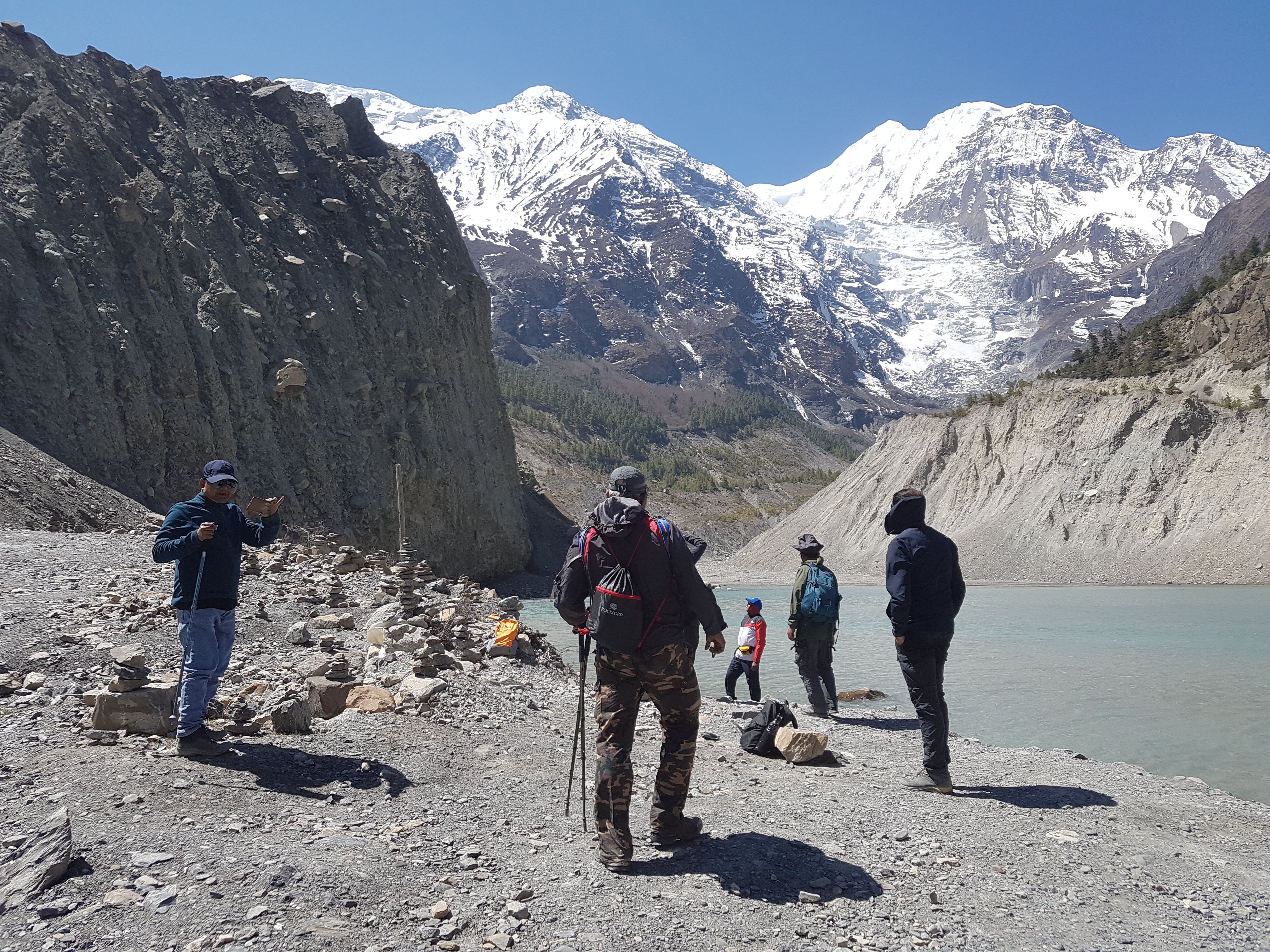
Nepal is one of the world's most remarkable destinations for trekking, with Himalayan trails extending from relatively easy foothill walks to demanding high-altitude adventures. From the legendary Everest Base Camp and Everest Three Passes to the peaceful Gokyo Lakes, Langtang Valley, Kanchenjunga, Mardi Himal, Annapurna, and Khopra Ridge, every trekking region offers its own combination of mountain scenery, culture, landscapes, wildlife, and local traditions.
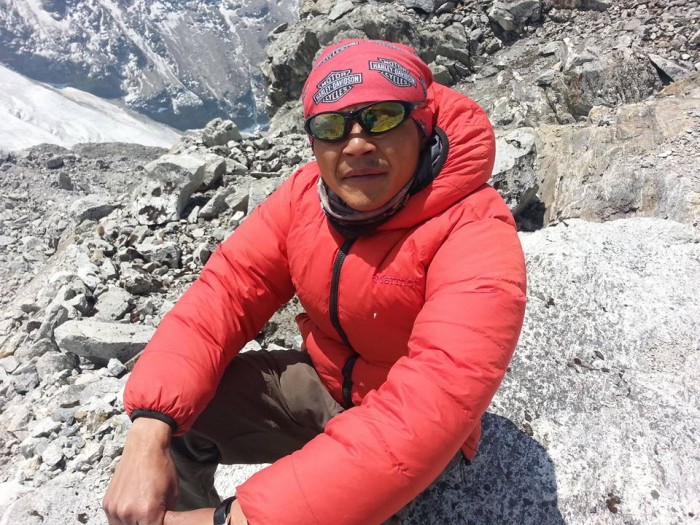
For travelers planning to trek in Nepal, hiring a professional trekking guide can make the journey safer, more organized, informative, and enjoyable. A knowledgeable guide helps travelers navigate trails, communicate with local communities, organize accommodation and meals, understand local customs, manage trekking logistics, and respond appropriately when weather or altitude creates challenges.
Himalayan Adventure Intl Treks provides trekking guide, porter, porter-guide, female guide, language-speaking guide, group trekking, private trekking, tea-house trekking, restricted-area trekking, helicopter tours, and customized Himalayan travel services throughout Nepal.
Nepal's current trekking regulations also make a guide particularly important on many routes. Under the revised TIMS provisions, trekkers on several protected routes must be accompanied by a licensed trekking guide and carry a trekking-agency-issued TIMS card. The listed routes include Everest Base Camp, Gokyo, Cho La, Everest Three Passes, Kanchenjunga routes, and several other protected trekking areas.
Why Hire a Guide for Trekking in Nepal?
Trekking independently can appear simple when looking at a map, but Himalayan conditions are very different from ordinary hiking environments. Trails can cross suspension bridges, forests, steep mountain terrain, high passes, remote settlements, and areas where weather changes rapidly.
A professional guide provides much more than directions.
Your guide can help you select appropriate daily walking distances, locate suitable tea houses, communicate with lodge owners, arrange meals, explain cultural traditions, assist with permits, monitor your condition at altitude, and coordinate emergency arrangements if required.
A local guide also adds an important cultural dimension to a trek. Instead of simply walking through villages, you can learn about Sherpa, Tamang, Gurung, Magar, Thakali, Tibetan-influenced, Rai, Limbu, and other Himalayan communities.
For visitors unfamiliar with Nepal, a guide can also make practical matters much easier. Transportation, accommodation, permits, local customs, weather changes, and trail conditions can all be handled through one experienced point of contact.
Hire a Trekking Guide in Nepal – Cost
Our indicative trekking guide rate is:
Professional trekking guide: USD 30 per day
The final price can vary according to the trekking region, duration, altitude, remoteness, season, group size, guide experience, language requirement, and service level.
A normal guide package may include guiding services, trail navigation, basic logistical assistance, communication with tea houses, and coordination with the trekking agency. Some expenses, such as transportation, accommodation, meals, permits, insurance, and equipment, may be calculated separately depending on the package.
For restricted and remote trekking regions, the overall cost is normally higher because of special permits, additional transportation, longer itineraries, and additional logistical requirements.
Guide Insurance – USD 50
Guide safety is an important part of responsible trekking operations.
Himalayan Adventure Intl Treks can arrange guide insurance at an indicative cost of USD 50. Insurance requirements and actual costs can vary according to the nature and duration of the trip.
Guide insurance is particularly important for high-altitude and remote expeditions because guides may work in environments involving cold weather, steep trails, high passes, and limited access to medical facilities.
For demanding treks, we recommend confirming the insurance arrangements for guides and other trekking staff before departure.
Female Trekking Guide in Nepal
For travelers who prefer a female trekking guide, Himalayan Adventure Intl Treks can arrange a professional female guide.
Female guide cost: approximately USD 30 per day
A female guide can be particularly suitable for women travelers, female-only groups, families, and travelers who prefer a female trekking professional.
Our female guides can provide the same essential trekking services as other professional guides, including trail assistance, accommodation coordination, cultural interpretation, and trekking logistics.
A female guide can also provide an opportunity for visitors to learn more about women's lives, family structures, education, work, and changing social conditions in Himalayan communities.
Language-Speaking Trekking Guide
Nepal has experienced trekking guides who speak several international languages.
For travelers who want detailed communication in a language other than standard English, Himalayan Adventure Intl Treks can arrange language-speaking guides according to availability.
Language-speaking guide: approximately USD 50–70 per day
The final cost depends on the language, guide availability, trekking region, duration, and season.
Language-specific guides may be available for travelers requiring French, Spanish, German, Italian, Chinese, Japanese, Korean, or other languages, subject to availability.
Having a guide who communicates comfortably in your preferred language can make technical explanations, cultural interpretation, safety briefings, and daily trekking discussions much easier.
Porter Guide in Nepal
A porter-guide is an excellent option for travelers who want personal assistance while keeping the trekking group relatively small.
Porter-guide cost: approximately USD 25 per day
A porter-guide generally combines elements of porter assistance and basic guiding services. The exact responsibilities should always be confirmed before the trek.
A porter-guide can carry part of your trekking luggage while also helping with trail navigation and basic logistical communication.
For shorter and less technical treks, a porter-guide can be a practical choice. For challenging high-altitude routes such as Everest Three Passes, remote Kanchenjunga, or other demanding journeys, a fully licensed professional trekking guide may be more appropriate.
Popular Nepal Treks Where You Can Hire a Guide
Everest Base Camp Trek
The Everest Base Camp Trek is one of Nepal's most famous Himalayan journeys. The trail passes through the Sherpa settlements of the Khumbu region and provides views of Everest, Lhotse, Nuptse, Ama Dablam, Thamserku, and other major peaks.
A guide helps organize Lukla transportation, accommodation, permits, daily trekking schedules, and acclimatization days.
The traditional route passes through Phakding, Namche Bazaar, Tengboche, Dingboche, Lobuche, and Gorakshep before reaching Everest Base Camp.
The Everest region is a protected area, and the Nepal Tourism Board lists Everest Base Camp among routes where a licensed guide and agency-issued TIMS card are required under the revised provisions.
Everest Three Passes Trek
The Everest Three Passes Trek is a challenging high-altitude adventure crossing three major passes: Renjo La, Cho La, and Kongma La.
This route is considerably more demanding than the standard Everest Base Camp trek because of the high passes, changing weather, snow conditions, and prolonged exposure to altitude.
Hiring an experienced guide is especially useful for route planning, acclimatization, pass conditions, and emergency decision-making.
The itinerary can include Namche Bazaar, Thame, Renjo La, Gokyo, Cho La, Everest Base Camp, Kongma La, and the Imja Valley, depending on the selected direction.
Gokyo Lakes Trek
The Gokyo Lakes Trek offers an alternative Everest-region experience centered around the beautiful turquoise glacial lakes of the Gokyo Valley.
The route passes through Namche Bazaar, Dole, Machhermo, and Gokyo. Travelers can climb Gokyo Ri for panoramic views of Everest, Cho Oyu, Lhotse, Makalu, and surrounding peaks.
The Nepal Tourism Board specifically includes Gokyo Trek and several connected Everest routes among the trekking areas subject to the guide and TIMS requirement.
A guide is valuable because the Gokyo region involves significant altitude gain and remote mountain terrain.
Langtang Valley Trek
Langtang Valley is one of the most accessible Himalayan trekking regions from Kathmandu.
The journey travels toward the Langtang National Park and continues through forests, Tamang villages, alpine landscapes, and high mountain settlements.
The route can include Syabrubesi, Lama Hotel, Langtang Village, Kyanjin Gompa, and Kyanjin Ri, depending on the itinerary.
Langtang National Park currently lists an entrance fee of NPR 3,000 for foreign visitors and NPR 1,500 for SAARC nationals.
A guide helps with accommodation, local communication, cultural interpretation, and altitude management.
Kanchenjunga Trek
The Kanchenjunga region lies in eastern Nepal and provides an exceptionally remote Himalayan trekking experience.
The Kanchenjunga Base Camp Trek travels through traditional mountain villages, forests, valleys, glaciers, and high-altitude landscapes.
Because Kanchenjunga is remote and includes restricted areas, organized trekking is particularly important. Current Nepal Tourism Board information lists Kanchenjunga Conservation Area entry fees at NPR 2,000 for foreign visitors and NPR 500 for SAARC nationals, while the Department of Immigration separately lists restricted-area trekking permit fees for the Taplejung restricted zones.
A guide is essential for navigating this remote region and coordinating permits and accommodation.
Mardi Himal Trek
Mardi Himal is a popular short trek in the Annapurna region. It provides excellent mountain views without requiring the long duration of some major Himalayan circuits.
The trail passes through forests, ridges, traditional settlements, and alpine terrain, eventually reaching Mardi Himal Base Camp.
Mardi Himal is suitable for travelers seeking a relatively short Himalayan trekking experience, although altitude should still be taken seriously.
A guide can arrange tea-house accommodation, transportation from Pokhara, meals, and daily walking plans.
Annapurna Trekking
The Annapurna region offers some of Nepal's most diverse trekking experiences.
Popular options include the Annapurna Circuit, Annapurna Base Camp, Ghorepani Poon Hill, Tilicho Lake, and other customized routes.
The region combines dramatic mountain scenery with changing landscapes, from lower subtropical areas to high alpine environments.
The Annapurna Conservation Area is one of Nepal's major protected trekking destinations. Current Nepal Tourism Board fee information lists NPR 3,000 for foreign visitors and NPR 1,000 for SAARC nationals in its general park-entry table.
Because official fee pages can differ by route or update cycle, travelers should confirm the applicable permit before departure.
Khopra Ridge Trek
Khopra Ridge is a beautiful alternative trekking route in the Annapurna region.
The trail provides impressive views of Dhaulagiri, Annapurna South, Nilgiri, Fang, and other Himalayan peaks.
Khopra Ridge is less crowded than some of the better-known Annapurna trails and can be combined with Khayer Lake depending on the itinerary and season.
A local guide can help travelers discover small villages, understand local culture, find appropriate tea houses, and manage the route safely.
Tea House Trekking in Nepal
Tea-house trekking is one of the most popular ways to explore Nepal's Himalayas.
Instead of camping every night, travelers stay in locally operated lodges and tea houses along established trekking routes.
Tea houses generally provide a bed, blankets or bedding, meals, hot drinks, and basic facilities. Standards vary considerably between regions and altitude levels.
In popular destinations such as Everest, Annapurna, and Langtang, tea-house trekking makes it possible to travel without carrying a complete camping setup.
A guide helps arrange rooms, communicate with lodge owners, select appropriate accommodation, and coordinate meals.
Tea-house availability can become limited during peak seasons, so advance planning is useful for popular routes.
Group Joining Trek in Nepal
Group joining trekking is suitable for solo travelers or couples who want to trek with other international travelers.
The cost depends on the trekking region, itinerary, duration, season, group size, transportation requirements, and permits.
A typical group-joining package arranged by Himalayan Adventure Intl Treks can include:
- Professional trekking guide
- Ground transportation
- Breakfast, lunch, and dinner
- National park permits
- Local permits
- Necessary trekking arrangements
- Accommodation according to the selected itinerary
- Trekking-agency coordination
The exact inclusions should always be confirmed in the final itinerary because requirements vary between trekking regions.
Private Trek in Nepal
A private trek gives travelers greater control over their itinerary.
Private trekking is suitable for families, couples, friends, photographers, experienced trekkers, and travelers who want flexible walking schedules.
The cost depends on the trekking route and required services.
A private trek may include private transportation, professional guide, accommodation, meals, permits, porter services, airport transfers, and other arrangements.
Private trekking also allows travelers to adjust the walking pace according to their physical condition and interests.
Small Group Trekking in Nepal
Small-group trekking offers a balance between personal attention and group travel.
Himalayan Adventure Intl Treks can organize small groups with transportation, accommodation, meals, permits, guides, porters, and other necessary arrangements.
Small groups can often move efficiently while maintaining a friendly social atmosphere.
They are particularly suitable for friends, families, clubs, schools, organizations, and travelers who want to share a Himalayan experience.
Large Group Trekking – 6 to 10 People
Himalayan Adventure Intl Treks can organize trekking groups of approximately 6 to 10 people with complete logistical arrangements.
Larger groups require careful coordination of accommodation, transportation, meals, permits, guide-to-client ratios, porter support, and daily trekking schedules.
A group of this size can be organized for Everest Base Camp, Annapurna, Langtang, Mardi Himal, Manaslu, and other appropriate trekking routes.
For restricted regions and demanding high-altitude routes, group composition and permit regulations must be checked before confirmation.
Nepal Trek by Helicopter
Helicopter services provide an alternative to conventional trekking for travelers with limited time or special transportation requirements.
Himalayan Adventure Intl Treks can arrange helicopter-supported journeys where operational conditions, weather, aviation regulations, and local requirements permit.
Helicopters can be useful for mountain sightseeing, transfers, emergency evacuation arrangements, or combining trekking with aerial transportation.
Helicopter operations in high-altitude regions are highly weather-dependent. Therefore, exact schedules and prices should be confirmed before booking.
For example, current commercial operators advertise Everest Base Camp helicopter tours at substantially higher prices than ordinary mountain sightseeing flights, with shared tours commonly above USD 1,000 per person.
Everest Mountain Flight Sightseeing Tour
The Everest Mountain Flight is different from an Everest Base Camp helicopter tour.
A mountain flight is a fixed-wing sightseeing flight from Kathmandu that provides aerial views of Mount Everest and the Himalayan range without requiring a trek.
For travelers with limited time, it is an easy way to see Everest from the air.
The indicative price used by Himalayan Adventure Intl Treks is approximately:
Everest Mountain Flight: USD 265 per person
Airline and seasonal fares can change. Current 2026 market information shows international tourist fares varying around the USD 200–300 range depending on airline and booking conditions.
Therefore, travelers should confirm the final fare and flight availability before booking.
Nepal Trekking Permit and National Park Fees
Permits are an important part of trekking in Nepal.
The exact permit requirement depends on the trekking region.
Current Nepal Tourism Board information lists, among others:
| Protected Area | Foreign visitors | SAARC nationals |
|---|---|---|
| Sagarmatha National Park | NPR 3,000 | NPR 1,500 |
| Langtang National Park | NPR 3,000 | NPR 1,500 |
| Annapurna Conservation Area | NPR 3,000 | NPR 1,000 |
| Manaslu Conservation Area | NPR 3,000 | NPR 1,000 |
| Kanchenjunga Conservation Area | NPR 2,000 | NPR 500 |
These are protected-area entry fees and should not be confused with restricted-area trekking permits.
The Department of Immigration separately regulates restricted trekking areas.
Restricted Area Permit – Upper Mustang
Upper Mustang is a restricted trekking region requiring a special trekking permit.
The current Department of Immigration listing gives:
USD 50 per person per day
for the designated Upper Mustang restricted area.
Upper Mustang also requires the appropriate conservation-area entry arrangements.
The region is famous for its Tibetan-influenced culture, dramatic desert-like Himalayan landscapes, ancient villages, monasteries, caves, and the historic settlement of Lo Manthang.
Because restricted-area permits must be processed through authorized trekking agencies, travelers should arrange the trek before entering the region.
Kanchenjunga Restricted Area Permit
Kanchenjunga involves both conservation-area and restricted-area requirements depending on the route.
The current Department of Immigration schedule lists the Taplejung restricted zones at:
USD 20 per week for the first four weeks
This is separate from the Kanchenjunga Conservation Area entry fee.
Because regulations can change according to the exact route, Himalayan Adventure Intl Treks checks the applicable permit requirements when preparing the final itinerary.
Manaslu Restricted Area Permit
Manaslu is another major restricted trekking region.
The current Department of Immigration schedule lists different rates by season. Its present route table shows:
September–November: USD 100 per person per week, with USD 15 per day beyond one week.
December–August: USD 75 per person per week, with USD 10 per day beyond one week.
The Manaslu Conservation Area entry fee is separate and currently listed by the Nepal Tourism Board at NPR 3,000 for foreign visitors and NPR 1,000 for SAARC nationals.
Upper Dolpo Trekking Permit
Upper Dolpo is one of Nepal's most remote Himalayan trekking destinations.
The current Department of Immigration schedule lists:
USD 500 per person for the first 10 days, followed by USD 50 per person per day.
This is substantially different from the sometimes-quoted older figures found on trekking websites.
Upper Dolpo is characterized by remote settlements, high mountain passes, Tibetan Buddhist culture, arid landscapes, and the spectacular Shey-Phoksundo region.
Because of its remoteness and restricted status, professional organization is essential.
Lower Dolpo Trekking Permit
Lower Dolpo has a different restricted-area fee structure.
The current Department of Immigration route table lists:
USD 20 per person per week, with USD 5 per day beyond one week.
The applicable national park or conservation-area entry fees are additional.
Lower Dolpo offers remote Himalayan scenery, traditional villages, high passes, and access to the extraordinary landscapes around Shey-Phoksundo National Park.
Nar Phu Valley Permit
Nar Phu Valley is located in the remote northern part of the Annapurna region.
The restricted area is controlled through seasonal permit requirements.
The current Department of Immigration schedule lists the Manang restricted area at:
S