

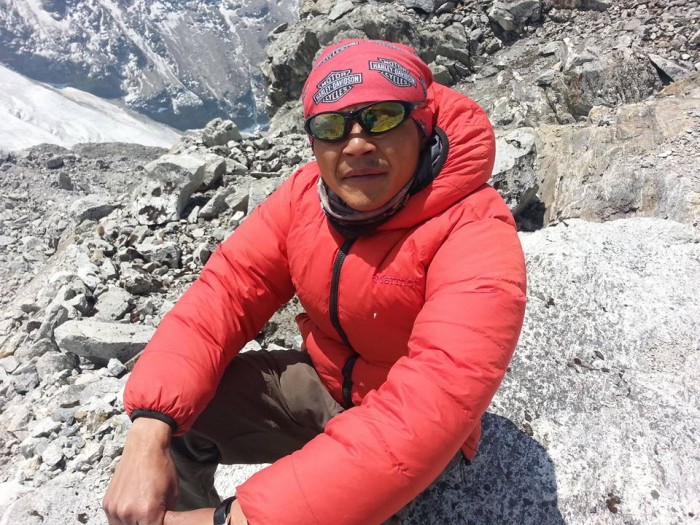
Group Join Trek Information
24th Aug, 2025
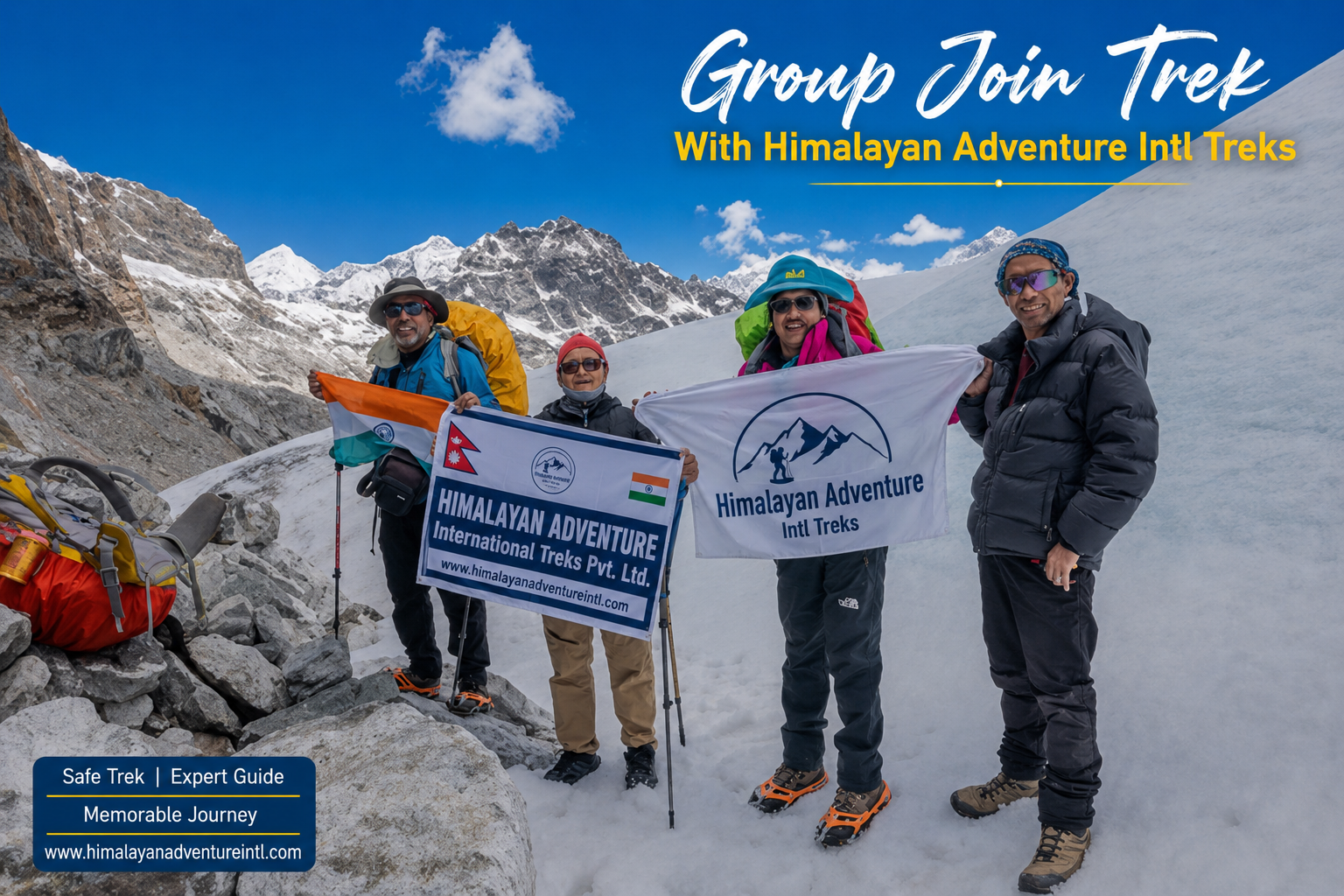
Nepal is one of the world's most remarkable destinations for trekking, offering spectacular Himalayan landscapes, traditional mountain villages, diverse cultures, and some of the most famous trekking routes on Earth. From the legendary Everest region to the peaceful trails of Langtang and the varied landscapes of the Annapurna region, Nepal provides trekking opportunities for travelers with different interests, schedules, and levels of experience.
For travelers who want to explore the Himalayas without arranging an expensive private trek, a Group Joining Trek in Nepal is an excellent way to experience the mountains with other adventurers. Group joining treks allow solo travelers, couples, friends, and small groups to participate in a pre-planned trekking itinerary together with travelers from different countries and cultures.
At Himalayan Adventure Intl Treks, we organize group joining trekking experiences designed to combine affordability, professional guidance, convenient logistics, and the social experience of traveling with fellow trekkers. Instead of walking alone, you can share the trail, meals, mountain views, cultural experiences, and unforgettable Himalayan moments with an international group.
Whether you are dreaming of reaching Everest Base Camp, walking through the Annapurna region, exploring Langtang Valley, crossing a high Himalayan pass, or discovering another spectacular trekking destination, group joining can provide an organized and enjoyable way to experience Nepal.
What Is a Group Joining Trek in Nepal?
A group joining trek is a trekking arrangement in which individual travelers or small parties join an existing group traveling on a predetermined itinerary and departure date. Unlike a private trek, where the itinerary and pace can often be customized specifically for one party, a group joining trek generally follows a fixed schedule shared by all participants.
Trekkers may come from different countries, cultures, age groups, and trekking backgrounds. They share essential trekking services such as the guide, transportation, accommodation arrangements, permits, and other logistics according to the particular package.
This arrangement is especially popular among solo travelers who want companionship while trekking in the Himalayas. It is also useful for budget-conscious travelers because some operational costs can be shared among group members.
The trekking company normally prepares the itinerary, organizes transportation and permits, arranges accommodation, assigns a professional guide, and coordinates the group before departure. Travelers therefore have fewer logistical responsibilities and can concentrate more on enjoying the trail.
Popular destinations where group joining arrangements may be available include Everest Base Camp, Annapurna Base Camp, Annapurna Circuit, Langtang Valley, Manaslu Circuit, Mardi Himal, Ghorepani Poon Hill, Gokyo Valley, and other trekking routes depending on departure dates and group availability.
Why Choose Group Joining Trekking in Nepal?
Group joining trekking has become increasingly popular because it combines the independence of traveling as an individual with the companionship of an organized group. It can be particularly attractive for travelers who want to reduce costs, meet people, and have professional support during their Himalayan journey.
Affordable Himalayan Adventure
One of the main attractions of group joining trekking is cost sharing. When several travelers participate in the same itinerary, certain expenses associated with guides, transportation, permits, and logistics can be distributed among the group.
As a result, a group trek can be more economical than arranging a private itinerary for one or two people. This makes it an appealing choice for students, backpackers, solo travelers, young adventurers, and anyone looking for a more budget-conscious way to explore Nepal.
The exact price depends on the route, duration, season, accommodation, transportation, permits, and services included in the package.
Meet Travelers From Around the World
A group joining trek is much more than a mountain journey. It is also an opportunity to meet people from different parts of the world.
You may begin the trek as strangers and gradually become companions as you walk through forests, mountain valleys, villages, suspension bridges, and high-altitude landscapes together. Shared experiences on difficult climbs, relaxing evenings in mountain lodges, and conversations over meals can create strong friendships.
For solo travelers, this social aspect can make the Himalayan experience especially memorable.
Professional Guide Support
Traveling with an experienced trekking guide provides valuable support throughout the journey. Your guide manages the daily trekking schedule, explains the route and local surroundings, coordinates accommodation and logistics, and provides guidance when trail or weather conditions change.
On higher-altitude routes, guides also monitor trekkers for possible symptoms of altitude-related problems and can recommend appropriate action when necessary.
Convenient Trekking Arrangements
Planning a Himalayan trek independently involves numerous details. Transportation, accommodation, permits, guides, trekking schedules, meals, luggage arrangements, and route planning all need to be considered.
With a group joining trek, the trekking company coordinates the major arrangements in advance. Once your booking is confirmed, you receive information about the itinerary, preparation, equipment, meeting arrangements, and departure schedule.
This allows you to spend more time preparing yourself for the adventure rather than managing every logistical detail.
Shared Himalayan Experience
The Himalayas are spectacular, but experiencing them with other travelers can add another dimension to the journey. Sunrise over snow-covered mountains, walking through traditional villages, reaching a high mountain pass, or arriving at a famous base camp can become even more memorable when shared with fellow trekkers.
Who Should Join a Group Trek in Nepal?
Group joining treks are suitable for a wide range of travelers.
Solo Travelers
Solo travelers are among the most common participants in group joining treks. If you want to travel independently but do not want to trek alone, joining a group offers companionship while allowing you to participate in an organized itinerary.
First-Time Trekkers
Beginners who are physically prepared can choose suitable trekking routes and benefit from professional guide support. Routes such as Ghorepani Poon Hill, Mardi Himal, and some Langtang itineraries can be appropriate introductions to Himalayan trekking, while more demanding routes require greater preparation.
Couples
Couples who want to meet other travelers can join a group trek rather than booking a completely private trip. They can enjoy their journey together while sharing the trail with an international group.
Friends and Small Groups
Friends traveling together can also join an existing group. This can reduce costs and provide an opportunity to meet additional travelers during the trek.
Social and Adventure-Minded Travelers
If you enjoy meeting people, exchanging travel stories, experiencing different cultures, and sharing outdoor adventures, group trekking can be a rewarding travel style.
Popular Group Joining Trekking Destinations in Nepal
Nepal has hundreds of trekking trails, but some routes are particularly suitable for group departures because of their popularity and established trekking infrastructure.
Everest Base Camp Group Joining Trek
The Everest Base Camp Trek is one of Nepal's most famous Himalayan adventures. The journey passes through the spectacular Khumbu region, traditional Sherpa settlements, Buddhist monasteries, suspension bridges, and mountain landscapes dominated by some of the world's highest peaks.
The trek usually includes acclimatization stops to help trekkers adjust gradually to increasing elevation. Namche Bazaar is one of the most important settlements along the route and is also a popular acclimatization location.
Joining an Everest Base Camp group trek allows travelers from different countries to experience this legendary route together.
Annapurna Base Camp Group Trek
The Annapurna Base Camp Trek offers a remarkable combination of mountain scenery, forests, villages, terraced farmland, and Himalayan culture.
The route leads toward the dramatic Annapurna Sanctuary, where trekkers are surrounded by impressive mountain peaks. Depending on the itinerary, the journey can pass through traditional settlements and rhododendron forests before reaching the high mountain amphitheater.
Annapurna Base Camp is another popular option for travelers interested in a group joining experience.
Annapurna Circuit Group Trek
The Annapurna Circuit Trek is known for its remarkable landscape diversity. The route passes through different climatic and geographical environments and eventually reaches the high Thorong La Pass.
The changing scenery—from lower valleys and cultivated farmland to alpine landscapes and high mountain terrain—is one of the major attractions of this trek.
Because the route reaches high altitude, proper acclimatization, preparation, and responsible trekking practices are important.
Langtang Valley Group Trek
Langtang Valley is a popular choice for travelers looking for a Himalayan trekking experience relatively close to Kathmandu.
The route combines mountain scenery, forests, traditional villages, and cultural experiences. It is also an appealing choice for travelers who have limited time but still want to experience the Himalayan environment.
Manaslu Circuit Group Trek
The Manaslu Circuit Trek offers a more remote Himalayan experience. The trail passes through culturally rich villages, dramatic mountain valleys, forests, and high-altitude terrain.
The route is more demanding than many shorter trekking routes, particularly because of its altitude and challenging sections. Proper preparation and appropriate permits are essential.
Mardi Himal Group Trek
Mardi Himal has become a popular trekking destination because of its mountain scenery, relatively short itinerary, and beautiful Himalayan landscapes.
The trek passes through forests and alpine environments before reaching viewpoints with impressive views of the Annapurna range and surrounding mountains.
Ghorepani Poon Hill Group Trek
For travelers looking for a shorter Himalayan experience, Ghorepani Poon Hill is a popular option. The trek combines mountain scenery with traditional villages and rhododendron forests.
Poon Hill is particularly well known for sunrise views over the surrounding Himalayan peaks.
Gokyo Valley Group Trek
The Gokyo Valley route provides a different experience in the Everest region. The trail leads toward the beautiful Gokyo Lakes and high Himalayan landscapes.
Depending on the itinerary, travelers may also explore viewpoints and high passes in the region. Because of the altitude, gradual acclimatization and appropriate preparation are important.
How Does Group Joining Trekking Work?
The process is straightforward.
First, choose your preferred trekking destination and review the itinerary, duration, difficulty, inclusions, exclusions, and departure dates.
Next, select a suitable fixed departure date. Group joining departures depend on the availability of other trekkers traveling on similar dates.
If your preferred date does not have a suitable group, you can contact Himalayan Adventure Intl Treks. We can check whether another existing group or upcoming departure matches your travel schedule.
Once the group arrangement is confirmed, you receive information regarding the meeting point, pre-trek briefing, equipment, transportation, accommodation, and other preparations.
Before departure, participants normally attend a pre-trek meeting. This provides an opportunity to meet the guide and other group members and review the trekking arrangements.
The group then begins the trek according to the planned itinerary.
Simple Group Joining Trek Booking Process
1. Choose Your Trekking Route
Select the route according to your available time, interests, trekking experience, and physical preparation.
2. Select Your Departure Date
Choose one of the available fixed departure dates. Flexibility with dates can increase the possibility of finding a suitable group.
3. Check Group Availability
Himalayan Adventure Intl Treks checks the group arrangement and confirms whether the selected departure is operating.
4. Confirm Your Booking
After the arrangements are confirmed, complete the booking process and receive the necessary pre-trek information.
5. Attend the Pre-Trek Meeting
Meet your trekking guide and fellow participants. You can review the itinerary, equipment, departure arrangements, and other important information.
6. Start Your Himalayan Journey
Travel with your group and begin your adventure through Nepal's mountains.
What Is Included in a Group Joining Trek Package?
The exact inclusions differ according to the trekking destination and itinerary. A typical package may include:
- Professional licensed trekking guide
- Porter services according to the package
- Trekking permits and required documentation
- Accommodation during the trek
- Ground or domestic transportation specified in the itinerary
- Meals specified in the package
- Group coordination and logistical support
- Pre-trek briefing
- Trekking route assistance
- Emergency coordination when required
- Airport transfers or Kathmandu accommodation where specifically included
Travelers should always check the detailed inclusion and exclusion list before booking because different routes and packages can provide different services.
Group Size for Nepal Group Joining Treks
Group size can vary depending on the destination, departure date, trekking season, and number of bookings.
Many group joining departures operate with a relatively small number of participants, which can create a friendly and manageable atmosphere. Larger groups can provide a more social environment, while smaller groups may allow greater interaction with the guide.
The final group size should be confirmed with the trekking company before departure.
Best Seasons for Group Joining Trekking in Nepal
Nepal can be trekked in different seasons, but weather and trail conditions vary considerably throughout the year.
Spring – March to May
Spring is one of the popular trekking seasons in Nepal. Temperatures are generally comfortable at many trekking elevations, mountain views can be excellent, and rhododendron forests add color to many routes.
Because spring is a busy trekking period, travelers may have a greater opportunity to meet other trekkers and join established departures.
Autumn – September to November
Autumn is another major trekking season. After the monsoon period, mountain landscapes can become particularly clear, and trekking conditions are generally favorable on many routes.
September, October, and November are popular months for trekking in Nepal, so travelers looking for a group joining trek should consider booking in advance.
Winter – December to February
Winter can bring cold conditions, especially at higher elevations. Some high passes and trekking routes may become difficult because of snow and freezing temperatures.
However, lower-elevation routes can still provide excellent trekking experiences, depending on weather and trail conditions.
Monsoon – June to August
The monsoon season brings rain, cloud, and muddy trails to many parts of Nepal. Visibility can be reduced and some routes can become less convenient.
However, rain-shadow destinations such as Upper Mustang and Dolpo can offer trekking opportunities during this period because they receive considerably less monsoon rainfall than many other parts of Nepal.
Group Trekking Cost in Nepal
The cost of a group joining trek depends on several factors, including:
- Trekking destination
- Number of trekking days
- Trekking season
- Accommodation standard
- Transportation
- Permit requirements
- Guide and porter services
- Meals
- Domestic flights
- Group size
- Additional services included in the package
Shorter trekking routes generally cost less than longer high-altitude expeditions. Routes requiring domestic flights, special permits, additional accommodation, or more logistical support may have higher costs.
For an accurate current price, travelers should request a quotation based on their preferred route and departure date rather than relying on a general price range.
What Should You Expect on a Group Joining Trek?
Every group is different. Participants can come from different countries and have different trekking experience, walking speeds, communication styles, and expectations.
Flexibility is therefore an important part of group trekking.
Some trekkers may walk faster while others prefer a slower pace. Your guide helps coordinate the group and maintain the planned schedule while considering safety and reasonable trekking needs.
The social experience can be one of the most rewarding aspects. Travelers can share meals, stories, photographs, cultural experiences, and memorable moments along the trail.
Important Rules for Group Joining Treks
To make the journey comfortable and safe for everyone, group members should follow several basic principles.
Attend the Pre-Trek Meeting
The pre-trek briefing is important because you receive final information about the itinerary, equipment, departure time, transportation, and safety considerations.
It also gives you an opportunity to meet your guide and fellow trekkers.
Arrive on Time
Group departures operate according to a schedule. Arriving at the agreed meeting point on time helps prevent unnecessary delays for the rest of the group.
Bring Appropriate Equipment
Your equipment should match the route and season. Important personal items may include:
- Comfortable trekking boots
- Layered clothing
- Warm jacket
- Waterproof jacket
- Gloves
- Hat
- Sleeping bag
- Backpack
- Water bottle
- Sunglasses
- Sunscreen
- Personal toiletries
- Personal medication
- Trekking poles where useful
- Basic snacks
Higher-altitude or specialized routes may require additional equipment.
Stay With the Group
For safety and coordination, trekkers should follow the guide's instructions and avoid leaving the designated route without informing the guide.
If you need to stop, take a different direction, or walk separately for any reason, communicate with your guide.
Follow Emergency Instructions
Mountain conditions can change quickly. Weather, trail conditions, injuries, altitude-related problems, or other unexpected situations can affect the itinerary.
Remain calm and follow the instructions of the guide during emergencies.
Respect Safety Decisions
A guide may recommend resting, slowing down, descending, changing the itinerary, or stopping the trek when continuing could create a safety concern.
Such decisions may be related to altitude, weather, trail conditions, or the health of a participant. Safety should remain the primary consideration.
Accommodation During Group Joining Treks
Accommodation varies according to the trekking destination.
On many trekking routes, accommodation is provided in local teahouses or mountain lodges. Rooms are commonly shared, especially during busy trekking seasons.
Travelers joining a group should be prepared for twin-sharing or multi-sharing accommodation where applicable.
Private rooms may sometimes be available, depending on the destination, lodge capacity, and season, but additional charges may apply.
Food and Meals During the Trek
Food availability varies according to the trekking route. Popular trekking trails have teahouses and lodges offering a selection of meals.
The exact meals included in your package should be checked before departure.
Travelers should also carry suitable snacks and maintain adequate hydration throughout the trek.
Altitude and Acclimatization
Altitude is an important consideration on Himalayan trekking routes.
Some routes rise above 2,500 meters, where altitude-related illness can become a concern. Possible symptoms include headache, dizziness, nausea, tiredness, and difficulty sleeping.
Gradual ascent and properly planned acclimatization days are important parts of many high-altitude itineraries.
Travelers should communicate openly with their guides if they feel unwell. Guides can monitor the situati