

Nepal is one of the world's greatest trekking destinations, attracting thousands of adventure lovers every year. While spring and autumn are traditionally considered the peak trekking seasons, winter (December to February) has become increasingly popular among travelers seeking peaceful trails, crystal-clear mountain views, and a unique Himalayan experience. With proper planning and professional support from Himalayan Adventure Intl Treks, trekking in Nepal during winter is safe, rewarding, and unforgettable.
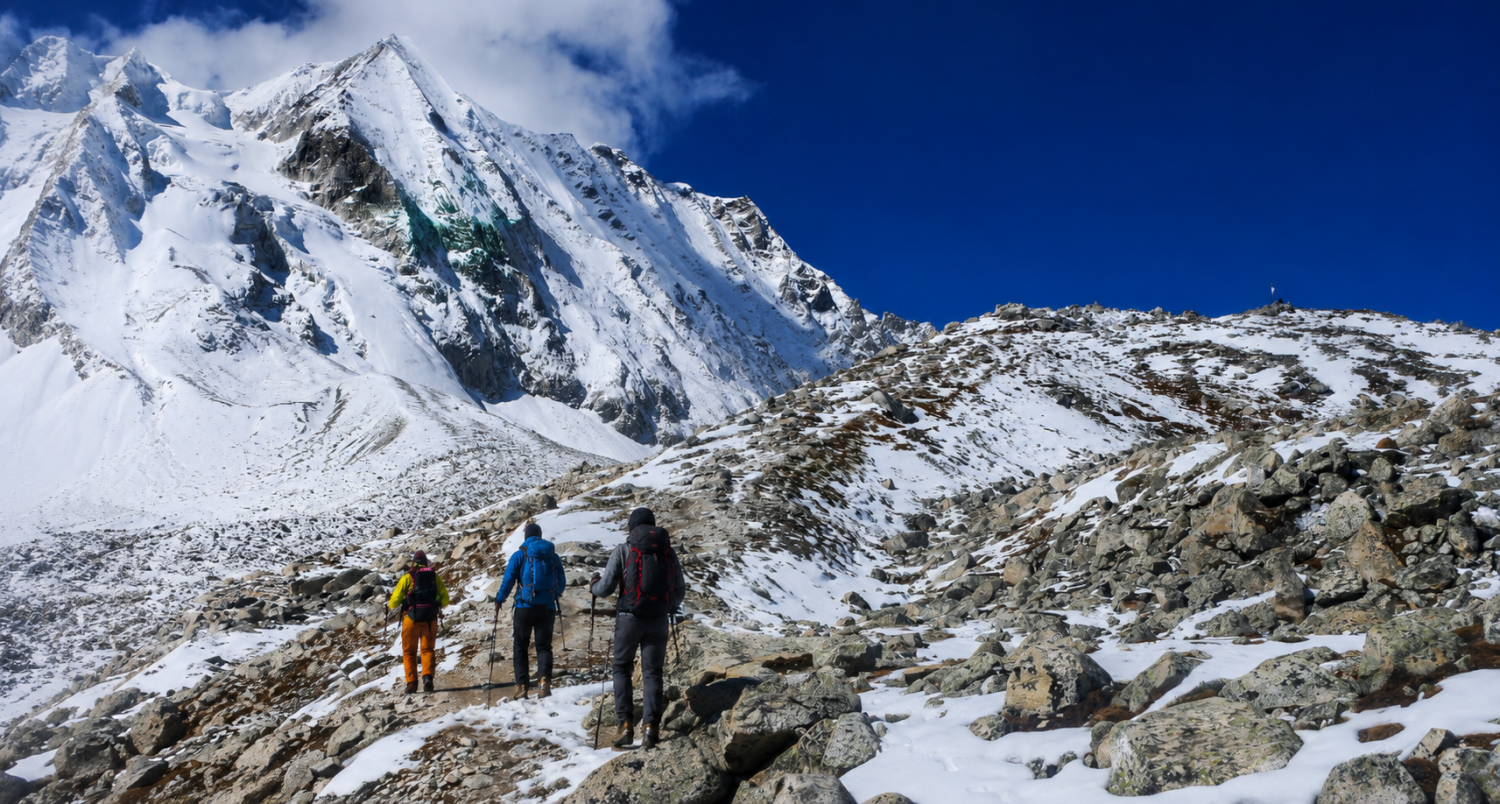
Winter transforms Nepal into a magical wonderland. Snow-covered peaks, frozen waterfalls, sparkling rivers, and charming mountain villages create breathtaking scenery. Since there are fewer trekkers on the trails, visitors can enjoy a more authentic Himalayan experience with greater opportunities to interact with local communities.
Whether you dream of reaching Annapurna Base Camp, exploring Langtang Valley, hiking to Mardi Himal, or witnessing Everest from Namche Bazaar, Himalayan Adventure Intl Treks provides professionally organized winter trekking packages for every level of adventure.
Why Choose Nepal for Winter Trekking?
Winter offers many advantages over the busy trekking seasons.
Crystal Clear Mountain Views
Winter is famous for its stable weather and excellent visibility. The skies are generally deep blue with very little haze, allowing trekkers to enjoy panoramic views of Everest, Annapurna, Dhaulagiri, Manaslu, Machhapuchhre, Langtang Lirung, and many other Himalayan giants.
Peaceful Trails
Unlike autumn, winter trails are quiet and uncrowded. Trekkers can walk peacefully without busy teahouses or crowded viewpoints.
Better Hospitality
Since there are fewer visitors, local teahouses provide more personalized service. Guides, hotel staff, and lodge owners have more time to interact with guests, making the trekking experience even more enjoyable.
Excellent Photography
Fresh snowfall, blue skies, colorful prayer flags, frozen lakes, and sunrise over snow-covered mountains make winter one of the best seasons for photography.
Winter Weather in Nepal
Winter temperatures vary depending on elevation.
Lower Elevations (1,000–2,500m)
- Daytime: 10°C to 18°C
- Night: 2°C to 8°C
These temperatures are comfortable for hiking.
Middle Elevations (2,500–4,000m)
- Daytime: 5°C to 12°C
- Night: -5°C to -10°C
Warm clothing is essential.
High Elevations (Above 4,000m)
- Daytime: -2°C to 8°C
- Night: -15°C to -20°C
Proper winter equipment and experienced guides become increasingly important.
Why Travel with Himalayan Adventure Intl Treks?
Himalayan Adventure Intl Treks has many years of experience organizing trekking adventures throughout Nepal. Every trip is carefully planned to ensure comfort, safety, and memorable experiences.
Our services include:
- Professional government-licensed trekking guides
- Experienced mountain porters
- Porter-guide (porter cum guide) service
- Female trekking guides upon request
- English-speaking guides
- French-speaking guides
- German-speaking guides
- Spanish-speaking guides
- Italian-speaking guides
- Japanese-speaking guides
- Chinese-speaking guides
- Korean-speaking guides
- Russian-speaking guides (subject to availability)
- Airport pick-up and drop-off
- Hotel reservation services
- Transportation arrangements
- Trekking permits
- Domestic flight booking
- Tourist bus reservations
- Jeep transportation
- Emergency assistance
- Customized itineraries
- Family trekking packages
- Group departures
- Solo trekking arrangements
Female Trekking Guides
Himalayan Adventure Intl Treks proudly offers experienced female trekking guides for solo women travelers, families, couples, and women's groups upon request.
Our female guides are professionally trained, government licensed, experienced in mountain safety, and knowledgeable about local culture and traditions.
Professional Guides
Every trekking guide is licensed by the Nepal Government and trained in:
- Mountain safety
- High-altitude awareness
- First aid
- Local culture
- Flora an