
Have Questions? Talk to Expert (Binod)

The Pikey Peak Trek is one of the best short Himalayan trekking adventures in Nepal for travelers who want spectacular Everest views, beautiful mountain landscapes, authentic Sherpa culture, and peaceful trekking trails within a limited timeframe. Reaching an altitude of 4,065 meters (13,336 feet), Pikey Peak is renowned as one of the finest sunrise viewpoints in the Everest region.
Unlike the classic Everest Base Camp Trek, the Pikey Peak route does not require a flight to Lukla or a two-week trekking schedule. The journey begins with a scenic drive from Kathmandu toward the Lower Solukhumbu region, followed by trekking through peaceful forests, traditional Sherpa settlements, alpine meadows, yak pastures, monasteries, and mountain ridges.
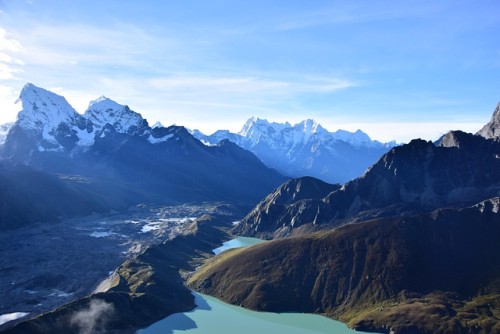
From the summit of Pikey Peak, trekkers can enjoy magnificent Himalayan panoramas that may include Mount Everest, Lhotse, Makalu, Kanchenjunga, Cho Oyu, Numbur Himal, Gaurishankar, Thamserku, Mera Peak, Dorje Lakpa, Langtang Lirung, Rolwaling Himal, and many other snow-covered peaks on clear days.
At Himalayan Adventure Intl Treks, we organize the Pikey Peak Trek with experienced local guides, carefully planned trekking days, comfortable teahouse accommodation, transportation, and necessary trekking arrangements. Our goal is to combine spectacular mountain scenery with meaningful cultural experiences while keeping the journey comfortable, safe, and enjoyable.
Many travelers dream of seeing Mount Everest but do not have enough time for a 12- to 14-day Everest Base Camp adventure. The Pikey Peak Trek provides an excellent alternative.
The trek reaches a lower maximum altitude than Everest Base Camp and follows a comparatively peaceful route through the Lower Solukhumbu region. Rather than concentrating only on reaching a famous destination, this trek allows you to experience the landscape, culture, villages, monasteries, forests, and mountain communities of the Everest region.
Another major advantage is accessibility. The trek starts with a road journey from Kathmandu instead of requiring a domestic flight to Lukla. This can make the trip convenient for travelers who prefer overland transportation or want to avoid possible flight delays.
The Pikey Peak viewpoint is particularly attractive for photographers. Early morning light gradually reaches the Himalayan peaks, creating dramatic colors across the snow-covered mountains. With clear weather, the sunrise experience from the summit can become one of the most memorable moments of your Nepal holiday.
The Pikey Peak region is part of the traditional homeland of the Sherpa people. Trekking through this area provides an opportunity to experience a side of Sherpa culture that is often missed on busier trekking routes.
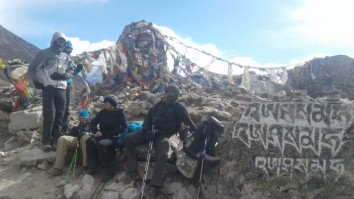
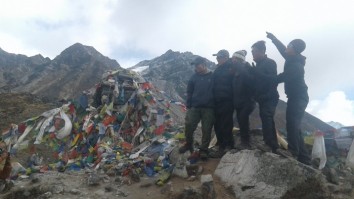
Throughout the journey, you may see traditional stone houses, Buddhist prayer flags, mani walls engraved with sacred mantras, prayer wheels, chortens, monasteries, and villages surrounded by green hills and mountain forests.
Sherpa culture is deeply connected with Tibetan Buddhism. Local monasteries and religious landmarks are important parts of everyday community life. Trekkers are encouraged to take time to observe local customs and learn from their guides about the history and traditions of the region.
Pikey Peak itself has spiritual significance for local communities. The mountain is associated with Pikey Hlapchen Karbu, a protective Sherpa deity. Local religious traditions and ceremonies continue to contribute to the cultural importance of the mountain.
Therefore, the Pikey Peak Trek is much more than a mountain hike. It is an opportunity to experience the natural environment and cultural heritage of the Lower Solukhumbu region together.
One of the distinctive features of the Pikey Peak Trek is the road journey from Kathmandu to the trekking area.
Instead of immediately taking a flight, travelers gradually leave the Kathmandu Valley and travel toward the hills and mountain settlements of eastern Nepal. The drive provides changing scenery, from busy urban surroundings to rural landscapes, terraced farmland, forests, rivers, and Himalayan foothills.
The road journey is itself part of the adventure and provides a different perspective of Nepal beyond the major tourist centers.
Once the trekking begins, the environment becomes increasingly peaceful. Trails pass through forests and small settlements where local people continue their traditional mountain lifestyles.
The adventure begins with a scenic drive from Kathmandu toward the Lower Solukhumbu region. After reaching the trekking area, the journey continues on foot toward Jhapre, a traditional mountain settlement.
The walking route gradually introduces trekkers to the peaceful environment of the region. Forests, hills, farmland, Buddhist monuments, and distant mountain views create an enjoyable beginning to the trek.
Jhapre is a beautiful place to experience local Sherpa culture and spend the night in a comfortable teahouse.
After breakfast, the trail continues toward Pikey Base Camp. The landscape changes as the trail climbs higher, passing through pine, oak, and rhododendron forests.
Depending on the season, rhododendron flowers can add vibrant colors to the landscape. The route also passes through open mountain terrain and alpine meadows.
As you gain altitude, the surrounding Himalayan panorama becomes increasingly impressive. The evening at Pikey Base Camp is particularly special because trekkers prepare for an early morning ascent to the summit.
This is one of the most important days of the entire journey.
An early morning start allows you to climb toward the summit of Pikey Peak at 4,065 meters before sunrise. The final climb is rewarding, and reaching the viewpoint before the first sunlight appears provides the opportunity to witness the mountains changing color.
As the sun rises, the Himalayan peaks gradually become illuminated, creating spectacular golden and pink tones across the snow-covered summits.
After spending time at the viewpoint, the trek continues toward the beautiful Sherpa settlement of Junbesi.
Junbesi is one of the cultural highlights of the trek. The village has a strong Buddhist heritage and is surrounded by impressive mountain landscapes.
Junbesi provides an excellent opportunity to slow down and explore the cultural side of the journey.
A visit to Thupten Chholing Monastery is one of the major highlights. The monastery is an important Tibetan Buddhist center in the region and provides an insight into the spiritual traditions of the Himalayan communities.
Visitors should maintain a respectful and quiet manner inside religious areas. Prayer wheels, Buddhist paintings, prayer flags, monasteries, and surrounding mountain scenery make this cultural excursion particularly memorable.
The day also provides an opportunity to rest after the summit experience and enjoy the peaceful atmosphere of Junbesi.
The trekking journey gradually descends from the higher mountain settlements toward the lower Solukhumbu region. The trail continues through forests, villages, farmland, and peaceful mountain landscapes.
As the altitude decreases, the vegetation becomes greener and the environment changes noticeably.
This section of the journey allows trekkers to enjoy the final views of the mountain region while gradually approaching the road-accessible area.
After completing the trekking portion, the journey returns to Kathmandu by road.
The drive provides another opportunity to observe rural Nepal, terraced fields, hills, rivers, villages, and changing landscapes.
Upon reaching Kathmandu, the Pikey Peak Trek officially concludes, leaving travelers with memories of Himalayan sunrises, Sherpa villages, Buddhist monasteries, peaceful trails, and magnificent mountain views.
The panoramic Himalayan scenery is the principal attraction of the trek. On clear mornings, the summit provides a broad mountain panorama extending across several sections of the Himalayan range.
Possible mountain views include:
Mountain visibility naturally depends on weather, cloud, haze, and atmospheric conditions. Even during the best trekking seasons, panoramic views cannot be guaranteed every day.
The sunrise viewpoint is the defining experience of the Pikey Peak Trek.
Trekkers normally begin walking before dawn so they can reach the viewpoint before sunrise. Standing at the summit in the quiet early morning, you can watch the eastern horizon brighten before the first rays of sunlight reach the Himalayan peaks.
The mountains gradually change from dark silhouettes to shades of gold, orange, and pink. Mount Everest and the surrounding peaks become increasingly visible as daylight spreads across the landscape.
This early start requires warm clothing, a headlamp, gloves, and appropriate footwear, especially during winter.
The cultural dimension of the trek is strengthened by a visit to Thupten Chholing Monastery near Junbesi.
The monastery represents the strong Tibetan Buddhist heritage of the Sherpa communities. Travelers can observe the peaceful surroundings, religious architecture, prayer wheels, sacred symbols, and aspects of monastic life.
A local guide can explain the cultural significance of the monastery and help visitors understand appropriate behavior when entering religious spaces.
Trekkers should avoid disturbing prayers or ceremonies and should always ask permission before photographing people or sensitive religious activities.
The Pikey Peak Trek is possible during several seasons, but spring and autumn are generally the most favorable periods for clear mountain views and comfortable trekking conditions.
Spring is an excellent season for nature lovers and photographers. Rhododendron forests begin blooming, the hills become greener, and temperatures gradually become warmer.
Morning visibility is often favorable for mountain views. The combination of flowering forests, blue skies, and snowy peaks creates excellent photographic opportunities.
Autumn is traditionally one of the best trekking seasons in Nepal. Following the monsoon, the atmosphere often becomes clearer, and mountain visibility can be excellent.
October and November are particularly attractive because of generally stable weather and comfortable daytime temperatures.
This period also coincides with major Nepalese festivals, providing opportunities to experience local culture.
Winter brings cold temperatures, particularly around sunrise and at night. Higher sections can experience snowfall.
However, winter can also provide exceptionally peaceful trails and crisp mountain scenery. Trekkers should carry adequate winter clothing, especially for the early-morning summit hike.
The monsoon season brings frequent rain, cloud cover, muddy trails, and potentially slippery sections. Mountain views may be limited by clouds.
The landscape becomes very green, and visitor numbers are lower, but travelers primarily interested in clear Himalayan panoramas may prefer spring or autumn.
Weather changes quickly in the Himalayan environment. Approximate seasonal conditions from the source article indicate:
| Period | General Conditions | Approximate Temperature |
|---|---|---|
| January–February | Cold, possible snowfall | -8°C to 8°C |
| March–May | Spring, clearer and warmer | -2°C to 15°C |
| June | Increasing rainfall | 8°C to 20°C |
| July–August | Wet monsoon | 10°C to 18°C |
| September | Monsoon transition | 8°C to 18°C |
| October–November | Clear and stable | 2°C to 16°C |
| December | Cold and dry | -6°C to 10°C |
These temperatures are approximate and can vary according to elevation, wind, weather systems, and time of day.
The Pikey Peak Trek is generally considered a moderate Himalayan trek. It does not require technical climbing skills, but trekkers should be prepared for several hours of walking each day over uneven mountain trails.
The highest point is 4,065 meters, so altitude should still be taken seriously. A steady walking pace, adequate hydration, sufficient rest, and gradual altitude gain can make the experience more comfortable.
Fitness preparation before the trek is recommended. Regular walking, hiking, stair climbing, and cardiovascular exercise can help prepare the body for mountain trekking.
Our guides recommend starting slowly rather than trying to walk too quickly during the first days.
Hydration is important in the mountains. Trekkers should aim to drink approximately 3–4 liters of fluids per day, depending on conditions and individual needs. Water purification tablets, filters, or other safe treatment methods are useful for reducing plastic waste.
Comfortable and well-broken-in trekking boots are highly recommended. New footwear can cause blisters and discomfort, particularly on uneven trails.
Starting early is also beneficial because mornings generally provide better opportunities for mountain views. It also allows trekkers to complete major sections before afternoon weather changes.
Most importantly, travelers should enjoy the villages and cultural experiences instead of treating the trek only as a race toward the summit.
Accommodation during the Pikey Peak Trek is generally provided in local teahouses or mountain lodges.
Rooms are normally simple and comfortable, reflecting the remote nature of the region. Facilities become more basic as the trail reaches higher and more isolated areas.
Meals commonly available during trekking include local and international-style dishes such as dal bhat, noodles, pasta, rice, potatoes, soups, eggs, bread, vegetables, and other simple mountain meals.
Dal bhat is particularly popular because it provides a filling combination of rice, lentils, vegetables, and other side dishes.
A practical packing list for the Pikey Peak Trek includes:
The exact packing requirements vary according to the season.
Travel insurance is strongly recommended for international trekkers. Insurance should be appropriate for Himalayan trekking and should cover emergency medical treatment and evacuation where applicable.
Although Pikey Peak is lower than many major Himalayan trekking destinations, weather can change quickly and unexpected situations can occur.
Trekkers should inform their guide immediately if they experience unusual symptoms such as severe headache, dizziness, unusual weakness, breathing difficulties, or other concerning signs.
Our guides monitor the group's condition and can recommend rest or itinerary adjustments when necessary.
The Pikey Peak Trek and Everest Base Camp Trek provide very different experiences.
| Feature | Pikey Peak Trek | Everest Base Camp Trek |
|---|---|---|
| Duration | Around 6 days | Usually 12–14 days |
| Highest Point | 4,065 m | Around 5,364 m |
| Main Attraction | Sunrise and wide Himalayan panorama | Everest Base Camp and Khumbu landmarks |
| Access | Road journey from Kathmandu | Usually Lukla flight or road-based alternatives |
| Crowds | Generally quieter | Busier during peak seasons |
| Difficulty | Moderate | Moderate to challenging |
| Best For | Short trips and peaceful trekking | Travelers wanting to reach Everest Base Camp |
Choose Pikey Peak if you have limited time, prefer quieter trails, want excellent Everest views, or want to experience Sherpa culture without committing to a two-week trek.
Choose Everest Base Camp if your primary goal is to stand at the base camp of Mount Everest and experience the classic Khumbu trekking route.
At Himalayan Adventure Intl Treks, we believe a successful Himalayan journey requires more than simply following a trail. Our objective is to provide responsible, comfortable, and well-organized trekking experiences supported by knowledgeable local staff.
We focus on:
Whether you are traveling alone, as a couple, with family, or with a group of friends, we can adjust the itinerary according to your available time and interests.
The trek is suitable for a wide range of travelers who have a reasonable level of fitness.
It can be an excellent choice for:
No technical mountaineering experience is required for the standard trek.
Travelers have an important role in protecting the Himalayan environment and supporting local communities.
We encourage trekkers to minimize plastic waste, carry reusable water bottles, avoid littering, respect wildlife, and follow local environmental guidelines.
When visiting monasteries and villages, travelers should dress respectfully, ask permission before taking photographs, and follow the guidance of local people.
Purchasing food, accommodation, handicrafts, and other services from local communities also helps tourism contribute directly to the regional economy.
The 6-Day Pikey Peak Trek is a remarkable short Himalayan adventure that combines breathtaking mountain scenery, spectacular sunrise views, peaceful trekking trails, traditional Sherpa villages, Buddhist culture, and beautiful natural landscapes.
The summit at 4,065 meters offers an exceptional viewpoint toward Mount Everest and numerous Himalayan peaks. At the same time, the journey through Lower Solukhumbu reveals a quieter and more cultural side of the Everest region.
For travelers who have only about a week in Nepal, Pikey Peak can be an excellent alternative to longer Everest-region adventures. You can enjoy a genuine Himalayan trekking experience without spending two weeks on the trail or relying on a flight to Lukla.
The combination of mountain scenery and Sherpa culture makes this trek especially rewarding. From the peaceful forests and alpine meadows to the traditional villages of Jhapre and Junbesi, from the spiritual atmosphere of Thupten Chholing Monastery to the unforgettable sunrise from Pikey Peak, every stage offers something different.
Join Himalayan Adventure Intl Treks for a carefully organized Pikey Peak journey and discover one of Nepal's most rewarding short Himalayan trekking routes.
For itinerary customization, private trekking arrangements, group departures, guide services, transportation, and other trekking requirements, contact Himalayan Adventure Intl Treks.
Accommodation: Hotel in Kathmandu
Meals: Welcome/optional meal
Distance: Approximately 6–8 km airport-to-hotel transfer
Altitude: 1,350 m
Welcome to Nepal and the beginning of your Pikey Peak adventure with Himalayan Adventure Intl Treks. Upon arrival at Tribhuvan International Airport in Kathmandu, one of our representatives will meet you and transfer you to your hotel. Kathmandu is situated at approximately 1,350 meters above sea level and is the cultural, historical, and trekking gateway of Nepal.
After checking into your hotel, you can relax and recover from your journey. Depending on your arrival time, you may have an opportunity to walk around the nearby streets or explore some of Kathmandu’s cultural attractions. Your trekking guide will meet you for a briefing about the Pikey Peak Trek, including the route, accommodation, meals, weather, trekking equipment, altitude considerations, and safety procedures.
Pikey Peak Trek is particularly attractive because it provides an authentic Himalayan experience while passing through relatively peaceful villages. The region is strongly influenced by Sherpa culture and Tibetan Buddhism.
If you need any last-minute trekking equipment, Kathmandu has numerous shops where you can purchase or rent jackets, sleeping bags, trekking poles, warm clothing, and other essentials. Your guide can assist you in checking your equipment before departure.
The first day is intentionally easy so that you can rest after your international flight and prepare physically and mentally for the trekking journey ahead.
Day Highlights: Kathmandu Valley, trek briefing, equipment check, Nepalese culture, preparation for Pikey Peak Trek.
Accommodation: Lodge/Homestay in Dhap
Meals: Breakfast, lunch and dinner
Driving Distance: Approximately 230–250 km
Altitude: Approximately 2,900 m
After breakfast, your Pikey Peak Trek officially begins with a scenic drive from Kathmandu toward Dhap Bazaar, a beautiful settlement in the lower Solukhumbu region. The journey takes approximately 8–9 hours depending on traffic, road conditions, weather, and stops along the way.
The road gradually leaves the busy Kathmandu Valley and enters the countryside. Along the journey, you can observe terraced farmland, rivers, green hills, traditional villages, forests, and mountain landscapes. The drive provides an excellent introduction to rural Nepal and shows how dramatically the landscape changes as you travel toward the Himalayan foothills.
Dhap is an important starting point for the Pikey Peak trekking route. As you approach the area, the environment becomes increasingly mountainous, and the surrounding scenery becomes more peaceful and spectacular.
Upon reaching Dhap, you will check into a local lodge or homestay. Depending on your arrival time and weather conditions, you can take a short walk around the village and enjoy the surrounding hills.
Staying in a local lodge or homestay also provides an opportunity to experience the warm hospitality and lifestyle of the mountain communities. Dinner will generally consist of traditional Nepalese and trekking dishes such as dal bhat, noodles, potatoes, vegetables, soup, or other locally available food.
An early night is recommended because the following morning marks the beginning of your walking adventure toward Jhapre.
Day Highlights: Scenic countryside drive, rural villages, terraced fields, mountain landscapes, local culture, Dhap Bazaar.
Accommodation: Lodge/Homestay in Jhapre
Meals: Breakfast, lunch and dinner
Walking Distance: Approximately 10–12 km
Trekking Time: 4–5 hours
Altitude: Jhapre approximately 2,815 m
After breakfast, you begin your first proper trekking day from Dhap toward Jhapre, a charming Sherpa settlement surrounded by hills and Himalayan scenery. The trail gradually passes through quiet mountain landscapes, traditional farmland, forests, and small settlements.
The walking pace is comfortable, allowing you to enjoy the changing scenery and adjust gradually to the increasing altitude. Depending on the season, the surrounding forests can display colorful rhododendron flowers, particularly during spring. Rhododendron is Nepal’s national flower and creates beautiful scenery along many Himalayan trekking trails.
As you continue toward Jhapre, you may encounter local farmers, yak and cattle herders, porters, and villagers going about their daily activities. This is one of the special attractions of the Pikey Peak Trek: the route provides a closer look at traditional Himalayan life rather than focusing only on mountain viewpoints.
Jhapre is known for its peaceful atmosphere, Buddhist culture, prayer flags, stupas, and traditional mountain houses. On arrival, you will check into a local lodge or homestay and have time to rest.
If the weather is clear, you may enjoy views of several Himalayan peaks from the surrounding area. Your guide can also take you on a short village walk to observe local architecture and Buddhist cultural features.
After dinner, relax in the lodge and prepare for the next day's longer walk toward Pikey Peak Base Camp.
Day Highlights: Sherpa village, rhododendron forests, mountain farmland, Buddhist culture, traditional houses, Himalayan views.
Accommodation: Lodge/Homestay near Pikey Peak Base Camp
Meals: Breakfast, lunch and dinner
Walking Distance: Approximately 13–15 km
Trekking Time: About 6 hours
Altitude: Pikey Peak Base Camp approximately 3,585–3,640 m
Today is one of the most scenic days of the Pikey Peak Trek as you continue from Jhapre toward Pikey Peak Base Camp. The trail gradually climbs through peaceful forests, open hillsides, yak pastures, and traditional settlements.
As you gain altitude, the vegetation becomes more alpine, and the views become increasingly impressive. On clear days, you can see magnificent Himalayan peaks rising across the horizon. The route is especially beautiful during spring when rhododendron forests are in bloom.
The trail includes a mixture of gradual ascents and easier sections, providing opportunities to rest and enjoy the surroundings. Your guide will maintain a comfortable pace because altitude gain should be handled carefully.
Along the route, you may encounter Buddhist prayer flags, mani walls, small chortens, and religious landmarks that reflect the strong Tibetan Buddhist influence of the Sherpa communities. These cultural elements make the Pikey Peak route more than simply a mountain trek.
After several hours of walking, you reach the area around Pikey Peak Base Camp. The settlement is small and peaceful, with basic mountain lodges and homestays. Facilities are simple but provide the essentials required by trekkers.
After checking into your accommodation, take time to relax and hydrate. If weather permits, step outside in the evening to admire the surrounding mountains and possibly enjoy a beautiful Himalayan sunset.
An early dinner and good rest are recommended because tomorrow begins before sunrise for the climb to Pikey Peak.
Day Highlights: Alpine landscapes, rhododendron forest, yak pastures, Buddhist prayer flags, Himalayan panorama, Pikey Peak Base Camp.
Accommodation: Lodge/Homestay in Junbesi
Meals: Breakfast, lunch and dinner
Walking Distance: Approximately 14–16 km
Trekking Time: Approximately 7–8 hours including the summit hike
Maximum Altitude: Pikey Peak – 4,065 m
Today is the highlight of the entire Pikey Peak Trek. You wake very early, usually before sunrise, and begin the gradual climb toward the summit of Pikey Peak at 4,065 meters.
The pre-dawn climb is normally quiet and peaceful. As you approach the viewpoint, the sky begins to brighten over the Himalayan horizon. From the summit area, trekkers can enjoy spectacular sunrise scenery over a vast panorama of Himalayan peaks.
On a clear day, the views may include Mount Everest, Lhotse, Makalu, Kanchenjunga, Numbur, Mera Peak, Thamserku, and other peaks. The combination of golden sunlight, snow-covered mountains, rolling hills, and deep valleys creates one of the most memorable viewpoints in the region.
After spending time at Pikey Peak and taking photographs, you descend toward the trail leading to Junbesi. The descent passes through beautiful alpine landscapes, forests, yak grazing areas, and traditional Sherpa settlements.
Junbesi is one of the most culturally significant villages in the Solukhumbu region. It is surrounded by green hills and mountains and has a strong Buddhist heritage. After arriving, check into a comfortable local lodge or homestay and enjoy a well-earned meal.
Although this is a longer trekking day, the spectacular sunrise and mountain scenery make the effort worthwhile.
Day Highlights: Pikey Peak summit, 4,065 m altitude, Himalayan sunrise, Mount Everest views, Makalu and Kanchenjunga views, alpine scenery, Junbesi Sherpa village.
Accommodation: Lodge/Homestay in Junbesi
Meals: Breakfast, lunch and dinner
Walking Distance: Approximately 5–8 km local exploration
Altitude: Junbesi approximately 2,680 m
After several days of trekking, today provides a valuable opportunity to rest, explore, and experience the unique culture of the Solukhumbu region. You will spend the day in and around Junbesi, one of the beautiful Sherpa villages on the Pikey Peak trekking route.
After breakfast, you can take a leisurely walk through the village and observe traditional houses, prayer wheels, mani walls, Buddhist stupas, cultivated fields, and surrounding mountain scenery.
The major cultural attraction of the day is a visit to Thupten Chholing Monastery, an important Buddhist monastery located near Junbesi. The monastery provides an opportunity to learn about Tibetan Buddhist traditions, meditation, religious art, and the spiritual life of the local Sherpa community.
Your guide can explain the meaning of prayer flags, mani stones, prayer wheels, monasteries, and other Buddhist traditions encountered during the trek.
The relaxed schedule also gives your body time to recover after the Pikey Peak summit. You can enjoy the peaceful environment, interact respectfully with local residents, photograph the surrounding landscapes, or simply relax at the lodge.
Junbesi is also an excellent place to experience local food and hospitality. Depending on the lodge, meals may include dal bhat, noodles, soups, potatoes, vegetables, Tibetan-style bread, and other trekking dishes.
This cultural day makes the Pikey Peak Trek especially rewarding for travelers interested in both Himalayan scenery and Sherpa heritage.
Day Highlights: Junbesi village, Thupten Chholing Monastery, Sherpa culture, Buddhist traditions, prayer wheels, mountain scenery, relaxing day.
Accommodation: Lodge/Hotel in Phaplu
Meals: Breakfast, lunch and dinner
Walking Distance: Approximately 13–15 km
Trekking Time: About 5 hours
Altitude: Phaplu approximately 2,413 m
Today is your final trekking day on the Pikey Peak Trek. After breakfast in Junbesi, you begin walking toward Phaplu, an important settlement and transportation hub in the Solukhumbu region.
The trail gradually descends through forests, cultivated hillsides, villages, and beautiful mountain landscapes. Compared with the previous days, the lower altitude makes the walk feel easier, although you should continue walking at a comfortable pace.
Along the trail, you have another opportunity to observe the daily lifestyle of local communities. Agriculture, livestock raising, small shops, traditional houses, and mountain trails are all part of the rural landscape.
As you approach Phaplu, the surroundings gradually become more developed, and the trail eventually connects with the local road network. Phaplu is known for its airport and serves as a gateway for visitors traveling into the Solukhumbu area.
Upon reaching Phaplu, you will check into a local lodge or hotel and have time to relax. Depending on your arrival time, you may explore the town and enjoy a final evening in the Himalayan region.
This is a good opportunity to reflect on the journey—from the hills around Dhap and Jhapre to the summit of Pikey Peak and the cultural experience of Junbesi.
Enjoy a final dinner with your trekking team and prepare for the long drive back to Kathmandu tomorrow.
Day Highlights: Final trekking day, forest trails, rural villages, agricultural landscapes, Sherpa culture, Phaplu town.
Accommodation: Hotel in Kathmandu
Meals: Breakfast and lunch
Driving Distance: Approximately 240–270 km
Driving Time: Approximately 8–10 hours
Altitude: Kathmandu – 1,350 m
After breakfast, you begin the scenic drive from Phaplu back to Kathmandu. The journey takes approximately 8–10 hours depending on road and traffic conditions.
The drive provides a final opportunity to enjoy the diverse landscapes of Nepal. You will travel through mountain roads, green hills, river valleys, traditional settlements, terraced farmland, and eventually the more developed areas surrounding Kathmandu.
Because this is a relatively long road journey, several rest and meal stops can be arranged along the way. Your guide and driver will make the journey as comfortable as possible.
Upon reaching Kathmandu, you will be transferred to your hotel. After checking in, you can relax and enjoy a free evening.
If you still have energy, you may explore nearby markets or purchase souvenirs representing your Himalayan adventure. Kathmandu offers many choices of handicrafts, traditional Nepalese products, trekking souvenirs, and Buddhist cultural items.
Your return to Kathmandu marks the completion of the trekking portion of the Pikey Peak adventure. You can celebrate the successful journey with your trekking team and enjoy a comfortable night at the hotel.
Day Highlights: Scenic mountain drive, rural Nepal, river valleys, terraced farmland, Kathmandu Valley, completion of Pikey Peak Trek.
Accommodation: Not included unless extra nights are requested
Meals: Breakfast
Altitude: Kathmandu – 1,350 m
Your Pikey Peak Trek in Nepal officially comes to an end today. After breakfast, our representative from Himalayan Adventure Intl Treks will arrange your airport transfer according to your international flight schedule.
Depending on your departure time, you may have some free time to enjoy a final breakfast, relax at the hotel, or make last-minute purchases in Kathmandu.
We will ensure that you reach Tribhuvan International Airport comfortably and on time for your onward flight.
Although the trek has ended, the memories of walking through peaceful Sherpa villages, witnessing Himalayan sunrises, visiting Buddhist monasteries, and standing at Pikey Peak at 4,065 meters will remain with you for years to come.
Thank you for choosing Himalayan Adventure Intl Treks for your Pikey Peak adventure. We look forward to welcoming you again for another trekking, tour, peak climbing, or Himalayan adventure in Nepal.
Day Highlights: Breakfast, airport transfer, farewell to Nepal, completion of the Pikey Peak Trek.
Explore the Breathtaking Pikey Peak Trek in Nepal
The Pikey Peak Trek is a hidden gem in the lower Everest region, offering unparalleled panoramic views of the Himalayan giants, including Mount Everest, Makalu, Kanchenjunga, and Annapurna. Named after the local deity of the region, Pikey Peak (4,065m) is an ideal trekking destination for nature lovers, adventure seekers, and cultural enthusiasts alike. This journey combines stunning landscapes, authentic Sherpa culture, and a serene trekking experience away from the crowded trails.
Spectacular Views: Witness the best sunrise and sunset over the Himalayas.
Authentic Culture: Experience the lifestyle of the Sherpa people and visit monasteries.
Less Crowded: Perfect for those seeking a peaceful trekking route.
Moderate Difficulty: Suitable for beginner and intermediate trekkers.
Panoramic views of Mount Everest and surrounding peaks.
Visit ancient monasteries such as Thupten Choling Monastery.
Explore charming villages like Dhap, Jhapre, and Junbesi.
Walk through rhododendron forests and scenic ridgelines.
Guide Cost: USD 25–30 per day (Female guides are available for USD 30–35 per day).
Porter Cost: USD 20–25 per day.
Tea house stays: USD 5–10 per night.
Basic amenities such as shared bathrooms and simple rooms.
Meals (breakfast, lunch, and dinner): USD 20–30 per day.
Enjoy local dishes like dal bhat, momo, and Sherpa stew.
Kathmandu to Dhap by private jeep: USD 150–200 (one way).
Shared jeep or local bus: USD 20–25 per person (one way).
Permit is not necessary
Trekkers’ Information Management System (TIMS) card: USD 10–20 per person.
Without a guide or porter: Approximately USD 300–500, including permits, food, and accommodation.
Starting from USD 400–600 per person, depending on group size and inclusions.
Starting from USD 700–900 per person, including guide, porter, permits, transportation, accommodation, and meals.
Spring (March-May): Rhododendrons in full bloom, clear skies.
Autumn (September–November): Crisp weather, excellent visibility.
Winter (December–February): Snow-covered trails, quiet but colder.
Monsoon (June–August): Lush greenery but frequent rains.
Day 1: Kathmandu to Dhap (9 hours by jeep)
Day 2: Dhap to Jhapre (5–6 hours trekking)
Day 3: Jhapre to Pikey Base Camp (5–6 hours trekking)
Day 4: Pikey Base Camp to Pikey Peak to Junbesi (7–8 hours trekking)
Day 5: Explore Junbesi and Thupten Choling Monastery
Day 6: Junbesi to Phaplu (4–5 hours trekking)
Day 7: Drive or fly back to Kathmandu
Moderate: Requires good physical fitness but no prior trekking experience.
Daily trekking duration: 5–7 hours.
Trails include gradual ascents, ridges, and some steep sections.
The trek offers a deep dive into the rich culture of the Sherpa community. Along the trail, you will encounter warm hospitality, ancient monasteries, prayer wheels, and Mani walls. The people here follow Tibetan Buddhism, and their festivals, traditions, and lifestyle are a highlight of the journey.
Trekking boots and socks
Warm layers, including a down jacket
Waterproof jacket and pants
Sleeping bag (rated for -10°C)
Trekking poles
Sunscreen, sunglasses, and hat
Reusable water bottles and purification tablets
Basic first aid kit
Snacks and energy bars
Daypack (20–30 liters)
At Himalayan Adventure International Treks, we prioritize your safety, comfort, and memorable experiences. Our experienced guides, customizable packages, and competitive pricing ensure an unforgettable adventure to Pikey Peak. Whether you’re traveling solo or in a group, we’re here to make your journey hassle-free.
Contact us today to plan your Pikey Peak Trek and embark on an adventure of a lifetime!